

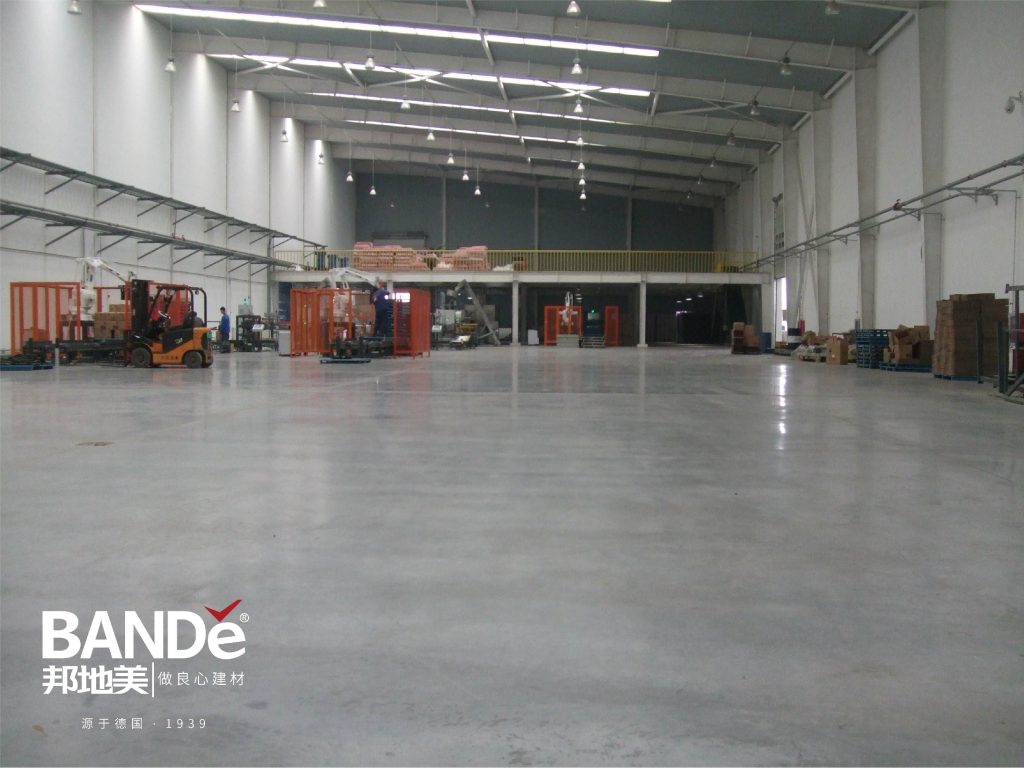
Concrete forms the backbone of many modern homes, from sturdy driveways to inviting patios. Yet, these essential surfaces inevitably face daily wear and tear. So, how do you protect your investment and ensure its longevity, especially with the evolving demands of 2025? The essential solution is a reliable concrete sealer. Choosing the right one can feel confusing, with so many options available. Don’t fret; we will demystify these choices, guiding you to the best pick for your home, featuring BANDě Concrete Sealer.
Key Takeaways
Sealing concrete protects it from daily wear, enhances its look, and prevents moisture damage, making it last longer.
Choose between penetrating sealers, which soak into the concrete for long-lasting protection, and film-forming sealers, which create a surface layer for a specific finish.
Consider your concrete’s type, location, and desired look, along with your local climate, to pick the best sealer.
Proper surface preparation is vital for any sealer to work well and last a long time.
Reapply concrete sealer every 3-5 years, or when you notice signs of wear, to keep your surfaces protected.
Why Seal Your Concrete?
Protecting Against Wear and Tear
You invest a lot in your home’s concrete surfaces. Think about your driveway, patio, or garage floor. They face constant challenges from foot traffic, vehicles, and even garden furniture. Without proper care, these surfaces can quickly show signs of wear, such as cracks, chips, and abrasion. Applying a quality concrete sealer creates a robust layer of surface protection. This barrier shields your concrete from daily stresses, helping it withstand the rigours of everyday life. You will notice your concrete looking newer for longer.
Enhancing Aesthetic Appeal
Sealing your concrete does more than just protect it; it also makes it look fantastic. You can prevent colour fading caused by harsh weather and UV rays, keeping your concrete vibrant and sophisticated. Many clear concrete sealers can even create a ‘wet-look’ finish. This deepens and enhances the concrete’s natural colour, revealing its true beauty. You can choose between glossy or matte finishes, boosting your property’s aesthetic value. This also reflects professionalism, especially for businesses. Sealed concrete is also much easier to clean and maintain, contributing to a pristine and well-kept appearance. Ultimately, sealing adds curb appeal and property value, making your home more attractive to potential buyers or tenants.
Preventing Moisture and Stains
Concrete is porous, meaning it has tiny holes that can absorb liquids. This makes it vulnerable to moisture damage and staining from oil, grease, chemicals, and even spilled drinks. Sealing your concrete is an effective method for preventing water from penetrating beneath the concrete slab, thereby helping to prevent damage. While sealants may not completely obstruct pores, careful application provides excellent surface protection against moisture and other liquids.
Topical Sealers create a protective film on the concrete surface, forming a continuous barrier that prevents water, chemicals, and contaminants from reaching the underlying concrete. Penetrating Sealers go deep into concrete pores (3-5mm). They react with the concrete’s chemistry to form permanent protective barriers. These chemically bond with concrete components to create hydrophobic barriers that repel water while allowing moisture vapour to escape.
Extending Concrete Lifespan
Ultimately, sealing your concrete is about making it last. By protecting against wear and tear, enhancing its look, and preventing moisture and stains, you significantly extend the life of your concrete surfaces. You avoid costly repairs and replacements down the line. This simple step ensures your concrete remains strong, functional, and beautiful for many years to come.
Types of Concrete Sealers
When you are looking to protect your concrete, you will find two main types of concrete sealers: penetrating and film-forming. Understanding their fundamental differences helps you pick the right one for your home. Let’s explore what each type offers.
Penetrating Concrete Sealers
Imagine a sealer that soaks right into your concrete, becoming part of it. That is exactly what penetrating sealers do! These sealers, like silanes and silicates, go deep into the concrete’s pores. They react chemically with the concrete to form a permanent barrier inside. This means your concrete keeps its natural look; you will not see a shiny film on top. Penetrating sealers are fantastic for creating a strong defence against moisture, salt, and environmental elements. They are a popular choice for outdoor areas like driveways, patios, and other places where you want long-lasting protection without changing the surface appearance. These penetrating sealers are incredibly durable and can protect your concrete for many years, making them ideal for high-traffic spots.
Film-Forming Concrete Sealers
Now, think about a sealer that creates a protective layer on the surface of your concrete. These are film-forming sealers, which include acrylic, polyurethane, and epoxy options. They form a visible film that can really enhance your concrete’s appearance, offering finishes from glossy to matte. This surface film provides excellent resistance against weather exposure, water damage, and stains. You will find film-forming sealers used in both homes and businesses because they offer great aesthetic appeal and stain resistance. However, because they sit on top, film-forming sealers can wear off over time. You might need to reapply them periodically to maintain their protective qualities and beautiful finish. The key differences lie in how they protect and how they look.
Exploring Sealer Formulations
Beyond the broad categories, concrete sealers come in various chemical formulations. Each offers unique benefits. You will also find them as water-based sealers or solvent-based sealers. Water-based sealers are generally more eco-friendly and have lower odours. Solvent-based sealers often offer deeper penetration and enhanced durability. Let’s look at the specifics.
Acrylic Sealer Properties
Acrylic sealers are a popular choice for many homeowners. They offer superior durability and weather resistance. These sealers are formulated to withstand extended sunlight without yellowing or cracking. They maintain film elasticity, which helps them accommodate concrete slab movement. You will find acrylic sealers reduce ongoing maintenance costs and extend surface life. They act as a physical shield against abrasion and surface degradation. Acrylic sealers also prevent water penetration, reducing risks of cracking and flaking. They resist dirt, oil, and common household spills, making cleaning simple. You can use acrylic sealers on household floors and driveways. Many acrylic sealers are water-based sealers, making them easy to apply. However, you can also find solvent-based sealers in acrylic formulations for tougher jobs. These acrylic sealers provide durable protection with good performance-to-cost returns.
Polyurethane Sealer Durability
When you need serious toughness, consider polyurethane sealers. These sealers offer exceptional durability. They withstand extreme temperatures, moisture, and UV exposure. Polyurethane sealers create a waterproof film, preventing liquids from damaging your concrete. They also shield surfaces from harsh chemicals and strong cleaning products. You will find polyurethane sealers offer high resistance to chemicals, solvents, and oils. This makes them suitable for demanding applications. They form a durable bond with the concrete, ensuring long-lasting protection. Many polyurethane sealers are solvent-based sealers, offering robust performance. However, you can also find water-based sealers in polyurethane options. These polyurethane sealers resist yellowing and fading, keeping your surface looking great.
Epoxy Sealer Strength
Epoxy sealers are incredibly strong. They can withstand significant abuse from dropped tools, leaking fluids, and chemical spills. This makes them ideal for industrial facilities like warehouses and auto shops. Epoxy sealers are highly resistant to scratching and staining. They ensure your concrete surfaces stay in good condition for years. These sealers are non-porous and easy to clean, even from oil and grease. You can apply epoxy sealers to any concrete surface, including driveways and indoor floors. They offer aesthetic versatility with many design options. While often solvent-based sealers, some epoxy formulations are available as water-based sealers.
Silane and Siloxane Water Repellency
Silane and siloxane sealers work differently. They penetrate deep into the pores of concrete and masonry surfaces. This creates a bonded hydrophobic lining within the pores. This process makes the treated surface highly resistant to moisture and salt. These silane sealers repel water and resist staining. They still allow water vapour to escape, letting the substrate ‘breathe’. You can use silane sealers on footpaths, traffic-bearing surfaces, bricks, concrete, and pavers. They do not alter the appearance of your surface. These are typically solvent-based sealers, designed for deep penetration. Some water-based sealers also use silane or siloxane technology for effective water repellency.
Comparing Concrete Sealer Options
You have explored the different types and formulations of concrete sealers. Now, let’s look at their practical implications. Understanding the key differences between these options helps you make an informed decision for your home. We will compare them based on durability, application, appearance, and overall value.
Durability and Lifespan
Penetrating sealers, like silanes and siloxanes, offer exceptional long-term durability. They become an integral part of the concrete, often lasting 10-20 years without reapplication. Film-forming sealers, such as acrylics, polyurethanes, and epoxies, create a surface layer. Their lifespan varies; epoxies and polyurethanes are incredibly tough, lasting many years, especially in high-traffic areas. Acrylics typically require reapplication every 3-5 years. Your choice depends on the level of wear your concrete experiences.
Application and Maintenance
Applying concrete sealer requires careful preparation. You must clean, etch, or repair the surface first. Then, you apply the sealant using various techniques.
Method | Advantages | Disadvantages | Notes |
|---|---|---|---|
Roller | Precise control, even application, less overspray, good for beginners | More time-consuming for large areas, requires more physical effort | Minimises risk of over-application or uneven coverage |
Sprayer | Faster application for large areas, ideal for experienced users | Higher likelihood of overspray, streaks, steeper learning curve, more expensive to purchase/rent | Requires careful technique to achieve even application |
Broom | Can provide a more even finish on rougher textured concrete | Ensure broom is solvent-resistant (ideally natural hair) | Most concrete sealers can be applied this way |
After application, allow the sealant to cure according to manufacturer guidelines. This forms a durable protective barrier. Typically, you need 2-4 hours between coats. Allow 12-24 hours before foot traffic and 7 days for vehicle traffic. This prevents ‘hot tyre pickup’. Concrete surfaces generally require resealing every 3-5 years. Proper surface preparation is crucial before applying the sealant. This ensures even adhesion and an extended lifespan.
Aesthetic Finishes
The finish a sealer provides can dramatically change your concrete’s look. You have many options:
Clear high-gloss (wet look)
Smooth finish
Gloss finish
Super gloss finish
Satin finish
Some acrylic penetrating sealers even come in a gloss finish that also colours your concrete. You can also achieve decorative colour finishes with certain concrete sealers.
Cost-Effectiveness
Consider both the initial purchase price and the long-term value. Penetrating sealers might have a higher upfront cost. However, their extended lifespan means fewer reapplications, saving you money over time. Film-forming sealers, especially acrylics, are often more affordable initially. Yet, their need for more frequent reapplication adds to the long-term cost. The performance characteristics of each sealer directly influence its overall value. Some water-based sealers offer a good balance of cost and performance. Meanwhile, certain solvent-based sealers provide superior durability for demanding applications, justifying their higher price.
Choosing the Right Concrete Sealer for 2025
Making the best choice for your concrete surfaces in 2025 means thinking about several key factors. You want to pick a concrete sealer that truly meets your home’s specific needs. Let’s walk through what you need to consider to choose the right concrete sealer.
Assessing Concrete Type and Condition
Before you even think about sealers, take a good look at your concrete. Is it brand new, or has it been around for a while? Does it have cracks, stains, or is it generally in good shape? New concrete might need a different approach than older, more porous surfaces. The condition of your concrete directly impacts how well a sealer will adhere and perform. For instance, very porous concrete might benefit more from a penetrating sealer, while a smooth, well-maintained surface could look fantastic with a film-forming option.
Considering Location and Usage
Where is your concrete, and what does it do every day? This is a huge factor when you are choosing the right sealer.
Indoor vs. Outdoor: For indoor areas with limited ventilation, water-based topical sealers are often better. They dry faster and have fewer odours. For outdoor projects, especially those facing extreme weather, solvent-based sealers usually offer deeper penetration and better performance. They do have longer drying times and stronger odours, though.
Driveways: These areas see heavy vehicle traffic and often face harsh weather. Penetrating sealers are excellent here. They work from within the concrete, protecting it from moisture and environmental factors without leaving a surface film that can show tyre marks from vehicle heat. Polyurethane sealers also offer exceptional durability and UV resistance, making them great for driveways that endure intense sun exposure and heavy use. If you live somewhere with freezing and thawing cycles, silane sealers are very effective. They create a hydrophobic barrier that repels water, preventing issues like chipping and breaking.
Patios, Walkways, and Pool Decks: These outdoor surfaces need protection from UV rays, moisture, and temperature changes. Film-forming sealers like acrylic and polyurethane types are versatile choices. Polyurethane sealers are particularly good because they can stretch and shrink with concrete temperature changes, which helps prevent cracking.
Garage Floors: You need chemical resistance here. Epoxy sealers are incredibly strong and resist chemicals well. However, remember they can become slippery when wet, so they are less ideal for outdoor use where slip resistance is critical.
Decorative Concrete: If you have a stamped patio or coloured concrete, you will want a sealer that enhances its colour and provides a beautiful glossy or satin finish.
Industrial Facilities: For areas with heavy machinery like forklifts, high-build epoxy systems are specifically rated to handle such loads.
Desired Finish and Performance
What do you want your concrete to look like, and how do you need it to perform?
Aesthetic Finish: You have many choices! Do you prefer a clear high-gloss “wet look”, a smooth finish, a satin finish, or even a decorative colour? Your desired look will guide your sealer choice.
UV Stability: This is crucial, especially for outdoor surfaces. You need a sealer that resists UV exposure to prevent degradation and discolouration from sunlight. Topical sealers, in particular, need good UV stability to avoid yellowing or fading over time. Epoxy coatings can be prone to yellowing if exposed to UV rays, and polyurethane can also show discolouration.
Slip Resistance: Safety first! A slip and skid-resistant surface is essential, especially in wet conditions around pool surrounds, driveways, or walkways. You can often add anti-slip additives to film-forming sealers.
Durability and Abrasion Resistance: How much wear and tear will your concrete face? For high-traffic areas, you need a sealer with high mechanical resistance and good abrasion resistance. Epoxy or urethane coatings are often recommended for their ability to withstand physical stress and friction.
Chemical Resistance: If your surface might encounter spills or harsh substances, good chemical resistance is vital. Epoxy and urethane coatings are well-known for guarding against damage from chemicals, oil, and other contaminants.
VOC Levels: Consider the Volatile Organic Compound (VOC) levels. Lower VOC formulas are better for environmental compliance and reduce odours during application, especially for indoor use.
Environmental Factors and Climate
Your local climate plays a massive role in how your concrete sealer performs. Australia’s diverse climate zones, including Melbourne’s temperate oceanic climate with its variable weather, hot dry summers (often over 35°C), cool winters with frost, and frequent changes, demand resilient concrete finishes.
Temperature Fluctuations: Concrete expands and contracts with temperature changes. This thermal cycling stress can impact sealer performance. Penetrating sealers are often more effective in high-temperature environments than topical coatings because they are less likely to fail from thermal stress.
UV Radiation: Intense UV radiation, common in Australian summers, can lead to surface degradation if you choose a poor sealer. Quality decorative concrete finishes need UV-resistant sealers and pigments to maintain their colour and protective properties.
Moisture and Precipitation: Variable precipitation, like Melbourne’s average 650mm annual rainfall concentrated in winter, means you need moisture-resistant sealers and proper drainage. Sealers create a waterproof barrier, preventing water from seeping into concrete, which can cause cracks, stains, and mould. This is especially important in areas prone to freezing and thawing, where water ingress can lead to significant damage. Locally made sealers are often formulated to withstand these unique environmental factors, offering long-lasting protection against harsh weather, resistance to efflorescence, and superior bond strength.
Budget and Long-Term Value
Finally, think about your budget, but also consider the long-term value.
Factor | Water-Based Sealers | Solvent-Based Sealers |
|---|---|---|
Upfront Cost | Slightly less expensive | Higher upfront cost |
Coverage | Less area per litre | Often cover more area |
Longevity | Shorter lifespan | Last longer |
Maintenance | Saves on cleanup/tools | Higher maintenance costs |
Long-term Value | Lower long-term value | Better long-term value |
While water-based sealers might seem cheaper initially, they often cover less area per litre and have a shorter lifespan. This means you might need to reapply them more frequently, which adds to your long-term costs. Solvent-based sealers typically have a higher upfront cost but often cover more area and last longer, offering better long-term value. For continued protection and shine, resealing is generally recommended every 5–7 years. You can expect a typical lifespan of 10–15 years for residential areas and 7–10 years for commercial floors, depending on the sealer type and traffic.
Applying Your Concrete Sealer
You have chosen the perfect concrete sealer for your home. Now, let’s get it on the surface! Proper application is key to getting the best results and making your concrete last.
Essential Surface Preparation
Before you even open that can of concrete sealer, you need to prepare your concrete. This step is crucial for good adhesion and a long-lasting finish.
Cure New Concrete: If you have freshly poured concrete, let it harden for at least 28 days. This prevents issues like cracking.
Clean and Degrease: Scrub the concrete floor with detergent, water, and a brush. This removes dirt, dust, grease, oil, or other contaminants. Use a degreaser if you need to.
Rinse Thoroughly: Use plenty of water to completely rinse off all detergent and degreaser. Keep the floor damp for the next step.
Acid Etch: Spread a diluted solution of one part hydrochloric acid to four parts water over the concrete. Let it sit until bubbling stops. This means the concrete is etched, creating a texture like fine sandpaper for better sealer adhesion.
Rinse Acid Solution: Immediately and thoroughly rinse the acid solution off with clean water. Do not let the solution dry, as salts will be difficult to remove.
Ensure Proper Temperature: Apply sealer when both the concrete and air temperatures are moderate and close to each other. This prevents blisters and bubbles in the sealer.
Application Techniques
Once your surface is ready, you can apply the sealer. Always follow the manufacturer’s instructions for your specific product.
Roller: This method gives you precise control and an even application. It is great for beginners and reduces overspray. It might take longer for large areas, though.
Sprayer: If you have a large area and some experience, a sprayer is faster. Be careful, as it can lead to overspray or streaks if you are not precise.
Broom: You can use a solvent-resistant broom (ideally natural hair) for a more even finish on rougher concrete textures.
Curing and Reapplication
After applying your concrete sealer, allow it to cure properly. This forms a durable protective barrier. You typically need 2-4 hours between coats. Allow 12-24 hours before foot traffic and 7 days for vehicle traffic. This prevents ‘hot tyre pickup’.
For water-based concrete sealers, the first coat usually dries within 6-12 hours. You can then apply a second thin coat, and a third might be necessary for very porous surfaces. The final coat should dry completely before you use the concrete again. This can take one to two days, depending on the weather. If you are driving a car over the newly sealed concrete, wait at least three days. When applied correctly, water-based concrete sealers generally do not require reapplication for about five years, though this can vary based on maintenance.
You will know it is time to reapply when you see:
Visible wear and tear like fading, scratches, or scuffs.
Water quickly soaking into the concrete instead of beading up.
Peeling or flaking where the sealer has lifted away.
Discolouration or yellowing on the surface.
A loss of shine, making the concrete look dull.
The surface feeling rougher than usual.
You have now explored how vital concrete sealing is and the many choices available. Picking the right concrete sealer is a crucial investment for your home’s look and longevity. Remember to consider your concrete type, location, desired finish, and climate for an informed decision. For reliable surface protection in 2025, BANDě Concrete Sealer stands out. It offers quality and suits diverse needs. Explore BANDě’s range today and choose with confidence!
FAQ
Can I apply concrete sealer myself?
Yes, you can! Proper surface preparation is key. Clean your concrete thoroughly first. Then, follow the manufacturer’s instructions carefully. You can use a roller or sprayer for application. Take your time for the best results.
How often should I reseal my concrete?
You should typically reseal your concrete every 3-5 years. This depends on the sealer type and how much traffic it gets. Look for signs like fading or water no longer beading up. These tell you it is time for a fresh coat.
What is the difference between water-based and solvent-based sealers?
Water-based sealers are more eco-friendly. They have fewer odours and dry faster. Solvent-based sealers often penetrate deeper. They offer enhanced durability. Your choice depends on your project and preferences.
Will a concrete sealer make my surface slippery?
Some film-forming sealers can become slippery when wet. You can add anti-slip additives to many sealers. This improves traction. Always consider slip resistance, especially for outdoor areas like patios or pool surrounds.
Can I seal old concrete?
Absolutely! You can seal old concrete. First, clean it thoroughly. Remove all dirt, oil, and stains. Repair any cracks or damage. Proper preparation ensures the sealer adheres well. This revitalises your old surfaces.
See Also
Selecting the Optimal Concrete Protective Sealer: An Indispensable Handbook
A Thorough Buying Guide to Concrete Densifiers, Hardeners, and Sealers
Choosing the Ideal BANDě Concrete Patching Compound for Your Endeavour
The Definitive Guide to Cement Crack Sealer for Enduring Repairs
Picking the Flawless Flexible Waterproof Sealer for Diverse Projects
