

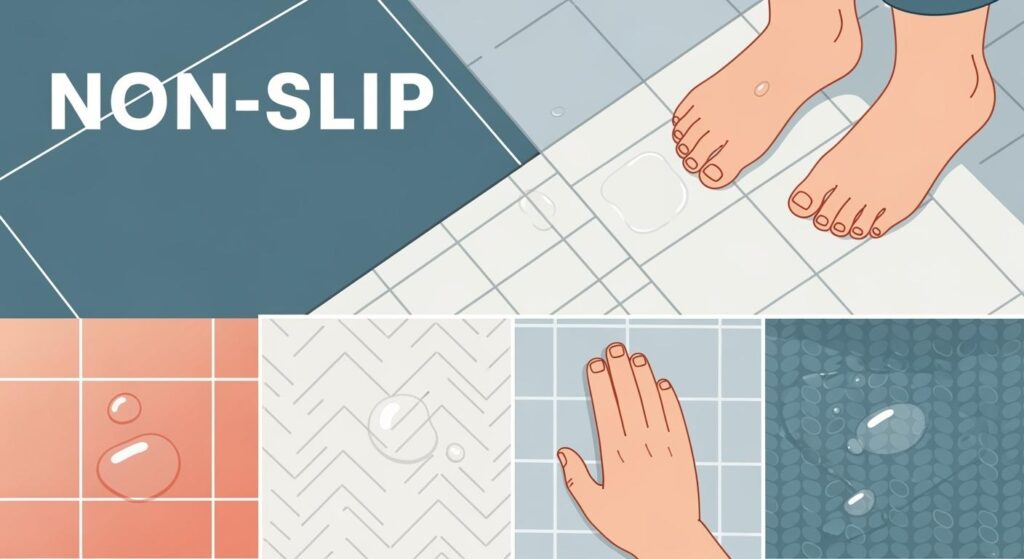
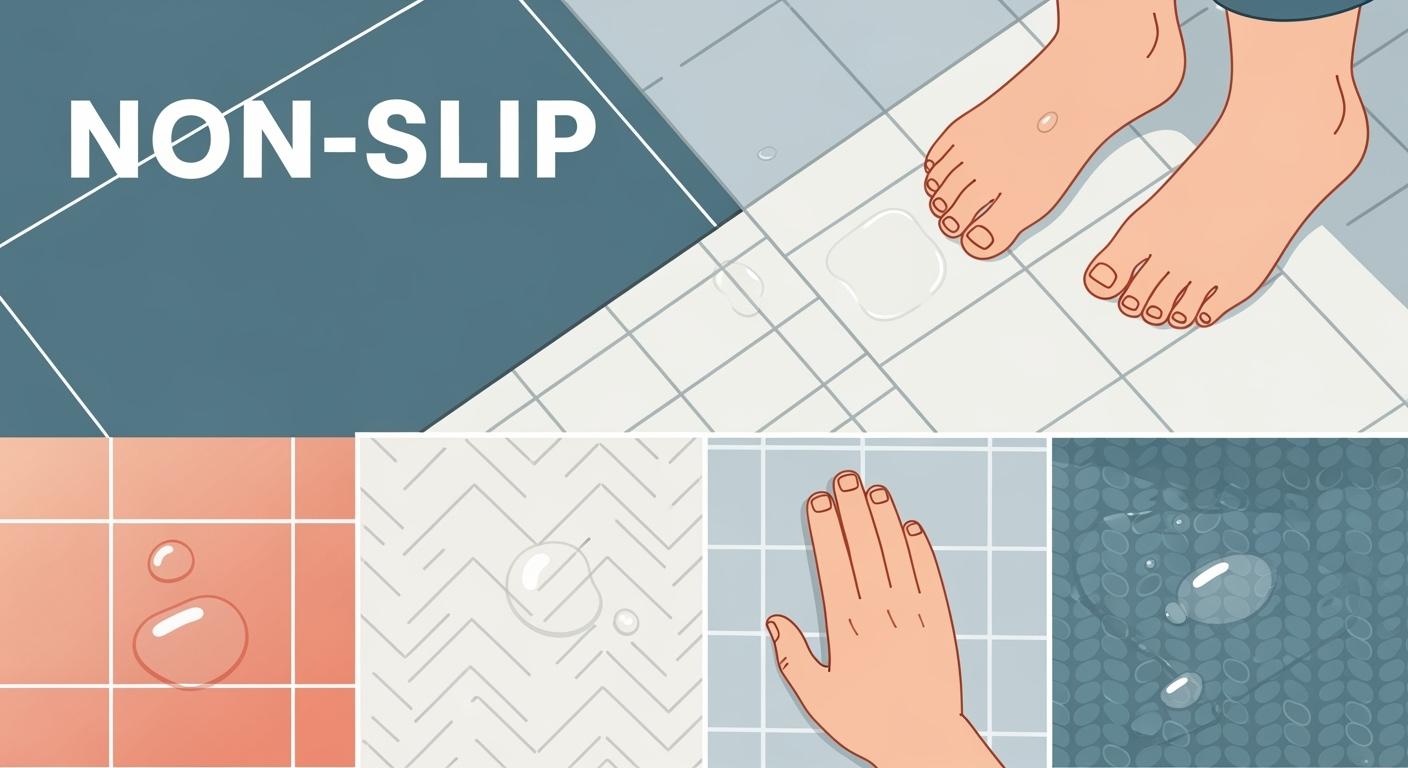
Slippery surfaces in your home pose a hidden danger. Slips and falls cause serious injuries, particularly in bathrooms, kitchens, and on stairs. You need effective anti-slip solutions. Non-slip tiles and anti-slip treatments offer crucial safety. These non-slip options provide vital slip resistance. Consider non-slip bathroom tiles or anti-slip for tiles for safe flooring.
Key Takeaways
Understand slip ratings like P-values to choose safe tiles. P3 is good for general bathrooms. P4 or P5 is best for wet shower areas.
You can make existing tiles safer. Use chemical treatments or anti-slip coatings to add grip to your current floors.
Clean non-slip tiles with mild cleaners. Avoid waxes or polishes. These products can make your tiles slippery again.
Understanding Slip Resistance
Understanding slip resistance is vital for your home’s safety. It helps you choose the right flooring to prevent accidents. This section explains how slips and falls happen and how to interpret ratings for non-slip solutions.
The Science of Slips and Falls
Slips occur when your foot loses traction with the ground. This often happens on highly polished, wet, dirty, or greasy floor surfaces. Unsuitable footwear can also contribute. A lack of friction between your footwear and the surface is the main culprit. Falls can then happen if you cannot regain your balance after a slip or trip. Poor lighting also increases the risk of these incidents. Ensuring good slip resistance is key to preventing such accidents.
Slip Rating Standards: R-values, P-values, COF
You need to understand different rating systems to assess slip resistance. The P-rating, from the Wet Pendulum Test, measures a tile’s grip when wet. Ratings range from P0 (lowest grip) to P5 (highest grip). This is very relevant for areas like bathrooms. The R-rating, from the Oil-Wet Ramp Test, assesses slip resistance on oily surfaces. It is more common in commercial settings but can be useful if your tiles might encounter oils. COF, or Coefficient of Friction, is another measure of friction between two surfaces. These tests help you gauge the inherent slip resistance of various tiles.
Interpreting Slip Ratings for Home Use
When choosing tiles for your home, these ratings guide your decisions. For general bathroom floors, a P3 rating offers appropriate slip resistance. However, for showers and other wet zones, you should strongly consider P4 or P5 non-slip tiles. For powder rooms or guest bathrooms, a P3-rated matte tile is usually sufficient. Family bathrooms, with higher traffic and more splashes, benefit from P4–P5 rated tiles for better grip and enhanced safety. In shower areas, opt for P4 or P5 anti-slip shower tiles in smaller formats, like mosaics. These smaller tiles create more grout lines, which significantly increases traction and overall slip resistance. This ensures you have effective anti-slip protection where you need it most.
Types of Non-Slip Tiles
You have many options when choosing tiles that inherently offer slip resistance. This section explores different materials and designs, helping you find the perfect non-slip flooring for your home.
Naturally Slip-Resistant Tile Materials
Some tiles naturally provide excellent slip resistance due to their composition and texture. For example, limestone tiles have a naturally rough texture, making them great for wet areas. Travertine tiles also offer superb grip with their naturally pitted surface, ideal for places like poolside patios. Granite tiles are very durable and naturally non-slip, perfect for both indoor and outdoor wet zones. Terrazzo tiles, made from various natural stones, give you a gritty surface that boosts their slip resistance. Slate tiles are another fantastic choice; their natural texture significantly improves slip resistance, especially in bathrooms and on patios. These natural stone tiles are inherently anti-slip and provide great flooring solutions.
Textured and Profiled Non-Slip Tiles
Manufacturers also design tiles specifically for enhanced grip. Many non-slip ceramic tiles incorporate an abrasive grip directly into their glaze during production. Other tiles feature specially textured surfaces to increase friction. You will find profiled surfaces with deliberate patterns like raised dots, pyramids, or ribs. These designs increase the surface profile, making the tiles much more anti-slip. This extra texture helps prevent slips, giving you safer non-slip flooring.
The Role of Grout in Slip Prevention
Grout plays a surprisingly important role in slip resistance. When you choose smaller tiles, like mosaics, you get more grout lines. These increased grout lines offer additional grip, significantly enhancing slip resistance. This is why mosaic tiles are so beneficial for walk-in shower floors. They create a naturally anti-slip surface. So, when you are looking for non-slip bathroom tiles or non-slip bathroom floor tiles, consider how the grout lines contribute to overall safety.
Anti-Slip Treatments for Tiles
You might already have beautiful tiles in your home, but perhaps they lack the necessary slip resistance. Do not worry! You can enhance the safety of your existing tiles with various anti-slip treatments. This section explores solutions that improve the grip on your current flooring, making your home much safer.
Chemical Etching and Surface Modification
Chemical etching offers a fantastic way to boost the slip resistance of your existing tiles. This treatment involves applying a specialised solution to the tile surface. The solution creates microscopic pores or changes the surface structure. These tiny alterations increase friction, giving you better grip, especially when the tiles are wet. This process does not usually change the appearance of your tiles, which is a big plus. It is a permanent modification to the tile itself, providing long-lasting anti-slip properties. This treatment works well on many types of tiles, including glazed ceramic, vitrified, quarry tiles, polished granite, terrazzo, marble, concrete, and slate. You can use it in high-risk areas like foyers, showers, bathrooms, and kitchens.
Anti-Slip Coatings and Sealants
Anti-slip coatings and sealants provide another effective method to improve the slip resistance of your tiles. These products add a new layer to the surface, specifically designed to increase friction. You apply them directly to your existing tiles. Many of these anti-slip coatings offer multi-year protection, often with performance guarantees lasting up to five years. This gives you great peace of mind. These treatments are incredibly versatile; you can use them on various surfaces, including marble, concrete, and even timber, not just tiles.
For example, you can find specialised anti-slip coatings like BANDě and Stellmann Non-Slip, which are certified for their effectiveness. Other excellent options include:
Anti-slip Liquids:
GripFactory Anti-Slip Tile Spray
GripFactory Anti-Slip UltraGrip
Anti-slip Coatings:
GripFactory Anti-Slip SaniGrip
GripFactory Anti-Slip TitaniumGrip
UV Grip
After applying an anti-slip treatment, you should also consider sealing the area. Products like Shield It or Aqua Repello offer long-term protection against staining. They do this without affecting the appearance or the new slip resistance qualities. This ensures your tiles remain both safe and beautiful.
DIY vs. Professional Application
You have two main choices when applying anti-slip treatments: do it yourself or hire a professional. Each option has its own set of advantages and disadvantages.
Feature | Professional Anti-Slip Applications | DIY Anti-Slip Applications |
|---|---|---|
Expertise & Experience | Trained professionals possess extensive knowledge, skills, tools, and techniques for exceptional results; they identify and address potential issues. | You lack professional expertise, which leads to potential errors and suboptimal outcomes. |
Material Quality | Professionals access top-quality materials and cutting-edge technology (e.g., Dulux Avista range), ensuring superior adhesion, durability, and appearance. | You may lack the knowledge to choose suitable materials, potentially compromising quality and longevity. |
Techniques & Equipment | Professionals employ advanced techniques and specialised equipment (e.g., texture spray guns, hopper gun spray units) for precision, consistent textures, and durable finishes (e.g., slip-resistant orange peel textures). | You have limited access to specialised equipment and techniques, making it challenging to replicate professional finishes. |
Customisation | Professionals offer endless possibilities with various colours, patterns, textures, intricate stencils, flecked designs, and decorative borders. | You have limited customisation options due to restricted access to materials and technical skills. |
Time & Cost Efficiency | Professionals provide swift, efficient services, minimising disruption; they involve a higher initial investment but considerable long-term savings due to low-maintenance, highly durable treatments. | You face a lengthy trial-and-error process; initial cost savings can be offset by potential mistakes and the need for frequent touch-ups, leading to higher long-term costs. |
Warranty & Aftercare | Professionals offer comprehensive warranties on workmanship and materials; they provide aftercare services like sealing and maintenance advice. | You typically only get a product warranty, lacking comprehensive service guarantees. |
Surface Preparation | Professionals handle surface preparation with precision, ensuring correct adhesion and preventing peeling, cracking, or early deterioration. | Your preparation is often inadequate, leading to poor adhesion and compromised surface integrity. |
Application Consistency | Professionals achieve a uniform finish with experience and precision. | You often get uneven textures, colour variations, and areas of weakness. |
A basic DIY epoxy application can leave your slippery surfaces quite hazardous when wet. To address this safety concern, especially in areas prone to spills or moisture, you need anti-slip additives. This adds extra cost and effort for DIYers. This is a crucial consideration for you if you have children or elderly family members, or if your business experiences frequent spills. While a DIY slippery tile treatment might seem cheaper initially, the long-term costs and potential safety risks often make professional anti-slip treatments a more sensible investment. You get superior slip resistance and peace of mind with a professional application.
Choosing the Best Anti-Slip Solution for Your Home
You want to make your home safer. Choosing the right anti-slip solution for each area is key. Different rooms have different needs. You need to think about traffic, wetness, and how things look. This guide helps you pick the best non-slip options for every part of your house.
Non-Slip Bathroom Tiles: Prioritising Grip
Your bathrooms are often wet. This makes them high-risk areas for slips. You must prioritise grip here. For general bathroom floors, you should look for non-slip bathroom tiles with at least a P3 slip rating. This gives you good slip resistance. However, for wet zones like showers and around baths, P4–P5 rated non-slip bathroom tiles are ideal. These offer the highest level of slip resistance.
Consider mosaic tiles for your shower floors. They are a wise choice. Their extra grout lines significantly enhance grip. This makes them very effective anti-slip bathroom floor tiles. When you choose the best non-slip bathroom tiles, think about the level of wetness. For example, a family bathroom needs more grip than a guest toilet. You want the best finishes for non-slip bathroom floor tiles to ensure lasting safety. Always aim for P4 or P5 for shower areas. This ensures maximum safety.
Kitchens and Utility Areas: Balancing Safety and Cleanliness
Kitchens and utility rooms see a lot of spills and heavy foot traffic. You need flooring that balances safety with easy cleaning. Choose slip-resistant tiles that keep traction even when wet. These tiles must also handle daily wear and tear. Materials like rubber, vinyl, or epoxy are popular choices. They are durable and offer good slip resistance.
You also need regular cleaning. Set up a consistent schedule for sweeping, mopping, and deep cleaning. Make sure everyone knows how to clean properly. Keep floors dry to reduce slips and falls. Store cleaning supplies where they are easy to reach. This helps keep your kitchen and utility areas safe and clean.
Outdoor Patios and Pathways: Durability and Weather Resistance
Outdoor areas face tough conditions. Your outdoor tiles need to be very durable and weather-resistant. They must withstand everything from strong sun to heavy rain. This ensures they last a long time and keep looking good. These tiles also need to handle lots of foot traffic and different climates.
Outdoor tiles must resist fading, staining, and cracking. This is crucial for their longevity. You need slip resistant tiles that can endure all seasons. This keeps your patios and pathways safe year-round.
Living Areas and Hallways: Aesthetics and Subtle Protection
You want your living areas and hallways to look good. You also need them to be safe. You can find non-slip flooring solutions that offer protection without compromising style. Consider durable materials like timber, laminate, or vinyl. They withstand daily use and keep their charm.
For added safety, especially in high-traffic hallways, use non-slip hallway runners. For example, the Suva Coffee Black Non-Slip Hallway Runner has advanced grip technology. It stays secure and adds a sophisticated touch. The Chino Silver Ivory Non-Slip Hallway Runner also has a non-slip backing. Its elegant design enhances your home décor.
A quality underlay is also important. Solutions like Dunlop Comfort Choice make runner rugs last longer and look better. An underlay cushions steps and spreads impact. It also anchors rugs securely, preventing slipping. This is vital in homes with children or elderly family members. Underlay also reduces wear on your rugs and floors. It improves air quality and makes hard floors feel softer. You can also consider anti-slip for tiles or anti-slip treatments for existing hard floors.
Factors: Traffic, Wetness, Aesthetics, Budget
When choosing your anti-slip solution, think about several factors.
Traffic: How many people walk on this floor? High-traffic areas need more durable and slip-resistant options.
Wetness: How often does the area get wet? Bathrooms and kitchens need higher slip resistance.
Aesthetics: Do you want the flooring to match your home’s style? Many non-slip options are also very stylish.
Budget: How much do you want to spend? There are options for every budget, from natural non-slip tiles to anti-slip coatings.
By considering these points, you can choose the best non-slip flooring for every room. This ensures safety and style throughout your home.
Maintaining Your Anti-Slip Surfaces
You have chosen excellent anti-slip solutions for your home. Now, you need to maintain them properly. This ensures their long-term effectiveness. Proper care keeps your non-slip surfaces safe and performing well.
Best Practices for Cleaning Non-Slip Tiles
You need to clean your non-slip tiles correctly. This keeps them effective. First, identify what makes your tiles slippery. You can test two separate tiles. Use an alkaline cleaner on one for fatty acids. Use an acidic cleaner on the other for detergent residue. Rinse well. This helps you see which cleaner works best. If the alkaline cleaner works, fatty acids are the issue. If the acidic cleaner works, detergent residue is the problem. Then, deep clean your tiles with the appropriate solution. Always rinse your tiles thoroughly with clean water. This removes all residues. For routine care, use a mild, pH-neutral cleaner. Sweep or vacuum daily. This removes loose dirt. This helps maintain your non-slip flooring. Remember, proper cleaning keeps your non-slip bathroom tiles safe and effective. These are essential steps for all your non-slip bathroom floor tiles.
Avoiding Products That Reduce Slip Resistance
You must avoid certain products. They can reduce your tiles’ anti-slip properties. Never use waxes or polishes on your non-slip surfaces. These create a smooth film. This makes your tiles slippery again. Also, do not use acidic cleaning agents. They can damage grout. They can also cause hazing on glazed tiles. Bleach can affect silicones. Avoid mixing chemicals unless the manufacturer tells you to. Always use mild, non-abrasive cleaners. This maintains the grip of your anti-slip tiles. This ensures your non-slip bathroom floor tiles stay safe and clean. These are important tips for all your non-slip bathroom tiles.
Longevity of Treatments and Reapplication
How long does your anti-slip treatment last? It depends on the type of treatment. Many anti-slip treatments last about two years. This varies with foot traffic. Proper maintenance extends this significantly. Coating-based treatments might need reapplication every few years. This is especially true in high-traffic areas. Wear and tear happens over time. However, some liquid anti-slip for tiles are ‘once-only treatments‘. They do not need regular reapplication. These can last for years and years. You just need to clean them regularly. This keeps your bathrooms safe. This ensures your non-slip bathroom tiles remain effective. You get long-lasting anti-slip flooring and tiles. This is a great anti-slip solution for slippery surfaces in your bathrooms. You want the best non-slip flooring for your home.
Your home’s safety is paramount. Non-slip tiles and anti-slip treatments prevent dangerous slips and falls. When choosing tiles, consider your specific needs. Look at different types of tiles and effective solutions, like BANDě’s anti-slip treatment for your existing tiles. Make informed choices for safer tiles. Prioritise preventing falls for everyone you love.
FAQ
What slip rating do I need for my bathroom?
You should aim for a P3 rating for general bathroom floors. For wet areas like showers, choose P4 or P5 non-slip tiles. This gives you the best grip.
Can I make my existing tiles non-slip?
Yes, you certainly can! You can use anti-slip treatments like chemical etching or apply special anti-slip coatings. These solutions enhance grip on your current tiles.
How should I clean my non-slip tiles?
Always use mild, pH-neutral cleaners. Avoid waxes or polishes, as these reduce slip resistance. Regular sweeping and mopping keep your tiles safe and effective.
See Also
Achieve Safer Floors: A Simple Guide to Anti-Slip Tile Solutions
Selecting Top Anti-Slip Tile Treatments: Your Essential 2025 Handbook
Home Waterproofing: A Comprehensive Guide to Flexible Sealer Solutions
Protecting Your Home: Essential Moisture Barriers for Walls and Floors
Industrial Floor Protection: The Ultimate Guide to Concrete Sealers
