

Is your patio showing wear from barbecue spills and harsh sun? You need the right concrete sealer from Bunnings. This guide helps you understand sealer types, choose a quality product for your project, and apply it for lasting protection. We simplify your decision for 2025.
Key Takeaways
Protect your patio from grease, beer, and sun damage. Sealing stops stains and fading. It also prevents cracks.
Choose the right sealer for your patio. Penetrating sealers stop stains. Topical sealers protect from UV rays and make your patio look good. Water-based sealers are easier to use.
Clean your patio well before sealing. Apply the sealer when the weather is right. Reapply the sealer every few years to keep your patio protected.
Why Patio Sealing is Essential for Aussie Conditions
The Triple Threat: Grease, Beer, and UV Damage
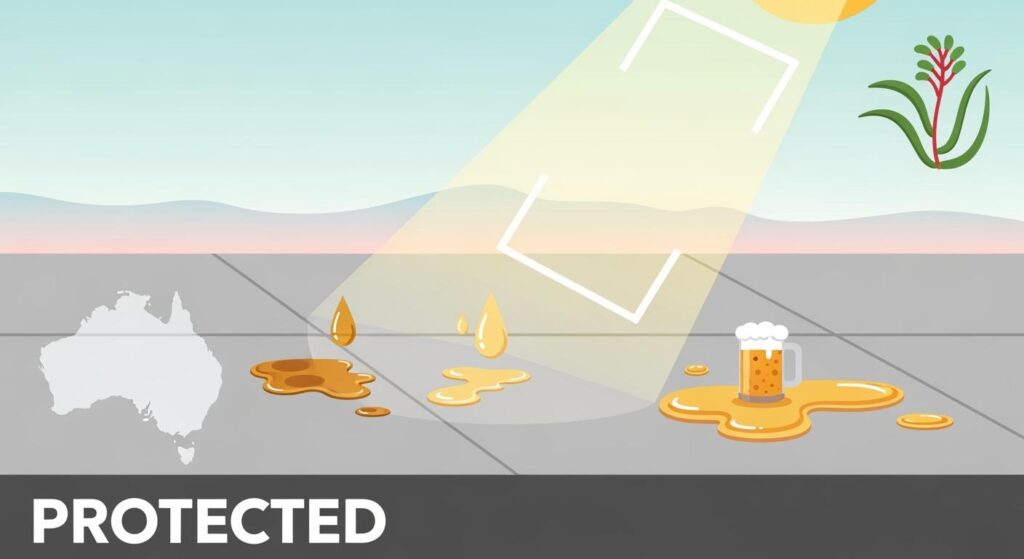
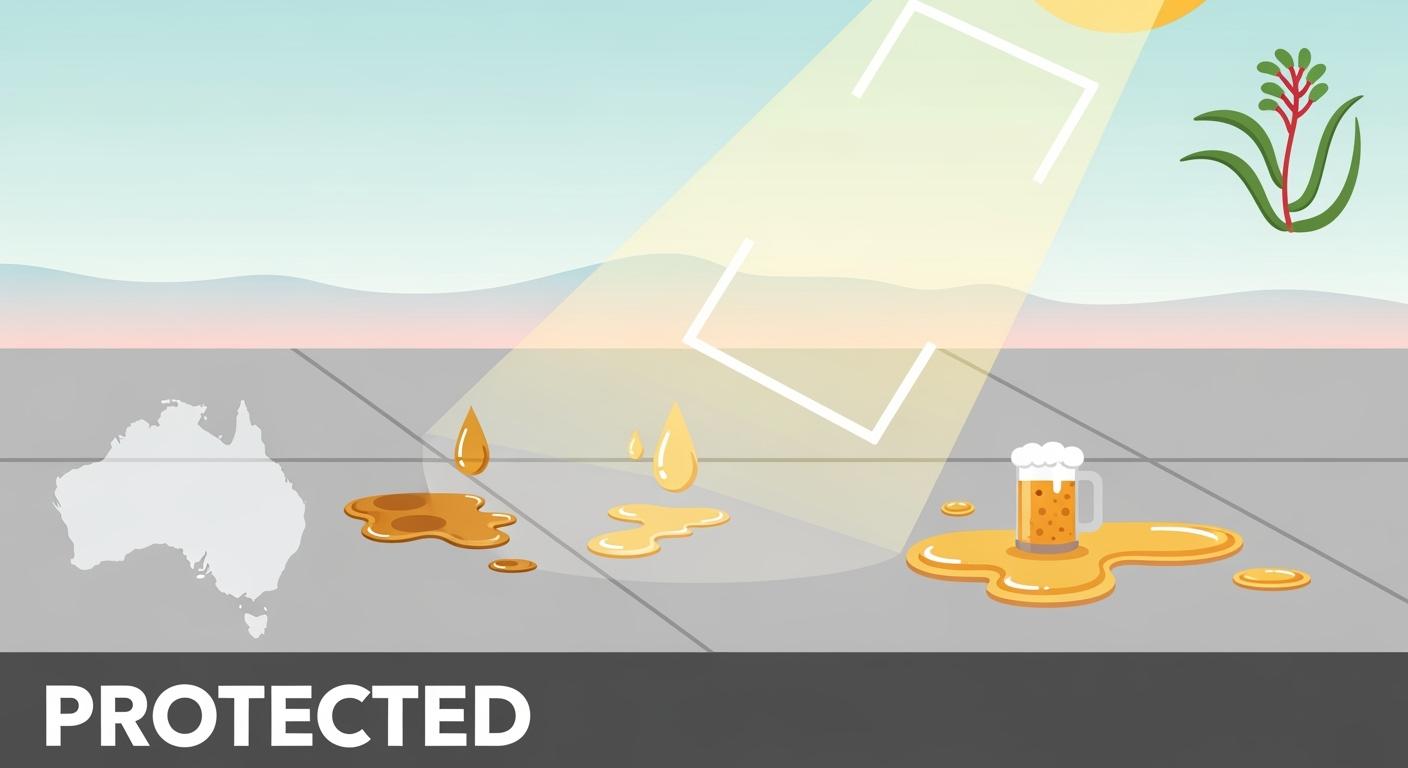
Imagine your beautiful concrete patio after a lively barbecue. You often find stubborn grease stains from dropped sausages or splashes of spilt beer. These common occurrences can leave unsightly marks on your patio, making it look tired and uninviting. Beyond these everyday spills, you also face the relentless Australian sun. Our UV index frequently reaches ‘extreme’ levels, especially during summer. This intense UV radiation can cause significant fading in many coloured concrete surfaces. It also weakens the structural integrity of various building materials, particularly dark-coloured ones constantly exposed to sunlight. You need a solution for protecting concrete from these challenges.
Long-Term Benefits: Preventing Stains, Cracks, and Fading
Sealing your patio offers significant long-term benefits. While plain concrete is known for its longevity, lasting 30 years or more even unsealed, sealing concrete adds an extra layer of defence. It creates a barrier that repels grease and beer, stopping those stains before they set in. This means less scrubbing for you! A good seal also helps prevent moisture penetration, which can lead to cracks over time, especially with temperature fluctuations. Furthermore, it protects against the harsh UV rays, preserving your patio’s colour and overall appearance. This simple project significantly boosts your patio’s durability and maintains its quality for years to come.
Concrete Sealer Types at Bunnings 2025
When you head to Bunnings, you will find various concrete sealing products. Understanding the different types of concrete sealers helps you pick the best one for your patio project. Generally, you will encounter two main categories: penetrating sealers and topical sealers.
Penetrating Sealers: Invisible Protection
Penetrating sealers work by soaking into your concrete. They create an invisible barrier within the concrete’s pores. This means they do not change your patio’s look or feel. You get excellent protection against stains and moisture without altering the surface. For application, you can use a brush for maximum control, a roller for faster coverage on smoother areas, or even a spray for quick, professional results. After applying, you typically need to wait 12-24 hours before walking on it and about 7 days before driving vehicles over it.
Topical Sealers: Surface Protection
Topical sealers, also known as film-forming sealers, create a protective layer on top of your concrete. This layer can enhance your patio’s colour and give it a glossy or matte finish. While they offer great surface protection, you will need to reapply them periodically. Under typical Australian weather conditions, these quality sealers usually require renewal every 2-5 years, though some might last up to 7 years depending on traffic and exposure.
Water-Based vs. Solvent-Based Sealers
You also need to consider if you want a water-based or solvent-based sealer. This choice impacts both application and environmental factors.
Feature | Water-Based Concrete Sealers | Solvent-Based Concrete Sealers |
|---|---|---|
Environmental Impact | Lower VOCs, eco-friendly, less harsh chemical components | Higher VOCs, less environmentally friendly |
Safety Considerations | Less risk to user, low odour, suitable for indoor use | More complex application, potent odour, requires careful handling |
Indoor Air Quality | Unaffected post-application, good for limited ventilation | Can affect indoor air quality due to strong smells |
Water-based options are often easier for DIY enthusiasts. They are simple to apply with common tools like rollers or brushes, and cleanup is a breeze with soap and water. You will find they have a low odour, making them more pleasant to work with, and they dry faster too. Plus, they are eco-friendly with low VOCs, so they are safer for your garden and the environment.
Choosing the Right Sealer for Your Patio
Selecting the perfect sealer for your patio can feel overwhelming with so many options. You need to consider what challenges your patio faces most often. Think about the specific issues you want to address.
Stain Resistance: Prioritising Penetrating Sealers
If you frequently host barbecues or enjoy drinks outdoors, stain resistance should be your top priority. Penetrating sealers are excellent for this. They soak into the concrete, creating an invisible barrier that repels spills. This means oil, grease, and even red wine struggle to penetrate the surface.
For maximum protection against oil and grease stains, you should look for advanced penetrating sealers. For example, some products like “Penetrating Sealer 103” offer a natural look for both inside and outside areas. This type of sealer provides maximum stain protection against oils, foodstuffs, and even airborne pollutants. You can apply it to various surfaces without affecting how slippery they are. Another excellent option is “Elite Shield Penetrating Sealer Max Protection“. This water-based sealer uses advanced fluorinated technology. It works well on natural stone surfaces like bluestone, granite, marble, and sandstone. You can also use it on concrete, grout, and pavers. This sealer gives you an invisible, natural look while providing maximum surface protection against water, red wine, and oil-based contaminants. It shows superior stain resistance against substances such as oil, grease, tea, coffee, and wine.
UV Protection & Enhanced Appearance
The harsh Aussie sun can fade your patio’s colour over time. If you want to keep your patio looking vibrant, you need a sealer with good UV protection. Many topical sealers offer this benefit. They form a protective layer on the surface. This layer often enhances the concrete’s natural colour. You can choose between a glossy finish, which makes your patio shine, or a matte finish, which gives a more subtle, natural look. Consider what aesthetic you prefer for your outdoor space.
Balancing Durability, Look, and Budget
Finding the right sealer involves balancing several factors. You want good durability, an appealing look, and a price that fits your budget. High-quality sealers offer better protection and last longer, but they usually cost more upfront.
Here is a general idea of sealer costs you might find:
Sealer Type | Cost per Litre | Coverage (sqm/L) | Estimated Cost per sqm |
|---|---|---|---|
Solvent-based Acrylics | $30 – $50 | 8 – 10 | $3.00 – $6.25 |
Polyurethanes | $50 – $75 | Varies | Higher |
Epoxy Sealers | $100 – $150 | Varies | Highest |
Film-forming sealers, which offer 4-5 years of durability, typically cost between $5 and $8 per square metre. Sealing a driveway to enhance its durability and appearance typically ranges from $5 to $15 per square metre, depending on the sealer type. Applying a high-quality sealer for polished concrete, essential for longevity, generally costs $3 to $8 per square metre. Remember, investing a bit more in a better sealer can save you money and effort in the long run. It reduces the need for frequent reapplication and extensive cleaning. This makes your sealing project more efficient.
Key Features on Bunnings Product Labels
When you are at Bunnings, you will see many different concrete sealer bunnings products. Look closely at the product labels. They provide crucial information. You should check for:
“Stain Resistance”: This tells you how well the sealer repels common spills.
“UV Stability”: This indicates its ability to resist fading from the sun.
“Finish Type”: It will say if the sealer offers a natural, matte, or glossy look.
“Coverage Rate”: This helps you calculate how much product you need for your patio size.
“Application Method”: It tells you if you can roll, brush, or spray the sealer.
“Drying Time”: This is important for planning your project.
Always read the instructions carefully before you buy. This ensures the product suits your specific needs and expectations.
Best Concrete Sealer Bunnings Recommendations 2025
You have many choices when you look for a concrete sealer bunnings product. This section helps you navigate the options. We highlight specific products that align with your needs for protection, appearance, and budget.
Deep Penetration & Stain Protection
If you want maximum protection against stains, especially from oil and grease, you should look for sealers that penetrate deeply into your concrete. These sealers offer an invisible barrier.
Consider BANDě Concrete Densifier for its exceptional deep penetration. This product works by densifying your concrete, making it much harder and less porous. This process creates maximum stain resistance. It is an excellent choice if you want to stop spills from soaking in.
You should also look at Crommelin DiamondTough Exposed Aggregate & Polished Concrete Clear Sealer. This highly rated option works well for polished concrete surfaces. It penetrates deeply, offering robust protection against stains and wear. This sealer helps maintain the integrity of your concrete, especially if you have a high-traffic area.
Enhanced Look & UV Resistance
Many people want their patio to look great and resist the harsh Australian sun. You can achieve both with the right topical sealer. These sealers often enhance the colour of your concrete and provide a protective layer against UV rays.
For different finishes, you can choose Crommelin 750ml Ornamental Sealer. This product gives your patio a slightly glossy finish, making the colours pop. If you prefer a more natural, subtle look, try Crommelin 1L Natural Finish Sealer (Matt). Both options provide a protective layer while enhancing your patio’s appearance.
You will find Crommelin DiamondCoat Concrete Sealer offers a great balance of appearance and UV protection. This sealer, previously known as DiamondTough Exposed Aggregate & Polished Concrete Clear Sealer, is well-known for its high UV resistance. It also has non-yellowing properties. This means your patio will keep its true colour without discolouration from the sun. You might also see products like Dulux Luxathane HPX, a high-performance polyurethane topcoat known for its excellent gloss and colour retention. It resists UV radiation and chemical exposure, ensuring long durability and minimal maintenance. This type of quality product shows you the level of UV protection available.
Budget-Friendly & Effective Options
You do not always need to spend a fortune to get good protection for your patio. Several effective and budget-friendly options are available. These sealers offer solid performance without breaking the bank.
For a cost-effective, all-round solution, you should consider Berger Jet Dry Active Protect Sealer. This product is a fantastic choice for your sealing project. It offers effective protection at an accessible price. This makes it an economical choice for maintaining your patio.
Here are some key features and benefits you get with Berger Jet Dry Active Protect Sealer:
Active Protect Technology: This offers advanced protection against common patio issues.
Superior Adhesion: It ensures strong bonding to surfaces for long-lasting results.
Enhanced Durability: You get a tough, hard-wearing finish that resists wear and tear.
Quick Drying: This allows for faster project completion and less downtime.
Easy Application: It is designed for straightforward use by DIY enthusiasts.
This sealer also provides several benefits:
Cost-Effective Protection: It delivers high-performance sealing without a premium price tag.
Prolongs Patio Life: It protects against cracking, fading, and deterioration, extending the lifespan of your surface.
Improved Aesthetics: It enhances the appearance of your patio with a clean, uniform finish.
Reduced Maintenance: The durable seal minimizes the need for frequent repairs and cleaning.
DIY Friendly: It simplifies patio maintenance for homeowners looking for an affordable solution.
This best concrete sealer option gives you great value. It helps you protect your patio effectively without overspending.
Preparing Your Patio and Sealer Application
Essential Cleaning: Removing Contaminants
Before you apply any sealer, proper preparation is crucial for your patio. You must ensure the concrete is thoroughly clean and dry. This step is vital for a strong, long-lasting bond. If you have mould, apply a 1:1 bleach-water mix, scrub it, and then rinse. Ensure good ventilation. For mildew, hydrogen peroxide is an eco-friendly alternative; follow similar steps. Applying sealer to wet concrete will prevent proper bonding. This can cause issues like whitening or peeling. For optimal adhesion, your concrete’s moisture content should be below 4.5%. You can check this with a moisture meter after cleaning. This ensures your sealing project starts on the right foot.
Application Techniques for Best Results
You need to apply concrete sealers when the temperature is between 10°C and 32.2°C. Applying outside this range can affect the sealer’s appearance and longevity. High humidity can also prevent proper curing and film formation. Always follow the product instructions for the best quality finish.
Drying Times and Re-coating
After application, your driveway sealant typically needs 24 hours to dry completely. For optimal results, apply it when temperatures are above 14°C and the surface is dry, avoiding rain. While not a permanent solution, you generally need to re-apply driveway sealant every 2-3 years. This depends on wear and tear. The re-sealing process is straightforward, requiring another 24-hour drying period.
Maintenance for a Long-Lasting Seal
To extend your patio’s lifespan, regular concrete maintenance is key. Sweep your patio at least twice a week. Wash the surface with mild detergent and water every two weeks. For deep stains, use an absorbent material like cat litter before scrubbing with a degreaser. You should re-apply sealant every two to three years. Watch for signs like water soaking in instead of beading, or the sealer appearing dirty and worn. These tell you it is time to reseal.
You can now enjoy your outdoor living without worry. Choosing the right concrete sealer bunnings in 2025 means understanding your patio’s needs for grease, beer, and sun. Match these with the correct sealer type for your project. Confidently select and apply your chosen quality sealer. This investment brings long-term benefits. Go and enjoy your protected, beautiful patio!
FAQ
How often should I reseal my concrete patio?
You should reseal your patio every 2-5 years. This depends on the sealer type and how much wear it gets. Watch for water no longer beading on the surface.
Can I apply sealer myself, or should I hire a professional?
You can definitely apply sealer yourself. It is a manageable DIY project. Just follow the product instructions carefully for the best quality finish.
What if my patio already has stains?
You must clean existing stains thoroughly before sealing. Use a degreaser for oil and grease. This ensures your sealing project is successful.
See Also
Safeguarding Your Patio: Preventing Unsightly Oil and Stain Damage
Top Concrete Sealers: Enduring South Africa’s Intense Sun and Heat
Top 10 Concrete Sealants: Ultimate Surface Protection for Your Home
Choosing the Ideal Concrete Sealer: An Essential Protective Guide
BANDě Concrete Sealers: Film-Forming or Penetrating for Australian Climates?
