

Natural stone surfaces bring lasting beauty and value to your spaces. You need proper protection and enhancement to maintain their stunning look and extend their life. This guide helps you find the top 10 stone sealer and enhancer products for 2025. You will make informed choices and get practical application tips.
Key Takeaways
Stone sealers protect your stone from stains and damage. Enhancers make your stone’s color deeper. Some products do both jobs.
Choose a sealer based on your stone type, if it is inside or outside, and the look you want. Always clean the stone well before you apply the sealer.
Apply sealers carefully for the best results. Reapply them every 2 to 5 years. This keeps your stone looking good and lasting longer.
Understanding Stone Sealers and Enhancers
What Are Stone Sealers and Enhancers
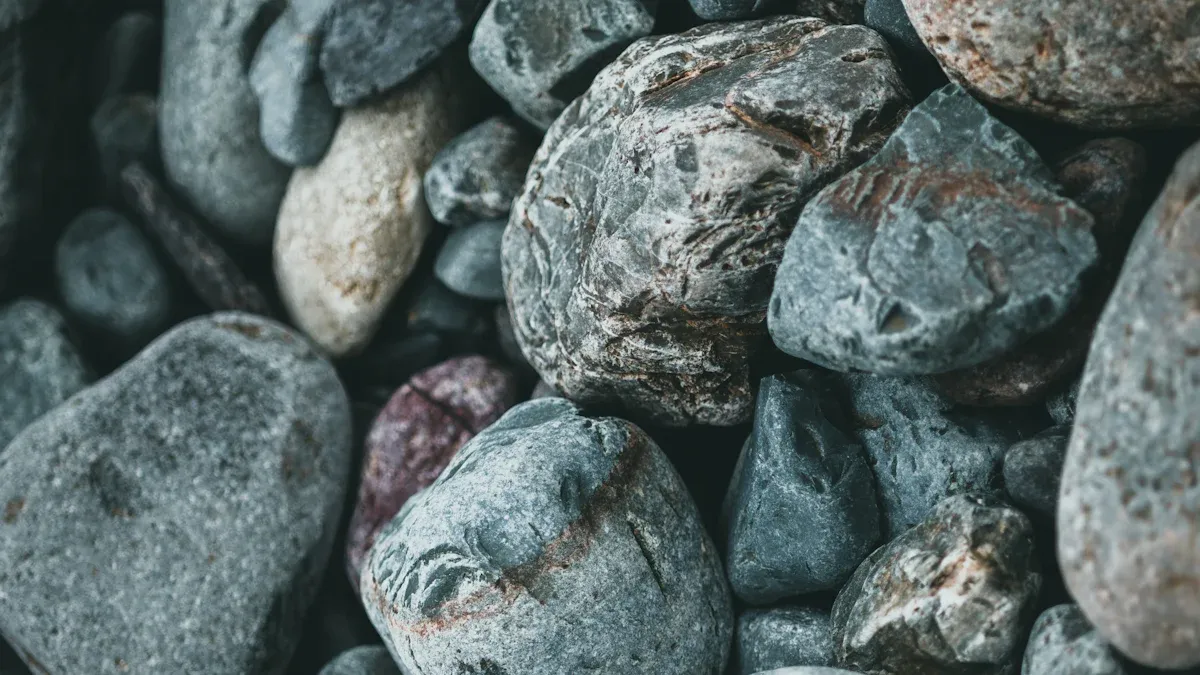
You might wonder about the difference between a stone sealer and an enhancer. A stone sealer primarily protects your stone. It creates a barrier that stops liquids and stains from soaking in. Think of it as an invisible shield for your stone. An enhancer, on the other hand, deepens the stone’s natural color, giving it a richer, often “wet look” appearance, while also offering some protection. Some products act as both a stone sealer and enhancer, giving you the best of both worlds.
Here’s a quick look at how different sealers work:
Feature | Penetrating Sealers | Topical Sealers |
|---|---|---|
Application | Permeate deep into the concrete, forming a chemical barrier | Form a protective coating on the surface of the concrete |
Classification | Silanes, siloxanes, or siliconates | Film-forming sealers (acrylics, polyurethanes) and penetrating film-forming sealers (epoxies) |
Penetrating sealants soak into the stone’s pores, repelling moisture from within and letting the material breathe. They are great for busy areas like kitchens. Topical sealants form a surface layer, shielding against stains. You might need to reapply them more often in high-traffic spots.
Why Use Stone Sealers and Enhancers
Using a stone sealer or enhancer offers many benefits. You protect your investment and keep your stone looking beautiful for years. Sealers prevent many common types of damage:
Water Damage: Sealers repel moisture. This stops cracks, erosion, and damage from freeze-thaw cycles.
UV Damage: UV-resistant sealers protect surfaces from harmful sun rays. This preserves the stone’s look and strength.
Chemical Damage: Sealers create a barrier against chemicals like oil, grease, and road salt. They stop these substances from soaking into your stone.
Abrasion and Wear: Sealers reduce friction. This lessens wear from foot traffic, heavy loads, and vehicles.
Stains and Discoloration: Sealing makes surfaces less likely to absorb oil, rust, and food spills. This makes cleaning much easier. You avoid permanent stains and discoloration from salt, oil, grease, and moisture. They also prevent weed growth or mildew and fading from sun exposure.
Key Selection Factors
When you choose a stone sealer or enhancer, consider several things. First, think about your stone’s porosity. Some stones absorb more than others. Next, decide on your desired finish. Do you want a natural look or a “wet look” that deepens the color? Also, consider if you will use it indoors or outdoors. Outdoor sealers need to withstand more harsh weather. Durability is key; you want a product that lasts.
You should also check the VOC (Volatile Organic Compound) content. Lower VOC products are better for air quality.
Sealer Type | Proposed VOC Limit (g/L) |
|---|---|
Tile and stone sealer | 100 |
Stone consolidant | 450 |
Finally, think about how easy the product is to apply. Some require more steps or special tools.
Top 10 Stone Sealers and Enhancers for 2025
You want the best for your stone surfaces. Here are the top 10 stone sealers and enhancers you should consider in 2025. Each one offers unique benefits to protect and beautify your investment.
Miracle Sealants 511 Impregnator Sealer
This sealer is a long-time favorite for a good reason. It’s a penetrating sealer that forms an invisible barrier. This barrier repels water, oil, and stains without changing your stone’s natural look.
Key Features and Benefits: It offers superior stain protection. It also allows your stone to breathe.
Stone Types: You can use it on granite, marble, limestone, slate, travertine, quartz, and even grout.
Application Notes: It’s easy to apply with a brush, roller, or sprayer. It dries quickly, usually within 3-5 hours.
Pros:
Provides excellent, long-lasting protection.
It’s versatile for many stone types.
It won’t yellow over time.
Cons:
It can be a bit more expensive than some other options.
You need good ventilation during application due to its odor.
Aqua Mix Sealer’s Choice Gold
Aqua Mix Sealer’s Choice Gold is a premium, water-based penetrating sealer. It gives you a natural look while protecting against stains.
Key Features and Benefits: This sealer is breathable and UV resistant. It helps prevent efflorescence.
Stone Types: It works well on natural stone, tile, and grout.
Application Notes: It’s simple to apply. It has a low odor, making it good for indoor use.
Pros:
It’s safe for both indoor and outdoor use.
It maintains the stone’s original appearance.
It’s easy to clean up with water.
Cons:
Very porous stones might need more than one coat for full protection.
StoneTech BulletProof Sealer
If you need maximum protection, StoneTech BulletProof Sealer is a top choice. It uses advanced fluorochemical technology to repel tough oil and water-based stains.
Key Features and Benefits: It offers the strongest protection in the StoneTech line. It’s also suitable for food preparation areas.
Stone Types: You can use it on all natural stone types, including granite, marble, travertine, limestone, slate, sandstone, flagstone, and grout.
Application Notes: It’s a professional-grade product, but you can apply it easily with a clean cloth or applicator.
Pros:
Provides superior stain resistance.
It’s long-lasting, reducing how often you need to reapply.
It won’t alter the stone’s natural finish.
Cons:
It has a stronger odor during application, so ensure good ventilation.
It’s often at a higher price point.
BANDě Stone Guard Pro Sealer
BANDě Stone Guard Pro Sealer is an innovative solution for stone protection. It uses advanced nanotechnology to create a durable, invisible shield. This shield guards against stains and moisture.
Key Features and Benefits: This sealer offers exceptional stain resistance. It also has eco-friendly properties. It maintains the stone’s natural appearance while providing long-term protection.
Stone Types: It’s suitable for all natural stone types, concrete, and pavers.
Application Notes: You will find it user-friendly. It dries quickly, letting you get back to using your surfaces sooner.
Pros:
It provides superior, long-lasting stain and moisture protection.
It’s an environmentally conscious choice.
It preserves the stone’s original look.
Cons:
As a newer product, it might be less widely available than established brands.
It may require specific application techniques for optimal results.
Black Diamond Stoneworks Wet Look Sealer
Do you love the look of wet stone? Black Diamond Stoneworks Wet Look Sealer is for you. It enhances your stone’s color and gives it a beautiful, glossy finish.
Key Features and Benefits: It deepens the natural colors of your stone. It also provides a protective barrier against stains and weathering.
Stone Types: It’s ideal for pavers, concrete, slate, and flagstone.
Application Notes: You can apply it easily with a sprayer or roller.
Pros:
It dramatically enhances stone color.
It offers good protection for outdoor surfaces.
It’s durable and long-lasting.
Cons:
It’s not suitable for all stone types, especially polished marble.
Over-application can make surfaces slippery.
Hydrex Natural Penetrating Stone Sealer
Hydrex Natural Penetrating Stone Sealer is a water-based option that keeps your stone looking natural. It penetrates deep to protect from within.
Key Features and Benefits: It’s a low VOC product. It allows your stone to breathe, preventing moisture buildup.
Stone Types: It’s excellent for porous natural stones like limestone, sandstone, and travertine. It also works on concrete.
Application Notes: It has a low odor. You can clean up easily with water.
Pros:
It preserves the stone’s original, natural appearance.
It’s good for areas with high moisture.
It’s environmentally friendly.
Cons:
It offers less color enhancement than “wet look” products.
You might need to reapply it more often than some solvent-based sealers.
Foundation Armor AR350 Acrylic Wet-Look Sealer
Foundation Armor AR350 is an acrylic sealer that gives your surfaces a durable, wet-look finish. It’s designed for tough outdoor conditions.
Key Features and Benefits: This sealer enhances the color of your stone. It also provides a protective layer against water and UV damage.
Stone Types: Foundation Armor manufactures sealers and coatings for concrete, brick, pavers, stone, and masonry.
Application Notes: You can apply it with a roller or sprayer. It offers good coverage.
Pros:
It significantly enhances the color and appearance of your surfaces.
It’s very durable for outdoor use.
It provides good UV resistance.
Cons:
Surfaces can become slippery when wet.
Some acrylic sealers may yellow slightly over time if not formulated with strong UV inhibitors.
MORE® Premium Stone Sealer
MORE® Premium Stone Sealer is a professional-grade, deep-penetrating sealer. It offers long-lasting protection without changing your stone’s look.
Key Features and Benefits: It provides excellent stain protection. It’s also food-safe once cured.
Stone Types: You can use it on all natural stone types and grout.
Application Notes: It’s fast-acting. It creates a durable barrier quickly.
Pros:
It offers superior stain protection.
It preserves the natural beauty of your stone.
It’s safe for use in kitchens and other food prep areas.
Cons:
It comes with a higher price tag.
You need to apply it carefully for the best results.
Ager Stone Enhancing Sealer
Ager Stone Enhancing Sealer is a powerful solvent-based product. It brings out the rich, vibrant colors of your natural stone. It also protects it from stains.
Key Features and Benefits: This product revitalizes and enhances the color of natural stone, especially porous or absorbent types. It enriches the natural grain and protects the stone’s natural beauty. It seals surfaces, making them resistant to liquid and oily substances. It creates a ‘wet’ effect on absorbent exotic natural stone. This solvent-based color and grain enhancer also protects against staining and graffiti. It provides deep, rich color and is excellent for matching slab edges to surface polish. It can hide micro fissures and small scratches in natural stone. This original stone color enhancer does not fade like cheaper alternatives.
Stone Types: It’s suitable for various natural stone surfaces including Marble, Granite, Limestone, Sandstone, Quartzite, Travertine, Agglomerate, and Rosso Verona.
Application Notes: It’s suitable for indoor or outdoor use.
Pros:
It revitalizes and enhances the color of natural stone.
It enriches the natural grain and protects the stone’s natural beauty.
It seals surfaces, making them resistant to liquid and oily substances.
It creates a ‘wet’ effect on absorbent exotic natural stone.
It’s a solvent-based color and grain enhancer that also protects against staining and graffiti.
It provides deep, rich color and is excellent for matching slab edges to surface polish.
It can hide micro fissures and small scratches in natural stone.
It’s an original stone color enhancer that does not fade like cheaper alternatives.
It’s suitable for various natural stone surfaces.
It’s suitable for indoor or outdoor use.
It’s resistant to UV rays and doesn’t turn yellow.
It’s stain resistant.
Cons:
It does not provide anti-etch protection on marble surfaces. Acidic substances will still etch marble due to chemical reactions with calcium carbonate.
FILA Fob Xtreme Stain Protector
FILA Fob Xtreme is a water-based stain protector. It’s designed to offer excellent stain resistance with an eco-friendly formula.
Key Features and Benefits: This product provides superior stain protection. It’s also breathable and low VOC.
Stone Types: You can use it on polished and unpolished natural stone, agglomerates, terracotta, and concrete.
Application Notes: It’s easy to apply. It dries quickly.
Pros:
It offers excellent stain resistance.
It’s an eco-friendly, water-based formula.
It allows the stone to breathe.
Cons:
It provides less color enhancement compared to dedicated enhancers.
You might need multiple coats for very porous materials.
Choosing the Right Stone Sealer and Enhancer
Selecting the perfect product for your stone surfaces can feel overwhelming. You have many options. However, understanding a few key factors helps you make the best decision. You want to protect your investment and keep your stone looking beautiful.
Matching Product to Stone Type
Different stones have different needs. You need to consider your stone’s porosity.
For porous stones like travertine and limestone, you face unique challenges. These stones are less dense. They are vulnerable to damage from acidic liquids like wine, juice, and coffee. Oily stains also pose a threat. Sealing creates a protective barrier. This barrier stops staining materials from entering the stone’s natural pores. It makes spills much easier to clean. You should use a stone-safe sealer, such as MARBLELIFE® Stone Sealer. Reapply your sealant every year or two. Acid from drinks and spills can dissolve the seal over time. Replenishing protection often requires just a quick wipe-on, wipe-off application.
For marble and limestone, use penetrating sealers. These are specifically designed for delicate, calcium-based stones.
Slate and travertine need sealers that offer deeper penetration. They also need stronger water repellency.
You should seal stone tiles twice. First, seal them after placement but before grouting. Then, seal them again after the grout cures. After initial sealing, protection usually lasts about a year. You can test this by pouring water on the stone. If it absorbs in less than 10 minutes, it’s time to reseal.
Water-based sealants work well for marble, limestone, soapstone, or travertine. They are easy to apply. They have low VOCs and minimal smell. They cost less, but they are less long-lasting.
Solvent-based sealants are recommended for granite. They cost more. They have higher VOCs and odor. However, they penetrate better and last longer.
To apply, first clean your stone. Use a pH-neutral cleaner designed for natural products. Avoid acidic cleaners. Then, apply sealant with a chip brush or pad. Work in 4-6 foot sections. Cover both the stone and grout. After 5-10 minutes, rewet the surface with more sealant. Use a rag to eliminate streaks. Wipe the surface with a soft cloth after 1-2 minutes. Repeat for all sections. Allow 24-48 hours for drying and curing. If you have foot traffic, seal half the floor at a time.
For dense stone types like granite and marble, you might consider trusting a professional. A trained professional understands stone. They know how sealers work. This ensures maximum protection without damaging new surfaces. Remember, sealers do not protect against chemical or acid etching. This applies to calcite-based natural stone surfaces like marble, travertine, or limestone. You must prevent contact with harsh chemicals. Also avoid common household acids like citrus juice, tomato sauce, and wine. These can etch polished surfaces and create dull spots.
Stain-Proof Dense Stone Sealer is highly recommended for dense stone. It is specifically designed for marble. It also works for other natural stone surfaces like granite and limestone. This sealer offers top-notch protection. It provides unmatched protection against stains, spills, and etching. It penetrates deep into the stone’s pores. It creates a powerful barrier that repels liquids. It offers long-lasting protection with a single application. Reapplication is recommended every 1-2 years. However, the sealer itself can provide lasting protection for up to 15 years.
Stain Proof Dense Stone Premium Sealer (formerly Stain-Proof Plus) protects marble, granite, quartzite, and other dense natural stone surfaces. Its innovative formula saturates deep into the stone. It creates a barrier against stains. This sealer not only protects but also enhances the stone’s natural beauty. It provides a mild improvement in shine and depth. It also offers long-lasting waterproofing and stain repellency. It is easy to apply. Simply apply it to a clean, dry stone surface with a brush or roller. Allow it to saturate for 30 minutes. Then, wipe away any excess. Key features include permanent oil and water repellency. It comes with a 25-year written performance warranty when an accredited applicator applies it. It has three different sizes of custom-engineered sealing molecules for maximum stain rejection. It also has a super saturator for deep penetration in dense granites and marbles. It retains the natural surface color and finish. It is super breathable. You can use it indoors, outdoors, residentially, and commercially.
The Grifon Maintenance Kit includes a sealer. It is designed for dense natural stones with polished and honed finishes. It also works for ceramics, porcelain, and mosaic. Before sealing, clean the surface. Use the included cleaner. Spray the surface and wipe with a dry or damp cloth or paper towel. For stubborn stains, let the cleaner sit for 1-2 minutes. Scrub, then wipe off. Apply the sealer to make surfaces water-repellent. It protects against household stains that you can quickly clean.
Sealer Versus Enhancer: Usage Guide
You need to decide if you want protection, enhancement, or both.
Prioritize protection with a sealer if your main concern is preventing stains and moisture damage. Sealers are your go-to for high-traffic areas or surfaces prone to spills.
Prioritize aesthetic enhancement with an enhancer if you want to deepen your stone’s natural color. Enhancers give a “wet look” or bring out the vibrancy of the stone.
Consider a combination product if you want both. Many products offer both sealing and enhancing properties. This gives you the best of both worlds: protection and a richer appearance.
Indoor and Outdoor Applications
The environment where you use your stone matters. Indoor stone surfaces face different challenges than outdoor ones.
For outdoor applications, you need a sealer that can withstand harsh elements. This includes UV rays, temperature changes, and heavy foot traffic.
Sealer Type | Chemical Resistance | Durability | UV Stability | Eco-Friendliness | Cost-Effectiveness (Concentrated) |
|---|---|---|---|---|---|
Better | Longer | Longer | Advisable (low VOC) | High (can be diluted) | |
Solvent Based Urethane | Better | Longer | Longer | Less | N/A |
Solvent Based Acrylic | Less Strong | 2-3 years | Less Stable | Less | N/A |
Water Based Acrylic | Less Strong | 6mo-1 year | Less Stable | More | N/A |
For maximum protection on driveways, consider a concentrated high-quality Water Based Urethane Paver Sealer. This is especially true for interlocking pavers, stamped concrete, or decorative concrete. Products like Trident Hurricane CAT 5 offer superior chemical resistance. They have longer lasting UV stabilizers. They can last 5-10 years in normal conditions. This significantly outperforms solvent-based acrylics (2-3 years) and water-based acrylics (6 months-1 year).
You should seal outdoor stone frequently. Do this annually or follow the manufacturer’s advice. Use a good-quality penetrating sealer. Some natural stones like quartzite, granite, and soapstone are porous. They require periodic sealing. This protects them against elements, stains, and water penetration. Non-porous materials like sintered stone and porcelain do not require sealing.
Maintenance Practices: Use pH-neutral cleaners. Chemicals can break down sealants. Clean up spills immediately. This prevents long-term staining. Cover countertops when not in use. This protects them from excessive moisture, grime, and UV light.
Benefits of Sealing: You get enhanced resistance to moisture. It prevents water damage. It repels food, grease, and exterior staining. It preserves the stone’s color and appearance.
Drawbacks of Sealing: It requires constant maintenance. You might need to seal yearly or every other year, depending on exposure. Sealants may wear off quicker in heavily used outdoor spaces. This necessitates more frequent application.
Budget Considerations
Your budget plays a role in your choice. High-quality stone sealers vary in price.
Entry-level concrete sealers typically cost $1-$3 per square foot for materials.
High-performance waterproof coatings, like elastomeric and modified acrylic systems, can cost $4-$8 per square foot. This includes professional application.
Consider the long-term value. A more expensive, durable product might save you money on reapplication and repairs in the future. Balance initial cost with the lifespan and performance you need.
Application Tips for Optimal Results
You want your stone surfaces to look their best and stay protected. Proper application of your stone sealer and enhancer makes all the difference. Follow these tips for great results.
Surface Preparation
Good preparation is key for any successful sealing job. You need to make sure the sealer sticks well.
Cleaning: First, thoroughly clean the surface. Remove all dust, dirt, oils, and other gunk. This stops poor adhesion, peeling, or an uneven finish. Use the right cleaning solutions, like TSP for concrete or mild detergent for wood. Make sure the surface is completely dry.
Sanding: Next, sand the surface to create a smooth, even base. Use medium grit (80-120) for general smoothing. Fine grit (150-220) works for final prep before priming. Do not over-sand or under-sand.
Dust Removal: After sanding, get rid of all dust. Use a vacuum with a brush or a tack cloth. Dust will mess up adhesion and make the finish rough.
Priming: Apply a suitable primer. This seals porous surfaces, helps adhesion, and makes the surface uniform.
Testing: Before you apply the sealer, test the surface. Pour a little water; it should soak in, not bead up. Also, do a tape test to check adhesion.
Application Techniques
Apply your sealer carefully for the best look. Professionals always aim for even coverage. This prevents streaks and patches. Even coverage gives you a polished, consistent finish. It really brings out the stone’s natural beauty.
Curing Times and Reapplication Schedules
Patience is important after you apply a sealer. Most sealers need 24 to 48 hours to fully dry. Keep them away from rain during this time.
You can walk lightly on the surface after 24 hours.
Wait 72 hours for heavy foot traffic or to place furniture.
If you are sealing a driveway, wait 14 days before driving on it.
You can rinse or clean with mild detergent after 30 days.
For reapplication, standard residential sealers usually protect for 2 to 5 years. High-traffic spots, like driveways or pool surrounds, might need sealing more often. It is smart to do a mid-year spot-check. Look for areas that might need resealing, especially busy ones.
Safety Precautions
Always protect yourself when working with sealers. Wear the right gear:
A fitted silicone half mask respirator with acetone cartridges.
Safety goggles.
High-wristed solvent-proof gloves.
Shoe covers.
Long sleeves and pants.
Always check the manufacturer’s safety data sheet (SDS) for more tips.
Selecting the right stone sealer and enhancer is crucial. High-quality products offer easier maintenance, stunning visual enhancement, and protect against stains, UV, and freeze/thaw damage, extending your stone’s life. Consider your stone type, desired finish, and environment. You can now make an informed decision to protect your natural stone investment.
FAQ
How do sealers and enhancers differ?
Sealers protect your stone from stains. Enhancers deepen its color, giving it a “wet look.” Some products do both for you.
How often should I reapply stone sealer?
You should reapply residential sealers every 2 to 5 years. High-traffic areas might need it more often. Always check your manufacturer’s advice.
Can I use the same sealer for indoor and outdoor stone?
You can use some sealers for both. However, outdoor sealers need to withstand harsh weather. Always check the product label for specific use.
See Also
Top Concrete Protective Sealers of 2025: Elevate Your Surfaces Now
Comprehensive Buying Guide: Concrete Densifiers, Hardeners, and Sealers Explained
BANDě Concrete Sealer: Your Ultimate Selection Guide for 2025’s Best
Essential Guide: Selecting the Optimal Concrete Protective Sealer for You
BANDě’s Guide: Discovering the Best Concrete Dustproofer Sealers You Need
