

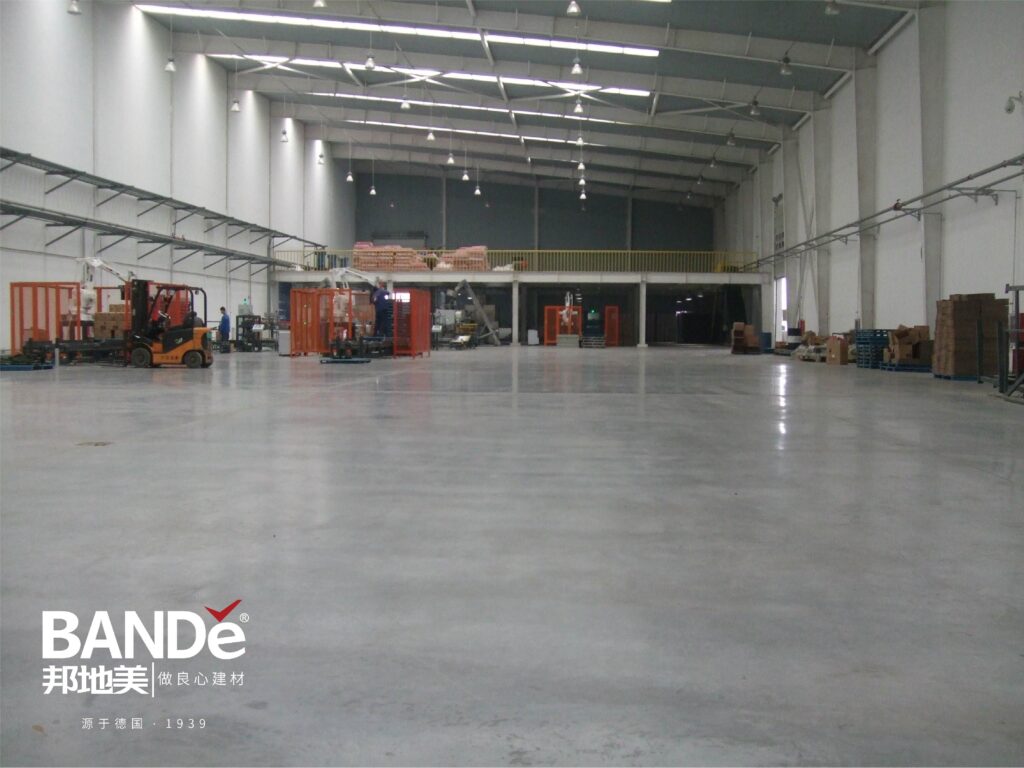
Saudi Arabia’s industrial and commercial sectors are experiencing rapid development. This growth significantly increases the demand for durable, high-performance concrete floors. A concrete floor hardener plays a critical role in achieving this essential durability. This blog guides readers through the best concrete floor hardener Saudi Arabia products for 2025. It highlights their benefits, selection criteria, and effective application for optimal results on any floor.
Key Takeaways
Concrete hardeners make floors stronger and last longer. They stop dust and help floors resist damage from heavy use.
Choose the right hardener based on your project. Think about how much traffic the floor gets and what kind of look you want.
Many types of hardeners exist, like silicate, cement, and epoxy. Each type works best for different needs and floor conditions.
Concrete Hardeners: Types and Benefits
What is a Concrete Hardener
A concrete hardener is a specialized liquid solution. You apply it to a concrete surface. It penetrates deep into the concrete. There, it reacts chemically with the free calcium present. This chemical action makes the surface much denser. It creates a more uniform and durable foundation. This process significantly increases the concrete’s strength.
Key Benefits of Floor Hardeners
Using a floor hardener offers many advantages, especially for Saudi Arabia’s busy industries. First, it makes your floor dust-proof. This means less dust from surface wear, which is great for warehouses and cleanrooms. You get cleaner, safer workspaces. Second, it boosts abrasion and impact resistance. Floors last longer under heavy traffic, like forklifts. They also resist scratching and chemical attacks. Third, hardeners prevent rapid water loss. This is important in Saudi Arabia’s hot climate. Finally, hardened floors are easier to clean and maintain. They resist stains from oils and chemicals, keeping your floor looking good.
Types of Concrete Hardeners
You will find different types of concrete hardeners. Liquid hardeners are common. They penetrate the surface to densify it. Dry shake hardeners are another option. Workers spread these powders on fresh concrete. They create a very tough surface. Slurry-based color hardeners also exist. They add both durability and vibrant color to your concrete floor. These products make the surface resistant to wear and staining.
Selecting Concrete Hardener in Saudi Arabia
Project Needs and Traffic Load
When choosing a concrete floor hardener in Saudi Arabia, consider your project type. Industrial facilities, commercial spaces, or residential areas have different demands. For example, warehouses and factories often experience heavy traffic. These high-traffic areas need robust hardeners that withstand constant wear. Lighter traffic in retail stores or homes might allow for different options.
Concrete Condition and Age
The existing concrete’s condition and age also matter. New concrete typically accepts hardeners well. Older concrete, especially if damaged or porous, might require more preparation or a different type of hardener. Assess cracks, spalling, or previous coatings before deciding.
Desired Finish and Aesthetics
Think about the look you want for your floor. Some hardeners provide a high-gloss finish, enhancing light reflection. Others offer a more matte appearance. Consider if you need a clear finish or if color integration is part of your aesthetic goal.
Environmental Factors
Saudi Arabia’s environment presents unique challenges. High temperatures, strong winds, and low humidity cause rapid water loss from concrete. This affects how curing compounds perform. Manufacturers tailor many curing compounds specifically for these hot and dry conditions. Membrane-forming curing compounds work very well in such climates. They prevent concrete from drying too quickly. For epoxy-based solutions, high temperatures can speed up curing. However, moderate temperatures (15–30 °C) are ideal for application. High humidity, common in coastal cities or during humid seasons, can interfere with epoxy curing. This might lead to surface defects like amine blush.
Budget and Application Cost
Your budget plays a significant role. Product cost varies, but also consider application costs. Some hardeners require specialized equipment or more labor. Factor in the total cost of material and installation.
Supplier and Local Availability
Finally, choose a reputable supplier for your concrete floor hardener in Saudi Arabia. Local availability ensures timely delivery and technical support. A good supplier offers expert advice and stands behind their products.
Top Concrete Floor Hardeners in Saudi Arabia for 2025
Silicate-Based Hardeners
Silicate-based hardeners are popular choices. They react with calcium hydroxide in concrete. This reaction forms a dense, crystalline structure. This structure fills pores and strengthens the surface.
BANDě Crystal Floor Hardener is a top contender. It penetrates deep, about 5-8mm. This hardener significantly increases hardness, over 300%. It also gives a lasting gloss, making the floor brighter with use. This product is eco-friendly, water-based, and has no VOCs. It resists stains and cleans easily. It offers high wear and pressure resistance, reaching Mohs 6-7. It also boosts compressive strength by 40%. You can use it on new or old concrete.
SikaFloor® Cure Hard 24 is another excellent option. This product is a high solids, one-part, clear sodium silicate-based liquid. It cures, hardens, and seals fresh or hardened concrete. Its purpose is to optimize curing and hardening. It also seals the concrete for better durability and longevity. SikaFloor® Cure Hard 24 is designed for curing and hardening concrete floors. It improves floor durability and strength.
BASF MasterKure 111 also uses a sodium silicate base. It provides similar benefits for concrete surfaces.
Cementitious and Dry Shake Hardeners
Cementitious hardeners create a tough, abrasion-resistant surface. They bond monolithically with fresh concrete.
Fosroc Nitoflor Hardtop is ready-to-use. It needs no extra additives. It forms a hard, abrasion-resistant surface. It bonds perfectly with fresh concrete.
Vetotop XT538/XT539 are cementitious floor dressing materials. They contain hydraulic binders, hard-wearing aggregates, and special additives. These products create a very durable floor.
Dry shake hardeners are applied to fresh concrete. weberfloor hardtop 75 is a great example. It offers excellent abrasion resistance. It is easy to apply and eco-friendly. It provides high strength and mechanical resistance. Hardtop Repair is a premixed dry shake hardener. It is for concrete or screed floors. It contains selected aggregate, cement, and special additives.
Epoxy Floor Coating and Other Solutions
For ultimate protection and aesthetics, consider an epoxy floor coating. These solutions create a seamless, durable surface.
Tapel Epoxy Floor Paint acts as a substrate hardener. It has a 3-in-1 formula: primer, paint, and clear coat. It bonds directly to concrete. This makes it a versatile epoxy floor coating. Many types of epoxy flooring exist. You can find different epoxy flooring types for various needs. These include self-leveling epoxy, epoxy mortar, and epoxy flake systems. Each type of epoxy flooring offers unique benefits. Epoxy coating solutions provide excellent chemical resistance and durability. They are a popular choice for industrial and commercial settings. The strength of an epoxy floor coating is impressive. It protects the floor from heavy impacts and abrasion. When you choose epoxy, you get a long-lasting floor. An epoxy floor coating also offers great aesthetic options. You can choose from many colors and finishes for your epoxy floor coating. This makes epoxy a versatile choice. Consider an epoxy floor coating for high-traffic areas. An epoxy floor coating provides a protective layer. This epoxy floor coating will last for years.
FGS Hardener Plus is a proprietary chemical hardening solution. It enhances wear resistance and surface strength. This product is not an epoxy, but it offers another way to improve concrete.
Product Comparison and Applications
Choosing the right concrete floor hardener in Saudi Arabia depends on your specific needs.
Silicate-based hardeners like BANDě Crystal Floor Hardener, SikaFloor® Cure Hard 24, and BASF MasterKure 111 are excellent for densifying and dust-proofing existing concrete. They offer good abrasion resistance and a lasting shine.
Cementitious and dry shake hardeners, such as Fosroc Nitoflor Hardtop, Vetotop XT538/XT539, weberfloor hardtop 75, and Hardtop Repair, are best for new concrete. They create a very hard, wear-resistant surface.
Epoxy floor coating options, like Tapel Epoxy Floor Paint, provide the highest level of protection. They offer superior chemical resistance, aesthetics, and durability. These epoxy flooring types are ideal for areas needing extreme protection or specific aesthetic finishes. FGS Hardener Plus offers a chemical hardening alternative for wear resistance.
Application Best Practices for Optimal Performance
Surface Preparation
Proper surface preparation is crucial. First, workers must clean the concrete surface thoroughly. They remove all dirt, dust, grease, and old coatings. A clean surface ensures the hardener penetrates correctly. For existing concrete, they might need to grind or shot blast the floor. This opens the pores. New concrete should be clean and free of curing compounds. Always check the manufacturer’s guidelines for specific preparation steps.
Application Methods
Applicators typically apply liquid hardeners using a low-pressure sprayer. They can also use a soft-bristle broom or microfiber mop. They spread the hardener evenly across the surface. The goal is to achieve full saturation. Workers keep the surface wet for the recommended contact time. This allows the chemical reaction to occur. For dry shake hardeners, they broadcast the powder onto fresh concrete. Then, they power trowel it into the surface.
Curing and Drying Times
Curing and drying times vary. They depend on the product type and environmental conditions. Silicate-based hardeners often require several hours to fully react. The floor might be ready for light traffic within 24 hours. Full hardness develops over days or weeks. Epoxy coatings have specific cure times. High temperatures can speed up curing. Low temperatures slow it down. Always follow the manufacturer’s instructions for optimal results.
Safety Precautions
Safety is paramount during application. Workers should wear appropriate personal protective equipment (PPE). This includes gloves, eye protection, and respirators. Some products can irritate skin or eyes. Ensure good ventilation in the work area. Keep children and pets away from the site. Store all products safely. Dispose of waste materials according to local regulations.
Maintenance and Longevity of Hardened Floors
Routine Cleaning and Care
Maintaining hardened concrete floors is straightforward. Regular cleaning helps preserve their appearance and performance. Workers should routinely dust mop the floor to remove loose debris. For deeper cleaning, they can use a neutral cleaner with a wet mop or an auto scrubber. Avoid harsh acidic or alkaline cleaners, as these can degrade the surface over time. Proper care ensures the floor remains durable and aesthetically pleasing for years.
Re-application Considerations
Hardened concrete floors offer exceptional longevity. Re-application of a hardener is rarely necessary if the initial application was correct and the floor receives proper maintenance. However, after many years of extreme wear or if the surface shows signs of significant degradation, owners might consider a re-application. This decision usually depends on the specific product used and the level of traffic the floor endures.
Troubleshooting Common Issues
Even with the best hardeners, concrete floors can sometimes face issues. Several factors contribute to concrete floor damage:
Heavy Machinery: Constant pressure and movement can cause wear and structural stress.
Chemical Exposure: Industrial chemicals can degrade surfaces, leading to spalling and weakening.
Moisture Intrusion: Water seepage can cause cracks, spalling, and corrosion of reinforcement.
Thermal Expansion and Contraction: Temperature fluctuations can lead to cracking and surface deterioration.
Poor Initial Installation: Inadequate curing, mixing, or reinforcement can result in weak points and early deterioration.
When problems arise, specific solutions can help. For instance, if cracks appear, epoxy injection or routing and sealing can restore integrity. If the concrete flakes or chips away (spalling), shot blasting and patch repair are effective. For surface imperfections, grinding and polishing or self-leveling compounds can create a smooth, uniform finish. If moisture seeps in, sealants and drainage solutions are crucial.
Common Issues with Hardened Concrete Floors | Troubleshooting Solutions |
|---|---|
Cracks (compromise structural integrity) | Epoxy Injection (restores strength, prevents water infiltration); Routing and Sealing (enlarges crack for sealing materials) |
Spalling (concrete flakes or chips away, often due to moisture and chemical exposure) | Shot Blasting (removes loose concrete, prepares surface); Patch Repair (applies patching materials to restore area) |
Structural Weakness (inadequate load-bearing capacity) | Carbon Fiber Reinforcement (strengthens and stabilizes); Steel Reinforcement (improves structural support) |
Surface Imperfections (unevenness, lack of uniformity) | Grinding and Polishing (smoothes surface, eliminates imperfections); Self-Leveling Compounds (fills uneven areas, achieves flat surface) |
Moisture Intrusion (water seepage, chemical ingress) | Sealants (prevents water and chemical ingress); Drainage Solutions (manages moisture effectively) |
Choosing the right concrete floor hardener Saudi Arabia product is crucial. The best option depends on your specific project needs. Silicate-based, cementitious, and epoxy solutions offer superior performance. An epoxy coating provides excellent durability. Consider an epoxy solution for tough environments. Always consult local suppliers and experienced applicators. They ensure optimal selection and application for long-lasting, high-performance floors.
FAQ
What is the main difference between silicate and cementitious hardeners?
Silicate hardeners penetrate existing concrete to densify it. Cementitious hardeners are typically applied to fresh concrete. They form a new, hard surface layer.
Can you apply a hardener to an old, damaged concrete floor?
Yes, you can. However, you must first repair any damage. Clean the surface thoroughly. This ensures proper adhesion and effectiveness of the hardener.
How long does a hardened concrete floor last?
A properly hardened concrete floor can last for decades. Its lifespan depends on traffic, maintenance, and the specific product used, like a durable epoxy flooring system.
See Also
Premium Liquid Concrete Floor Hardener, Sealer, and Densifier Solutions
Selecting The Top Five Industrial Concrete Floor Hardeners
The 2025 Definitive Guide For Choosing Your Ideal Concrete Floor Hardener
Philippines’ Premier Floor Hardener Solutions For Optimal Warehouse Performance
United Kingdom’s Best Floor Hardener Solutions For Industrial Warehouses
