

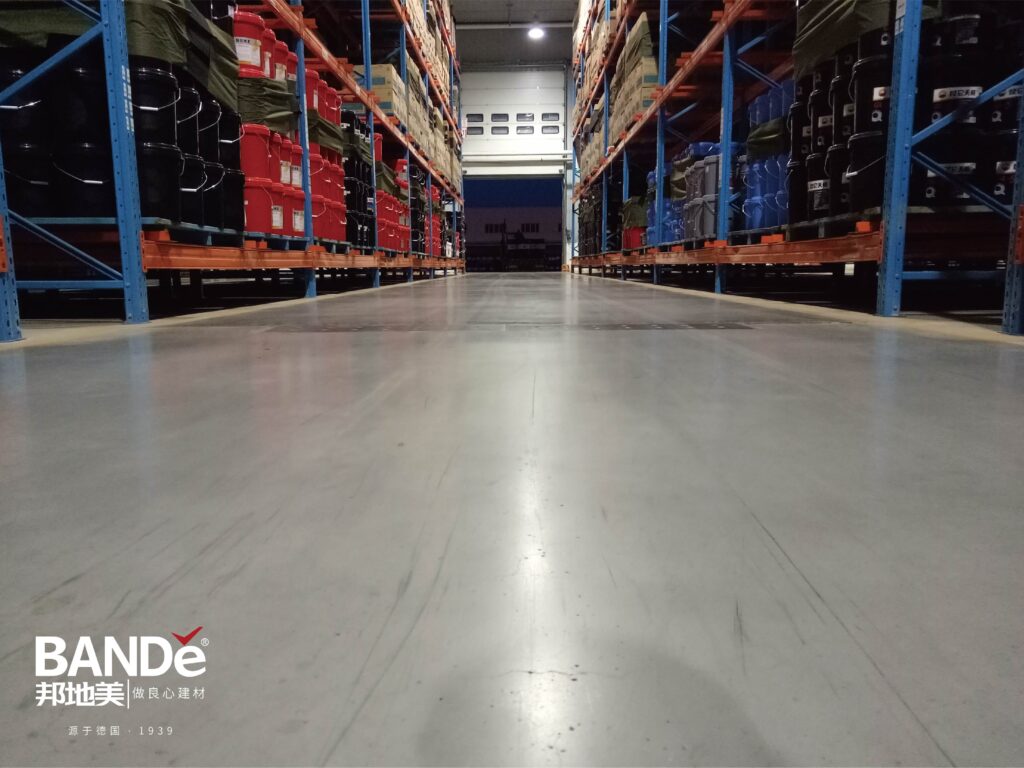
Polished concrete floors, often treated with a concrete hardener, are incredibly popular for their durability and sleek aesthetic. They offer incredible benefits, like increased wear resistance, lasting twice as long as plain concrete. Even though they are tough, proper maintenance is crucial for preserving their longevity. This guide gives you five simple tips to keep your floors looking fantastic well into 2025 and beyond, maximizing your investment.
Key Takeaways
Clean your concrete floor often. Sweep it daily. Use a pH-neutral cleaner weekly. This stops dirt from causing damage.
Clean spills right away. This stops stains. Use the right cleaner for each spill. This protects your floor.
Protect your floor from scratches. Use furniture pads. Place mats at doors. Lift heavy things. Do not drag them.
Regular Cleaning: Your First Defense
Keeping your hardened concrete floor looking its best starts with a consistent cleaning routine. Think of it as your floor’s first line of defense against wear and tear.
Daily Dust Mopping
You should sweep your floor with a dust mop and a microfiber dust pad every day. This daily routine helps prevent dirt and debris from accumulating. These particles can scratch and damage the surface, especially in high-traffic areas or dusty environments. Microfiber mops are excellent for this task. They effectively trap dust without pushing it around.
Weekly Wet Cleaning with pH-Neutral Solutions
Once a week, give your floor a more thorough clean. Use a pH-neutral cleaner, like BANDě Cleaner. When you choose a cleaner, remember the pH scale. Acidic cleaners (0–6) are good for rust but can be harsh. Alkaline cleaners (8–14) cut through grease but might dull finishes. Neutral cleaners have a pH level of 7. This makes them perfectly balanced and gentle, yet effective for everyday dirt and spills. They are ideal for your concrete floors. They help lift dirt and oils without leaving residue. You can use them for weekly maintenance, especially in high-traffic areas like garages or basements.
Concrete is vulnerable to chemical attacks. De-icing salts, like calcium chloride and sodium chloride, are particularly damaging. These chemicals corrode the concrete. This weakens it and increases the risk of cracks over time.
Always avoid harsh chemicals and excessive water. Use non-abrasive machines if you have them. After wet cleaning, ensure the floor dries completely to prevent water spots or streaks.
Prompt Spill Cleanup Prevents Stains
Even with a super tough concrete floor, spills happen. You need to act fast! Cleaning up spills right away is super important. This stops them from soaking in and causing permanent damage. Think of it as a race against the clock.
Immediate Action for Spills
When something spills, you need to clean it up immediately. This is especially true for acidic or oily substances. If you let them sit, they can penetrate or etch your floor’s surface. For example, common acidic substances like acid waters, ammonium chloride, and aluminum chloride can quickly cause damage. Oily spills, like motor oil or cooking grease, can leave stubborn stains if you don’t tackle them right away. Don’t give them a chance to settle in!
Appropriate Cleaners for Spill Types
You should use the right cleaner for the job. For most everyday spills, a mild, non-abrasive cleaner works best. Avoid harsh scrubbing; this can damage the hardened layer of your floor.
For oil-based spills, you have some great options:
Daily Floor Cleaner uses three different enzymes. These enzymes effectively remove stains from grease and oils. It’s also safe for pets and kids because it doesn’t have harsh fumes. Plus, its biodegradable formula means you can safely dispose of the wash water. You can use it for heavy-duty cleaning of oil and grease stains on concrete.
Oil Eater Overnight Concrete Stain Remover is another excellent choice. It uses special oil-eating microbes. These microbes clean deep beneath the surface, targeting oil stains at a molecular level. This product works on all types of oil, grease, and petroleum-based automotive leaks. It’s also biodegradable and free from harsh acids or bleaches, making it safe and easy to use.
Always choose a cleaner that matches the spill type. This helps you protect your floor without damaging its finish.
Protect Against Scratches
Your hardened concrete floor is tough, but it is not invincible. You need to take steps to protect it from scratches. These simple actions keep your floor looking smooth and new.
Furniture Pads and Entrance Mats
You can easily prevent many scratches by using furniture pads. Place felt or rubber pads under the legs of all your furniture. This stops chairs and tables from scraping your floor when you move them. Also, protect your floor right at the entrance. Place entrance mats at all entry points to catch dirt and abrasive particles before they get tracked inside. Mats made from materials like nylon, polypropylene, and olefin are excellent for this. They often feature rubber or vinyl backing that resists oils, grease, and other abrasive substances. Heavy-duty rubber scraper mats also work well, especially for outdoor entryways. They have raised, finger-like surfaces designed to scrape moisture, dirt, and debris from shoes. For high-traffic areas, consider brush mats. These mats, crafted from synthetic fibers, effectively scrape off dirt, mud, and debris from shoes, preventing these particles from being tracked further inside your home.
Avoid Dragging Heavy Objects
You should never drag heavy objects across your concrete floor. Dragging items like a generator or a stove is definitely not a great idea. This action directly causes scratches and can significantly impact the shiny appearance of your polished surface. While concrete floor coverings are designed with impact and scratch resistance, you still need to be careful. Always lift heavy items or use dollies with soft wheels when moving them. This simple precaution helps maintain your floor’s integrity and keeps it looking pristine for years to come.
Reapply Sealers (If Applicable)
Understanding Liquid Hardeners and Sealers
You know a concrete hardener makes your floor super tough. But sometimes, your floor might also have a topical sealer. Think of this sealer as an extra layer of protection. While liquid hardeners densify the concrete from within, a sealer sits on top. It plays a big role in keeping your floor looking great. This combination of a concrete hardener and a sealer gives you the best of both worlds.
A good sealer offers many benefits. It gives you enhanced durability and wear resistance. This helps prevent dusting and lets your floor withstand heavy traffic. You also get improved chemical and stain resistance. The sealer creates a non-porous barrier. This means spills won’t soak in easily. Plus, it reduces maintenance needs. Your floor becomes easier to clean, and you face fewer repairs. Some sealers even enhance safety by improving slip resistance or making your floor brighter with increased light reflectivity. They also offer visual enhancement and good UV protection for colored floors.
Sealer Inspection and Reapplication
You should regularly check your floor for signs of sealer wear. Look for dull spots or areas where stains seem to penetrate more easily. This tells you the protective sealer might be wearing thin. The reapplication timeline varies. For optimal care in high-traffic areas, you might reapply every 4-6 months. For other areas, it could be every 1-5 years. This depends on traffic and the type of product you used, like BANDě Sealer. A fresh coat of a surface hardener or sealer treatment can further eliminate staining. It keeps your floor looking its best and extends its life, ensuring it remains a valuable asset.
Proactive Wear and Tear Management
You have done a great job protecting your concrete floor. Now, let’s talk about staying ahead of any bigger issues. Being proactive with wear and tear management keeps your floor strong and beautiful for years.
Regular Floor Inspections
You should regularly inspect your concrete floor. This helps you catch small problems before they become big ones. Look for common signs of wear and tear. You might see dust emission, especially in busy areas. Keep an eye out for scratches, dents, or chips. Even minor cracks can appear. Sometimes, you might notice damage from freezing, thawing, or moisture. Staining from oil or chemical spills is another thing to watch for. Also, check for scaling, which looks like local flaking. This can happen if your floor was not sealed well or cured in freezing temperatures. You should also look for erosion of coatings and sealers over time. These inspections help you understand your floor’s condition.
Professional Repair Consultation
Sometimes, you need a professional’s help. You should call an expert if you see cracks wider than ¼ inch. This is a clear sign. Also, if large debris starts getting stuck in a damaged area, it’s time for a professional. Watch for the substrate chipping from the surface. These are all indicators that you need expert advice.
Consider calling a professional if you notice other serious issues. For example, if your concrete is crumbling or flaking, it might be due to harsh environmental conditions or chemical attacks. Spalling or delamination, where the top layer separates, also needs expert attention. Uneven slabs can signal shifting soil underneath. If you see visible rebar, it means significant damage has already happened. Even minor cracks that keep getting wider, show signs of shifting, or let water in, need a professional evaluation. They can assess the problem and recommend the best solution.
You’ve learned five easy tips for your concrete hardener floors: regular cleaning, quick spill cleanup, scratch protection, sealer reapplication, and proactive wear management. Consistent, simple maintenance is key. By following these steps, you ensure your floors retain their beauty and functionality for many years. This proactive care keeps your concrete hardener floors a valuable feature for 2025 and beyond.
FAQ
What kind of cleaner should I use on my hardened concrete floor?
You should always use a pH-neutral cleaner. Harsh chemicals can damage your floor’s surface. For specific spills like oil, use enzyme-based or microbe-based cleaners.
How often do I need to reapply sealer to my floor?
You should inspect your floor regularly. For high-traffic areas, reapply every 4-6 months. Other areas might need reapplication every 1-5 years, depending on wear and product type.
When should I call a professional for floor damage?
You should call a professional if you see cracks wider than ¼ inch. Also, seek expert help if your concrete is crumbling, flaking, or if large debris gets stuck in damaged areas.
See Also
Top Concrete Protective Sealers of 2025: Elevate Your Surfaces Now
Industrial Floor Hardeners: A Detailed Comparison for 2025 Selection
BANDě’s 2025 Guide: Essential Concrete Densifiers and Hardeners Explored
Buying Guide: Concrete Densifiers, Hardeners, and Sealers for Durability
Ultimate Guide: Concrete Sealer for Protecting Your Industrial Floors Effectively
