

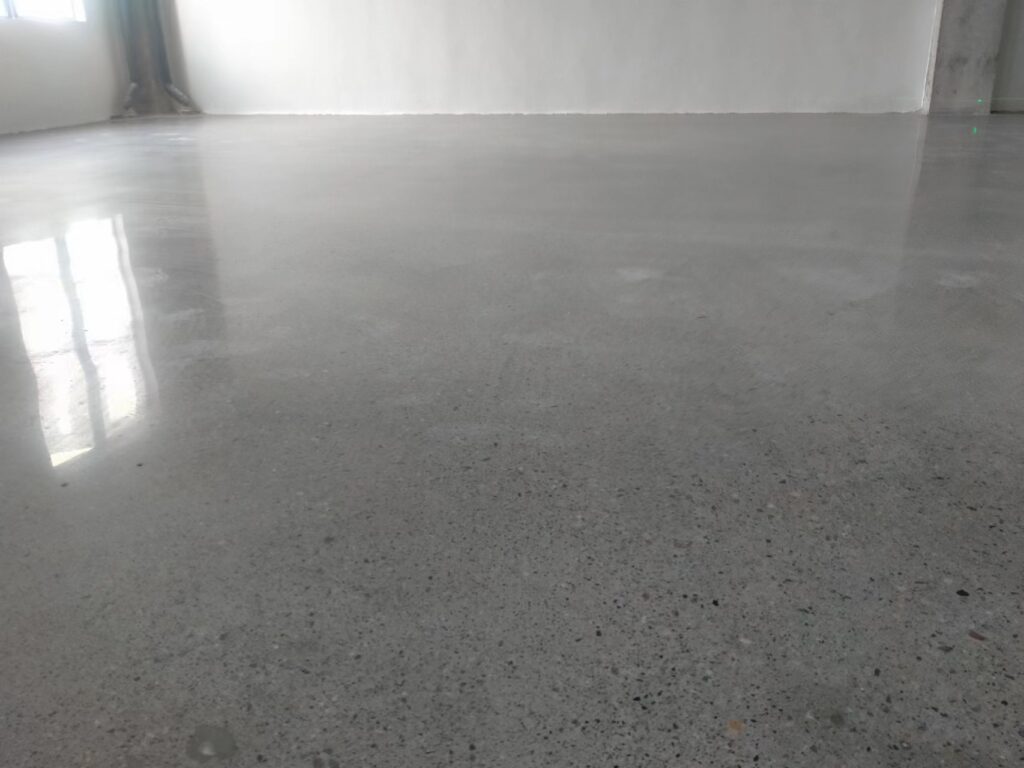
Choosing the right protection for your concrete can be tricky. You often wonder if a concrete densifier or a sealer is better. A concrete densifier strengthens your concrete internally. A sealer protects the surface of your concrete. This blog helps you understand the differences, benefits, and limits of each for your 2025 concrete projects. Your best choice for concrete depends on your specific goals.
Key Takeaways
A concrete densifier makes concrete stronger from the inside. It is good for places with heavy use, like warehouses.
A concrete sealer protects the concrete surface. It helps with stains and makes the concrete look better, good for patios or driveways.
You can use both a densifier and a sealer. This gives your concrete the best protection and makes it last longer.
Understanding Concrete Densifiers
What is a Concrete Densifier
A concrete densifier isn’t just a coating; it’s a deep treatment for your concrete. Think of it as an internal fortifier. When you apply a silicate-based densifier, like lithium silicate, it penetrates the concrete surface. Inside, it chemically reacts with calcium hydroxide, also known as free lime. This reaction creates more calcium silicate hydrate (CSH) within the concrete’s pores. This CSH is the same material that gives concrete its strength. This process permanently changes the concrete, making it stronger and harder. It also makes the treated surfaces more resistant to water damage and abrasion. Another type, nano silica, also reacts with portlandite to create additional C-S-H gel. This helps the concrete become even denser and stronger from within.
Key Benefits of a Concrete Densifier in 2025
In 2025, a densifier offers many advantages. You get increased abrasion resistance, which means your floors stand up better to wear and tear. It also significantly reduces dusting, a common problem with untreated concrete. Your concrete becomes more durable and resistant to chemicals. This treatment is permanent and allows your concrete to breathe, preventing moisture issues. For example, BANDě Crystal Floor Hardener penetrates 3-8mm deep, offering permanent hardening and a lasting crystal shine without waxing. It even gets brighter with use! This densifier prevents dust and stains, is eco-friendly, and allows fast application, letting you use the floor in 24 hours. You can expect a lifespan of 15+ years, with a 40% increase in compressive strength and 300% more abrasion resistance. This solves common pain points like dusting, high maintenance, and short lifespans.
Densifier Limitations and Considerations
While a densifier is powerful, it has limits. It doesn’t provide stain protection against all liquids. It also won’t change your concrete’s look unless you polish it afterward. You need to prepare the surface properly before applying a densifier for the best results.
Ideal Densifier Applications for 2025
So, where should you use a densifier in 2025? It’s perfect for areas needing long-term structural hardening and dust-proofing. Think warehouses, factories, and retail floors. Many construction companies use floor hardeners and densifiers for specialized cements and grouts. Garages and basements also benefit greatly. If you need a robust, durable concrete surface, a densifier is an excellent choice.
Understanding Concrete Sealers
What is a Concrete Sealer
A concrete sealer works differently than a densifier. It forms a protective coating on the surface of your concrete. Think of it as a shield. This shield can be made from various materials like acrylics, epoxies, urethanes, or penetrating compounds such as silanes and siloxanes. Each type of sealer creates a barrier. This barrier stops things from getting into your concrete. For example, silane sealers penetrate deeply, creating a hydrophobic layer that repels water. Siloxane sealers also repel water but form a barrier closer to the surface. Film-forming sealers, like acrylics, epoxies, and polyurethanes, create a visible layer on top.
Key Benefits of Sealers in 2025
In 2025, sealers offer many great benefits. They give you excellent stain resistance and make your concrete water repellent. You can also enhance the look of your concrete with different finishes, from matte to high gloss. Many sealers provide UV protection, which stops colors from fading. They also help with freeze-thaw resistance, preventing cracks in colder climates. Acrylic concrete sealers are very popular for decorative concrete. They make the natural appearance of your concrete pop. People love them for patios, driveways, and stamped concrete because they offer UV resistance and a breathable finish.
Sealer Limitations and Considerations
However, sealers do have some downsides. They are not permanent like densifiers. You will need to reapply them. For instance, you should reseal acrylic-based sealers every two to three years, especially in high-traffic or outdoor areas. Some sealers can also become slippery when wet, depending on the type and finish. If a sealer is not breathable, it can trap moisture inside the concrete, causing problems. Also, sealers can scratch or wear off over time, especially in busy areas.
Ideal Sealer Applications for 2025
So, when should you choose a sealer for your 2025 projects? A sealer is perfect for decorative concrete where you want to enhance its look. Use them on driveways, patios, and pool decks to protect against stains and water. They are also great for countertops and any other concrete surface needing surface protection and aesthetic appeal.
Densifiers Versus Sealers: A 2025 Look
Key Differences Between Densifiers and Sealers
You now understand what a densifier and a sealer do individually. Let’s look at the core difference between densifiers and sealers. Think of it this way: a densifier works within your concrete, making it stronger from the inside out. A sealer works on top of your concrete, creating a protective layer. This table helps you see the main distinctions for your 2025 projects:
Feature | Concrete Densifier | Concrete Sealer |
|---|---|---|
Mechanism | Penetrates and chemically reacts with concrete | Forms a protective film or barrier on the surface |
Primary Function | Hardens, strengthens, and dust-proofs concrete | Protects against stains, water, and enhances looks |
Longevity | Permanent treatment, lasts the life of the concrete | Requires reapplication (e.g., every 1-5 years) |
Maintenance | Low; no reapplication needed | Regular reapplication and cleaning |
Aesthetics | No change unless polished; natural look | Can enhance color, add gloss, or provide a matte finish |
Breathability | Fully breathable | Varies; some types can trap moisture |
Cost | Higher initial cost, but permanent | Lower initial cost, but recurring reapplication costs |
A densifier makes your concrete more durable and resistant to abrasion. It stops dusting by binding the concrete particles together. A sealer, on the other hand, protects the surface from spills and moisture. It also gives you options for how your concrete looks.
Combining Densifier and Sealer for 2025
Sometimes, you don’t have to choose just one. You can get the best of both worlds! Applying a densifier first, then a sealer, gives your concrete maximum protection. The densifier strengthens the concrete internally, making it incredibly hard and resistant to wear. After that, the sealer adds a layer of surface protection against stains, water, and UV rays.
This combination is especially popular for polished concrete floors. The densifier helps you achieve that deep, lasting shine and makes the concrete incredibly durable. Then, a clear sealer can lock in that shine and provide extra stain resistance. This approach gives you a floor that is not only beautiful but also incredibly tough and easy to maintain. You get the internal strength from the densifier and the external beauty and protection from the sealer.
Factors for Choosing in 2025
When you decide between a densifier, a sealer, or both, consider several key factors for your concrete project:
Traffic Levels: How much foot or vehicle traffic will your concrete see? High-traffic areas benefit greatly from the internal hardening a densifier provides.
Desired Aesthetics: Do you want a natural look, or do you prefer a glossy, colored, or enhanced finish? A sealer offers more aesthetic choices.
Exposure to Chemicals/Stains: Will your concrete be exposed to oils, acids, or other staining agents? A sealer provides a surface barrier against these.
Budget: What is your upfront budget, and what are your long-term maintenance expectations? A densifier has a higher initial cost but no reapplication. A sealer has a lower initial cost but requires ongoing maintenance.
Longevity Expectations: Do you want a permanent solution or are you okay with reapplying a product every few years? A densifier is permanent.
Environmental Conditions: Is your concrete indoors or outdoors? Will it face freeze-thaw cycles or constant sun exposure? Sealers often offer better protection against these external elements.
Think about these points carefully. They will guide you to the best choice for your specific concrete needs.
Choosing the Best for 2025
Making the right choice for your concrete protection in 2025 depends entirely on your project’s specific needs. You have to weigh what matters most: internal strength, surface protection, or a combination of both. Let’s break down when each option shines.
When to Choose a Concrete Densifier
You should choose a concrete densifier when your main priority is to make your concrete stronger from the inside out. If you need a permanent solution for high-wear areas, a densifier is your best bet. Think about places with heavy foot traffic or machinery, like warehouses, factories, or even your garage floor. A densifier significantly increases abrasion resistance, meaning your floors will stand up to daily abuse much better. It also effectively dust-proofs the concrete, eliminating that annoying fine powder that often comes from untreated surfaces. You get a floor that is incredibly durable and requires minimal maintenance over its long lifespan.
When to Choose a Concrete Sealer
Opt for a sealer when you need robust surface protection against stains, water, and UV damage. If you have decorative concrete, like a patio, driveway, or pool deck, a sealer will enhance its appearance and protect its beauty. You can choose from various finishes, from a natural look to a high-gloss shine. A sealer is also crucial if your concrete will face chemical exposure. Assessing potential chemical exposure is vital for selecting the right protection. For instance, areas like labs, chemical processing facilities, or battery recharging rooms often experience extreme chemical exposure. Here, you might need a specialized sealer, such as Novolac epoxy, to provide adequate protection. Similarly, if your concrete is in secondary containment areas or process trenches where strong acids or solvents are present, Novolac is frequently the recommended choice. A good sealer creates a barrier, preventing these harsh substances from penetrating and damaging your concrete.
When to Consider Both
Sometimes, you want the ultimate protection for your concrete. In these cases, you should consider using both a densifier and a sealer. This combination gives you maximum durability, combining internal strength with external surface protection. First, you apply the densifier to harden and strengthen the concrete from within. This makes the concrete incredibly resistant to wear and tear. Then, you follow up with a sealer to add that crucial layer of defense against stains, water, and chemicals. This approach is especially beneficial for polished concrete floors. The densifier helps you achieve a deeper, more lasting polish, while the sealer locks in that shine and provides superior stain resistance. You get a floor that is not only exceptionally strong and durable but also beautiful and easy to maintain.
Your choice between a concrete densifier and a sealer in 2025 isn’t about one being superior. It’s about aligning with your specific project needs. Remember, a densifier offers internal hardening, while sealers provide surface protection for your concrete. Always assess your concrete’s condition, traffic, and aesthetic goals. For complex projects, consult concrete professionals. Choose smart protection for your concrete’s future!
FAQ
Can I use both a concrete densifier and a sealer?
Yes, you absolutely can! Apply the densifier first to strengthen your concrete internally. Then, add a sealer for extra surface protection. This gives you maximum durability and stain resistance.
How often do I need to reapply a concrete sealer?
You usually reapply sealers every 1 to 5 years. This depends on the sealer type and traffic. A sealer forms a protective coating. Always check your product’s instructions.
Will a concrete densifier change my floor’s color?
No, a densifier does not change your concrete’s color. It works internally to harden the surface. You will only see a visual change if you polish the concrete afterward.
See Also
Selecting Ideal Concrete Densifiers, Hardeners, and Sealers: Your 2025 Handbook
Essential Buying Guide: Concrete Densifiers, Hardeners, and Sealers Explained
Liquid Solutions: Hardening, Sealing, and Densifying Concrete Floors Effectively
Top Concrete Protective Sealers of 2025: Elevate Your Surfaces
Understanding the Core Differences: Concrete Densifiers Versus Hardeners Clearly
