

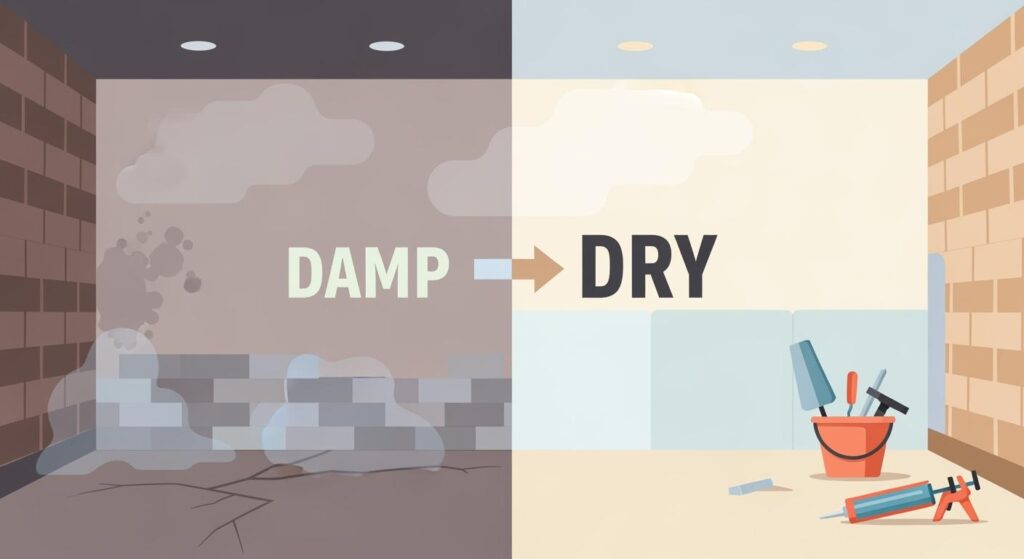
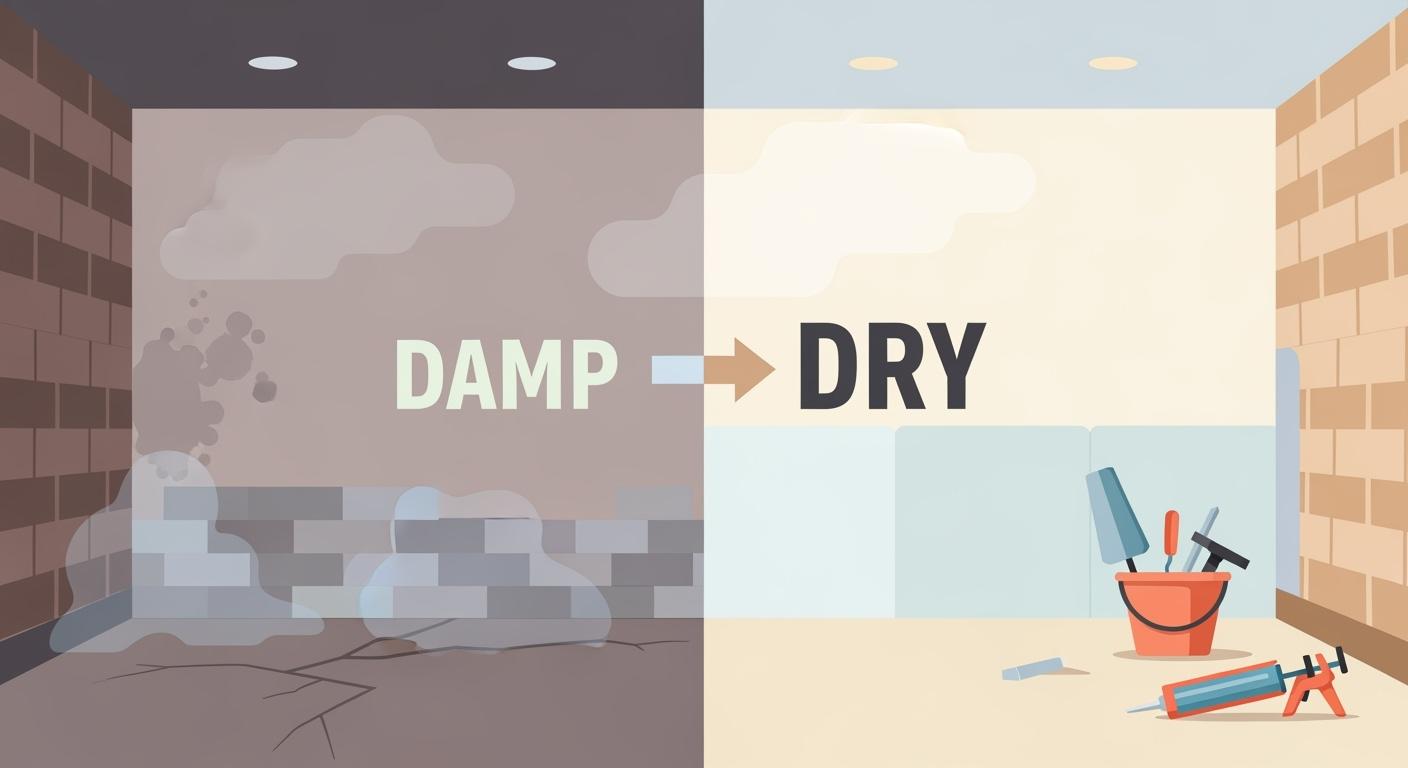
Do you hate your smelly, wet basement? This dampness affects your health. It also lowers your home’s value. Good waterproofing can make your property worth more. It can add up to 25%. This is true if your basement has damp problems. Cellar tanking is the best way to stop this wetness. This guide tells you about cellar tanking. It explains why it is important. It shows how basement tanking works. It will change your basement in 2025.
Key Takeaways
A damp basement affects your health. It also lowers your home’s value.
Cellar tanking stops wetness. It makes your property worth more.
This guide explains cellar tanking. It shows how it works.
Understanding Cellar Tanking: Defence Against Damp
What is Cellar Tanking?
Cellar tanking is a key way to waterproof. You put a physical shield on your basement’s inside or outside. This shield stops water from coming in. It makes a sealed space. Think of it as giving your basement a guard. This uses different ways. Liquid cement slurry is one. It works like a render. Plastic sheet membranes are another. Its main job is to stop damp from entering your building. This keeps your property steady and dry.
Why Basements Get Damp: Common Causes
You might ask why your basement gets damp. Several common issues cause this.
Hydrostatic Pressure: Water outside pushes on your basement walls. This happens if you have a high water table. Or if the ground is very wet. This pressure can push water through tiny cracks. You might see damp walls. Water might seep in. Mould might grow. Sometimes, you see cracks in the foundation. Your walls might push inwards at the bottom. Or slide in at the top.
Lateral Penetration: Water moves sideways through your basement walls. This often happens. It is due to bad drainage around your home.
Condensation: Warm, wet air in your basement hits cold surfaces. This makes water drops form. It is like a cold drink glass. This adds to the damp problem.
Rising Damp: Ground water goes up through your walls’ bricks. This happens if your damp proof course (DPC) is old. Or if it is broken or missing. Sometimes, rubbish in wall gaps can “bridge” the DPC. Or high ground outside. This lets damp get past it.
Capillary Absorption: Water can move through small holes. These are in concrete or masonry. This is a main way water gets into buildings. Especially into basements. The water reaches the inside. Then it dries up. This makes water flow from outside to inside.
Window Issues: Water can get in around your basement windows. This happens if the window moves. It creates gaps. Bad flashing when put in can cause this. Or badly angled fascia boards above windows. These can send rainwater right into your basement.
How Cellar Tanking Works
Cellar tanking makes a strong barrier against water. You build a defence for your basement. There are two main ways to waterproof your basement:
Feature | Type C (Drained Protection) | |
|---|---|---|
Water Management | Stops water from coming in. It makes a physical barrier. This is on the outside of the building. | Manages water that comes in. It collects and moves it away. This is from the inside of the building. |
Mechanism | It relies on the barrier being whole. This stops water from getting through. | It relies on a cavity drainage system. This collects and sends water. It goes to a sump pump to be removed. |
Application | Put on the outside walls and floor. This is for the building. | Put on the inside of the building. This makes a drained gap. |
Suitability | Good for new buildings. Or when you can easily get outside. | Good for old buildings. Or basements. Or when you cannot dig outside. |
Internal Environment | Aims to keep the building fully dry. It stops water from entering. | Lets some water into the gap. But keeps the inside living space dry. |
Type A systems are like a direct shield. They hold water back. You put a waterproof coat on. Or a tanking membrane. This goes right on the surfaces. This stops water from ever reaching inside your basement. This method is often called “tanking.”
Type C systems handle the water. They let some water into the building. But then they collect and drain it. You put a cavity drain membrane inside your walls. This makes a small gap. Any water that gets past the main building flows into this gap. Then, it goes into drainage channels. It is pumped away. This keeps your inside space dry. This way is often called “cavity drainage.” Both ways aim to protect your basement from damp. But they do it in different ways.
Types of Tanking Systems & Modern Solutions
You have learned about why your basement gets damp. Now, let us look at the different ways to fix it. Modern waterproofing offers great solutions. You can choose the best one for your home.
Cementitious Tanking: The Slurry Method
This is a classic way to stop damp. You apply a special cement-based slurry to your walls and floors. This creates a strong, physical waterproof barrier. Think of it as painting a tough, water-tight skin onto your basement surfaces.
To do this job right, several steps are important:
Surface Preparation: You must remove old plaster, render, and any loose bits. Get down to the bare brick or stone. Clean the walls well so they are dust-free.
Crack and Hole Repair: Fill any cracks or holes. A special fillet seal product works well here.
Salt Inhibitor (Optional): If your walls have a lot of salts, you might need a salt inhibitor. This stops salts from harming your new system.
Wetting Walls: Wet the walls before you apply the slurry. This helps it stick better.
Mixing the Slurry: The slurry comes as a powder. You mix it with water until it is like a thick batter. Use a paddle mixer for this.
Application: You put on several coats. Apply the first coat horizontally. Then, apply the second coat vertically. Make sure each coat dries properly.
This method is very effective. A professionally installed system can last for decades. It gives you durable, long-term moisture protection. Regular checks can make it last even longer.
Cavity Drain Membranes: Managing Water
Cavity drain membranes offer a more modern approach. These are physical barriers you fix to the inside of your basement walls. They create a small gap, or cavity, between the membrane and your wall. This system does not try to stop water from entering the structure. Instead, it manages the water that does get in.
Here is how it works:
Water enters your basement structure.
It flows down the wall and behind the tanking membrane.
The membrane directs this water into special drainage channels. These channels are usually at the wall/floor junction.
The channels then guide the water to a collection sump. This sump is often below the floor slab.
A pump in the sump then discharges the water out of your building.
This system is very flexible. It needs less surface preparation than traditional methods. This saves you time and money. It also reduces stress on your building. It does not fight groundwater pressure. Any water ingress is simply drained away. You can also easily access and repair this system if needed.
BANDě Wall & Floor Moisture Barrier: A Key Component
When you are looking for top-notch waterproofing, consider the BANDě Wall & Floor Moisture Barrier. This product is a high-performance solution. You can use it with either cementitious or membrane systems. It greatly improves the waterproof barrier for your walls and floors.
This barrier adds extra durability. It is easy to apply. It works very well to stop moisture. In 2025, using such advanced materials means your basement will stay dry and healthy for years.
When is Cellar Tanking Necessary?
How do you know if you need cellar tanking or basement tanking? Look for these clear signs:
Musty Smells: A damp, earthy smell is a big clue. It often means mould or mildew is growing.
Visible Damp Patches: You might see dark, wet spots on your walls or floor.
Efflorescence: This looks like white, powdery deposits on masonry. It is salt left behind when water evaporates.
Mould Growth: Black, green, or white fuzzy patches on walls, ceilings, or stored items.
Water Ingress After Heavy Rain: You see puddles or trickles of water after it rains a lot.
Ignoring these signs can lead to serious problems. Damp environments cause respiratory issues like asthma. They can trigger allergies and weaken your immune system. You might also experience skin conditions or even mental health impacts from living in a damp space. Addressing moisture issues with proper waterproofing is crucial for your health and your home’s value.
The Cellar Tanking Process: From Survey to Dry Space
Professional Assessment: The First Step
You need a good surveyor. They will change your basement. They find why it is damp. They check your structure’s strength. Then, they suggest the best waterproofing system. Find a surveyor with a CSSW qualification. This is the best in the field. They fix water problems below ground. They also plan solutions.
A good surveyor maps out moisture. They check drainage. They use tools to check water pressure. These tools help them. They understand your basement‘s needs. This gets you the right basement tanking fix.
Installation: What to Expect
You pick your system. Then, work starts. First, get surfaces ready. Clear everything from walls and floors. Remove old plaster and coatings. Get to the bare brick. Clean out old mortar. Make walls dust-free. Fix any cracks or holes. If you have much salt, use a salt blocker. Look for water leaks. You might need to stop water pressure.
The brickwork must be strong. It needs to hold back water pressure. If walls are weak, make them stronger. This stops water from getting in.
Next, make a strong wall-floor joint. This is a fillet joint. Then, put on your waterproofing. This could be slurry or a membrane. Last, seal everything. You can then plaster and decorate.
Maintaining Your Tanked Basement
Your new basement needs care. This keeps it working well. Check it every year. Look for water or damage. This includes bubbles, white powder, or bad smells. Keep gutters clean. Make sure downpipes move water away. Fix outside land if drainage is bad. Repair cracks with a waterproofing kit.
Watch for signs of trouble. Old cellar tanking can fail. Bad installation causes problems. Changes in ground, like wet soil, can also hurt it. Regular checks help you find issues early. This keeps your basement dry.
Cellar tanking changes your damp basement. It gets rid of musty smells. It makes your basement healthy. It makes it valuable. This waterproofing makes your home worth more. It makes the air better in your basement. Fixing wet basements with professional tanking is smart. It helps your home in the future.
Get good waterproofing. It will stop basement wetness forever. Keep your basement safe with expert waterproofing.
FAQ
How long does cellar tanking last?
Good tanking can last many years. Regular checks keep it working well. It is a lasting fix for your home.
Is cellar tanking expensive?
Prices change. It depends on the system. It depends on basement size. It is an investment. It adds value. It protects your property. It is an investment. It adds value. It protects your property.
Can I do cellar tanking myself?
We suggest pros do this work. It needs special skills. It needs special knowledge. Experts make sure it works. They make sure it lasts.
See Also
DIY Basement Flood Protection: Your Essential Pre-Season Preparation Guide
Permanent Solutions for Damp, Dusty Basement Concrete Floors: A DIY Guide
Basement Leak? Try This DIY Repair Before Hiring Costly Professionals
Your Home’s Essential Guide to Wall and Floor Moisture Barriers
Ultimate Guide to Concrete Sealer: Protecting Your Industrial Floors Effectively
