

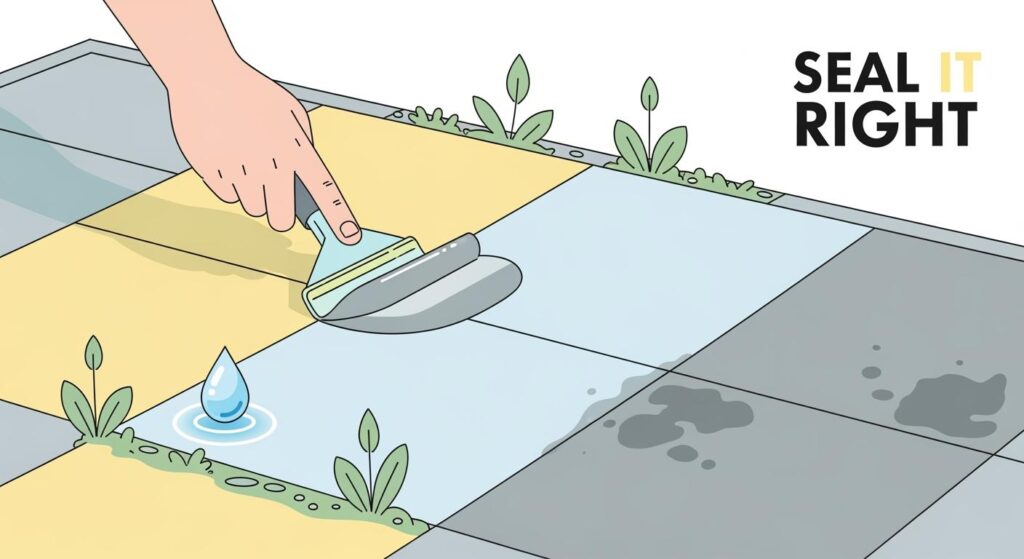
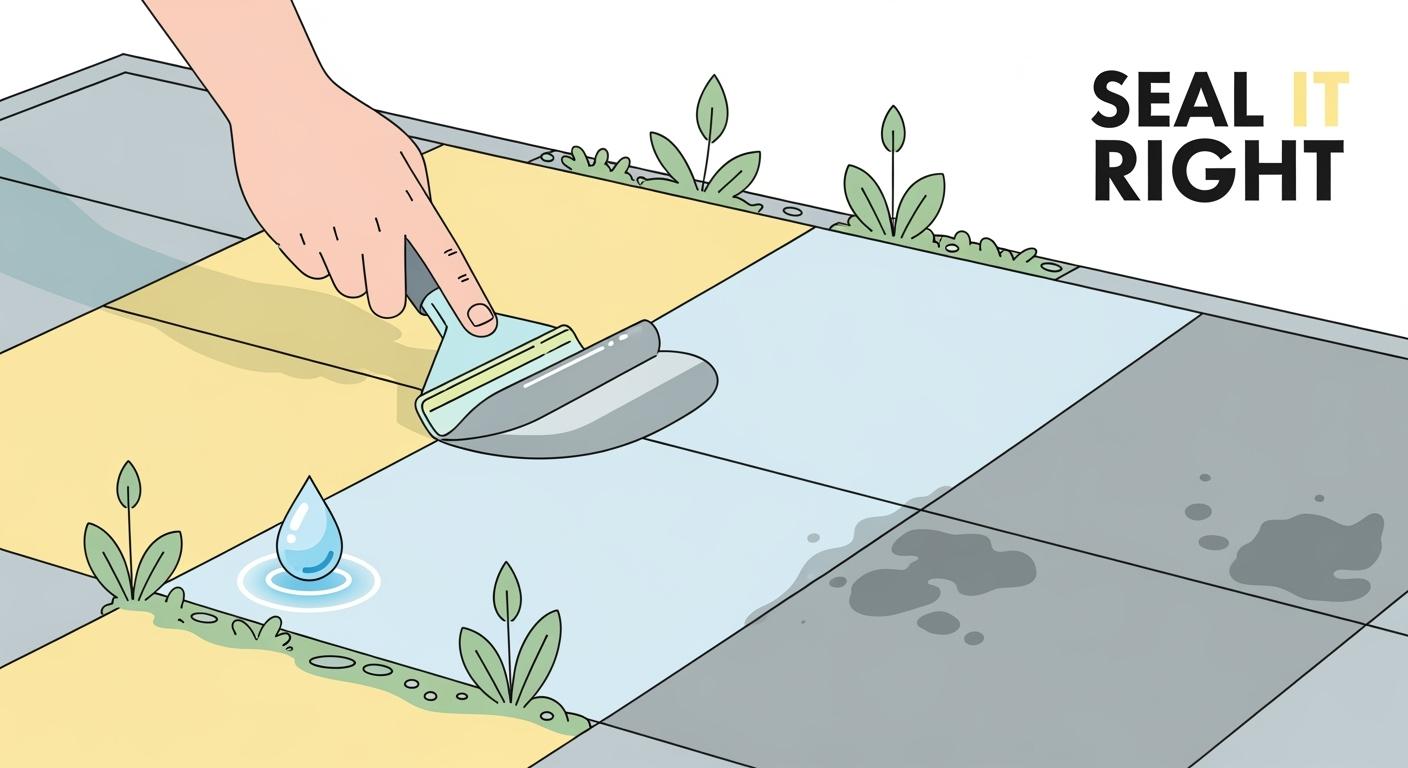
What is patio sealer? It’s a protective liquid coating for various patio surfaces. This sealer penetrates the material, forming a vital protection barrier. This crucial sealing maintains your patio’s appearance and longevity. Effective patio surface sealing is essential for your outdoor surface, especially with the unpredictable British weather in 2025. Smart sealing!
Key Takeaways
Sealing your patio protects it from bad weather, stops weeds and moss, and makes it easier to clean. This keeps your patio looking good for a long time.
Choose the right sealer for your patio. Penetrating sealers soak in and keep a natural look, while surface sealers create a layer on top and can add a shine.
Always clean your patio well and let it dry completely before you put on any sealer. This helps the sealer work best and protect your patio properly.
Why Seal Your Patio in 2025?
You might wonder why you should bother with patio sealing in 2025. The benefits are clear. Sealing your patio offers comprehensive protection against the elements, keeps it looking great, and saves you time and money on maintenance. Let’s explore why this is such a smart move for your outdoor space.
Protecting Against British Weather
The British weather is famously unpredictable, and it takes a toll on your patio. Unsealed patio slabs, especially natural stone, suffer from constant exposure to rain, frost, and pollution. This leads to degradation, cracking, and discolouration. Without proper sealing, water seeps into the material. During colder months, this trapped water freezes and expands. This process, known as frost heave, causes cracking or spalling. UV rays also contribute to wear and tear, accelerating damage alongside other environmental factors.
Consider the impact of freeze-thaw cycles across the UK:
North East UK: You see erratic weather patterns, with wet winters and freezing temperatures. These fluctuations cause repeated freezing and thawing, damaging your driveways and patios.
Newcastle: Colder-than-average winters bring sub-zero temperatures, freezing rain, ice, and frost heave on exposed surfaces. Rain combined with cold creates conditions for cracking and water damage.
Sunderland: Strong coastal winds and heavy rain stress patio materials. Wet conditions followed by sudden temperature drops cause cracking when trapped water freezes and expands.
Middlesbrough: Frequent heavy rainfall combined with brief freezing spells creates ideal conditions for frost damage, especially where drainage is poor. Pooled water on surfaces freezes, creating slippery conditions.
Durham: Frequent frost and snowfalls lead to freeze-thaw cycles, causing problems for patios vulnerable to frost heave, leading to cracks.
A good patio sealer acts as a barrier. It prevents water penetration and protects against UV damage. This stops cracking, fading, and discolouration, ensuring your patio maintains its look for years.
Preventing Weeds and Moss
Nobody enjoys battling weeds and moss on their patio. Sealing your patio makes this chore much easier. The sealer fills and hardens the jointing sand between your slabs. This creates a strong barrier that inhibits weed growth. It also prevents moss and algae from accumulating.
The sealing fills gaps, making it harder for weeds to root between slabs.
A sealed surface reduces porous entry points where seeds and debris typically settle.
Sealing keeps moisture out of joints, deterring weed growth that thrives in damp conditions.
A sealed patio is easier to clean, allowing you to regularly remove early weed growth.
You often find various types of moss and algae on UK patios. These include:
Algae: This appears as a green film or powdery deposit. Dark green or blackish jelly-like growths, often Nostoc, make surfaces slippery.
Lichen: You see this on paving, varying in colour and texture. While not damaging, it contributes to slipperiness.
Liverwort: These are green, flattened, plate-like bodies that can make surfaces slippery.
Moss: This forms cushion-like growths. While not damaging, moss makes patios, drives, and steps slippery, posing a safety concern.
Sealing your patio helps you avoid these slippery hazards and keeps your outdoor space looking tidy.
Resisting Patio Stains
Your patio is an outdoor living space, so spills and dirt are inevitable. Sealing creates a non-porous surface. This makes it difficult for oil, grease, food spills, and general dirt to penetrate and stain your patio. You will find stain resistance significantly improved.
Acid Damage
Biofilm
Bitumen
Blood
Carbon
Concrete/Grout/Mortar
Copper Oxide
Efflorescence
Egg
Failed Sealer
Fire Damage
Fuel/Oil
Graffiti
Grease/Fat/Cooking Oil
Lawn Fertiliser
Lead Carbonate
Lead Oxide
Limescale
Organic Stains
Paint Splashes
Rust
Tar & Glue
Tannin
Traffic Film
Trapped Moisture/Sealer Repairs
Urine
Without sealing, these stains can become deeply embedded, requiring costly professional cleaning. For example, treating an oil stain with a degreasing solution can cost you £150-£200. A 25 square meter natural stone patio with tough stains and algae, requiring steam cleaning, sealing, and specialized stain removers, could cost £250-£300. By investing in sealing, you prevent these expensive clean-ups.
Boosting Patio Aesthetics and Life
A sealed patio simply looks better. Sealing can deepen the colours of your slabs, giving them a richer, more vibrant look. Some sealers even provide a subtle sheen, creating a “wet look” that enhances your patio’s appeal. It also protects against sun soaking out colour, maintaining that fresh look.
Beyond aesthetics, sealing significantly extends the lifespan of your patio slabs. This reduces the need for costly repairs or even full replacement. Patio sealing prevents costly structural damage. It stops water penetration that leads to joint sand erosion, freeze-thaw damage, and sub-base deterioration. Sealing stabilises joint sand, preventing erosion from wind and rain, weed growth, and ant colonisation. It also prevents irreversible structural damage such as surface spalling (flaking), efflorescence (white deposits), and joint failure (uneven surfaces). This enhances the durability of your patio, offering superior resistance to cracking, warping, and staining.
A well-maintained, attractive patio also boosts your property value. Patio sealing enhances kerb appeal, making your home look fresh and well-cared for. This creates a positive first impression on potential buyers, potentially leading to faster sales and higher offers.
Simplifying Patio Maintenance
You will find a sealed patio much easier to clean. The non-porous surface repels dirt and grime, meaning you need less effort and fewer harsh chemicals to maintain its pristine condition. It also repels mildew and makes your patio a slip-resistant surface.
Regular maintenance becomes a breeze. Instead of scrubbing stubborn stains, you can often just hose down your patio or give it a quick sweep. This saves you valuable time and effort, allowing you to enjoy your outdoor space more. The benefits of reduced maintenance alone make sealing a worthwhile investment.
Choosing the Right Patio Sealer
When you decide on sealing your patio, you face a crucial choice: which type of sealer is best for your outdoor space? Not all sealers are the same. They offer different benefits and suit various patio materials. Understanding these differences helps you make an informed decision for your patio.
Penetrating Sealers Explained
Penetrating sealers, also known as impregnating sealers, work by soaking into your patio material. They don’t form a film on the surface. Instead, they chemically bond to the pore walls within the stone or concrete. This creates a barrier from the inside. You will find they preserve the natural texture and look of your patio. They don’t change the colour or appearance, maintaining that authentic aesthetic.
These sealers are highly breathable. This means they allow water vapour to pass through the material. This breathability is vital for your patio’s health. It prevents moisture from getting trapped inside, which can lead to problems like freeze-thaw damage. When moisture builds up, it can also encourage moss, lichen, and algae growth. By allowing your patio to “breathe,” you prevent these issues, reducing maintenance and preserving its appearance.
Penetrating sealers are excellent for natural stone and concrete. They protect from within, blocking water, oil, and chemicals. They offer long-lasting protection, often for over 10 years, meaning less frequent reapplication for you.
Surface Sealers Explained
Surface sealers, sometimes called topical or film-forming sealers, create a protective layer on top of your patio’s surface. This layer acts as a physical barrier. These sealers can enhance the colour of your patio and often provide a sheen. If you want a “wet look sealer” that deepens colours and adds a glossy finish, a surface sealer is your best bet.
While they offer excellent stain protection, surface sealers are less breathable than penetrating types. This means they can trap moisture if applied incorrectly, potentially leading to peeling or flaking over time. They are particularly suitable for highly porous stones like limestone and sandstone, and also work well for block paving, concrete, and brick. If your patio sees heavy foot traffic, a surface sealer provides a robust protective layer. You will find they need more frequent reapplication, typically every 1-3 years, compared to penetrating sealers.
Understanding Sealer Chemistry
Patio sealers come with different chemical bases, each offering unique properties. You will commonly find acrylic, polyurethane, and silicone-based options.
Acrylic Sealers: These are a popular choice. They are cost-effective and often have lower levels of volatile organic compounds (VOCs), making them more environmentally friendly. Acrylic sealers offer good weather resistance and UV protection, helping to prevent yellowing. They are available in various finishes, from high gloss to matte. You can choose between solvent-based and water-based acrylics. Water-based options are easier to apply and have less odour, but might need more frequent reapplication. Generally, acrylic sealers last 1 to 3 years.
Polyurethane Sealers: If you need superior durability, especially for high-traffic areas, polyurethane sealers are an excellent option. They form strong, reliable bonds to various surfaces like concrete. These sealers are incredibly flexible and durable, resisting cracking from temperature changes and movement. They also offer strong resistance to chemicals, oil stains, and harsh weather conditions, including UV radiation. Polyurethane sealers provide long-lasting protection, maintaining their integrity over extended periods.
Silicone Sealers: These sealers, often water-based silicone silane resin emulsions, provide exceptional water repellency and stain resistance. They significantly reduce water absorption, which minimises issues like efflorescence (white deposits), organic staining, and moss/algae growth. A key benefit is that they preserve the natural breathability of your patio surface, allowing moisture vapour to escape. This helps prevent damp problems. Silicone sealers offer long-lasting, durable protection and even provide self-cleaning properties, reducing your maintenance efforts.
Choosing the right patio sealer depends on your patio material, desired look, and how much protection you need. Each type offers distinct advantages for your outdoor space.
Effective Patio Sealing Application
You have chosen your ideal patio sealer. Now, you need to apply it correctly. Proper sealing ensures maximum protection and a great look for your patio. This section guides you through the process.
Patio Preparation Steps
Before any sealing begins, thorough preparation is key. First, remove all weeds from your patio. Then, clean the entire surface. Pressure washing is often the best method. Use a medium pressure setting, typically between 1500 to 2000 PSI. Always start with a low setting. Test it on a small, hidden area. This prevents damage, especially on delicate materials. Use 25-degree or 40-degree nozzles. They create a wide spray. Keep the nozzle about 50 cm away from the surface. Move it steadily. This avoids etching or damage. After cleaning, your patio must be completely dry. It should have been dry for 72 hours. This is crucial before you apply any patio sealer.
Sealer Application Techniques
You have several ways to apply your sealer. Each method has its benefits.
Roller Application: This is often affordable and easy to use. Rollers provide brilliant coverage. They reach all the way to the edges. This method gives an even coating. However, you might roll sand over the pavers. It may not achieve complete joint coverage.
Spray Application: This method offers consistent coverage. It helps avoid missed spots. It also reduces labour, especially for larger jobs. Be aware, some sealers, like non-skid types, cannot be sprayed. They will clog the equipment. Spraying also tends to use more sealer.
Brush Application: Brushes allow precise application. You can avoid splashing walls or greenery. You can seal around the edge of the area. This is typically 4-6 inches into the sealing area. Brushes help spread the solution evenly.
Drying and Reapplication Schedule
After applying the sealer, allow it to dry properly. Universeal Paving Sealers need a minimum of 1 to 2 hours drying time. Avoid foot traffic for up to 4 hours. If it is sunny, 2 hours might be enough. Avoid heavy foot traffic for 7 hours. You can resume vehicle traffic 24-36 hours after application. Longer is always better for maximum results. Do not apply sealer below 5 degrees Celsius or above 20 degrees Celsius. This affects performance. Unexpected bad weather will extend drying periods. For clear sealers, an annual reapplication is suggested. This allows for quick renewal and maintains the look. Generally, sealants need reapplication every few years. This maintains their effectiveness. Regularly inspect your sealed surface for wear. Apply touch-ups as needed. This ensures continuous sealing protection.
You see the clear benefits of patio sealing. This sealing offers superior protection for your patio against elements, weeds, and stains. This sealing ensures a beautiful, durable patio. You will love its enhanced look. A good sealer simplifies maintenance. Investing in patio sealing is a smart, cost-effective choice. This proactive sealing preserves your outdoor living space in 2025 and beyond. It ensures lasting protection and a fantastic look for your patio. This sealing truly transforms its look. The right sealer makes all the difference. This sealing is key.
FAQ
How often should you re-seal your patio?
You should re-seal your patio every 1-5 years. This depends on the sealer type and traffic. Regular sealing protects your surface.
Can you seal a new patio straight away?
Wait for new patio slabs to fully cure. This usually takes 3-6 months. Then, you can apply your chosen sealer to the surface.
What if your patio is already stained?
Clean your patio thoroughly first. Remove all stains and debris. Ensure the surface is dry before applying any sealer. This prepares the surface for effective sealing.
See Also
Safeguarding Your Patio: Preventing Unsightly Oil and Stain Damage
Top 10 Concrete Sealers for Superior Surface Protection
BANDě’s Essential Guide to Premium Concrete Dustproofing Sealers
Elevate Your Surfaces: Premier Concrete Protective Sealers for 2025
A Crucial Guide for Selecting Optimal Concrete Protective Sealers
