

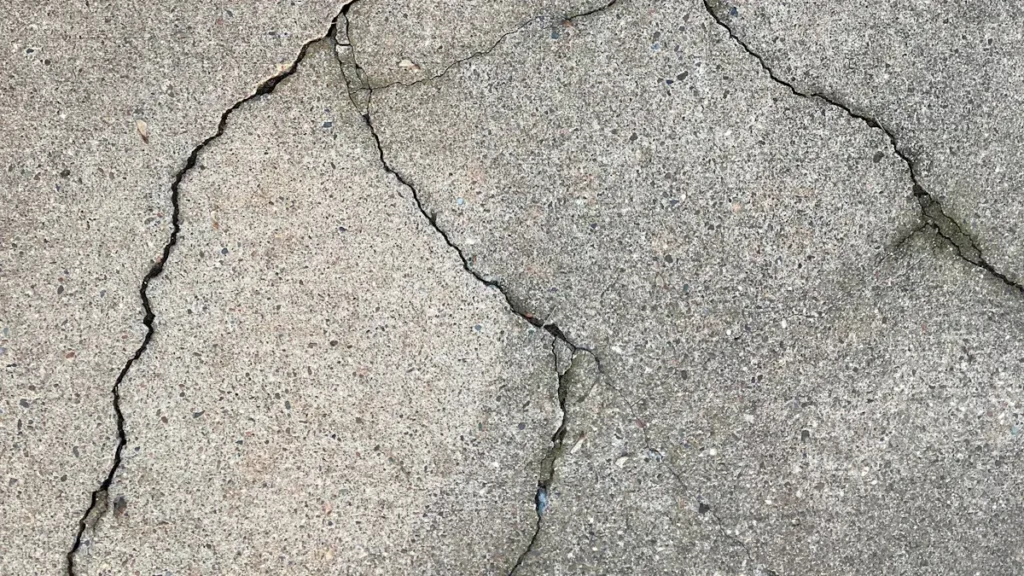
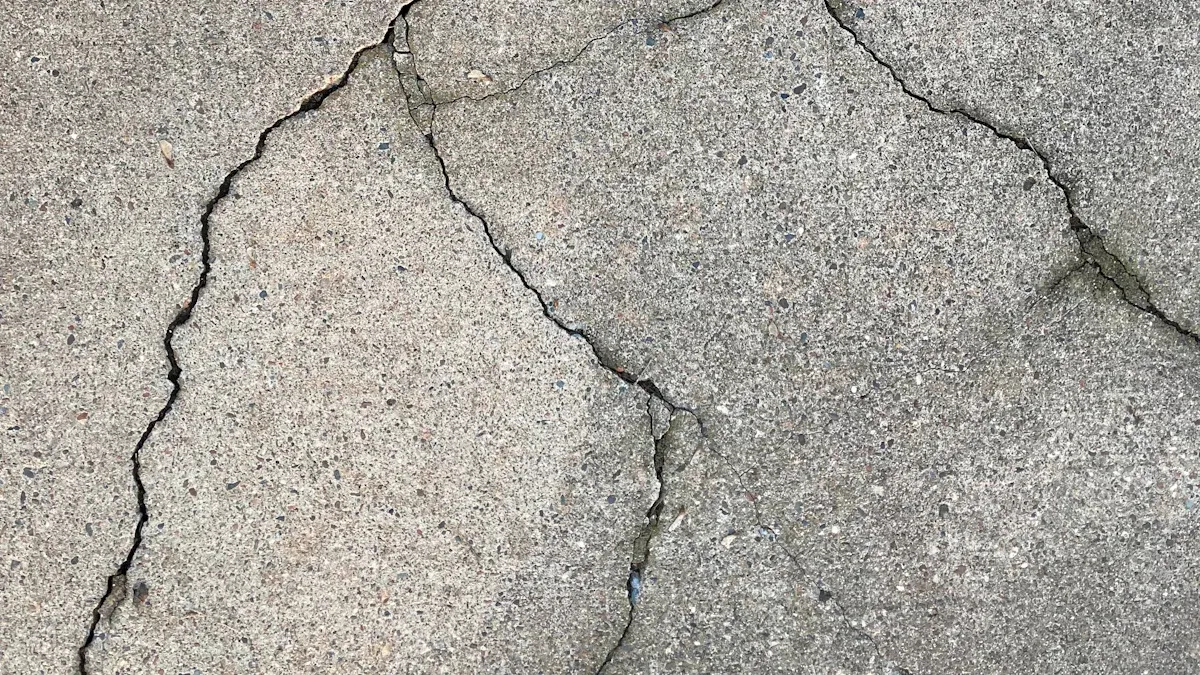
Cracks in your concrete are frustrating, often due to factors like temperature shifts or ground settlement. You might search for a quick fix, but a successful concrete crack repair truly means understanding the crack itself. This guide simplifies identifying various types of concrete cracks and choosing the most effective filler. You will learn practical concrete crack repair methods to repair cracks in concrete, ensuring a durable fix through proper preparation and application.
Key Takeaways
Understand your concrete crack type. Hairline, medium, and wide cracks need different fixes. Also, know if a crack is active or dormant.
Choose the right filler for the crack. Use sealants for small cracks. Use epoxy or polyurethane for medium cracks. Use mortar or cement for wide cracks.
Prepare the crack well before fixing it. Clean it and widen it if needed. Then, apply the filler and let it cure fully. This makes the repair last.
Understanding Types of Concrete Cracks
Before you grab any filler, you need to become a detective and understand the different types of concrete cracks you are dealing with. Each crack tells a story about its cause and what it needs for a lasting repair. Knowing these distinctions helps you choose the right fix.
Hairline Cracks: Identification and Causes
Hairline cracks are the thinnest you will see. They usually measure less than 1/8 of an inch wide, often appearing as fine lines on the surface. Think of them as tiny spiderwebs across your concrete. While they look minor, they can still allow water to seep in. You might wonder why concrete cracks happen, even these tiny ones. Several factors contribute to hairline cracks:
Too much water in the mix: An excessive amount of water weakens the concrete, making it brittle and prone to cracking.
Rapid drying: Extreme temperatures, whether hot or cold, can cause concrete to harden too quickly. This leads to a loss of flexibility and subsequent cracking.
Improper strength concrete: Using an incorrect mix of cement, aggregates, and water results in concrete that lacks necessary strength and durability. This often leads to imperfections.
Lack of control joints: Without purposely created gaps, small movements from temperature changes can result in larger, random cracks.
Inadequate soil compaction: Poorly compacted soil cannot properly support the concrete. This leads to uneven settling, stress, and cracking.
Shrinkage: Hairline cracks commonly occur because concrete shrinks as it dries out or due to temperature fluctuations over time.
Medium Cracks: Characteristics and Common Causes
Medium cracks are more noticeable than hairline cracks. They typically range from about 1/8 inch to 1/4 inch wide. These cracks are not just superficial; they often indicate more significant stress on your concrete. You might see them running across a slab or forming more complex patterns. Here are some common reasons why concrete cracks happen in this medium range:
Weathering and Seasonal Changes: Extreme temperature fluctuations, like freezing winters and hot summers, cause concrete to expand and contract. This creates tension and leads to cracks. Water infiltration during freeze-thaw cycles further weakens the material.
Heavy Loads and Traffic: Constant exposure to vehicles exceeding the pavement’s weight capacity, such as large trucks or heavy machinery, exerts excessive pressure. This results in these types of cracks.
Poor Installation or Maintenance: Improper construction, including inadequate subbase preparation, incorrect material usage, or lack of attention to detail, can cause premature cracking. Neglecting maintenance, like sealing existing cracks or fixing drainage, also accelerates damage.
Tree Roots: Roots growing beneath the pavement in search of water and nutrients can disrupt the subbase. This causes cracks and upheavals.
Subsurface Water and Drainage Issues: Poor drainage allows water to accumulate under or around the pavement. This weakens its foundation, erodes the subbase, and eventually leads to cracks.
Wide Cracks: Structural Concerns and Movement
Wide cracks are the most concerning. These cracks measure 1/4 inch or more in width and often indicate significant structural issues or ground movement. You might see them running deep into the concrete, sometimes with one side of the crack higher than the other. These are not just cosmetic problems; they can compromise the integrity of your concrete structure. Wide cracks often suggest serious underlying problems like significant soil settlement, expansive clay soils, or even foundation issues. You should address these cracks promptly, as they can worsen over time and lead to more extensive damage.
Active vs. Dormant Cracks: Distinguishing Stability
Understanding if a crack is active or dormant is crucial for choosing the right repair method.
Dormant cracks are stable. They do not change in width or length over time. Once they appear, they stay the same. You can often fill these with more rigid materials.
Active cracks, on the other hand, are still moving. They widen, lengthen, or show signs of vertical displacement. Repairing an active crack requires a flexible filler that can accommodate ongoing movement.
How do you know if a crack is active? Look for these signs:
Signs of water leakage, especially actively leaking water.
Cracks that begin to spall (flake or crumble).
Cracks wider than 1/8th of an inch.
Corresponding damage inside your home, such as sticking doors or windows, or drywall cracks directly above a foundation crack.
Cracks that appear suddenly and progressively worsen.
Seasonal movement, where the crack changes with temperature fluctuations.
Water seepage during or after rainfall.
Associated wall displacement or floor irregularities in adjacent areas.
Lateral movement, which you might notice as a bulging of the wall.
If you observe any of these indicators, you are dealing with an active crack. Ignoring these signs can lead to repeated repair failures and further damage.
Matching Fillers to Concrete Crack Types
Now that you understand the different types of cracks, you can choose the right product for your concrete crack repair. Picking the correct filler is like choosing the right tool for a job; it makes all the difference for a lasting fix.
For Hairline Cracks: Sealants and Caulks
For those tiny hairline cracks, you need something that can get into small spaces and seal them effectively. You will find that sealants and caulks are your best friends here. They are perfect for sealing these minor imperfections.
Elastomeric Sealant: This is a great choice for filling small cracks. It stays flexible and keeps water out.
Polyurethane Sealant: If your hairline cracks expand and contract with temperature changes, a polyurethane sealant is ideal. It offers excellent flexibility.
Masonry Caulk: For small exterior cracks, masonry caulk provides good weather resistance.
When you choose a sealant or caulking product, consider if you need a self-leveling or non-sag option. Self-leveling caulk flows into horizontal cracks on its own, creating a smooth finish. Non-sag caulk stays where you put it, making it perfect for vertical surfaces or sloped areas where you do not want the product to run.
For Medium Cracks: Epoxy and Polyurethane Fillers
When you face medium cracks, typically between 1/8 and 1/4 inch wide, you need stronger materials. Here, epoxy and polyurethane fillers come into play. These products offer more robust solutions.
Epoxy resin forms a rigid bond and is very durable. This makes it a strong option for structural cracks and areas under significant stress. For example, you might use:
Epoxy (PE-CF ULTRA): This is 100% solids, non-shrink, and non-sag. It is moisture insensitive and sticks well to concrete, masonry, wood, and steel. Its paste consistency works great for horizontal, vertical, and overhead crack sealing. It cures very fast, even down to 20°F (-6°C), and works on dry or damp surfaces.
Epoxy (PE-CFFAST): This is a sag-resistant structural epoxy system. It offers excellent adhesion to many materials and cures quickly.
Polyurethane fillers, on the other hand, offer more flexibility. For instance, Polyurethane (PU-MEMBRANE) has high elongation and tear resistance. It is designed to bridge new cracks and acts as a highly resistant waterproof elastomer. An injection of these materials can effectively fill and seal these cracks.
For Wide Cracks: Mortar, Cement, and Backer Rods
Wide cracks, those 1/4 inch or more, often require more substantial fillers. You will typically use mortar or cement-based products, often with a backer rod.
For horizontal concrete surfaces, you can use products like BEHR PREMIUM® Concrete Crack Filler. This dry powder filler can fill cracks up to 2 inches wide. It dries fast and is easy to touch up. You can use it on patios, driveways, garage floors, pool decks, walkways, and basement floors.
For a more flexible option, consider DAP TEXTURED CONCRETE Premium Elastomeric Filler & Sealant. This acrylic latex sealant works well for sidewalks, driveways, and patios. It gives you seamless, natural-looking repairs, great flexibility, and strong adhesion. It is 100% waterproof, weatherproof, and resistant to gasoline and oil. Similarly, DAP TEXTURED MORTAR Premium Elastomeric Latex Filler & Sealant mimics real mortar texture. It repairs cracked mortar joints, loose bricks, and stones, offering durable flexibility and mold resistance.
When you tackle wide cracks, especially with sealants, you should use a backer rod. A backer rod is an extruded, round, closed-cell polyethylene foam. It is highly flexible and compressible.
Backer rods provide a base for sealants. They stop the sealant from running down the entire depth of the crack.
They ensure proper curing by controlling sealant thickness. If you apply material too thick, it will not cure correctly.
You should stuff a foam backer rod, slightly wider than the crack gap, into the crack. Use a screwdriver to create a solid base for your repair material.
For horizontal cracks, a self-leveling sealant works best, and you must use a backer rod. For cracks with a slope, a non-sag sealant can be used, and you can still incorporate a backer rod.
For Active Cracks: Flexible Polyurethane Sealants
Active cracks are still moving, so you need a filler that can move with them. Flexible polyurethane sealants are the ideal choice here.
Polyurethane’s flexibility allows it to accommodate movement and expansion in active cracks. It moves with the concrete without causing new damage. Unlike rigid epoxy solutions, polyurethane crack injection products keep their integrity even under stress or structural shifts once they cure. The flexible nature of polyurethanes helps them handle slight movements without cracking or breaking apart. This makes them suitable for foundation cracks caused by soil settlement or shifting.
Polyurethane construction sealant offers 70% total joint movement. This shows its high flexibility and ability to handle significant structural shifts. A polyurethane joint sealant or flexible joint sealant is crucial for these dynamic cracks. You might even consider a polyurethane foam injection for larger, actively leaking cracks.
For Dormant Cracks: Rigid Epoxy Fillers and Mortars
Dormant cracks are stable; they are not moving anymore. For these, you can use more rigid materials. Rigid epoxy fillers and mortars are excellent choices. They provide a strong, permanent bond that restores the concrete’s integrity. Since there is no ongoing movement, you do not need the flexibility required for active cracks. A strong epoxy or a cement-based mortar will fill the void and prevent further deterioration.
Advanced Concrete Crack Repair: Epoxy Injection
For serious structural cracks, especially in foundations, advanced concrete crack repair methods like epoxy injection are often necessary. This method restores the structural integrity of the concrete.
The process of epoxy injection involves:
You first thoroughly assess the cracks. This helps you determine the right epoxy and injection technique.
Then, you fill the cracks with a specially formulated epoxy resin.
The epoxy resin bonds with the concrete, creating a strong and durable seal.
Epoxy injection offers several benefits:
Structural Restoration: It restores the structural integrity of foundations. It fills and seals cracks, preventing further damage and maintaining stability.
Prevents Water Infiltration: It creates a waterproof barrier. This seals off cracks to prevent water seepage, moisture problems, and mold growth.
Cost-Effective Repair: It is often more economical than replacing a whole foundation. It reduces labor and material costs.
Durable and Long-lasting: The epoxy resins form a strong bond with concrete. This provides a durable repair that reinforces the concrete and stops cracks from reopening.
Key Factors for Filler Selection
Choosing the right concrete crack filler involves more than just identifying the crack type. You also need to consider several practical factors. These elements ensure your repair lasts and looks good.
Location: Indoor vs. Outdoor Needs
Where is the crack located? This question significantly impacts your filler choice. Outdoor cracks face harsh conditions. They need to withstand the freeze-thaw cycle, where water expands and contracts. Prolonged exposure to UV rays and heat can also degrade unsealed concrete.
Tip: Always check the technical datasheet for the ideal application temperature of your chosen filler. This varies by product and affects its effectiveness.
For outdoor applications, consider these differences:
Feature | Epoxy | Polyurethane |
|---|---|---|
UV Resistance | Not resistant; fades over time outdoors | Can be used outdoors |
Flexibility | Rigid; does not support natural ground/structure movements | Flexible; can withstand floor/foundation movement (up to 25% allowance); ideal for freeze-thaw cycles |
Application | Restores concrete structure | Hydrophilic (reacts with water for waterproofing); often preferred for residential foundations |
Drying Time | 3-6 days | 2-4 days |
Epoxy and urethane sealers offer great protection against chemicals. However, they are generally less suitable for exterior concrete in cold climates. This is due to their lack of breathability.
Traffic: Durability and Load Capacity
Think about how much traffic your repaired concrete will endure. A crack in a low-traffic basement floor needs a different solution than one in a busy driveway. High-traffic areas demand fillers with superior durability and load-bearing capacity. You need a product that can handle constant weight and movement without failing.
Aesthetics: Color and Finish
Do you want the repair to blend in or stand out? Many fillers come in various colors. You can often find options that match your existing concrete. Some products also offer different finishes, from smooth to textured. This helps you achieve a seamless look.
Application: DIY vs. Professional Products
Your skill level also plays a role. Some products are very user-friendly. For example, DAP Bondex Concrete Patch is easy for homeowners to use. It balances cost, ease of use, and a good finish. However, achieving professional-level results, especially with resurfacing kits, often requires more skill. You might consider hiring a professional for optimal outcomes on complex jobs.
Project Timeline: Cure Time and Pot Life
Consider your project timeline. How quickly do you need the repair to cure? Pot life refers to how long you have to work with the mixed product before it hardens. Cure time is how long it takes for the filler to fully harden and reach its maximum strength. These factors are crucial for planning your work efficiently.
Effective Concrete Crack Repair Methods
You have identified your crack and chosen the right filler. Now, let’s get to work! Following proper concrete crack repair methods ensures a durable, lasting fix.
Preparation: Cleaning and Widening
You need to start your concrete crack repair methods with excellent preparation. First, clean the crack thoroughly.
Use a stiff wire brush to scrub out all dirt, debris, and weeds.
Follow up with a compressed air gun to blow out any remaining particles. This ensures the crack is completely clean.
For hairline cracks, you might need to chisel slightly to widen the opening. This helps the filler penetrate better.
If you use water to clean, allow the area to dry completely. All cracks must be clean, sound, dry, and free of any dirt or debris.
Application: Techniques and Tools
Next, apply the filler. This step is crucial for effective concrete crack repair methods.
Thoroughly clean the affected area. Remove dust, debris, oil, and loose concrete. This ensures proper bonding of repair materials.
Widen or shape the crack with specialized tools. This creates a uniform profile. It also maximizes the contact area for injection materials.
Choose the right material based on the crack’s nature. For example, use epoxy injection for structural, static cracks. This restores strength.
Inject or apply the chosen material. Follow manufacturer guidelines. Control environmental factors like temperature and humidity. Ensure proper curing for optimal strength.
Finishing: Curing and Sealing
Finally, finish your concrete crack repair. Proper curing and sealing are vital.
Allow the filler to cure fully. This ensures maximum strength.
Consider how to seal cracks. Applying a sealant over your repair offers many benefits.
It stops water at the source. This prevents water from penetrating the foundation.
It prevents more serious damage. You avoid issues like rust on rebar and mold growth.
It extends your foundation’s lifespan. A sealed and stable foundation remains strong.
It enhances structural integrity. It halts crack expansion caused by water. This step is essential for long-lasting concrete crack repair methods. Avoid just patching; consider patching or resurfacing for a complete solution.
Choosing the right concrete crack filler is totally manageable now that you have the knowledge. Remember, accurately identifying your crack type is the most crucial step for a successful repair. Go ahead, confidently tackle your concrete projects! You will love the satisfaction of a durable, well-fixed surface. 💪
FAQ
Can I just ignore hairline cracks?
No, you should not ignore hairline cracks. Even small cracks let water in. This causes bigger problems like freeze-thaw damage or rebar rust. Seal them to prevent future issues.
How long does a concrete crack repair last?
A good repair lasts many years. It depends on the crack type, filler choice, and proper application. Flexible fillers for active cracks often last longer.
When should I call a professional for concrete cracks?
Call a professional for wide cracks (over 1/4 inch) or active cracks. If you see structural concerns or foundation issues, get expert help. They have advanced solutions. 👷♂️
See Also
Cement Crack Sealer: Your Ultimate Guide for Durable, Long-Lasting Repairs
Selecting the Ideal BANDě Cementitious Crack Sealer for Your Project
Choosing the Best BANDě Concrete Patching Compound for Your Needs
Essential Guide: Selecting the Top Concrete Protective Sealer
BANDě Concrete Sealer: Your Definitive Guide to 2025’s Best Choices
