

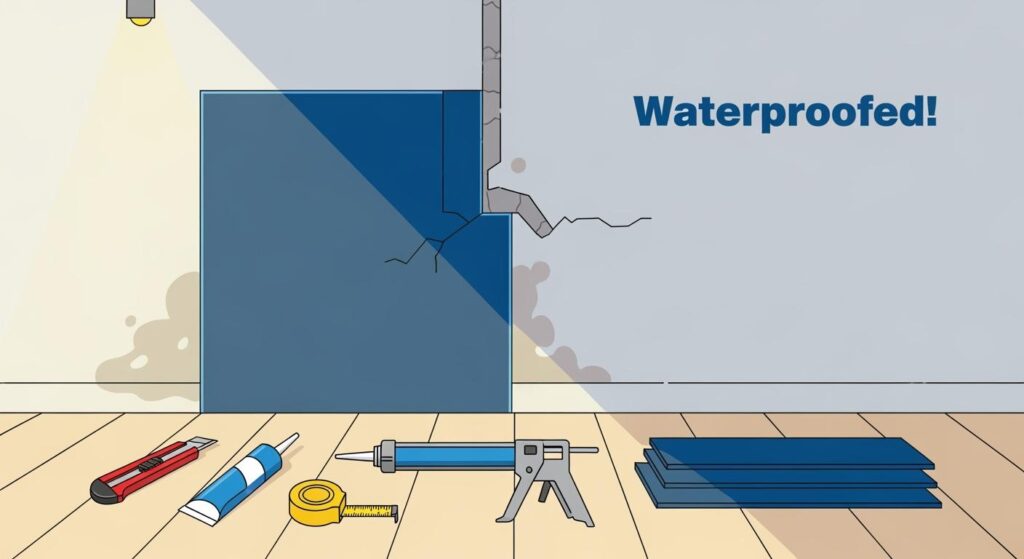
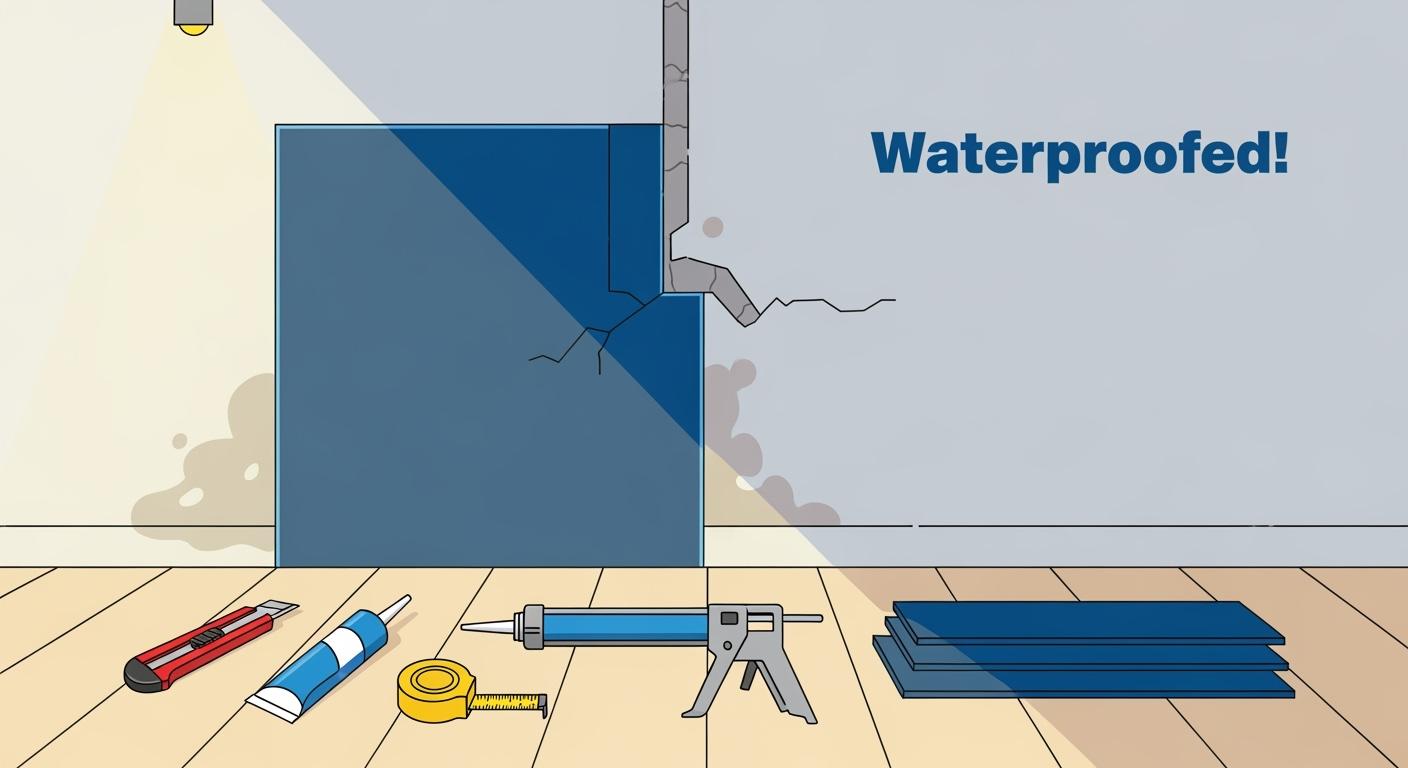
Is a damp, musty basement causing you stress? Heavy rain or melting snow often leads to frustrating water ingress, or perhaps you’ve seen water infiltration from clogged gutters. Rigid waterproofing offers a powerful, lasting solution for these issues. This guide explains what rigid waterproofing is, why it’s ideal for your basement, and when to use it for lasting protection.
Key Takeaways
Rigid waterproofing uses hard materials like waterproof concrete. It creates a strong barrier against water.
Rigid waterproofing works well for basements. It stops water pressure and keeps your basement dry.
Choosing rigid waterproofing saves money over time. It protects your home for many years.
Understanding Rigid Waterproofing for Basements
What is Rigid Waterproofing
You’ve heard about waterproofing, but what exactly is rigid waterproofing? It’s a hard, inflexible protective layer that maintains its physical shape and size. This type of rigid waterproofing relies on its structural density to prevent water from getting through. You typically use it for structures not subject to significant movement. Technically, rigid waterproofing materials are primarily composed of cementitious substances like cement, sand, and stone. They can also include small amounts of additives and polymers. These materials achieve their waterproofing capability by adjusting their material ratios. This process inhibits or reduces porosity, alters pore characteristics, and increases the denseness of the interfaces between different components. This results in materials such as seepage-resistant waterproof concrete and waterproof mortar. These are key examples of rigid waterproofing materials or coatings. When you think of rigid waterproofing, you often think of waterproof concrete and waterproof mortar. These are fundamental rigid waterproof materials. You will find various rigid waterproof materials in use. These include cementitious products and certain types of concrete. Other rigid waterproofing materials are rigid PVC, specialized composites, rigid waterproof panels and linings, rigid waterproof membranes, and rigid waterproof coatings. This rigid waterproof layer forms a robust barrier. You can see how waterproof concrete and waterproof mortar are central to this approach. They are the backbone of many rigid waterproofing applications.
Rigid Waterproofing Characteristics and Benefits
Rigid waterproofing offers distinct characteristics and benefits. You get a hard, inflexible barrier. This barrier is incredibly durable. It resists significant hydrostatic pressure, which is common in basements. The long-term performance of rigid waterproofing is excellent. It maintains its integrity over many years. This means you won’t need frequent repairs. When you use materials like waterproof concrete and waterproof mortar, you create a seamless, dense surface. This surface actively prevents water penetration. The performance of these rigid waterproof materials is superior in stable environments. They don’t stretch or flex, so they won’t tear or puncture easily. This makes them a reliable choice for your basement. You can trust waterproof concrete and waterproof mortar to deliver lasting protection.
Why Rigid Waterproofing is Ideal for Basements
Why should you choose rigid waterproofing for your basement? Basements are unique environments. They are often below ground, constantly exposed to soil moisture and hydrostatic pressure. Rigid waterproofing excels in these conditions. It forms a robust, impenetrable barrier against water. This makes it ideal for your foundations and building foundations. The application of rigid waterproofing materials, such as specialized waterproof concrete and waterproof mortar, creates a permanent seal. This seal resists the constant push of water from outside. You can rely on the waterproofing technical specifications of these materials. They ensure a high level of protection. This application is crucial for construction and infrastructure projects, especially for below-grade structures. The installation of a rigid waterproof layer ensures your basement stays dry. This type of waterproofing provides peace of mind. You get superior waterproofing technical specifications with this method.
Applying Rigid Waterproofing in Your Basement
You have learned about rigid waterproofing. Now, let’s explore how you can use it in your basement. This method offers practical solutions for keeping your space dry. You will see how versatile these rigid waterproof materials are for different areas.
Basement Wall and Foundation Waterproofing
Your basement walls and foundations are critical areas for waterproofing. You can apply rigid waterproofing materials directly to these surfaces. For instance, you often use waterproof mortar as a “mortar smear.” This means you apply a layer of waterproof mortar directly to the wall. This creates a strong, impermeable barrier. This application is perfect for walls you plan to tile later. The waterproof mortar provides an excellent base for tile adhesive. You can also use specialized waterproof concrete for foundation waterproofing. This creates a robust shell around your foundations. This protects them from external moisture. For exterior basement walls, you can apply a rigid waterproof layer. This layer prevents water from ever reaching your interior. You can also use rigid PVC panels in some situations. These panels offer another form of rigid waterproofing. They create a solid, water-resistant surface. The key is to ensure proper installation for maximum effectiveness.
Waterproofing Basement Floors
Basement floors also need strong protection. You can achieve excellent results using rigid waterproofing materials here. A common method involves pouring a slab of waterproof concrete. This concrete is specially formulated to resist water penetration. It creates a dense, solid floor that water cannot pass through. For existing floors, you can apply a thick layer of waterproof mortar. This mortar acts as a sealant. It fills any tiny cracks or pores. This makes your floors completely waterproof. This application is crucial for preventing moisture from rising through the slab. You get durable waterproof floors that stand up to daily use. The performance of these materials ensures a dry basement for years.
Rigid vs. Other Basement Waterproofing Methods
You have many choices for basement waterproofing. Rigid waterproofing stands out from other methods. Flexible membranes are one common alternative. These membranes can stretch and move with the structure. However, they are more prone to punctures or tears. Rigid waterproofing materials, like waterproof concrete and waterproof mortar, offer superior durability. They form a hard, unyielding barrier. This barrier resists hydrostatic pressure much better. You get a more permanent solution with rigid waterproofing. It does not degrade as easily over time. This means fewer worries about future leaks. The installation process for rigid materials often involves skilled application. This ensures a long-lasting, effective seal.
Long-Term Value of Rigid Waterproofing with BANDě Solutions
Choosing rigid waterproofing offers significant long-term value. You invest in a solution that lasts for decades. This means fewer repair costs down the road. BANDě Solutions specializes in high-quality rigid waterproofing materials. Their waterproof concrete and waterproof mortar products meet strict waterproofing technical specifications. This ensures top-tier performance. The initial installation might seem like a larger investment. However, the durability and effectiveness save you money over time. You avoid costly water damage and mold remediation. This type of application provides peace of mind. You know your basement is protected. You get a dry, usable space for your family.
Rigid waterproofing gives you unmatched durability and effectiveness, saving you money long-term. It truly is your best bet for a permanent basement solution. Consider this robust method for your project. You will enjoy lasting peace of mind and a dry space. 🏡
FAQ
What makes rigid waterproofing so effective for basements?
Rigid waterproofing, especially with waterproof concrete, creates a dense, impenetrable barrier. This waterproof concrete resists hydrostatic pressure, keeping your basement dry. You get lasting protection from water. You will find waterproof concrete is a superior choice. This type of waterproof concrete is very reliable.
Can I apply rigid waterproofing to my old basement walls?
Yes, you can! You can use waterproof mortar to seal existing walls. This waterproof mortar fills cracks and pores. You can also apply a layer of waterproof concrete for added strength. You will appreciate the protection from waterproof concrete. Consider using waterproof mortar for repairs.
How long will rigid waterproofing protect my basement?
Rigid waterproofing, like waterproof concrete, offers decades of protection. This waterproof concrete solution is highly durable. You invest in a permanent barrier against water. You can trust waterproof concrete for your home. This waterproof concrete provides peace of mind.
See Also
Rigid Waterproofing Sealers: Essential Protection for Your Home’s Foundation
Understanding Rigid Waterproofing Sealers: Their Function and Application Explained
Top Flexible Waterproof Sealers: A Comprehensive Guide for Homeowners
BANDě’s Expert Advice: Selecting the Ideal Flexible Waterproof Sealant
Choosing the Right Flexible Waterproof Sealer for Diverse Project Needs
