

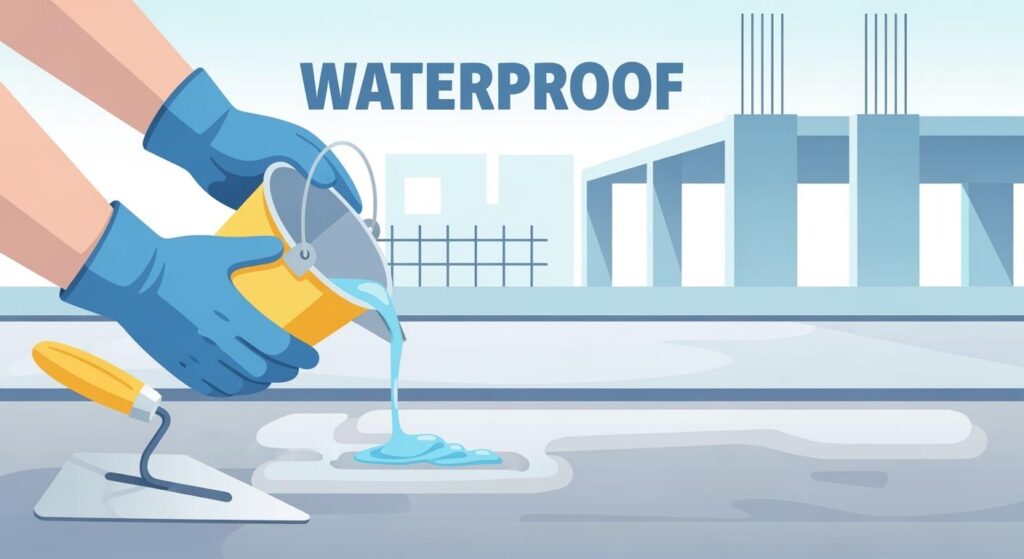
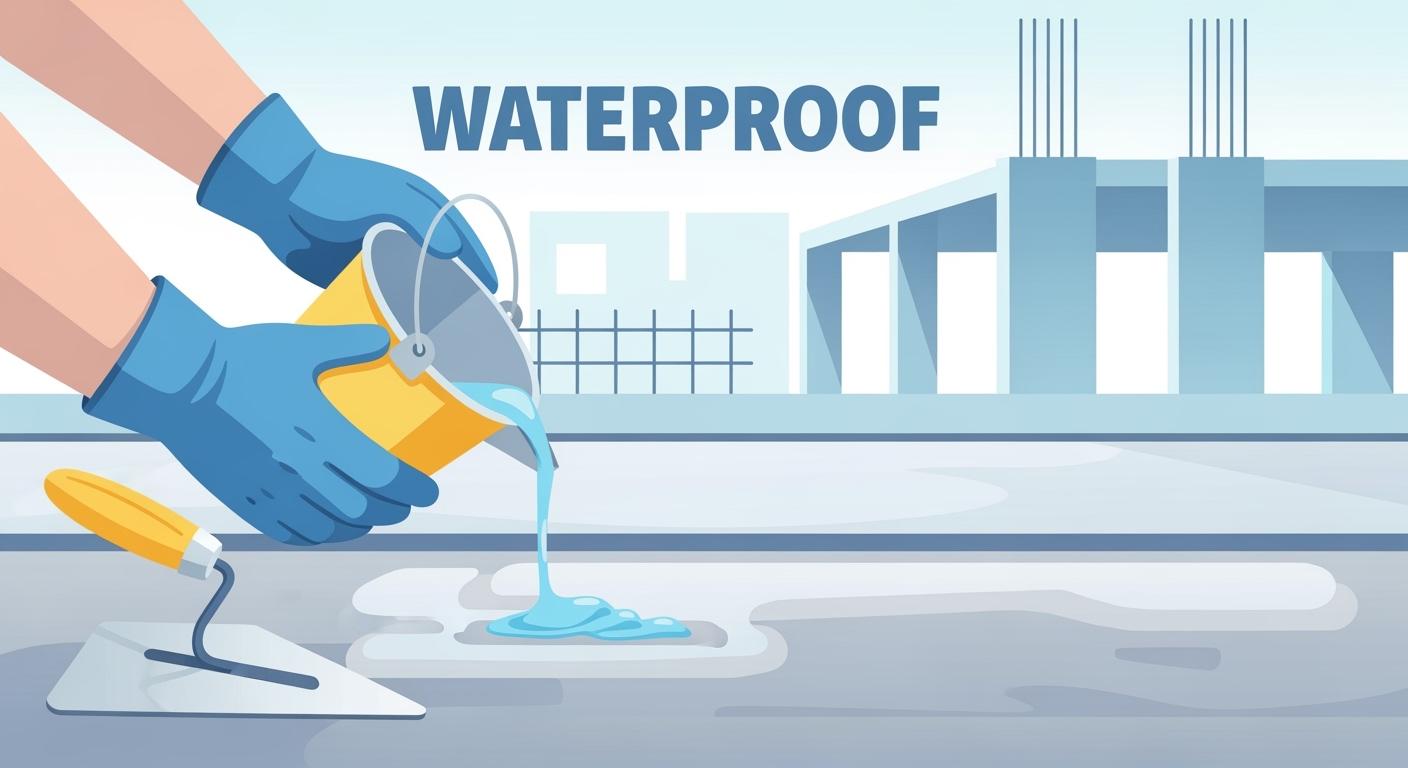
Waterproofing plays a vital role in concrete projects, especially when using a waterproofing admixture for concrete. It protects structures from damage caused by water ingress. Common issues like clogged drains and incorrect sloping can lead to costly repairs. BANDě Rigid Waterproofing Agent, a reliable waterproofing admixture for concrete, offers an effective solution to these challenges, ensuring your concrete remains durable and resilient against moisture.
Key Takeaways
Using BANDě Rigid Waterproofing Agent enhances the durability of concrete by reducing water infiltration, preventing cracks, and protecting against corrosion.
Proper surface preparation is crucial for effective waterproofing. Clean the area thoroughly to ensure better adhesion and avoid common mistakes.
Accurate mixing and application techniques are vital. Follow the manufacturer’s guidelines for dosage and use high-shear mixing systems for uniform distribution.
Benefits of Waterproofing Admixture for Concrete
Enhanced Durability
Using a waterproofing admixture for concrete significantly boosts the durability of your structures. When you add BANDě Rigid Waterproofing Agent to your concrete mix, it creates a protective barrier against water infiltration. This barrier helps prevent common issues like cracking and corrosion, which can lead to costly repairs down the line.
Here are some key benefits of enhanced durability:
Reduces Permeability: The admixture diminishes water infiltration, which is crucial in moist environments. This reduction enhances the lifespan of concrete structures.
Protects Against Corrosion: By minimizing permeability, it safeguards the reinforcement from corrosion, ensuring that your concrete remains strong and intact.
Improves Freeze-Thaw Resistance: The admixture decreases water absorption, which reduces the risk of freeze-thaw damage. This is especially important in regions with harsh winters.
Effect of Waterproofing Admixtures | Description |
|---|---|
Reduces Permeability | Diminishes water infiltration, enhancing lifespan in moist environments. |
Protects Against Corrosion | Safeguards reinforcement from corrosion due to reduced permeability. |
Improves Freeze-Thaw Resistance | Decreases water absorption, reducing freeze-thaw damage risk. |
Versatile Applications
One of the standout features of BANDě Rigid Waterproofing Agent is its versatility. You can use it in various concrete applications, making it a go-to choice for many projects. Whether you’re working on foundations, basements, or outdoor structures, this waterproofing admixture provides reliable protection.
Consider these applications:
Foundations: Protects against water damage, ensuring the integrity of your building from the ground up.
Basements: Keeps basements dry and free from mold, creating a healthier living environment.
Outdoor Structures: Ideal for patios, driveways, and walkways, it helps maintain the appearance and longevity of these surfaces.
Additionally, using a waterproofing admixture can lead to significant long-term savings on repairs and maintenance. By preventing issues like freeze-thaw cycles and corrosion, you can avoid the costs associated with extensive repairs.
Type of Waterproofing Admixture | Performance Metrics |
|---|---|
Soap | Low absorption (1.32%), low permeability (25mm), high compressive strength (42.9MPa). |
Preparation for Using BANDě Waterproofing
Assessing Concrete Mix
Before diving into your project, it’s crucial to assess your concrete mix. This step ensures that the waterproofing admixture will perform effectively. Here’s how to do it:
Identify the type of waterproofing agent you plan to use.
Determine its effectiveness in reducing capillary water absorption.
Test the concrete mix with the admixture to ensure desired waterproofing performance.
When assessing, keep an eye on these aspects:
Waterproofing agents: They improve concrete’s impermeability, preventing water and harmful substances from penetrating.
Examples: Cementitious crystalline waterproofing agents are great for projects like pools and basements.
Also, consider these common issues during your assessment:
Changes in setting time
Environmental concerns related to admixture use
Required Tools
Having the right tools makes all the difference in your application process. Here’s a handy list of what you’ll need:
Mixing tools: A concrete mixer or mixing paddle for uniform distribution.
Measuring tools: Accurate scales and measuring cups to ensure the correct dosage of BANDě Rigid Waterproofing Agent.
Application tools: Trowels, brushes, or rollers for applying the mixture smoothly.
Safety gear: Gloves, goggles, and masks to protect yourself during the mixing and application process.
With these preparations in place, you’re set for a successful waterproofing project!
Application Techniques and Dosage
Mixing Instructions
Getting the mixing process right is crucial for achieving optimal results with BANDě Rigid Waterproofing Agent. Here’s how to do it:
Start with Quality Ingredients: Use high-quality cement, aggregates, and clean water. This ensures a strong base for your concrete.
Measure Accurately: Use precise measuring tools to determine the correct dosage of the waterproofing admixture. The typical dosage is around 5-10% of the cement weight, but always refer to the manufacturer’s guidelines for specifics.
Use High-Shear Mixing Systems: For uniform distribution of the waterproofing admixture, consider using high-shear mixing systems like colloidal mixers. These mixers ensure complete particle dispersion, which is essential for high-quality applications.
Mix Thoroughly: Combine the dry ingredients first, then gradually add water and the waterproofing admixture. Mix until you achieve a consistent and workable concrete mix.
Tip: Avoid overdosing the admixture. Incorrect dosage can lead to issues like coarse aggregate accumulation, abnormal setting times, and reduced long-term strength.
Application Methods
Once your concrete mix is ready, it’s time to apply it effectively. Here are some methods to consider:
Pouring: For large areas like foundations or slabs, pouring is the most common method. Ensure the area is well-prepared and free from debris before pouring.
Troweling: For smaller applications or patching leaking concrete, troweling can provide a smooth finish. Apply the concrete mix with a trowel, ensuring even coverage.
Spraying: In some cases, a spray application can be effective, especially for vertical surfaces. Use a spray nozzle designed for concrete to achieve a fine mist that adheres well.
Brushing: For surfaces that require extra attention, brushing can help ensure the waterproofing membrane adheres properly. Use a stiff-bristled brush to work the mixture into the surface.
Common Mistakes to Avoid:
Inadequate Surface Preparation: Always clean the surface thoroughly. Dust, dirt, or oil can prevent proper adhesion.
Ignoring Manufacturer’s Instructions: Each product has specific guidelines. Following these is key to effective application.
Applying on Uneven Surfaces: Ensure the surface is even to avoid water infiltration.
By following these mixing and application techniques, you can ensure long-term protection against moisture and enhance the durability of your concrete structures.
In summary, using BANDě Rigid Waterproofing Agent is essential for effective waterproofing in concrete projects. Proper substrate preparation and adherence to guidelines can prevent issues like cracks and leaks. Remember, investing in quality materials leads to long-term savings. So, apply these tips for successful results and enjoy durable, waterproof concrete!
FAQ
What is the best way to prepare the surface before applying waterproofing admixture?
Proper surface preparation is key. Clean the area thoroughly to remove dust, dirt, and oil for better adhesion.
How do I know if my concrete mix is suitable for waterproofing?
Test the mix for water absorption and consult the manufacturer’s guidelines to ensure compatibility with the waterproofing admixture.
Can waterproofing admixture prevent cracks in concrete?
Yes, using a waterproofing admixture helps reduce permeability, which minimizes the risk of cracks caused by water infiltration.
See Also
Essential Techniques for Effective Concrete Waterproofing Solutions
Understanding Cementitious Waterproofing Slurry and Its 2025 Applications
Exploring the Functionality of BANDě Concrete Densifiers Explained
Your Complete Buying Guide for Densifiers, Hardeners, and Sealers
