

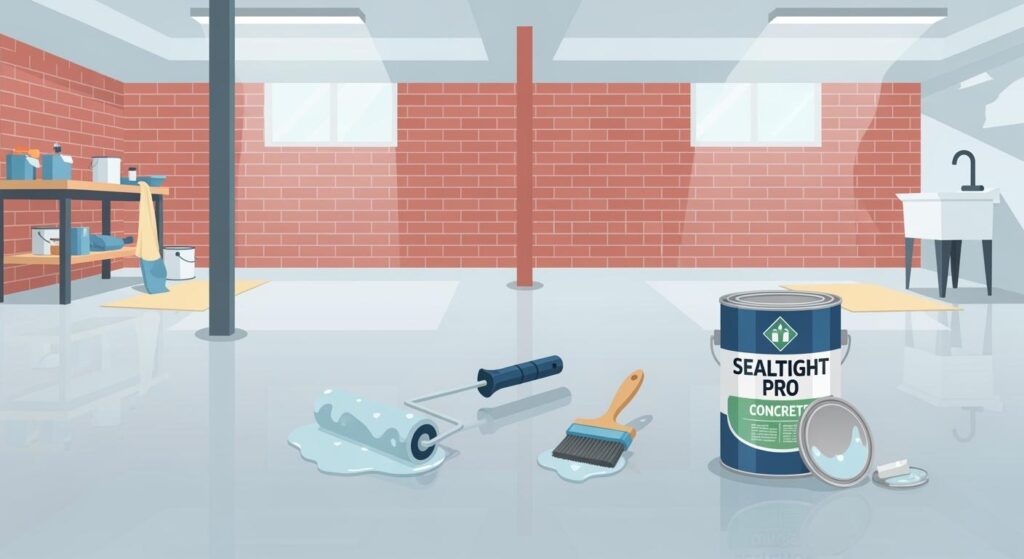
Choosing the right concrete sealer for basements is crucial. It protects against moisture and enhances durability. Many homeowners worry about dampness, mold, and mildew in their basements. A quality sealer creates a barrier that prevents water infiltration, ensuring your space remains safe and dry for years to come.
Key Takeaways
Choosing the right concrete sealer protects your basement from moisture and enhances durability. This keeps your space safe and dry.
Assess moisture levels before applying a sealer. High moisture can lead to mold and damage, so use moisture testing methods for accurate results.
Consider the condition of your concrete surface. Repair cracks and clean thoroughly to ensure the sealer adheres properly and performs effectively.
What Are Concrete Sealers?
Concrete sealers are specially formulated products designed to protect concrete surfaces, especially in basements. Their primary purpose is to create a barrier against moisture, which is crucial in areas prone to dampness. Here’s how they work:
Purpose in Basements
Block Moisture Vapor: Sealers help prevent moisture from seeping through concrete walls and floors.
Reduce Water Intrusion: They limit the entry of water and soil gases, keeping your basement dry.
Enhance Durability: Deep-penetrating sealers strengthen the concrete by reducing its porosity.
Using a concrete sealer can significantly improve your basement’s environment. It not only protects the structure but also contributes to a healthier living space.
Benefits of Sealing
Applying a concrete sealer comes with several benefits:
Prevents Mold Growth: A sealed surface reduces the chances of mold and mildew developing.
Improves Indoor Air Quality: By blocking moisture, sealers help maintain a healthier atmosphere in your home.
Strengthens Concrete: Sealing increases the lifespan of your concrete, reducing the risk of cracks and damage.
Types of Basement Waterproofing Sealers
When it comes to protecting your basement, choosing the right type of sealer is essential. There are two main categories of basement waterproofing sealers: penetrating sealers and film-forming sealers. Each has its unique features and benefits, making them suitable for different situations.
Penetrating Sealers
Penetrating sealers are designed to soak into the concrete, creating a barrier against moisture infiltration. They work by filling the pores in the concrete, which helps to block water and moisture vapor from entering. Here are some key characteristics:
Hydrophobic Properties: These sealers repel water effectively, thanks to their chemical composition. Silanes and siloxanes are common ingredients that enhance their performance.
Long-Lasting Protection: High-quality penetrating sealers can last between 5 to 15 years, depending on the product and environmental conditions.
Breathability: They allow moisture vapor to escape, which is crucial for preventing mold growth in your basement.
Some popular options include:
Product Name | Type of Sealer | Key Features |
|---|---|---|
Ghostshield Lithi-Tek Concrete Sealer | Best Overall | Combines densifier and waterproofer, penetrates deeply, provides moisture barrier. |
Foundation Armor Penetrating Sealer | Best Long-Lasting | 10-year lifespan, hydrophobic barrier for moisture protection. |
Film-Forming Sealers
Film-forming sealers create a protective layer on the surface of the concrete. This layer acts as a barrier against water intrusion and can enhance the appearance of your basement. Here’s what you should know:
Aesthetic Appeal: These sealers can provide a glossy or semi-gloss finish, making your basement look more polished.
Stain Resistance: They offer excellent protection against spills and stains, which is especially useful in high-traffic areas.
Maintenance: While they are easy to clean, film-forming sealers may require reapplication every few years to maintain their effectiveness.
However, there are some downsides to consider:
Advantages | Disadvantages |
|---|---|
Enhanced Appearance: Provides a gloss or semi-gloss finish that enhances color. | May create a slippery surface when wet. |
Excellent Stain Protection: Forms a barrier against spills and stains. | Can trap moisture if not applied correctly. |
Easy to Clean: Smooth surface allows for easy maintenance. | Requires reapplication over time. |
Best Basement Wall Sealers
When it comes to the best basement wall sealers, products like Foundation Armor and RadonSeal stand out. They are known for their effectiveness in preventing moisture infiltration and enhancing the durability of concrete surfaces. Here are some features that make them top choices:
Feature/Benefit | Description |
|---|---|
RadonSeal penetrates deeply into concrete, sealing tighter than other sealers. | |
Moisture Restriction | It restricts moisture, capillary water seepage, and water vapor on basement walls and floors. |
Lifetime Guarantee | Backed by a lifetime guarantee, ensuring long-term effectiveness. |
Choosing the right basement waterproofing sealer is crucial for maintaining a dry and healthy environment. Whether you opt for a penetrating sealer or a film-forming sealer, understanding their differences will help you make an informed decision.
Key Factors for Choosing a Concrete Sealer for Basements
Choosing the right concrete sealer for basements involves several important factors. Let’s break them down to help you make an informed decision.
Assessing Moisture Levels
Before applying any concrete sealer, it’s crucial to assess the moisture levels in your basement. High moisture can lead to serious issues, including mold growth and damage to your concrete. Here are some key factors to consider:
Factor | Description |
|---|---|
Moisture Testing Importance | Nearly 40% of epoxy flooring failures are due to inadequate moisture testing and control. |
Contributing Factors | Heavy snowmelt, improper grading, and unsealed concrete foundations increase moisture risks. |
Testing Methods | Recommended methods include the Calcium Chloride Test (ASTM F1869) and the Relative Humidity Test (ASTM F2170) for accurate moisture assessment. |
Risk Levels | Floors with relative humidity above 75% have a 50% higher risk of epoxy adhesion failure. |
To accurately measure moisture levels, consider using a reference scale meter or pinless moisture meters. These tools allow for quick testing without damaging the surface. For deeper moisture detection, ductile nails with pin meters can be effective. The Calcium Chloride solution testing method is also reliable for assessing moisture vapor emission rates.
Surface Conditions
The condition of your concrete surface plays a significant role in the effectiveness of your chosen sealer. Here are some things to keep in mind:
Cracks and Damage: Sealers are not designed to fill or repair cracks, especially those larger than 1/16 inch. It’s essential to repair any cracks with appropriate materials before applying sealers to maintain their effectiveness.
Efflorescence: This occurs when moisture carries dissolved minerals to the surface of concrete. It can hinder the adhesion of sealers. Addressing efflorescence before application is crucial for optimal performance.
Before sealing, follow these preparation steps:
Clean the Concrete Surface: Remove all dirt, dust, and stains. Use a pressure washer for deep cleaning, and apply a concrete cleaner for tough stains.
Repair Cracks and Damage: Inspect for cracks or chips and fill them with a concrete patching compound. Allow repairs to cure fully before sealing.
Remove Existing Sealer: If the concrete was previously sealed, perform a water test to check compatibility with the new sealer.
Intended Use and Application
The intended use of your basement significantly influences the choice of concrete sealer. Consider the following:
For storage areas, basic sealing may suffice to guard against moisture and stains.
If your basement serves as a living space or workshop, opt for a more durable coating for enhanced appearance and long-lasting protection.
When it comes to application, different methods work best for various sealers. You can apply sealers using a brush, pump-up garden sprayer, or roller. For high moisture levels, a two-part epoxy coating is recommended, typically requiring a roller for application.
Choosing the right concrete sealer is vital for your basement’s health. Consider your specific conditions, like moisture levels and surface type. Here’s a quick look at what to keep in mind:
Description | |
|---|---|
Surface Type | Porous surfaces need penetrating sealers; dense surfaces may require topical sealers. |
Moisture Levels | High moisture calls for penetrating sealers; moderate moisture can use epoxy. |
Budget Considerations | Acrylics are cheaper but need frequent reapplication; epoxy lasts longer but costs more. |
After applying a sealer, check for changes in appearance and performance. Regular inspections help ensure your basement stays dry and protected. house with a heart
FAQ
What is the best time to apply a concrete sealer?
The best time is during dry weather, ideally when temperatures are between 50°F and 90°F. This ensures proper adhesion and curing.
How long does a concrete sealer last?
Most sealers last between 5 to 15 years, depending on the type and environmental conditions. Regular maintenance can extend their lifespan.
Can I apply sealer over existing paint?
No, applying sealer over paint can lead to adhesion issues. Always remove old paint before sealing for the best results.
See Also
How to Select the Right Concrete Sealer for You
A Comprehensive Guide to Selecting Concrete Sealers
The 2025 Handbook for Choosing Ideal Concrete Sealers
