

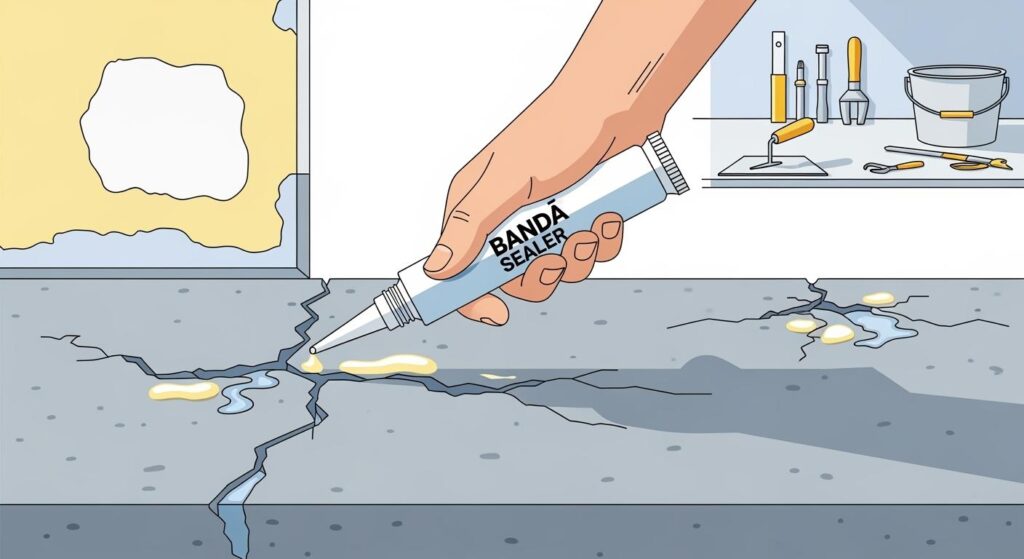
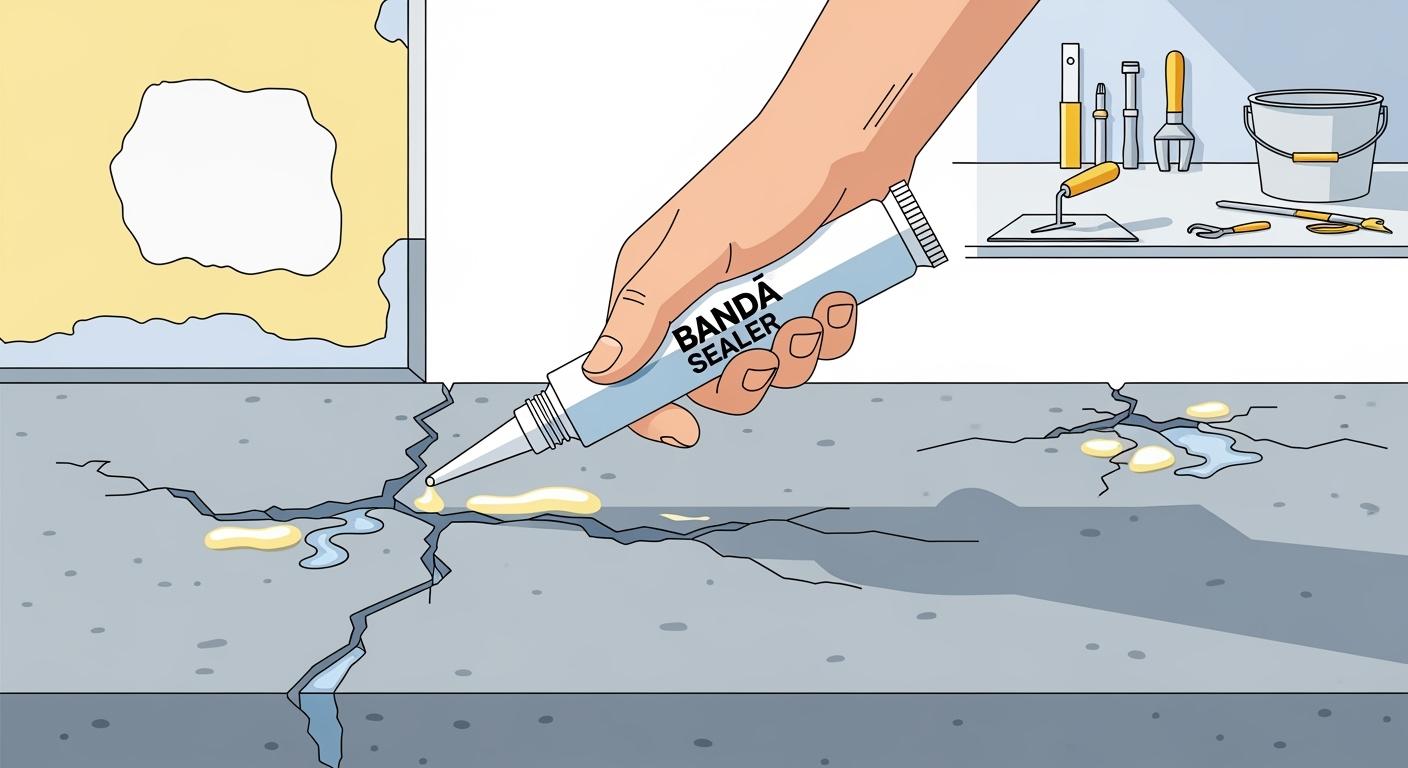
Are you tired of dealing with pesky concrete leaks? BANDě Sealer is your go-to solution! This flexible waterproof sealer not only fixes leaks but also prevents future damage. It’s easy to apply, making your repair process quick and hassle-free. Let’s dive in and see how to fix concrete leaks effectively!
Key Takeaways
Identify signs of concrete leaks early, such as water stains, cracks, and mold. Early detection can save you from costly repairs.
Prepare your concrete surface thoroughly before applying BANDě Sealer. Clean, repair, and prime the area to ensure a strong bond.
Apply multiple thin layers of BANDě Sealer for better penetration and durability. This method reduces the risk of pooling and enhances waterproofing.
Concrete Leak Causes
Signs of Concrete Leaks
Concrete leaks can be a real headache, but spotting them early can save you a lot of trouble. Here are some common signs to watch for:
Water stains on walls or ceilings
Cracks in the foundation or walls
Mold or mildew growth in damp areas
Puddles forming in your basement or crawl space
So, what causes these leaks? Here are a few common culprits:
Poor construction practices: Using substandard materials or improperly installing plumbing can lead to leaks.
Natural shifts in the earth: Earthquakes or soil settling can put pressure on pipes, causing them to fail over time.
Corrosion: Water’s chemical composition can corrode pipes, especially older ones made from galvanized steel.
Aging plumbing systems: Older systems, particularly those within the slab foundation, are more prone to leaks.
Ignoring these issues can lead to serious consequences. Over time, leaks can cause structural damage, mold growth, and even compromise the integrity of your home. The longer you wait to address leaks, the more costly the repairs can become. For instance, small cracks can turn into major foundation issues, leading to repair costs that can skyrocket into the thousands.
Taking action now can save you from headaches later. Remember, early detection and waterproofing are key to maintaining a safe and dry environment in your home!
Preparing for Waterproofing
Using Hydraulic Cement
Before diving into the application of BANDě Sealer, it’s crucial to prepare your concrete surface properly. This preparation ensures that the waterproofing process is effective and long-lasting. Here’s what you need to do:
Tools and Materials Needed
Gather the following tools and materials to get started:
Hammer and chisel: For removing unsound concrete.
Wire brush or broom: To clean debris from cracks.
Pressure washer: For tougher cleaning jobs.
Hydraulic cement: Essential for filling cracks and holes.
Primer: To enhance adhesion of the waterproofing material.
Brushes, rollers, or spray equipment: For applying the sealant.
Backer rods: To control the depth of sealant in wider cracks.
Make sure to follow these steps for effective surface preparation:
Remove all delaminated or unsound concrete by chipping with a hammer and chisel.
Clean the surface thoroughly to eliminate dirt, grime, and any substances that could hinder penetration.
Smooth concrete must be lightly roughened or etched to improve adhesion.
Repair any cracks or holes to create a smooth, uniform surface.
Apply a primer to enhance the adhesion of the waterproofing material.
Tip: Pay special attention to corners, edges, and joints. Use reinforcing fabrics or tapes in these areas for added strength.
Safety Precautions
Safety should always be a priority when working with hydraulic cement and other materials. Here are some essential safety tips:
Wear protective gear: Use gloves, goggles, and a dust mask to protect yourself from dust and debris.
Ensure proper ventilation: If you’re working indoors, make sure the area is well-ventilated to avoid inhaling fumes.
Follow manufacturer instructions: Always read and adhere to the guidelines provided with your materials.
By taking the time to prepare your surface and prioritize safety, you set the stage for a successful waterproofing project. Remember, a well-prepared surface leads to better adhesion and a more effective seal, ensuring your home stays dry and protected.
How to Fix Concrete Leaks
Surface Preparation
Before applying BANDě Sealer, proper surface preparation is essential. This step ensures that the sealer adheres well and provides a long-lasting waterproof barrier. Here’s how to prepare your surface effectively:
Clean the Area: Start by removing any dirt, dust, or debris from the surface. Use a wire brush or broom to scrub the area thoroughly. If needed, a pressure washer can help remove stubborn grime.
Inspect for Damage: Look for cracks or holes that need repair. Any unsound concrete should be chipped away using a hammer and chisel. This creates a solid base for the sealer.
Fill Cracks with Hydraulic Cement: For any cracks or holes, apply hydraulic cement to fill them in. This step is crucial for achieving proper adhesion of the sealer.
Roughen Smooth Surfaces: If the concrete is too smooth, lightly etch it to improve the bond. A rough surface allows the sealer to grip better.
Apply Primer: After the surface is clean and repaired, apply a primer. This enhances the adhesion of the BANDě Sealer, ensuring a strong bond.
Tip: Always pay attention to corners and joints. These areas are prone to leaks and may require additional reinforcement.
Applying BANDě Sealer
Now that your surface is ready, it’s time to apply BANDě Sealer. Follow these steps for a successful application:
Check Environmental Conditions: Ensure the ambient and substrate temperatures are between 5 to 35°C. The relative humidity should be below 80%. Avoid applying the sealer during adverse weather conditions like snow, rain, or strong winds.
Mix the Sealer: Follow the manufacturer’s instructions for mixing the sealer. Ensure you achieve the right consistency for effective application.
Apply the Sealer: Use brushes, rollers, or spray equipment to apply the sealer evenly. Start from the top and work your way down to prevent drips. Make sure to cover all areas, especially joints and corners.
Layering: For optimal results, consider applying multiple thin layers rather than one thick layer. This approach helps prevent pooling and ensures better penetration.
Curing: Allow the sealer to cure according to the manufacturer’s guidelines. Proper curing is vital for the longevity of the waterproofing.
Common Mistakes to Avoid:
Using the wrong type of sealer for your specific surface or crack type.
Neglecting to clean the surface properly, which can lead to peeling.
Not following the correct mixing ratios or applying the sealer too thinly.
By following these steps, you can effectively fix concrete leaks and create a durable waterproof barrier. Remember, proper preparation and application are key to achieving the best results with BANDě Sealer.
Tips for Successful Waterproofing
When it comes to using BANDě Sealer, a few best practices can make all the difference in achieving effective waterproofing. Here are some tips to keep in mind:
Choose the Right Conditions: Always apply the sealer when temperatures are between 5 to 35°C. Avoid applying it during rain or extreme weather. This ensures the best adhesion and performance.
Layering is Key: Instead of slapping on one thick layer, apply multiple thin layers. This method helps the sealer penetrate better and reduces the risk of pooling.
Inspect Regularly: Check your waterproofing every few years. Look for signs of wear, like dull spots or areas where water no longer beads up. If you notice these, it might be time to reapply.
Now, let’s talk about some common mistakes to avoid:
Skipping Surface Prep: Never underestimate the importance of cleaning and preparing your surface. A dirty or poorly prepared area can lead to peeling and ineffective sealing.
Ignoring UV Protection: Users often report fading due to UV damage. To combat this, choose a sealer that blocks harmful rays. This helps maintain color and integrity.
Neglecting Temperature Fluctuations: Thermal cycling can cause cracking. A high-performance waterproofing solution can help reduce internal movement caused by temperature changes.
By following these tips and avoiding common pitfalls, you can ensure that your BANDě Sealer application provides long-lasting protection against leaks and moisture.
BANDě Sealer is a fantastic choice for fixing concrete leaks. It not only helps with immediate repairs but also boosts the durability of your concrete structures. By preventing water damage, you can save time and money in the long run. Don’t wait—start your repairs today!
FAQ
What is BANDě Sealer made of?
BANDě Sealer is a flexible waterproofing compound made from high-quality polymers designed to seal and protect concrete surfaces.
How long does BANDě Sealer last?
When applied correctly, BANDě Sealer can last for several years, providing long-term protection against water leaks and moisture.
Can I apply BANDě Sealer in cold weather?
It’s best to apply BANDě Sealer when temperatures are between 5 to 35°C for optimal adhesion and performance.
See Also
Choosing The Ideal Cement Crack Sealer For Your Needs
Selecting The Most Effective Flexible Waterproof Sealant Available
Comparing Film-Forming And Penetrating Sealers For Australia
The Definitive Guide To Cement Crack Sealers For Durability
Understanding The Functionality Of BANDě Concrete Densifier Explained
