

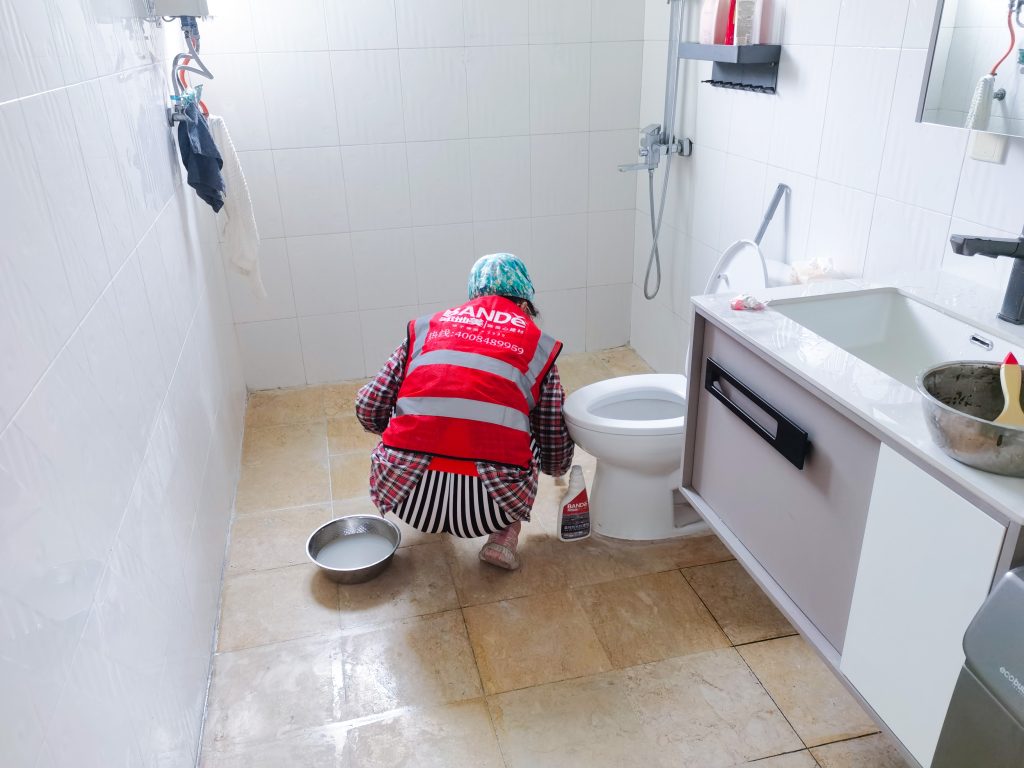
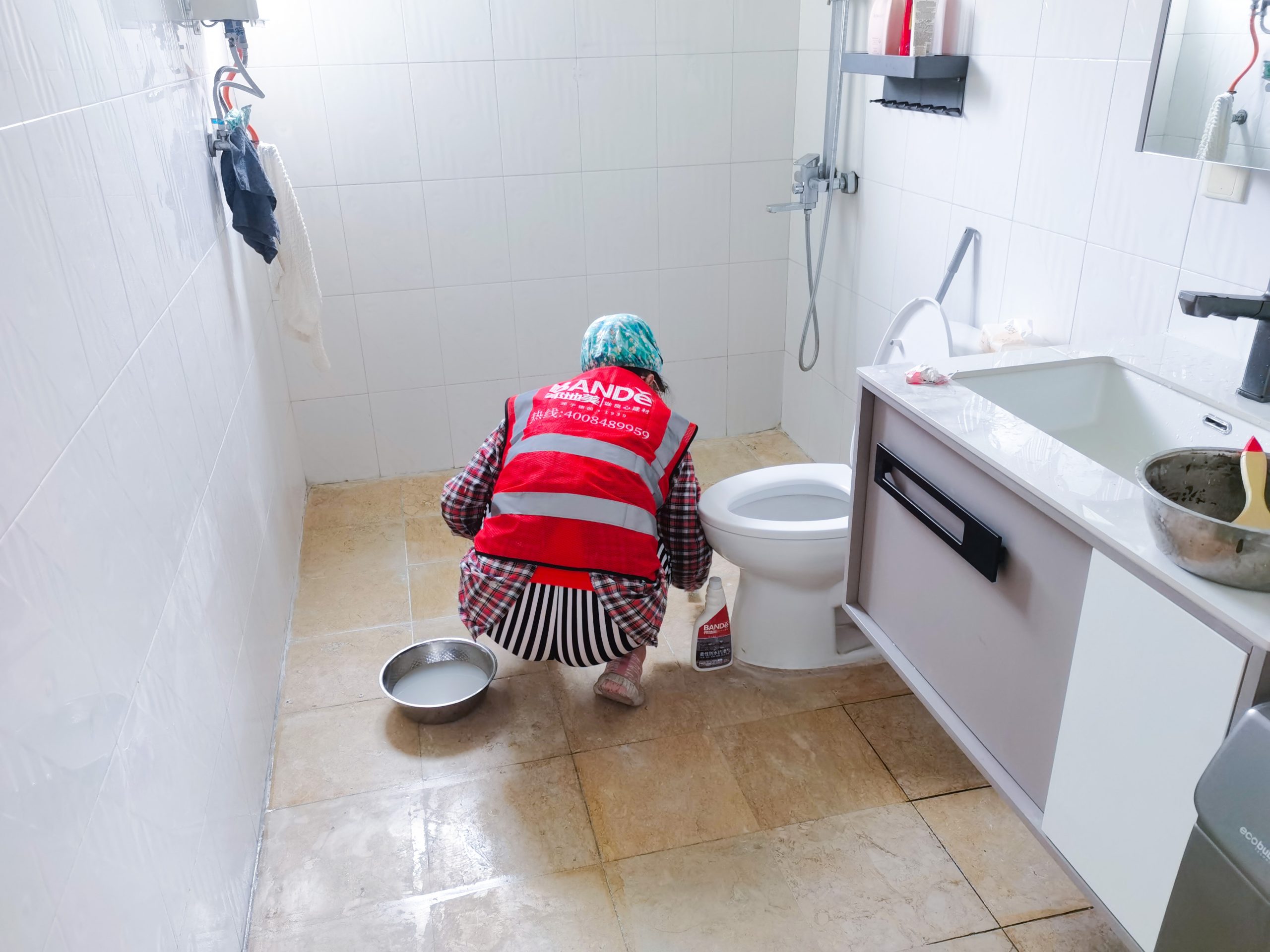
Many homeowners feel frustrated when their basements still leak, even after considering foundation waterproofing cost. It’s easy to think that waterproofing is the ultimate fix, but it’s not that simple. Several factors can contribute to ongoing leaks, such as poor workmanship, using the wrong materials, or even high water tables.
Key Takeaways
Waterproofing alone may not stop basement leaks. Homeowners should assess their unique situations and consider professional evaluations.
Common causes of waterproofing failures include poor workmanship, improper membrane installation, and drainage problems. Address these issues to improve effectiveness.
Investing in quality materials and comprehensive solutions, like structural repairs, can provide long-term protection and prevent future leaks.
Waterproofing Failures
Waterproofing failures can be frustrating, especially when you’ve invested time and money into keeping your basement dry. Let’s dive into some common reasons why waterproofing efforts might not hold up.
Workmanship Issues
One of the biggest culprits behind waterproofing failures is poor workmanship. When the job isn’t done right, it can lead to a host of problems. Here are some frequent errors that can compromise your waterproofing:
Failure to address specific issues like crack repairs and drainage problems
Inadequate diagnosis of the source of water intrusion
These mistakes can create vulnerabilities in your basement, allowing water to seep in despite your waterproofing efforts.
Improper Membrane Installation
Another critical factor is the installation of waterproof membranes. If these membranes aren’t installed correctly, they won’t provide the protection you need. Here are some technical requirements for proper membrane installation:
Use professional-grade waterproofing membrane barriers.
Membranes must work in harmony with drainage systems to effectively prevent water infiltration. If they don’t, you might find yourself dealing with leaks sooner than expected.
Drainage Problems
Inadequate drainage can severely impact the effectiveness of your waterproofing system. Here’s a quick look at some common drainage problems that contribute to basement leaks:
Drainage Problem | Description |
|---|---|
Poor Grading | Yard slopes toward the house, causing meltwater to travel toward the foundation. |
Clogged Gutters & Downspouts | Blockages cause overflow, saturating soil near the foundation and leading to leaks. |
Hydrostatic Pressure | Saturated soil pushes against walls, forcing water through tiny cracks. |
Cracks in Foundation Walls | Older or poorly sealed concrete allows moisture to seep in. |
Blocked Window Well Drains | Ice buildup prevents water from draining, leading to seepage. |
Downspout Underground Clogs | Water backs up and travels laterally toward the home, increasing leak risk. |
When drainage systems fail, water accumulates around the foundation, increasing hydrostatic pressure against the walls. This pressure can lead to cracks, allowing water to seep through. Over time, these issues can escalate, causing significant structural damage and leaks.
To prevent these failures, homeowners should take a proactive approach. Regular maintenance of gutters, downspouts, and grading can help divert water away from the foundation. Remember, understanding the factors that contribute to waterproofing failures is key to keeping your basement dry and your home safe.
Foundation Waterproofing Cost Considerations
When it comes to foundation waterproofing, understanding the costs involved is crucial. Many homeowners want to know what they’re getting into financially before diving into a project. Let’s break down the costs associated with materials and professional installation.
Cost of Materials
The cost of materials can vary significantly based on the waterproofing method you choose. Here’s a quick overview of the average price ranges for different methods:
Method | Price Range |
|---|---|
Interior Waterproofing | $70–$230 per linear foot |
Exterior Waterproofing | $100–$300 per linear foot |
For interior waterproofing, you might spend anywhere from $78 to $150 per linear foot, leading to a total cost of around $3,000 to $9,000 for an average-sized basement. On the other hand, exterior waterproofing can be more expensive, ranging from $100 to $400 per linear foot, with total costs typically between $10,000 and $35,000.
Tip: Always consider the long-term benefits of investing in quality materials. Cheaper options may save you money upfront but could lead to more significant issues down the line.
Professional Installation Costs
Hiring professionals for waterproofing can add to your overall expenses, but it often ensures a job well done. The costs for professional installation can vary based on several factors, including the complexity of the project and the severity of the water issues. Here’s a general idea of what you might expect:
The price for interior basement waterproofing typically ranges from $78 to $150 per linear foot.
For exterior basement waterproofing, you’re looking at about $100 to $400 per linear foot.
The total costs for professional installation can range from $3,000 to $9,000 for interior work and $10,000 to $35,000 for exterior work.
Note: If your basement has significant water issues, additional repairs may be necessary, which can further increase labor costs.
Introducing BANDě Rigid Waterproofing Sealer
Product Features
BANDě Rigid Waterproofing Sealer stands out for several reasons. Here are some key features that make it a great choice for homeowners:
Environmentally Friendly: This product is water-based and non-toxic, making it safe for both your family and the environment. 🌍
Deep Penetration: It penetrates 3-5mm into cement substrates, ensuring a strong bond and effective sealing.
Crystal Formation: When applied, it reacts with concrete ions to form solid, transparent crystals that fill gaps and cracks.
Permanent Protection: Once cured, it creates a leak-proof layer that lasts, providing long-term moisture protection.
Application Process
Applying BANDě Rigid Waterproofing Sealer is straightforward. Here’s a simple step-by-step guide:
Surface Preparation: Clean the surface thoroughly to remove dirt, dust, and any loose materials.
Mixing: Follow the manufacturer’s instructions to mix the sealer properly.
Application: Use a brush or roller to apply the sealer evenly across the surface. Make sure to cover all areas, especially cracks and joints.
Curing: Allow the sealer to cure as per the guidelines. This step is crucial for achieving the best results.
Tip: Always wear protective gear during application to ensure safety!
With its unique features and easy application process, BANDě Rigid Waterproofing Sealer can be a game-changer for your basement waterproofing needs.
Waterproofing alone often isn’t enough to keep your basement dry. Homeowners should assess their unique situations. Consider professional assessments to identify serious cracks and drainage issues. These evaluations lead to tailored solutions that address the root causes of leaks.
Tip: Comprehensive solutions, like those involving structural repairs, can prevent future leaks and protect your home’s value.
Aspect | Comprehensive Solutions | Waterproofing Alone |
|---|---|---|
Long-term Protection | Yes, includes structural repairs and drainage | No, focuses only on surface sealing |
Explore options like BANDě Rigid Waterproofing Sealer for effective, long-lasting results!
FAQ
What causes basement leaks even after waterproofing?
Basement leaks can occur due to poor installation, drainage issues, or structural problems that waterproofing alone can’t fix.
How often should I check my basement for leaks?
It’s wise to inspect your basement at least twice a year, especially after heavy rain or snowmelt.
Can I apply BANDě Rigid Waterproofing Sealer myself?
Yes! The application is straightforward, but always follow the manufacturer’s instructions for the best results.
See Also
DIY Guide to Effectively Waterproofing Your Basement
Comprehensive Overview of Concrete Waterproofing Techniques
Understanding Rigid Waterproofing Sealers and Their Functionality
Choosing the Right Flexible Waterproof Sealer for Your Needs
Exploring Rigid Waterproofing Sealers and Home Protection Benefits
