

Dealing with a leaky basement can be incredibly frustrating, especially after putting in the effort to waterproofing basement walls from inside. Homeowners often feel hopeless when leaks persist. Understanding the root causes of these issues is crucial. Many factors can contribute to ongoing leaks, and identifying them is the first step toward a lasting solution.
Key Takeaways
Identify the root causes of basement leaks, such as poor workmanship and inadequate drainage, to find effective solutions.
Regularly inspect your basement for visible leaks, cracks, and humidity levels to catch issues early and prevent damage.
Consider using BANDě Rigid Waterproofing Sealer for a reliable, long-lasting fix to combat moisture penetration.
Causes of Basement Leaks
Basement leaks can be a real headache for homeowners. Understanding the causes is essential for finding effective solutions. Let’s dive into two major categories: waterproofing failures and external factors.
Waterproofing Failures
Waterproofing failures are often at the heart of persistent leaks. Many homeowners assume that once they waterproof their basements, the problem is solved. Unfortunately, that’s not always the case. Here are some common reasons for these failures:
Poor workmanship: If the waterproofing materials are not applied correctly, they may not form a proper seal. This can lead to leaks over time.
Wrong product choice: Using a waterproofing product that doesn’t suit your specific issue can result in failure. Each situation requires a tailored approach.
Ignoring foundation cracks: Small cracks can allow water to seep in. If these are overlooked, they can lead to significant leaks during heavy rain.
Inadequate drainage: Without proper drainage systems, water can build up around the foundation, overwhelming the waterproofing efforts.
A recent study highlighted that waterproofing failures are part of a broader set of issues contributing to basement leaks. Plumbing issues, groundwater intrusion, and sump pump failures are also significant factors.
External Factors
External factors can also play a crucial role in basement leaks. Here are some common culprits:
Site grading and drainage: Improper grading can direct water toward the foundation. This can lead to leaks and even settlement issues. A slope away from the home is essential to divert water.
Heavy rainfall and snowmelt: Increased precipitation can saturate the soil around the foundation. This can create hydrostatic pressure, forcing water through weak points in the basement walls.
Soil composition: Clay-heavy soils retain moisture, increasing the risk of leaks. During heavy rainfall, this can lead to water intrusion as the ground becomes saturated.
To manage water effectively around your home, consider these long-term strategies:
Ensure proper grading away from the foundation.
Clean gutters and downspouts regularly to prevent overflow.
Extend downspouts to direct water at least three feet away from the foundation.
Remove snow around the foundation to decrease meltwater flow towards your home.
By addressing both waterproofing failures and external factors, you can significantly reduce the chances of leaks in your basement.
Solutions for Leaking Basements
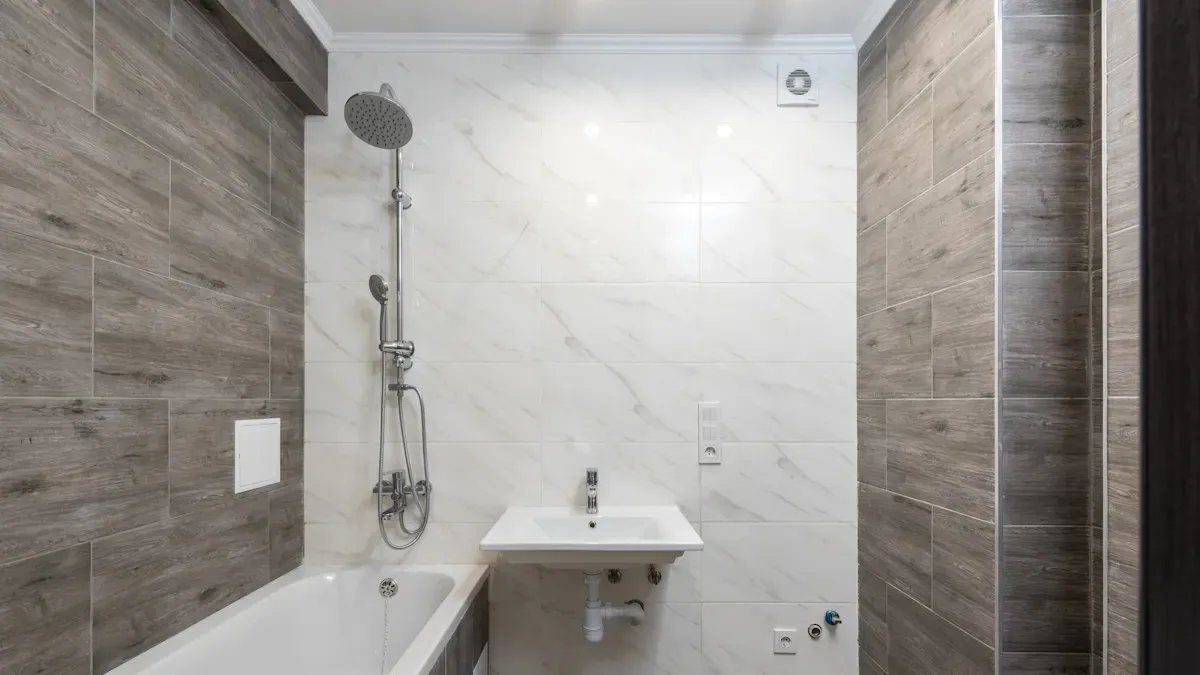
When it comes to fixing leaks in your basement, taking a systematic approach is key. Let’s explore how to assess your current waterproofing methods and introduce a reliable solution to tackle those stubborn leaks.
Assessing Waterproofing Methods
Before diving into repairs, it’s essential to evaluate your existing waterproofing basement walls from inside. Here are some steps to help you assess the situation effectively:
Inspect for visible leaks: Look for wet spots, water stains, or puddles in your basement. These signs indicate where water is entering.
Check for cracks: Examine the walls and floors for any cracks. Even small ones can lead to significant water damage if left unaddressed.
Monitor humidity levels: Use a hygrometer to check if humidity exceeds 55%. High humidity can lead to mold growth and further moisture issues.
Document issues: Take photos or videos of any problems you find. This documentation can be helpful if you need to consult a professional later.
Tip: Regularly inspect gutters and downspouts for blockages. Ensuring proper drainage is crucial to prevent water from pooling around your foundation.
Using BANDě Rigid Waterproofing Sealer
If your assessment reveals that your current waterproofing methods are inadequate, it might be time to consider a more effective solution. BANDě Rigid Waterproofing Sealer is an excellent option for homeowners facing persistent leaks. Here’s why:
Deep penetration: This product can penetrate 3-5mm into cement substrates, sealing gaps and cracks effectively.
Permanent solution: It reacts with concrete ions to form solid, transparent crystals, creating a leak-proof protective layer on the surface.
Environmentally friendly: Being water-based and non-toxic, it’s safe for both your family and the environment.
To apply BANDě Rigid Waterproofing Sealer, follow these steps:
Prepare the surface: Clean the area thoroughly to remove any dirt, dust, or loose materials.
Apply the sealer: Use a brush or roller to apply the sealer evenly across the affected areas.
Allow to cure: Let the sealer cure as per the manufacturer’s instructions to ensure maximum effectiveness.
By using BANDě Rigid Waterproofing Sealer, you can effectively combat moisture penetration and protect your basement from future leaks. Remember, addressing waterproofing mistakes early can save you from costly repairs down the line.
Common Mistakes to Avoid
While tackling basement leaks, be mindful of common mistakes that homeowners often make:
Only waterproofing from the inside
Ignoring foundation cracks
Failing to maintain the sump pump
Using cheap or inadequate materials
Not having an exterior drainage system
By avoiding these pitfalls and implementing the right solutions, you can achieve a dry and secure basement.
Persistent basement leaks can stem from various issues, like poor workmanship and inadequate drainage. Choosing the right solutions is crucial. Remember, ignoring these leaks can lead to mold growth and structural damage. Take action today! Consider using BANDě Rigid Waterproofing Sealer for a reliable, long-lasting fix. 🛠️
FAQ
What should I do if my basement still leaks after using a sealer?
Check for cracks and drainage issues. You may need to reapply the sealer or consider professional help.
How often should I inspect my basement for leaks?
Inspect your basement at least twice a year, especially after heavy rain or snowmelt.
Can I apply BANDě Rigid Waterproofing Sealer myself?
Yes! It’s user-friendly. Just follow the application instructions for the best results. 🛠️
See Also
A Comprehensive DIY Manual for Basement Waterproofing
An In-Depth Overview of Concrete Waterproofing Techniques
Understanding Rigid Waterproofing Sealers and Their Functionality
Choosing the Ideal Flexible Waterproof Sealer for Your Needs
