

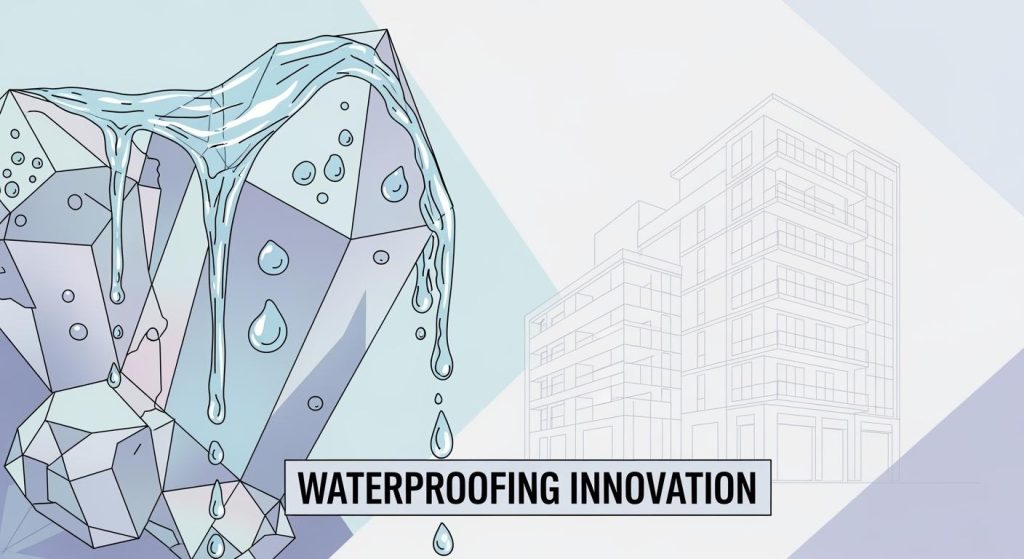
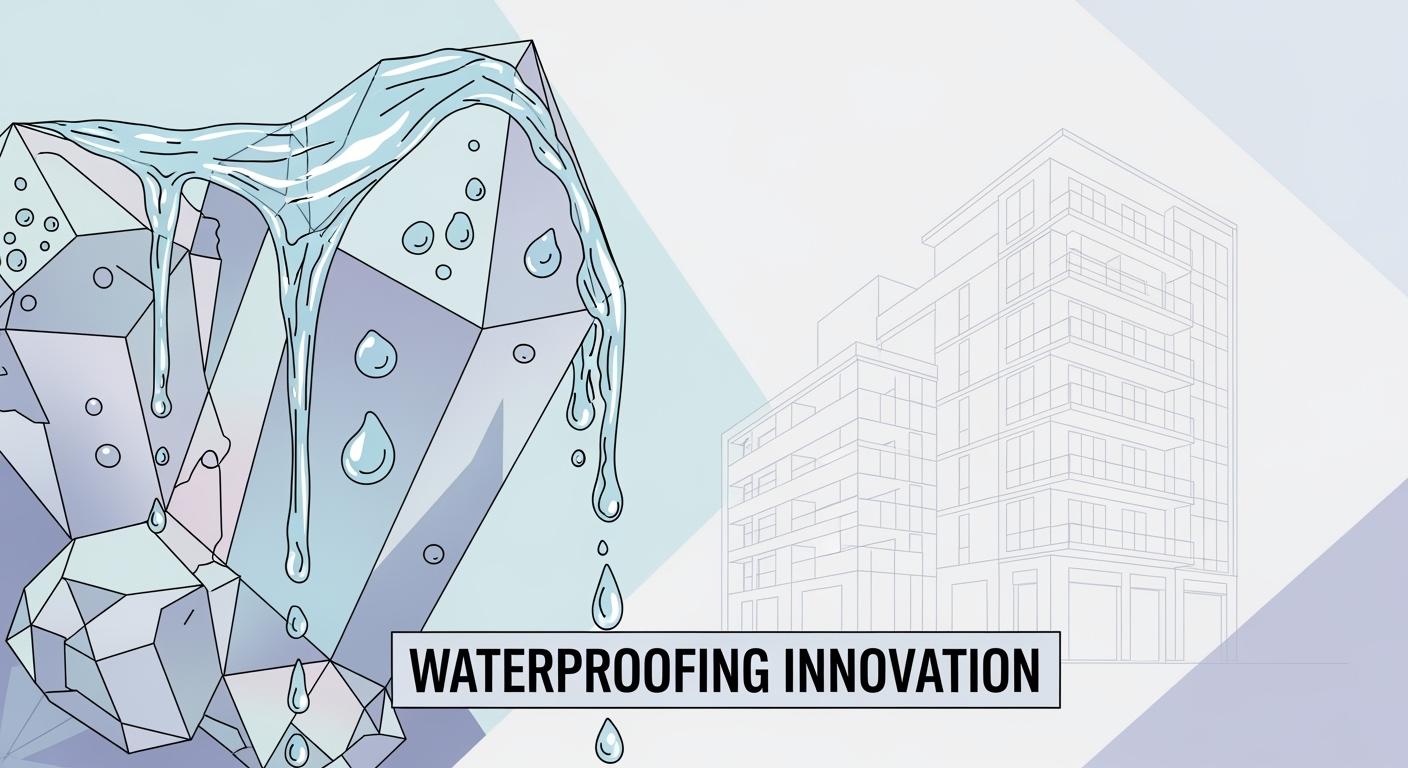
Crystalline waterproofing plays a crucial role in protecting structures from water damage. This innovative solution not only safeguards your investment but also reduces long-term maintenance costs. In fact, when compared to traditional methods, it offers significant savings over time, making it a smart choice for any construction project.
Key Takeaways
Crystalline waterproofing creates a self-sealing barrier in concrete, protecting structures from water damage and enhancing durability.
This technology offers self-healing properties, allowing it to repair micro-cracks and reduce maintenance costs over time.
Choosing crystalline waterproofing supports eco-friendly building practices, as many products contain no harmful VOCs, benefiting both the environment and your investment.
Crystalline Waterproofing Overview
How It Works
Crystalline waterproofing is a fascinating technology that protects concrete structures from water damage. It works by forming a self-sealing barrier within the concrete itself. When water penetrates the surface, it reacts with the materials in the concrete, creating insoluble crystals. These crystals fill the pores and cracks, effectively blocking moisture from entering. This process not only prevents water from causing damage but also helps maintain the integrity of the structure over time.
Key Features
Here are some standout features of crystalline waterproofing that make it a preferred choice for many builders:
Self-Healing Properties: One of the most impressive aspects is its ability to repair micro-cracks. If tiny cracks develop, the crystals can expand and seal them, ensuring long-lasting protection.
Durability: Unlike traditional waterproofing methods that rely on external barriers, crystalline waterproofing becomes part of the concrete. This means it’s less likely to wear out or fail over time.
Longevity: Structures treated with crystalline waterproofing often require less maintenance. This can lead to significant cost savings in the long run.
Environmental Benefits: Many crystalline products are eco-friendly, containing no volatile organic compounds (VOCs), making them safer for both the environment and the workers applying them.
Feature | Crystalline Waterproofing | Traditional Waterproofing |
|---|---|---|
Mechanism | Forms a self-sealing barrier within concrete | Relies on external barriers that can fail |
Water Penetration Prevention | Uses insoluble crystals to fill pores and cracks | Often susceptible to wear and tear |
Self-Healing Properties | Can repair micro-cracks over time | No self-healing capability |
Longevity | Long-lasting and durable | May require frequent maintenance |
With these features, crystalline waterproofing stands out as a reliable solution for preventing moisture-related issues in various construction projects.
Benefits of Crystalline Waterproofing
Durability and Longevity
Crystalline waterproofing offers remarkable durability, especially in high-moisture environments. This technology creates a self-sealing barrier within the concrete, which means it actively protects against water damage over time. Here are some key points about its durability:
It remains permanently active and self-healing, ensuring ongoing protection against moisture.
The process increases watertightness and frost resistance, which is crucial for structures exposed to harsh weather.
It protects against corrosion, further enhancing the longevity of concrete structures.
By penetrating deep into the concrete, crystalline waterproofing enhances its strength. The formation of crystals within micro-cracks and capillaries creates a denser, impermeable structure. This not only prevents moisture-related issues but also allows the concrete to withstand the rigors of high-moisture conditions.
Self-Healing Properties
One of the standout features of crystalline waterproofing is its self-healing capability. When tiny cracks form in the concrete, the crystals expand and fill these gaps. This means that even if the surface is compromised, the waterproofing system continues to function effectively.
This self-healing property ensures that your investment remains protected without the need for constant repairs.
It significantly reduces maintenance costs, as the need for frequent inspections and repairs diminishes.
Imagine having a concrete structure that can repair itself! This innovative feature not only extends the life of the building but also provides peace of mind for property owners.
Environmental Benefits
Crystalline waterproofing is not just beneficial for your structure; it’s also good for the environment. Many products in this category are eco-friendly, containing no volatile organic compounds (VOCs). This makes them safer for both the environment and the workers applying them.
Using crystalline waterproofing contributes to sustainable building practices.
It helps reduce the carbon footprint of construction projects by minimizing the need for repairs and replacements.
By choosing this method, you’re not only protecting your investment but also making a responsible choice for the planet.
Application Techniques for Waterproofing
Topical vs. Integral Methods
When it comes to applying crystalline waterproofing, there are two main methods: topical and integral. Each has its own advantages and ideal scenarios for use.
Topical Method: This approach involves applying a waterproofing solution directly to the surface of the concrete. It’s often used for existing structures where you want to enhance protection against water damage. The topical method is great for quick applications and can be done without extensive preparation. However, it may require reapplication over time, especially in high-traffic areas.
Integral Method: This method incorporates the crystalline waterproofing materials into the concrete mix itself. This means that the waterproofing becomes part of the structure from the very beginning. It provides a permanent solution, ensuring long-lasting protection against moisture. The integral method is ideal for new constructions, as it offers a more robust defense against water infiltration.
Both methods have their place in construction. Choosing the right one depends on your specific needs and the condition of the structure.
Ideal Use Cases
Crystalline waterproofing shines in various applications. Here are some ideal use cases to consider:
Basements: These areas are often prone to moisture issues. Using crystalline waterproofing can prevent water from seeping in, protecting your investment and ensuring a dry environment.
Swimming Pools: The constant exposure to water makes pools a perfect candidate for this type of waterproofing. It helps maintain the integrity of the pool structure while minimizing maintenance costs.
Tunnels and Underground Structures: These projects face significant water pressure. Crystalline waterproofing provides a reliable barrier, ensuring safety and longevity.
Parking Garages: With vehicles constantly moving in and out, the risk of water damage increases. Applying crystalline waterproofing can protect the concrete from de-icing salts and other harmful substances.
Foundations: A strong foundation is crucial for any building. Crystalline waterproofing helps prevent water damage, ensuring the foundation remains solid and secure.
By understanding the best application techniques and ideal use cases, you can make informed decisions that protect your investment with long-lasting protection.
Crystalline waterproofing offers excellent protection for your structures. It prevents water damage, reduces maintenance costs, and enhances durability. By investing in this technology, you ensure your construction projects stand the test of time. Consider crystalline waterproofing as a smart, long-term choice for safeguarding your investment!
FAQ
What is crystalline waterproofing?
Crystalline waterproofing is a technology that creates a self-sealing barrier within concrete, preventing water damage effectively.
How long does crystalline waterproofing last?
When properly applied, crystalline waterproofing can last for the lifetime of the structure, requiring minimal maintenance.
Can I apply crystalline waterproofing myself?
While DIY is possible, hiring a professional ensures proper application and maximizes the effectiveness of the waterproofing system.
See Also
Understanding Rigid Waterproofing Sealers And Their Home Protection Benefits
Exploring Rigid Waterproofing Sealers And Their Functionality
Cementitious Waterproofing Slurry Explained: Its Function In 2025
Choosing The Right Flexible Waterproof Sealer For Your Project
