

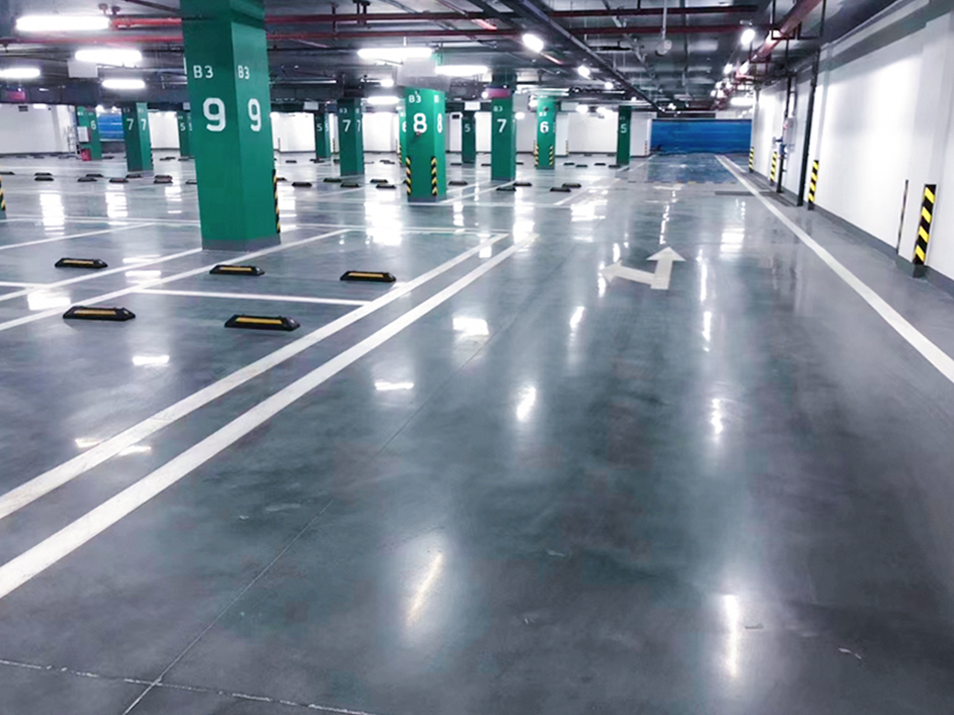
Concrete protection is very important for keeping buildings strong and lasting a long time. As buildings get older, we need good protective agents more than ever. In 2026, you should think about these reasons for this need:
Old buildings needing repairs
Rules for being eco-friendly
New technology in protective coatings
More building in growing countries
Using digital tools for upkeep and checking
New ideas, like self-healing concrete, make it stronger by fixing cracks. With these new tools, finding the best concrete protective agent is key to protecting your money.
Key Takeaways
Protecting concrete is important. It helps your buildings last longer. This can save you money on repairs later.
Knowing common problems like acid damage and freeze-thaw cycles helps you pick the right protectors for your concrete.
Choosing the best concrete protector can cut down on installation time and transport costs. This makes your project run smoother.
Check and reapply sealers regularly. Do this based on their type to keep your concrete surfaces safe and working well.
Think about using eco-friendly choices. Look for low-VOC or water-based products to protect your concrete and the planet.
Importance of Concrete Protection
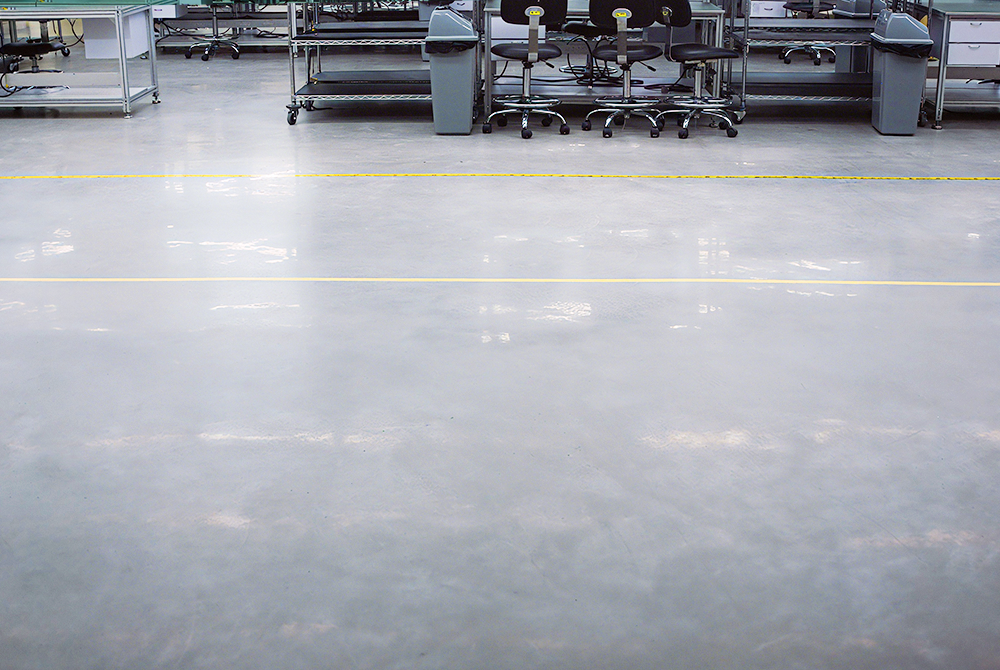
Why Protecting Concrete is Essential for Longevity and Durability
Protecting your concrete surfaces is very important. It helps them last longer and stay strong. When you spend money on concrete, you want it to endure. Good protective agents can make your concrete structures last much longer. Research shows that some protective agents can stop rust and reduce damage. For example, nitrite-based inhibitors can raise critical chloride content by up to 3% by cement mass. This helps fight carbonation corrosion.
Here are some key benefits of using protective agents:
Increased Lifespan: Protective agents can make your concrete last longer. This saves you money on repairs and replacements.
Enhanced Durability: They help your concrete handle tough weather, keeping it strong and whole.
Cost-Effectiveness: Spending on protection now can stop expensive repairs later.
Common Threats to Concrete Surfaces
Concrete surfaces face many dangers that can harm them. Knowing these dangers helps you protect your investment. Here are some common environmental and chemical threats:
Muriatic Acid: This can pull harmful materials from concrete. It can cause groundwater pollution and add to air pollution through volatile organic compounds (VOCs).
Thermal Expansion and Contraction: Temperature changes can cause cracks and spalling, making your concrete weaker.
Freeze-Thaw Cycles: These cycles create pressure inside that can damage the structure.
Increased Rainfall: Heavy rain can make concrete more prone to rust, especially of steel inside.
Also, rising global temperatures and wet concrete can speed up damage. Coastal areas are especially at risk because of chloride from de-icing chemicals. By knowing these threats, you can pick the right protective agents to keep your concrete surfaces safe.
Protecting your concrete is not just about looks; it’s about keeping it strong and lasting. By choosing the right protective agents, you can fight these dangers and keep your concrete structures safe for many years.
Best Concrete Protective Agents
Foundation Armor AR350
The Foundation Armor AR350 is one of the best concrete protective agents you can find. This sealer gives a wet-look finish that makes your concrete look better without changing its color. It is great for waterproofing, so it works well on outdoor surfaces.
Features, Benefits, and Application
Durability: The AR350 lasts up to 3 years outside and 7 years inside before you need to recoat.
Resistance: It resists peeling, flaking, cracking, and pitting very well. After tough winter weather, it showed no stains or dullness. Water stayed on top instead of soaking in.
Application: You can apply it easily with a roller or sprayer. For the best results, use two coats.
Pros:
Easy to apply
Great resistance to water damage, mildew, and stains
Long-lasting performance
Cons:
Needs two coats for the best results
Ghostshield Siloxa-Tek 8500
The Ghostshield Siloxa-Tek 8500 is another top choice for concrete protection. This penetrating sealer is a mix of silane and siloxane that goes deep into concrete, sealing cracks and capillary tracts.
Features, Benefits, and Application
Water Repellency: It stops water from getting in and protects against damage from deicing salts, making it a great water repellent sealer.
Chemical Resistance: The Siloxa-Tek 8500 protects against freeze-thaw cycles and stops corrosion of reinforcing steel.
Versatility: It works well for many uses, like driveways, basements, and patios.
Application Tips:
Always test a small area first.
Stir the material well before using.
Apply two wet-on-wet coats for full coverage.
TotalBoat Concrete Coating
TotalBoat Concrete Coating is a two-part epoxy system made for strong protection against heavy wear and chemicals. This coating is great for both homes and businesses.
Features, Benefits, and Application
Feature/Aspect | Details |
|---|---|
Type | Two-part epoxy system |
Durability | Very durable against heavy wear, chemicals, and abrasion |
Pros | Great protection against stains, chemicals, and impacts; long-lasting finish; easy to apply |
Cons | Needs careful mixing; takes longer to cure than single-component sealers |
Acrylic-Based Sealers
Acrylic-based sealers are popular because they are easy to use and dry quickly. These water-based sealers create a flexible seal, making them perfect for projects that need to be done fast.
Features, Benefits, and Application
Adhesion: They stick well to porous surfaces like wood and masonry.
Ideal Uses: Common uses include sealing gaps in drywall, filling gaps in wooden floors, and minor repairs.
Application Scenario | Description |
|---|---|
Indoor Static Sealing | Great for sealing gaps in drywall and wooden trim where there is little movement. |
Minor Repairs & Touch-Ups | Easy to apply and clean up, perfect for sealing cracks in walls or filling nail holes. |
Polyurea and Polyaspartic Coatings
Polyurea and polyaspartic coatings offer better protection than regular epoxy coatings. They cure quickly and are very durable.
Features, Benefits, and Application
Feature | Epoxy | Polyurea | Polyaspartic |
|---|---|---|---|
24-72 hours | Minutes | 1-4 hours | |
Flexibility | Low (rigid) | Very high | High |
UV Resistance | Low | Low-Moderate | High |
Impact & Abrasion Resistance | Moderate | Very high | Very high |
Typical Lifespan* | 5-10 years | 15-20+ years | 15-20+ years |
Advantages: Both coatings last much longer than epoxy, often 10-20 years or more. They resist delamination, pitting, and hot tire pickup very well.
By choosing the right concrete protective agent, you help your concrete surfaces last longer and stay strong. Each of these products has special benefits for different needs, making them the best concrete protective agents for 2026.
Concrete Sealers Comparison
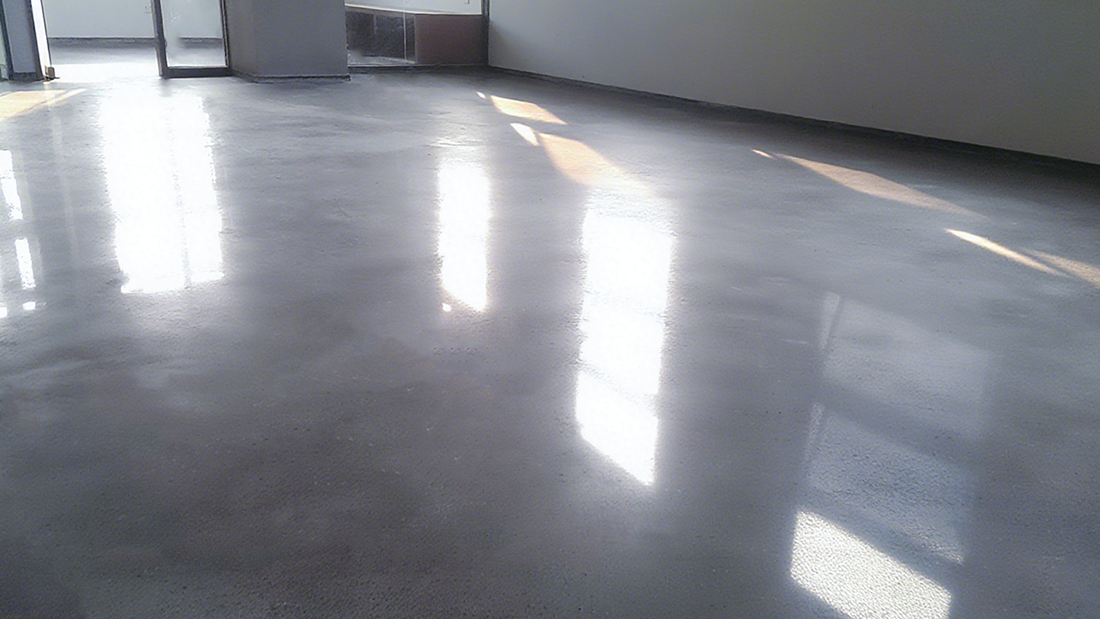
When picking the best concrete sealers, think about their features and benefits. Below is a table that compares different types of sealers. This will help you make a smart choice.
Sealer Type | Key Features and Benefits |
|---|---|
Solvent-based | Cures fast, great for urgent projects, and gives a strong surface ready for use. |
Hybrid, Fluorinated, Polyaspartic | Very good at resisting UV rays, chemicals, and wear; perfect for tough places and busy areas. |
Residential Sealers | Stop moisture, mold, and smells; improve indoor air quality and protect the building’s structure. |
Best Uses for Each Type of Sealer
Knowing where to use each type of sealer can improve your concrete’s performance. Here are the best uses for different sealers:
Sealer Type | Recommended Use |
|---|---|
Epoxy Sealers | Best for controlling chemicals inside industrial places like warehouses and labs. |
Polyaspartic Sealers | Good for quick jobs in stores and public walkways. |
Silicate Sealers | Used for making surfaces stronger and more resistant to wear in warehouse floors and polished concrete. |
Silane and Siloxane Sealers | Great for keeping water out in outside areas that get rain or deicing chemicals. |
Silicone Sealers | Best for temporary water protection on masonry and tile without changing how they look. |
Hybrid Urethane-Acrylic Systems | Good for light commercial floors that need some durability. |
By choosing the right concrete sealers for your needs, you keep your surfaces safe and strong. Whether you are working on a home project or a business space, knowing the features and best uses of each sealer will help you make the right choice.
Picking the right concrete protective agent is very important for your projects. It helps your concrete last longer and stay strong, which saves you money later. Good agents can cut installation time by 30% and lower transportation costs by 75%.
Remember: If applied poorly, it can cause problems like cracks and weak surfaces. Always prepare your surfaces well and follow the instructions for the best results.
Think about your needs, the environment, and what your project requires when choosing a protective agent. This way, you can protect your investment and keep your concrete surfaces looking good for many years!
FAQ
When is the best time to use concrete protective agents?
You should use protective agents after the concrete has fully cured. This usually takes about 28 days after pouring. This way, you get the best stickiness and protection for your investment right from the start.
How often do I need to reapply concrete sealers?
How often you reapply depends on the sealer type. Solvent-based sealers usually last 2-3 years. Water-based sealers may need reapplication every 1-2 years. Checking regularly helps keep your protection strong.
Can I use a protective agent when it’s cold outside?
You can use protective agents in cold weather, but you need to follow some rules. Make sure the temperature is above 50°F (10°C). Avoid applying it during rain or frost for the best results.
Are concrete protective agents safe for the environment?
Many new concrete protective agents are eco-friendly. Look for products that say low-VOC or water-based to reduce harm to the environment. Always check the manufacturer’s details for safety information.
How do I pick the right protective agent for my project?
Think about what your project needs, like moisture, chemicals, and traffic. Look at the features of each product and choose one that fits your needs for the best protection.
See Also
Enhance Your Surfaces With Top Concrete Sealers For 2025
A Comprehensive Guide To Selecting The Right Concrete Sealer
Selecting The Top Five Concrete Hardeners For Industrial Use
BANDě Concrete Sealers: Your Complete Guide For 2025
Locating The Ideal Concrete Sealer Tailored To Your Requirements
