

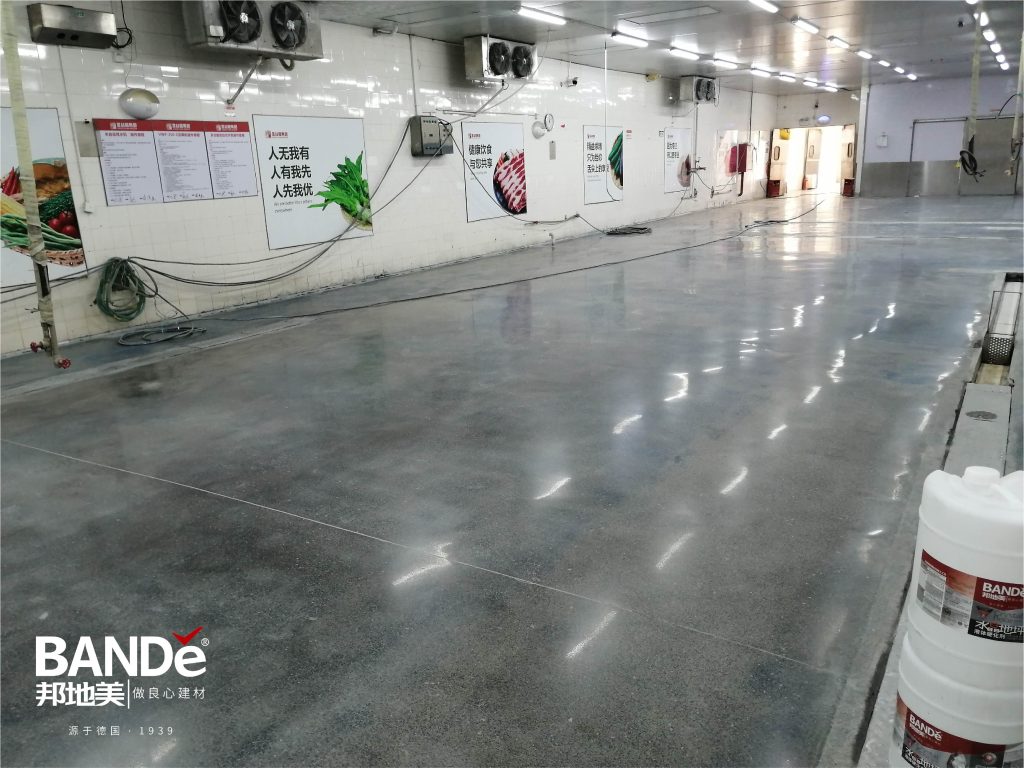
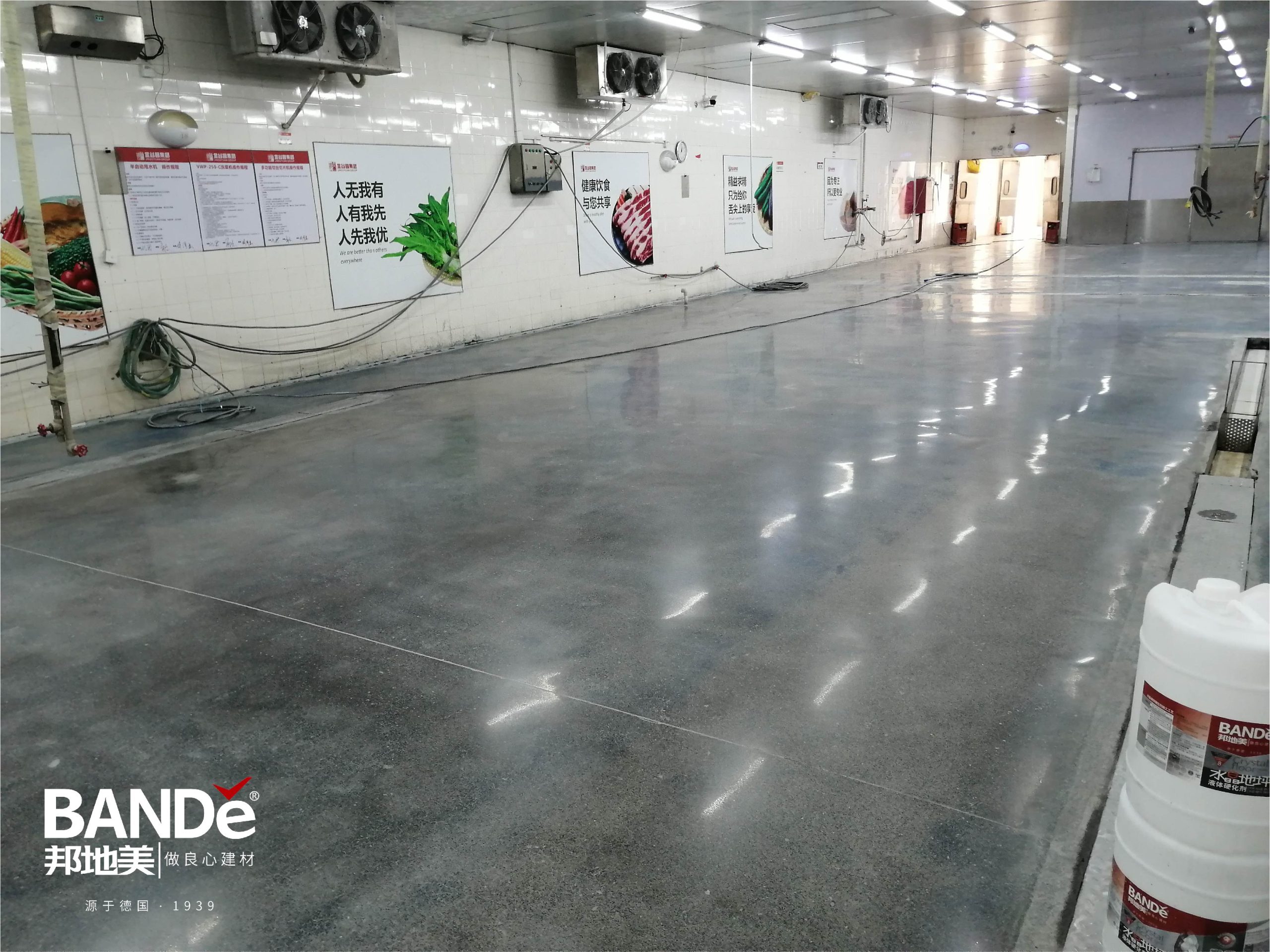
Waterproofing is crucial for concrete structures as it serves as the best waterproofing solution for strengthening concrete. It prevents water from infiltrating, which can lead to cracks and rust. Effective waterproofing enhances the longevity of concrete by sealing small holes, reducing water intake, and mitigating freeze-thaw damage. This protective measure also safeguards the steel reinforcement from rusting, ensuring the structure remains strong while minimizing repair costs. Selecting the right waterproofing solution tailored to your needs is essential for achieving the best results.
Key Takeaways
Waterproofing is very important for concrete structures. It stops water damage, cracks, and rust. This helps the structure last longer and lowers repair costs.
There are different waterproofing methods. These include liquid membranes, cementitious systems, and crystalline options. Each method has its own benefits and best uses.
Indoor waterproofing solutions protect against moisture damage. Examples are basement waterproofing and concrete sealers. Choose what fits your needs and conditions best.
Outdoor waterproofing methods help protect concrete from weather damage. These include surface sealers and drainage systems. Good drainage is very important to stop water buildup.
Think about the environment, type of structure, and budget when picking a waterproofing solution. Regular maintenance and expert advice can make it work better.
Waterproofing Types
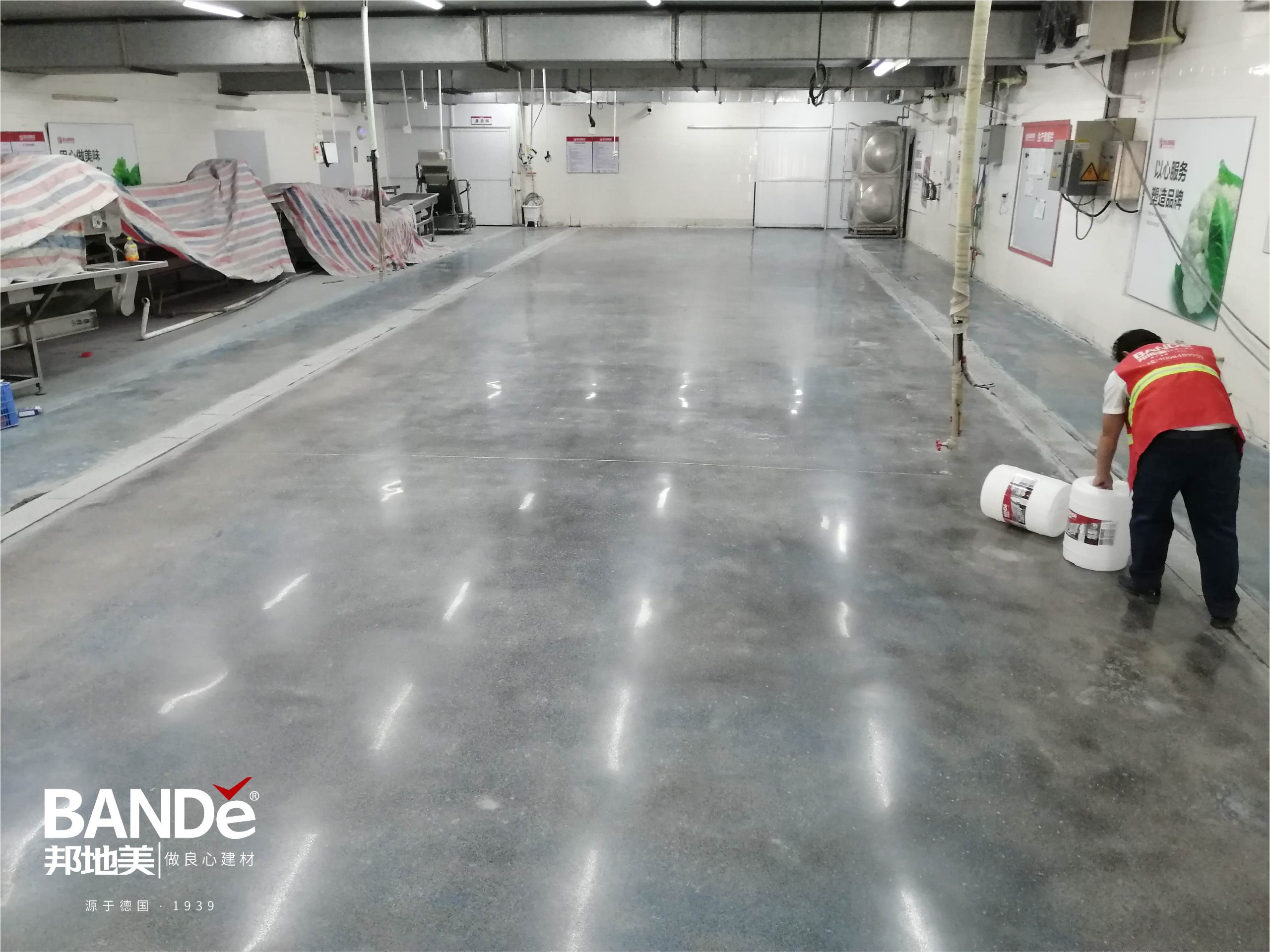
There are different ways to protect concrete structures. Each method has its own features, benefits, and uses. Knowing these options helps you find the best choice for your needs.
Liquid Membrane Systems
Liquid membrane systems make a smooth barrier on concrete surfaces. You put these systems on as a liquid. Then, it dries to create a flexible, waterproof layer. This method works well for tricky shapes and places needing strong waterproofing.
Here are some pros and cons of liquid membrane systems:
Advantages | Disadvantages |
|---|---|
Great waterproofing performance | Needs regular seam checks |
Good for outside use | Needs maintenance every 10-15 years |
Easy to apply and flexible | Needs the surface to be prepared well |
Works for complex shapes | May have sticking problems without primer |
Liquid membranes are used in many places, like terraces, bathrooms, and swimming pools. They are a good way to stop moisture from getting in.
Cementitious Waterproofing
Cementitious waterproofing mixes cement with polymers and additives to make a waterproof layer. This method is often used for foundations, slabs, and walls. It is easy to apply and works on both new and old concrete.
However, cementitious waterproofing might need several coats to work best. Here are some important points to remember:
It usually needs clean surfaces to stick well.
Surfaces should be wet enough before applying.
Special waterproofing additives can improve the concrete’s structure, giving it some waterproofing from the start.
Cementitious systems are often found in water tanks, basements, and parking garages. They are reliable but may not last as long as more advanced methods.
Crystalline Waterproofing
Crystalline waterproofing protects concrete through a chemical reaction inside the concrete. This reaction creates a solid crystalline structure that fills the tiny holes in the concrete. This way, it stops water and other liquids from getting in.
One big benefit of crystalline waterproofing is its long-lasting effectiveness. It becomes part of the concrete, so it needs less maintenance. Here are some advantages:
It keeps reinforcing steel from rusting, which is important for concrete’s lifespan.
The technology allows it to heal small cracks by using water that gets into the concrete.
Crystalline waterproofing works for many uses, like foundations, swimming pools, and secondary containment areas. Its ability to adapt and heal makes it a strong choice for long-term protection.
Indoor Waterproofing Solutions
Indoor waterproofing is very important. It helps keep your concrete structures safe from moisture damage. Two common solutions for indoor areas are basement waterproofing and different concrete sealer options.
Basement Waterproofing
Basement waterproofing stops water from getting into your basement. You can do this in several ways. These include interior drainage systems, sump pumps, and wall coatings. Each method has its own strengths. For example, interior drainage systems gather water and move it away from your foundation. Sump pumps get rid of any water that builds up, keeping your basement dry.
When picking a basement waterproofing method, think about these things:
Water Table Level: High water tables may need stronger solutions.
Foundation Type: Different foundations might need special methods.
Local Climate: Places with heavy rain may need extra protection.
Concrete Sealer Options
Choosing the right concrete sealer is very important. It helps keep your indoor concrete surfaces in good shape. There are two main types of sealers: penetrating sealers and film-forming sealers. Each type has its own benefits and downsides.
Here’s a comparison of the two:
Feature | Penetrating Sealers | Film-Forming Sealers |
|---|---|---|
Breathability | More breathable, letting air and moisture pass | Creates a barrier that can trap moisture |
Protection | Great against water, oil, and chemical stains | Gives a strong film that protects against wear |
Aesthetic Options | Fewer finish choices | Many finishes from matte to high-gloss |
Ideal Use Cases | Good for moist areas, like pools and garages | Best on sand or bedrock foundations for drainage |
Maintenance Considerations | Must remove old film-forming sealers before use | Can stain if moisture gets trapped underneath |
Choosing the right concrete sealer depends on what you need. If you want something breathable, choose a penetrating sealer. If you want a protective film, a film-forming sealer might be best.
By knowing these indoor waterproofing solutions, you can protect your concrete structures from moisture damage effectively.
Outdoor Waterproofing Solutions
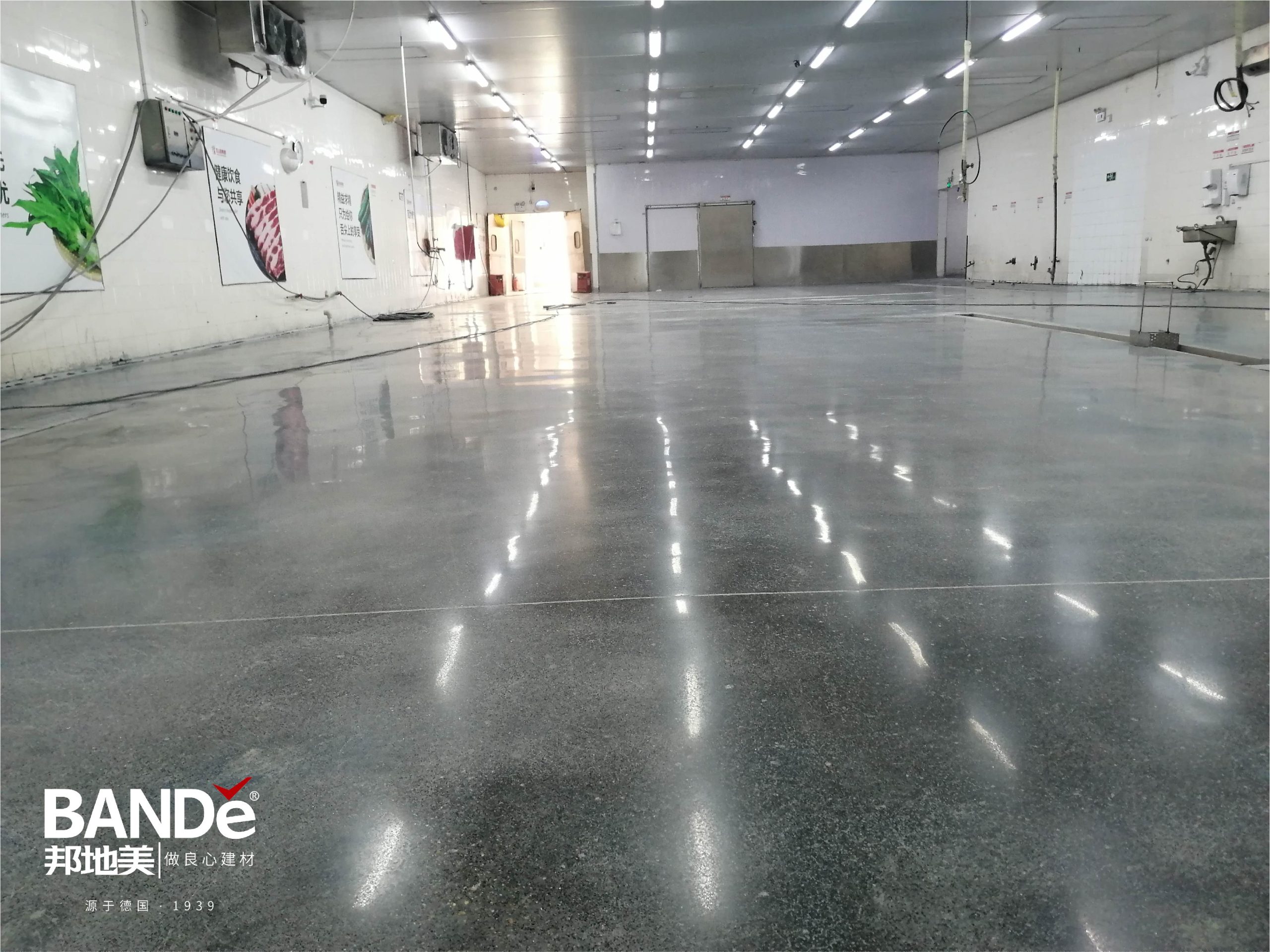
Outdoor waterproofing is very important. It protects your concrete structures from bad weather. Two good methods are surface sealers and drainage systems.
Surface Sealers
Surface sealers work like a raincoat for your outdoor concrete. They stop water, salt, oil, and UV rays from getting in. This protection makes your property look better and helps your concrete last longer. When you apply a concrete sealer, it creates a barrier against water and deicing salts. This barrier is important to prevent damage from freeze-thaw cycles. It helps keep your concrete from cracking and chipping, making it stronger against tough weather.
Sealers also protect against UV rays. This stops discoloration and damage to the concrete surface from the sun. By using an outdoor concrete sealer, you can keep your outdoor spaces looking good and strong for many years.
Drainage Systems
Good drainage systems are key to stopping water from building up around your concrete foundations. Here are some helpful drainage solutions:
Drainage Solution | Description |
|---|---|
Footing Drains | Pipes with holes placed at the bottom of foundation walls to collect and move groundwater away. |
Grading and Sloping | The ground should slope away from the building to stop water from gathering near the walls. |
Sump Pump Systems | Systems that actively remove water in areas with high groundwater levels to stop flooding. |
These systems control water flow and stop pooling. They are important to avoid problems with the structure and moisture getting in. Planning drainage design before building can help reduce risks from water pressure. By ensuring proper drainage, you protect your concrete structures from possible damage.
Choosing Waterproofing Factors
When picking the best waterproofing solution for concrete, you need to think about several important factors. These factors can greatly affect how well your chosen method works.
Environmental Conditions
Environmental conditions are very important for how waterproofing materials perform. Here are some key points to think about:
Humidity Levels: High humidity can slow down evaporation. This keeps concrete wet for too long. It can cause moisture problems and water damage. On the other hand, low humidity can make moisture leave too quickly, which may cause cracks.
Temperature Extremes: Changes in temperature can make materials expand and contract. This movement can create cracks and gaps that hurt waterproofing.
Seasonal Changes: Changes in humidity during different seasons can affect how well waterproofing materials work. For example, high humidity times can cause dampness and possible damage to the structure.
In areas with lots of rain or near the coast, you should focus on strong waterproofing. This means using tough materials like silicate sealers and polyurethane coatings that can handle the environment. Regular checks can help find leaks and check the structure’s strength.
Type of Concrete Structure
The kind of concrete structure you have also affects your waterproofing choice. Different structures have different needs. Here are some things to consider:
Project Type: The specific needs of your project will guide your waterproofing choice. For example, bridges may need different materials than homes because of exposure to chemicals or UV rays.
Compliance with Standards: Make sure your waterproofing solution meets local building codes. This is important for durability and performance.
Traffic Load: If your structure will have heavy traffic, you need strong materials that can handle wear and tear.
Choosing the right waterproofing system based on the structure type can help it last longer and work better.
Budget and Maintenance
Your budget and maintenance needs are important when choosing a waterproofing solution. Here are some points to remember:
Initial Investment: High-quality waterproofing systems may cost more at first. However, they can save you money on maintenance later by stopping moisture and structural damage.
Life Cycle Costs: Think about the long-term costs of waterproofing solutions. Good methods can save you thousands in repairs after construction, especially if digging is needed.
Maintenance Needs: Some waterproofing solutions need more upkeep than others. For example, interior waterproofing methods are often cheaper but may not protect as well as exterior systems.
By looking at your budget and maintenance needs, you can find a waterproofing solution that gives strong protection while staying within your budget.
Picking the best waterproofing for your concrete structures is very important. Think about things like where your project is, what type of structure it is, and how much money you have. Here are some main points to remember:
Make sure to follow local building rules.
Look at long-term costs along with the first costs.
Get help from experts for detailed checks. They can help you choose the right materials and make sure they are installed correctly. Regular checks will keep your structures safe and help them last longer. By doing these things, you protect your investment and make your concrete stronger.
FAQ
What is the best type of sealer for outdoor concrete?
A penetrating sealer is the best choice for outdoor concrete. It lets moisture escape while stopping water and stains from getting in. This keeps your concrete safe from bad weather.
How often should I apply a concrete sealer?
You should put on a concrete sealer every 1 to 3 years. This depends on the product and the weather. Regular care helps keep your concrete safe and makes it last longer.
Can I waterproof my basement myself?
Yes, you can waterproof your basement by yourself. Use products like cementitious waterproofing or sealers. Make sure to follow the instructions carefully for the best results.
What factors affect the choice of waterproofing method?
Factors include the weather, the type of concrete structure, and your budget. Look at these things to pick the best waterproofing solution for your needs.
How do I know if my concrete needs waterproofing?
Look for signs like cracks, damp spots, or mold. If you see any of these problems, think about using a waterproofing solution to protect your concrete structure.
See Also
Comprehensive Strategies for Effective Concrete Waterproofing Solutions
Key Considerations for Selecting Top Concrete Sealers
How to Choose the Right Concrete Sealer for You
