

Elastomeric waterproof coatings are special materials. They create a strong and flexible barrier against water. Their unique features make them very important for waterproofing in many uses. These coatings can stretch and shrink. This helps them adjust to building movements without breaking.
The global market for elastomeric waterproof coatings is growing fast. It is expected to reach USD 27.3 billion by 2026. It may increase to USD 47.1 billion by 2033. This shows their rising importance in construction, cars, and industry.
Property | Description |
|---|---|
Adhesion | Sticks well to different surfaces, stopping peeling or blistering. |
Flexibility | High elasticity lets the coating stretch and move with the building. |
UV Resistance | Protects against damage from sunlight, making the coating last longer. |
Breathability | Lets water vapor escape while keeping liquid water out, stopping moisture buildup. |
Coverage | High coverage rate gives cost-effective protection, reducing the number of coats needed. |
These features make elastomeric waterproof coatings a great choice for homes and businesses.
Key Takeaways
Elastomeric waterproof coatings make a strong and flexible shield against water. This makes them great for protecting buildings.
These coatings can stretch and change with building movements. This lowers the chance of damage compared to hard systems.
Regular care, like checking and cleaning, is important to keep elastomeric coatings working well and lasting long.
Using elastomeric coatings can save money. They help surfaces last longer and cut down on repairs.
They are good for the environment. They help lower energy costs and reduce waste in building projects.
What Are Elastomeric Coatings?
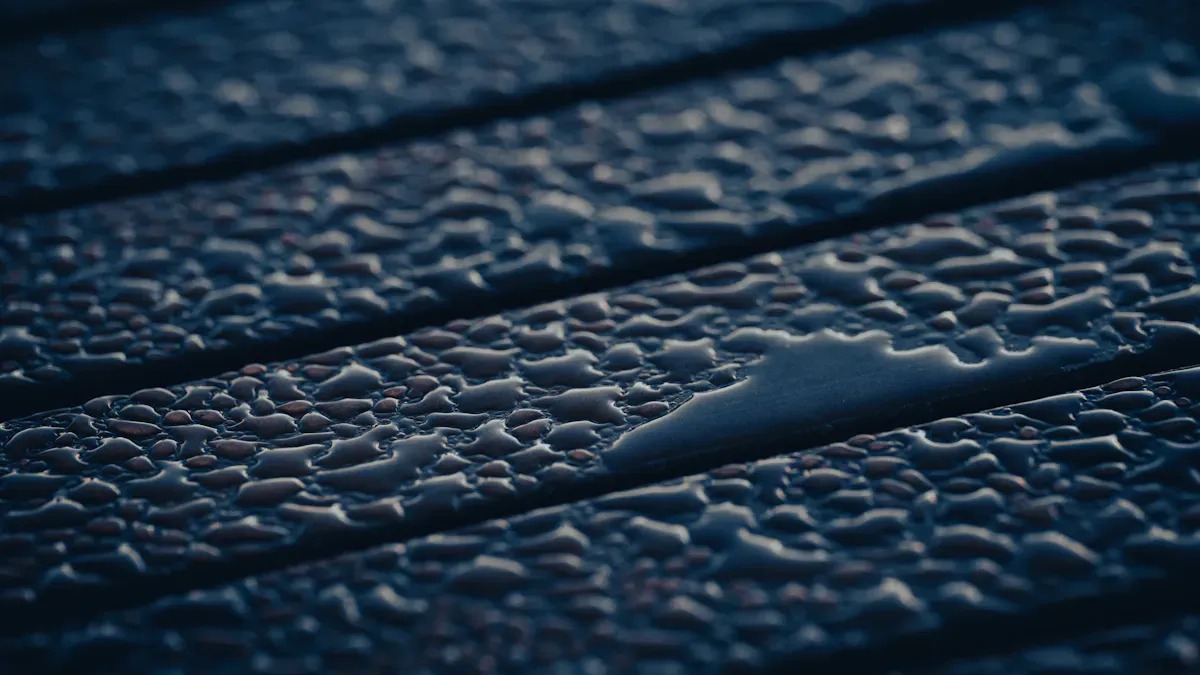
Elastomeric coatings are special materials. They create a strong and flexible waterproof barrier. These coatings are made of polymers. This allows them to stretch and change with different conditions. Their unique makeup makes them great for keeping surfaces safe from water damage. They also stay strong over time.
Types of Elastomeric Waterproof Coatings
There are different types of elastomeric waterproof coatings. Each type has its own benefits. Here are some common types:
Type | Chemical Composition | Key Properties |
|---|---|---|
Acrylics | Acrylate copolymers | Affordable, great UV protection, not good with standing water. |
Silicones | Siloxane polymers | Best UV resistance, good for humid places, makes a solid layer. |
Polyurethane | Polyols and diisocyanates | Strong adhesion, high resistance, eco-friendly choices. |
Acrylic elastomeric coatings are good for roofs that drain well, like sloped metal roofs. They have about half solid material and half water. This can cause some product loss while drying. But they offer great UV protection. Polyurethane coatings are tougher. They work better in busy areas. They handle standing water better than acrylics but are harder and more expensive to apply.
Applications of Elastomeric Paint
Elastomeric paint can be used in many industries. Here are some common places to use elastomeric coatings:
Application Area | Description |
|---|---|
Exterior Walls | Great for coating outside walls of buildings, especially concrete, stucco, or brick. |
Roofs | Used to waterproof flat or low-sloped roofs, making roofing materials last longer. |
Basements | Stops moisture from coming in and protects basement walls and floors from water damage. |
Concrete and Masonry | Gives a flexible coating that helps resist moisture and wear on these surfaces. |
Parking Garages | Protects concrete floors from damage and chemical spills. |
Industrial Facilities | Shields surfaces from tough environmental conditions, including chemicals and heavy traffic. |
Residential Projects | Used on foundations, walls, and outdoor areas like patios and driveways. |
Restoration Projects | Helps keep historical buildings safe by protecting older surfaces. |
Elastomeric coatings work well in places like bathrooms, kitchens, and roofs. They can fill cracks up to 0.4 mm or more, creating a smooth waterproof barrier. Their flexibility lets them expand and shrink with temperature changes. This makes them good for buildings that move. This ability is important for keeping waterproofing strong in tough situations.
Benefits of Elastomeric Waterproof Coatings
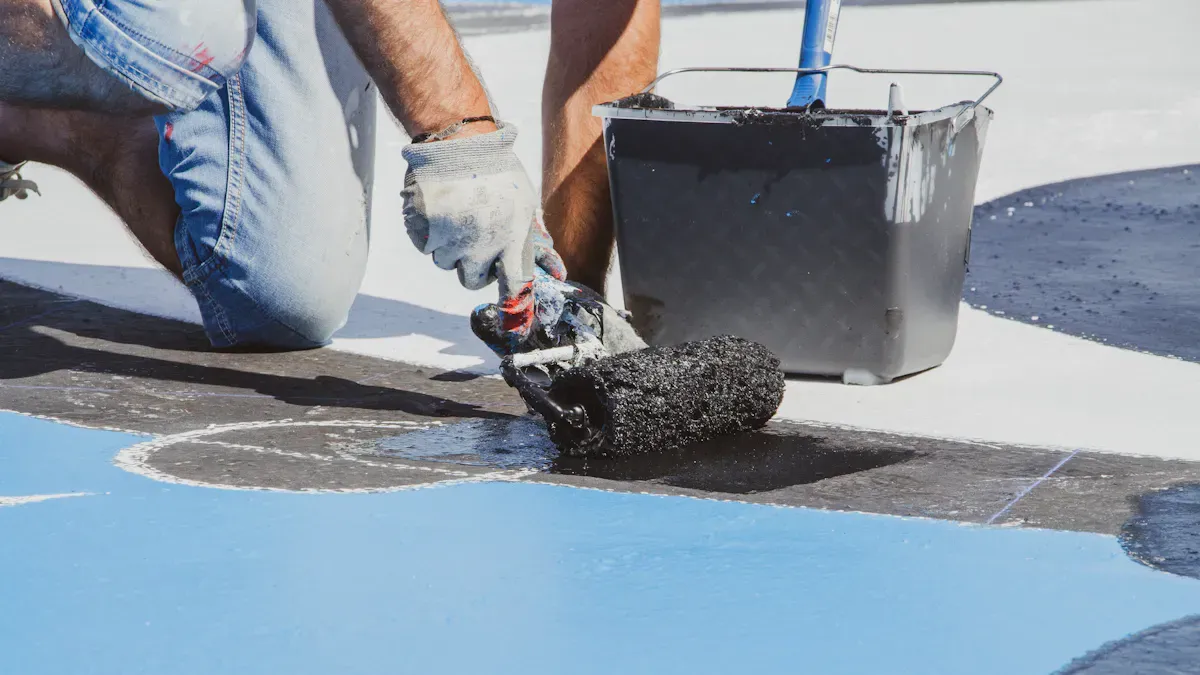
Elastomeric waterproof coatings have many benefits. These make them a great choice for waterproofing. First, they stick very well to different surfaces. This prevents problems like peeling or blistering. This strong bond keeps your waterproofing working for a long time.
Another big benefit is their long-lasting strength. Elastomeric coatings can handle bad weather. They resist rain, snow, and strong sunlight. They do not crack or peel easily. This helps your roofing and other surfaces last longer. Because of this strength, you save money on repairs and replacements later.
Energy efficiency is another important benefit. Elastomeric coatings reflect sunlight away from buildings. This helps keep buildings cooler. As a result, you can lower your cooling costs. By reducing heat, these coatings help make buildings more sustainable. They also help lower your carbon footprint.
Elastomeric coatings protect against UV rays and moisture. Many of these coatings have UV blockers. These stop damage from sun exposure. This makes them great for outside uses, like roofing and wall finishes. Their flexibility helps them cover small cracks and gaps. This improves waterproofing. This smooth, water-resistant layer stops leaks and protects surfaces from water damage.
Limitations of Elastomeric Coatings
Elastomeric waterproof coatings have many good points, but they also have some limits. Knowing these can help you choose the right waterproofing for your needs.
Inability to Repair Major Structural Damage:
You need to fix any big structural problems before using an elastomeric waterproof coating. If you skip this step, the coating might not stick well. This can cause water to get in and cause damage over time. The coatings can seal small cracks well, but they can’t fix big structural issues.
Environmental Considerations:
Making and throwing away elastomeric coatings can affect the environment. But these coatings can also help. They can make roofing systems last longer, which means fewer replacements. This can cut down landfill waste by 40% to 80% over a hundred years. Plus, reflective coatings can save energy in cities, helping to reduce the urban heat island effect.
Maintenance Needs:
You need to do regular maintenance to keep them working well. Here are some good practices:
Maintenance Practice | Description |
|---|---|
Periodic inspections | Check for cracks or damage often. |
Minor repairs | Fix spots where the coating is thin. |
Routine cleaning | Clear away debris and buildup to keep it effective. |
By doing these maintenance tasks, you can make your elastomeric waterproof coating last longer and protect your surfaces from tough weather.
Elastomeric waterproof coatings are very important. They help protect buildings from water damage. Their ability to stretch and stay strong makes them great for many uses, like roofs and basements. Here are some important points:
About 55% of new commercial buildings use elastomeric materials. This shows they are becoming more popular.
These coatings can make surfaces last almost 40% longer. This makes them a smart choice for saving money.
They adjust well to building movements. This lowers the chance of problems compared to stiff systems.
Think about using elastomeric waterproof coatings for your next project. They provide long-lasting protection and help with eco-friendly building. Look into your options and choose wisely for good waterproofing.
FAQ
What are elastomeric waterproof coatings made of?
Elastomeric waterproof coatings are made from polymers. These materials give them flexibility and strength. Common types are acrylics, silicones, and polyurethanes. Each type has its own benefits for different uses.
How long do elastomeric coatings last?
If applied and cared for properly, elastomeric coatings can last over 10 years. Their strength against weather helps them last a long time.
Can I apply elastomeric coatings myself?
Yes, you can put on elastomeric coatings by yourself. Just make sure to follow the manufacturer’s instructions for preparing the surface and applying the coating for the best results.
Are elastomeric coatings environmentally friendly?
Many elastomeric coatings are good for the environment, especially the water-based ones. They help save energy and make surfaces last longer, which reduces waste.
Where can I use elastomeric waterproof coatings?
You can use elastomeric coatings on roofs, basements, outside walls, and other places that get wet. They work well in homes and businesses.
See Also
Achieving Perfect Waterproof Coating On Various Surfaces
Understanding Rigid Waterproof Sealers And Their Functionality
Top Flexible Waterproof Sealers For Home Applications Explained
Choosing The Ideal Flexible Waterproof Sealant: A Comprehensive Guide
Selecting The Right Flexible Waterproof Sealer For Every Project
