

Choosing the right product for concrete treatment is very important. You may be confused about what is the difference between concrete hardener and sealer. Each option has a different job. Your choice can change how long your surfaces last and how much it costs to take care of them.
For example, concrete hardeners make the surface harder and more resistant to wear, while sealers add a protective layer against stains and chemicals. Knowing this difference helps keep your concrete strong and easy to care for over time.
By learning what is the difference between concrete hardener and sealer, you can make a smart choice that helps your project.
Key Takeaways
Concrete hardeners make surfaces stronger and last longer. Sealers protect against stains and water.
Use a hardener in busy places like warehouses. Use a sealer on pretty surfaces like driveways.
Hardeners last longer and need less care than sealers. Sealers might need to be put on again every few years.
Think about the weather, like humidity and heat, when picking a product for your concrete.
Ask a professional if you are not sure which product to use for your concrete needs.
Definitions
What is a Concrete Hardener?
A concrete hardener is a special product that makes concrete stronger and lasts longer. When you put a hardener on concrete, it goes into the surface and reacts with it. This makes the surface tougher and more durable. Here are some important facts about concrete hardeners:
Main Components: Liquid hardeners mainly have silicates like sodium, potassium, or lithium.
Chemical Interaction: These silicates go into the concrete and start a reaction that makes the surface harder and stronger.
The benefits of using a concrete hardener include:
Benefit | Description |
|---|---|
Durability | Makes concrete surfaces last longer and resist damage. |
Stain Resistance | Helps stop liquids from soaking in, which prevents stains. |
Maintenance | Reduces the need for upkeep, keeping floors cleaner and healthier. |
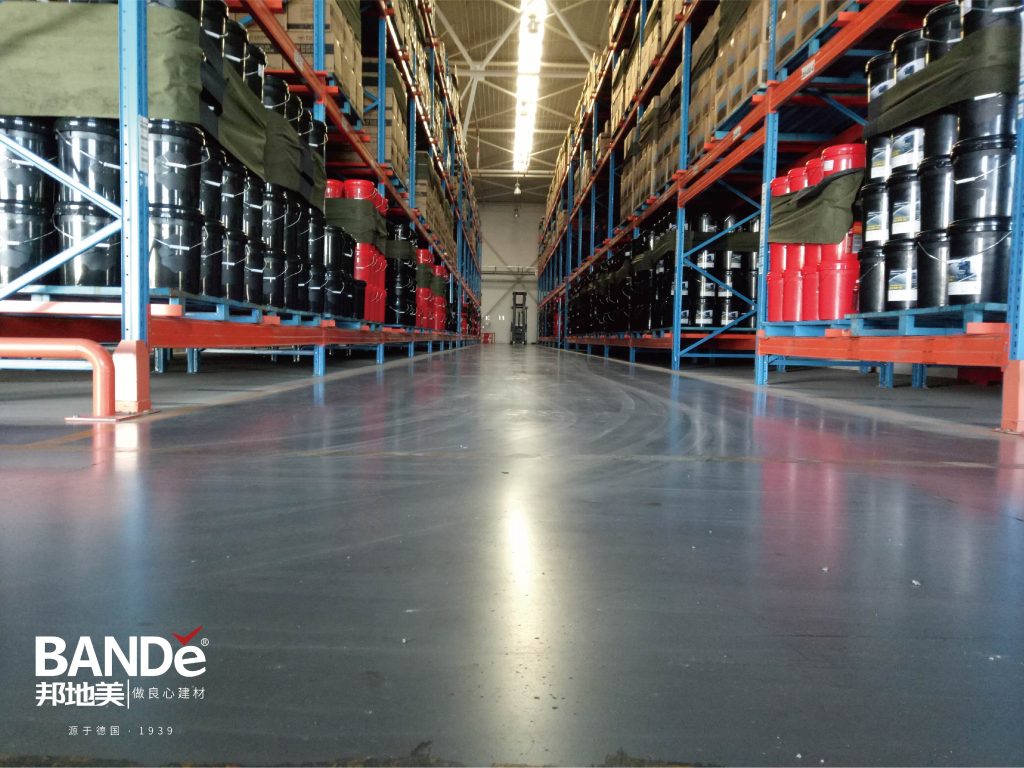
By using a product like the BANDě Polished Concrete Densifier, you can get a hard surface that resists wear and moisture. This product not only strengthens the concrete but also gives it a shiny finish that lasts for years.
What is a Concrete Sealer?
Concrete sealers have a different job than hardeners. They create a protective layer on the concrete surface. This layer keeps out stains, moisture, and damage from the environment. Here’s what you should know about concrete sealers:
Types of Sealers: Common types include:
Epoxy Sealers: Give a shiny, strong coating, great for industrial areas.
Polyaspartic Sealers: Cure quickly and resist UV light, good for cold weather.
Silicate Sealers: Work with concrete to make the surface denser.
Silane and Siloxane Sealers: Go into the surface to keep water out.
Protection Mechanism: Sealers protect concrete surfaces from:
Water Damage: Stop moisture from getting in, which helps prevent cracks and mold.
Stains: Protect against oil, grease, and other things that can stain concrete.
Environmental Factors: Help against freeze-thaw cycles and UV damage.
Using a concrete sealer not only makes your surfaces look better but also helps them last longer. Regular sealing can save you money on repairs and replacements later.
What is the Difference Between Concrete Hardener and Sealer?
Composition and Functionality
To understand the differences between concrete hardeners and sealers, look at what they are made of and how they work.
Concrete Hardener: This product goes into the concrete surface and reacts to make it stronger. It mainly has silicates that fill the concrete’s pores. This makes the surface harder and more durable from the inside.
Concrete Sealer: On the other hand, sealers form a protective layer on top of the concrete. They can be made from different materials like acrylics, epoxies, and silanes. This layer keeps out moisture, stains, and damage from the environment.
Here’s a quick comparison of their features:
Feature | Concrete Hardener (Densifier) | Concrete Sealer |
|---|---|---|
Protection Method | Penetrates to increase hardness | Creates a surface barrier |
Surface Enhancement | Increases durability from within | Enhances appearance and protects from stains |
Moisture Resistance | Limited | High |
Stain Resistance | Minimal | High |
UV Protection | None | Some sealers available |
Dust Reduction | Not applicable | Yes |
Application Methods
The way you use these products is also very different.
Concrete Hardener: You can apply hardeners in different ways:
Hand Application: You put it on after the concrete starts to set. This helps it soak in better.
Mechanical Application: This means applying the hardener right after placing the concrete for even coverage.
Dry Shake Finish: This method adds the hardener as a dry shake on the surface for a strong finish.
Concrete Sealer: Sealers are usually applied after the concrete has cured. Here are some common methods:
Spray Application: This method gives even coverage and works well for large areas.
Roller Application: Using a roller helps you get a smooth finish, especially on smaller areas.
Brush Application: This method is good for detailed work or spots that need precision.
How you apply these products can affect how well they work. For example, applying a hardener by hand can make it more durable, while mechanical application ensures an even finish.
In terms of maintenance, hardeners usually last longer than sealers. Hardeners can last over ten years, while sealers might need to be reapplied every few years, depending on the type.
Maintenance Tips:
Hardeners usually need less maintenance.
Sealers may need to be reapplied every year, especially the types that wear out faster.
By knowing the difference between concrete hardener and sealer, you can make smart choices that fit your needs.
Factors to Consider
Project Type
When choosing between a concrete hardener and a sealer, think about your project. Different projects need different things. For example, if you are working in a busy place like a warehouse or garage, a concrete hardener is a good choice. It makes the surface harder and more durable. This helps it resist wear and tear. But if you want something that looks nice, like a decorative patio or driveway, a good concrete sealer can make it look better. It also protects against stains and moisture.
Environmental Conditions
The environment is important for your choice. High humidity can make concrete absorb moisture. This can hurt how well sealers stick and work. If you put a sealer on when it’s too humid, you might trap moisture under it. This can cause problems like hazing or peeling. Here are some conditions to think about:
Humidity: High humidity can cause sealing problems.
Temperature: Very hot or cold weather can change how it cures.
Chemical Exposure: If your concrete will face chemicals, a hardener can help it resist stains and wear.
Desired Outcomes
What do you want from your concrete treatment? Your goals will help you decide. Here are some common goals:
Increased Hardness: A hardener makes it tougher against wear.
Improved Stain Resistance: Sealers make surfaces less likely to get stains.
Water Resistance: Both options help stop moisture damage, but sealers usually protect better.
UV Protection: Some sealers help prevent fading from the sun.
What you expect also matters. If you want a shiny finish and easy care, a sealer is a good choice. But if you want something strong and long-lasting, a hardener might be best for you.
Situational Recommendations
When to Use a Hardener
Think about using a concrete hardener when you want to make your surfaces stronger and last longer. For example, if you are working on a warehouse floor or garage, a hardener can really help. It makes surfaces resist wear about 2-1/2 times better than untreated ones. This is great for busy areas.
Here are some times when a hardener is a good choice:
Industrial Settings: Factories and warehouses get stronger and need less care.
High-Traffic Areas: Places like shopping malls or airports need surfaces that can handle a lot of foot traffic.
Moisture-Prone Environments: If your concrete gets wet, a hardener can help it soak up less water.
When to Use a Concrete Driveway Sealer
On the other hand, a concrete driveway sealer is great for protecting and improving how your driveway looks. If you want to keep your driveway looking nice and stop stains from oil or chemicals, a sealer is the best option.
Think about these situations for using a concrete driveway sealer:
Aesthetic Appeal: If you want a shiny finish that makes your home look better, a sealer can do that.
Stain Protection: For driveways that get spills from cars, a sealer gives great stain protection.
Weather Resistance: If you live where winters are tough, sealing your driveway can help stop damage from freezing and thawing.
In short, knowing the differences between concrete hardeners and sealers is very important for your project. Here’s a quick look at some key things to think about:
Factor | Description |
|---|---|
Type of Sealer | There are film-forming and penetrating sealers, each working in different ways. |
Additives | Surfactants and defoamers can change how sealers look and work. |
Water Sensitivity | How fast water goes through the sealer matters for its strength and how well it works. |
VOC Content | Volatile organic compounds can affect how well sealers work and if they meet environmental rules. |
Environmental Conditions | Outside conditions can change how sealers are applied and how well they perform. |
Solvent-based vs. Water-based | These types differ in how well they soak in and how they perform for users. |
Take time to think about what you need. If you are not sure, asking a professional can help you pick the best product for your needs. Experts can give you specific advice and make sure the surface is ready, which is very important for good results.
By making a smart choice, you can improve the strength and look of your concrete surfaces for many years!
FAQ
What is a concrete densifier?
A concrete densifier is a product that makes concrete stronger. It goes into the concrete and reacts to make the surface harder and tougher.
How do I apply a concrete densifier?
You can put on a concrete densifier by hand or with a machine. Make sure the surface is clean and dry before you apply it for the best results.
Can I use a densifier on old concrete?
Yes, you can use a concrete densifier on both new and old concrete. It helps make existing surfaces stronger and more durable.
Do I need to seal after using a densifier?
While a concrete densifier makes the surface stronger, sealing afterward can give extra protection against stains and moisture. It’s a good idea for lasting results.
See Also
Discovering The Ideal Concrete Sealer For Your Requirements
A 2025 Handbook For Choosing The Right Concrete Floor Hardener
A 2025 Resource For Picking The Best Concrete Densifier, Hardener, And Sealer
An In-Depth Buying Guide For Concrete Densifiers, Hardeners, And Sealers
An Essential Resource For Selecting The Top Concrete Protective Sealer
