

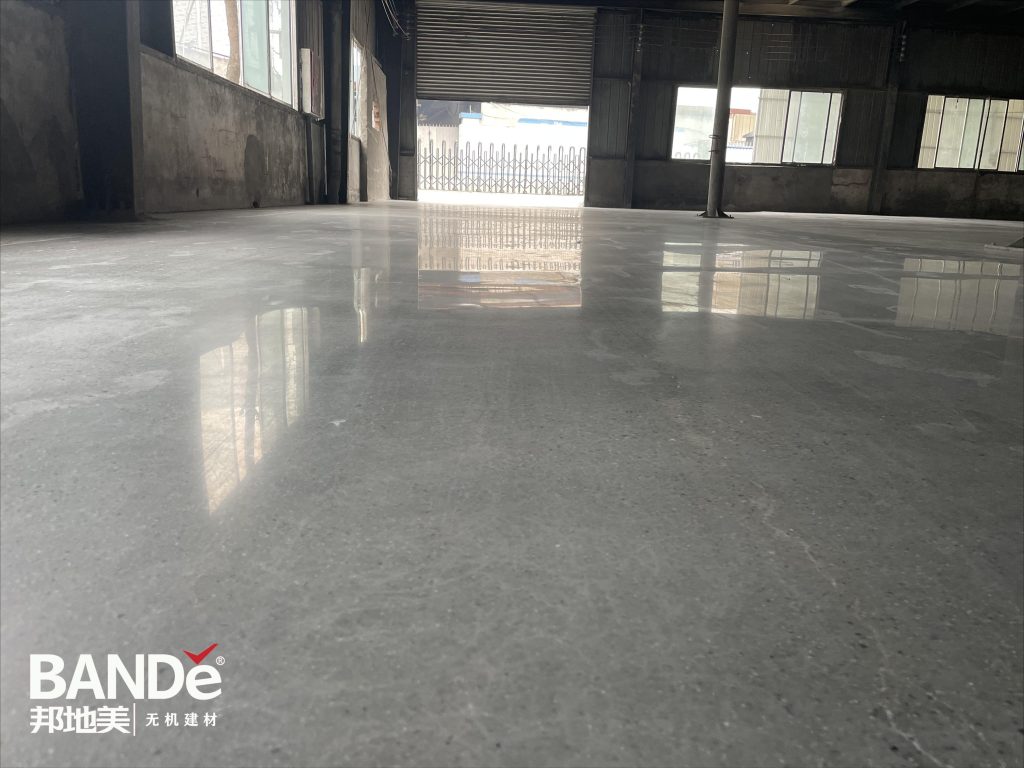
Moisture problems in basements can cause big issues for homeowners. In fact, about 60 percent of homeowners in the U.S. have wet basements every year. Many common problems come from this situation. You might smell musty odors, see mold, or find water stains on your basement walls. These signs show that moisture is getting into your space and can cause more damage. Taking steps, like putting in a basement wall vapor barrier, is important to keep your home safe from these moisture problems.
Key Takeaways
Vapor barriers keep moisture out of your basement. This helps stop mold and damage to your home.
Putting in a vapor barrier can save energy. This means lower energy bills for you.
Check your basement often for moisture signs. Fix any problems quickly to avoid expensive repairs.
Use good materials, like the BANDe Wall & Floor Moisture Barrier. They give strong protection against moisture.
Installing a vapor barrier now can protect your home. It can also make your home worth more.
Importance of Vapor Barriers
How Vapor Barriers Work
Vapor barriers are very important for keeping your basement dry. They stop moisture from going through basement walls. Here’s how they work:
Vapor barriers block almost all moisture transfer, allowing less than 0.1 perms.
Proper installation is key to stop mold growth, especially in insulated basement walls next to concrete.
They create a layer that stops water vapor from getting into the walls. This helps keep your home strong.
Benefits of Using a Vapor Barrier
Putting in a basement wall vapor barrier has many benefits. Here are some main advantages:
Moisture Prevention: Vapor barriers stop water vapor from coming in through floors, walls, or ceilings. This helps you avoid moisture problems that can lead to expensive repairs.
Energy Efficiency: When used with insulation, vapor barriers help your home use less energy. This can lower your energy bills.
Long-Term Savings: By dealing with moisture risks early, you can avoid costly repairs later.
Mold Protection: Vapor barriers stop mold and mildew from growing in hidden areas. This makes the air inside better and protects your home’s structure.
Durability: BANDe Wall & Floor Moisture Barrier is a great choice for moisture protection. It is eco-friendly and made of inorganic material that creates a strong moisture-proof layer. This barrier not only blocks moisture but also stops bacteria from growing, making your basement healthier.
By getting a vapor barrier, you take an important step toward managing moisture in your basement. This smart choice protects your home and helps it last longer.
Sources of Moisture in Basements
Knowing where moisture comes from in your basement is very important. Many things can cause moisture, and each one affects your basement differently.
Groundwater and Humidity
Groundwater is a big source of moisture. When the soil around your house gets too wet, it pushes against the foundation walls. This pressure can push water through cracks and holes, causing leaks and moisture buildup. This dampness can lead to mold and can harm your home over time.
Indoor humidity also affects moisture levels in your basement. High humidity can keep moisture inside, especially after it rains. This creates a good environment for mold and can damage your home. If there is not enough airflow, moisture can build up and form on cool surfaces. Things like laundry and plumbing leaks add more vapor to the air, making humidity worse.
Condensation Issues
Condensation happens when warm, moist air hits cool surfaces in the basement. This causes moisture to form. Humid weather, temperature differences, and poor airflow can all cause condensation. This moisture can lead to mold and mildew, which can harm the air quality and your health. It can also rot wood, warp floors, and rust pipes, damaging furniture and stored items. Too much moisture can cause serious problems, like cracks in the foundation and weak building materials, which can make your basement less stable.
By finding these moisture sources, you can take steps to protect your basement. Installing a vapor barrier, like the BANDe Wall & Floor Moisture Barrier, can help stop moisture from coming in, keeping your home safe from damage.
Signs You Need a Basement Wall Vapor Barrier
Visible Damage and Mold
You may see damage in your basement that shows you need a vapor barrier. Look for signs like:
Water beads forming on the walls
Sticky feeling instead of just wetness
Even moisture spread across surfaces
These signs mean moisture is getting into your basement walls. Mold often grows with these visible signs. Mold loves high humidity, bad airflow, and damp places. If you find mold, it means there is a moisture issue. This usually means that mold has been growing for a while. You might also have more mold that you can’t see.
Ignoring these signs can lead to big problems.
Musty Odors
Musty smells are another clear sign of moisture problems in your basement. If you smell a bad odor that won’t go away, it probably means dampness is there. This smell can spread into your living areas, making your home uncomfortable.
Here are some problems that can happen if you ignore these signs:
Consequence | Description |
|---|---|
Too much moisture creates a good place for mold and mildew, causing health issues for people and possibly costly cleanup. | |
Structural Damage | Water getting in can weaken your basement walls and even cause foundation issues over time. |
Decreased Home Value | A wet basement with visible damage can lower your property’s resale value a lot. |
Unpleasant Odors | Moisture in your basement can create musty smells that spread into your living spaces. |
By fixing these signs early, you can stop more moisture damage. Putting in a basement wall vapor barrier, like the BANDe Wall & Floor Moisture Barrier, can give you the moisture protection you need. This smart choice helps keep your basement dry and your home safe.
Potential Damage from Moisture
Structural Integrity Risks
Moisture can really weaken your basement walls over time. Here are some common problems you might see:
Cracks and Fractures: Water can get through cracks, causing more damage. You might see cracks on your walls and floors.
Bowing Walls: Pressure from groundwater can push against your foundation walls, making them bow inward.
Efflorescence: This white, powdery stuff shows up on walls when moisture gets in. It means water is there and can cause bigger problems.
Over time, being around moisture can harm the strength of your basement. This can lead to wood rotting, floors sagging, and doors sticking. If you ignore these signs, you could face expensive repairs and a weak foundation.
Health Concerns from Mold
Moisture problems in your basement can cause serious health issues. Mold grows well in damp places, and it can hurt your indoor air quality. Here are some health risks linked to mold growth:
Respiratory Problems: Breathing in mold spores can make you cough, wheeze, and feel short of breath. This is especially bad for people with asthma or allergies.
Skin Rashes: Mold can also cause skin irritations and rashes, making your home uncomfortable.
Worsening Health Conditions: If you already have health problems, mold can make them worse, leading to bigger issues.
Ignoring moisture problems can lead to serious health risks and damage to your home. Fixing these issues early, like by putting in a BANDe Wall & Floor Moisture Barrier, can help keep you healthy and protect your property.
Installing a Vapor Barrier
Application Techniques
Putting in a basement wall vapor barrier needs careful planning. Follow these steps to install it well:
Prepare the Surface: Clean the walls well. Get rid of dirt, dust, and debris. This helps the vapor barrier stick properly.
Choose the Right Material: Pick a good vapor barrier, like the BANDe Wall & Floor Moisture Barrier. This product gives great moisture protection.
Apply Evenly: Use a spray to apply the vapor barrier smoothly. Make sure to cover all areas, including corners and edges. This stops moisture from getting in.
Seal the Edges: Focus on seams and edges. Use tape or glue to seal these areas tightly. This step is very important to keep the barrier strong.
Maintenance Tips
To keep your vapor barrier working well, follow these maintenance tips:
Regular Inspections: Check your basement walls often for any signs of damage. Finding problems early can save you money on repairs.
Monitor Humidity Levels: Watch the humidity in your basement. Try to keep it at safe levels to stop moisture from building up.
Address Damage Promptly: If you see any damage to the vapor barrier, fix it right away. This helps keep its moisture protection strong.
By following these application techniques and maintenance tips, you can make sure your vapor barrier stays effective for a long time. This smart choice protects your basement walls from moisture and keeps your home safe.
In conclusion, putting in a vapor barrier is very important for keeping your basement dry and healthy. Here are some main points to remember:
Vapor barriers stop moisture from getting into your basement.
They help keep the temperature steady, which can save you money on energy bills.
Protecting your home from water damage is key for lasting strength.
By stopping mold from growing, you help create a healthier home.
Take a moment to check your basement. Think about things like the weather where you live, how wet it is now, and what you plan to do with the space. Installing a good vapor barrier, like the BANDe Wall & Floor Moisture Barrier, can help prevent moisture problems.
Your home needs the best protection from moisture, so take action now!
FAQ
What is a vapor barrier?
A vapor barrier is a material that stops moisture from going through walls and floors. It keeps your basement safe from water damage and mold.
How do I know if I need a vapor barrier?
Check for signs like musty smells, visible mold, or water stains on walls. If you see these problems, think about putting in a vapor barrier.
Can I install a vapor barrier myself?
Yes, you can put in a vapor barrier by yourself. Just follow the instructions from the manufacturer closely. Make sure to clean the surface well for the best results.
How long does a vapor barrier last?
A good vapor barrier, like the BANDe Wall & Floor Moisture Barrier, can last for many years. Regular checks help keep it working well.
Is a vapor barrier necessary in all basements?
Not every basement needs a vapor barrier. But if you live in a humid area or have moisture problems, it’s a good idea to install one.
See Also
Understanding Wall And Floor Moisture Barriers And Their Importance
Selecting The Ideal Moisture Barrier For Your 2025 Renovation
A Comprehensive Overview Of Home Moisture Barriers For Walls And Floors
