


When it comes to indoor concrete floors, sealing is crucial. Without proper sealing, you might face serious issues like moisture damage and adhesive failures. These problems can be costly and time-consuming to fix. A good concrete sealer protects your floors and enhances their durability. So, let’s dive into why choosing the right one matters for your space!
Key Takeaways
Choosing the right concrete sealer protects your floors from moisture damage and enhances durability.
Consider moisture resistance, VOC levels, and finish types when selecting a sealer to ensure it meets your indoor needs.
Proper surface preparation and application techniques are crucial for achieving a long-lasting seal on your concrete floors.
Concrete Sealer Types
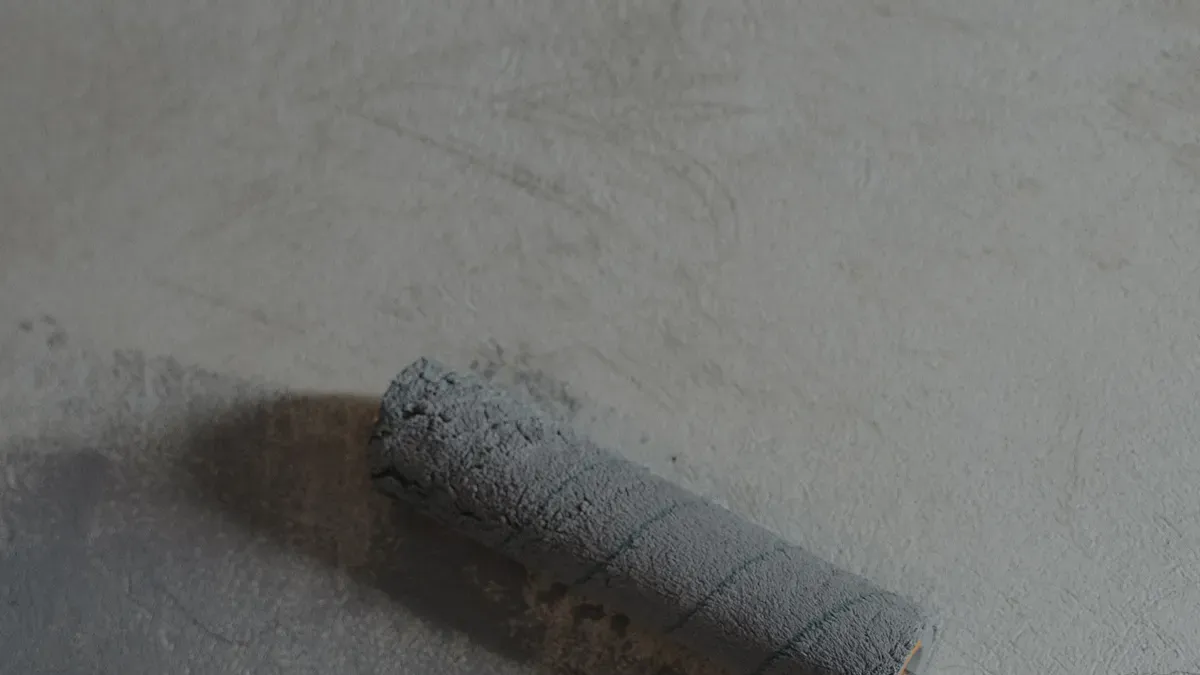
When it comes to choosing a concrete sealer, you’ll find two main types: penetrating sealers and topical sealers. Each type serves a different purpose and offers unique benefits.
Penetrating Sealers
Penetrating sealers, like silicate and silane sealers, work by soaking into the concrete. They create a chemical reaction that strengthens the surface from within. This type of sealer is great for moisture resistance and helps prevent damage from freeze-thaw cycles. They don’t alter the appearance of your floor, maintaining its natural look. Here’s a quick comparison of some common penetrating sealers:
Type | Composition | Penetration Depth | Hydrophobic | Common Function |
|---|---|---|---|---|
Silanes | Inorganic | 4 angstroms | Yes | Sealing dense surfaces like high-performance concrete |
Siloxane Blends | Organic | 100 angstroms | Yes | Sealing very porous substrates like block |
Siliconates | Organic | 20 angstroms | Yes | Sealing porous concrete, brick, and stone |
Topical Sealers
Topical sealers, such as acrylic and polyurethane, form a protective layer on the surface. They enhance the appearance of your concrete with finishes that can be glossy or matte. However, they may chip or peel over time and require periodic reapplication. Here’s a quick look at the differences:
Attribute | Topical Sealers | Penetrating Sealers |
|---|---|---|
Durability | May chip, peel, or wear down over time; requires periodic reapplication. | Long-lasting protection; does not peel, chip, or wear off due to irreversible chemical reaction. |
Appearance | Enhances appearance with finishes like high-gloss or wet looks. | Maintains natural matte appearance without adding sheen or changing texture. |
Choosing the right type of concrete sealer depends on your specific needs. If you want long-lasting protection without altering the look of your floor, penetrating sealers are the way to go. If you prefer a decorative finish and don’t mind some maintenance, topical sealers might be your best bet.
Key Considerations for Best Concrete Sealer
When you’re on the hunt for the best concrete sealer, several key factors come into play. Understanding these considerations will help you make an informed choice that suits your indoor flooring needs.
Moisture Resistance
Moisture resistance is a critical factor in selecting a concrete sealer. If your indoor space experiences high humidity or potential water exposure, you need a sealer that can effectively block moisture. A good moisture barrier prevents issues like mold growth and surface damage.
Aspect | Description |
|---|---|
Epoxy Coatings | Can peel or blister if applied to damp concrete due to moisture trapping. |
Moisture Vapor Transmission | Essential for preventing vapor pressure buildup; improper application can lead to blistering or delamination. |
Environmental Factors | Different sealers perform variably based on moisture conditions, affecting overall effectiveness. |
For instance, using a combination of a blended densifier with a product like LSGuard can enhance both internal hardness and external stain resistance. This combination is crucial for maintaining the floor’s appearance and longevity.
VOC Levels
Volatile Organic Compounds (VOCs) are another important consideration. These compounds can be harmful to your health and the environment. When choosing a concrete sealer, look for options with low VOC levels.
Coating Category | VOC Limits g/L |
|---|---|
Concrete/Masonry Sealers | 100 |
Water-based sealers typically emit fewer VOCs compared to solvent-based options. If you’re concerned about indoor air quality, opting for a water-based sealer is advisable. This choice not only protects your floors but also ensures a healthier living environment.
Finish Types
The finish type of your concrete sealer can significantly affect both the appearance and slip resistance of your indoor floors. Different finishes offer various aesthetic options and safety features.
Type | Slip Resistance | Appearance |
|---|---|---|
Water-Based Acrylic | High | Matte |
Solvent-Based Acrylic | High | Glossy |
Epoxy | Very High | Glossy |
Polyurethane (Aliph.) | Moderate | Glossy |
Polyaspartic | High | Glossy |
Silicate | Low | N/A |
Silane/Siloxane | Low | N/A |
Silicone | None | N/A |
Hybrid Urethane-Acrylic | Moderate | N/A |
For example, solvent-based acrylic sealers provide a glossy finish that enhances visual appeal but may become slick when wet. On the other hand, water-based acrylic sealers offer a matte finish with high slip resistance, making them suitable for spaces where safety is a concern.
By considering moisture resistance, VOC levels, and finish types, you can confidently choose the right concrete sealer for your indoor floors. This thoughtful approach ensures that your floors remain beautiful and durable for years to come.
Top Recommendations for Indoor Sealers
When it comes to sealing your indoor concrete floors, you have some excellent options. Here are three top recommendations that stand out for their performance and reliability.
BANDě Concrete Protective Sealer
If you’re looking for a high-quality sealer, consider BANDě Concrete Protective Sealer. This product is a water-based, colorless, and odorless liquid that penetrates deeply into the concrete. It reacts with the concrete to form inert crystals, enhancing the surface’s density and strength.
Here are some key benefits of using BANDě:
Feature | Description |
|---|---|
Self-healing membrane | Automatically repairs minor damage, enhancing long-term protection. |
Proactive waterproofing | Addresses small issues without manual repairs, unlike many competitors. |
Robust warranty options | Offers coverage extending up to 20 years, providing peace of mind. |
This sealer is perfect for maintaining the integrity of your floors while ensuring they look great.
Epoxy Sealers
Epoxy sealers are another popular choice for indoor concrete floors. They create a tough, durable surface that can withstand heavy foot traffic and resist chemicals. Here are some pros and cons to consider:
Pros:
Strong and durable, providing excellent protection against wear and tear.
Good chemical and abrasion resistance, making cleanup of spills easy.
Ideal for workshop or garage floors where durability is essential.
Cons:
Not permeable to water vapor, which can lead to moisture issues if not applied correctly.
Requires significant surface preparation to ensure proper adhesion.
Can be expensive compared to other options.
If you want a long-lasting solution, epoxy might be the way to go, especially in areas with high traffic.
Urethane Sealers
Urethane sealers are known for their outstanding abrasion resistance and chemical protection. They are perfect for indoor floors that experience heavy use, such as commercial spaces. Here’s what you need to know:
Urethane sealers effectively guard against damage from scuffs, spills, and foot traffic.
They provide a glossy finish that enhances the appearance of your floors.
However, keep in mind that urethane sealers can be more challenging to apply than other types. You’ll want to ensure proper surface preparation for the best results.
Application Tips for Concrete Sealers
Surface Preparation
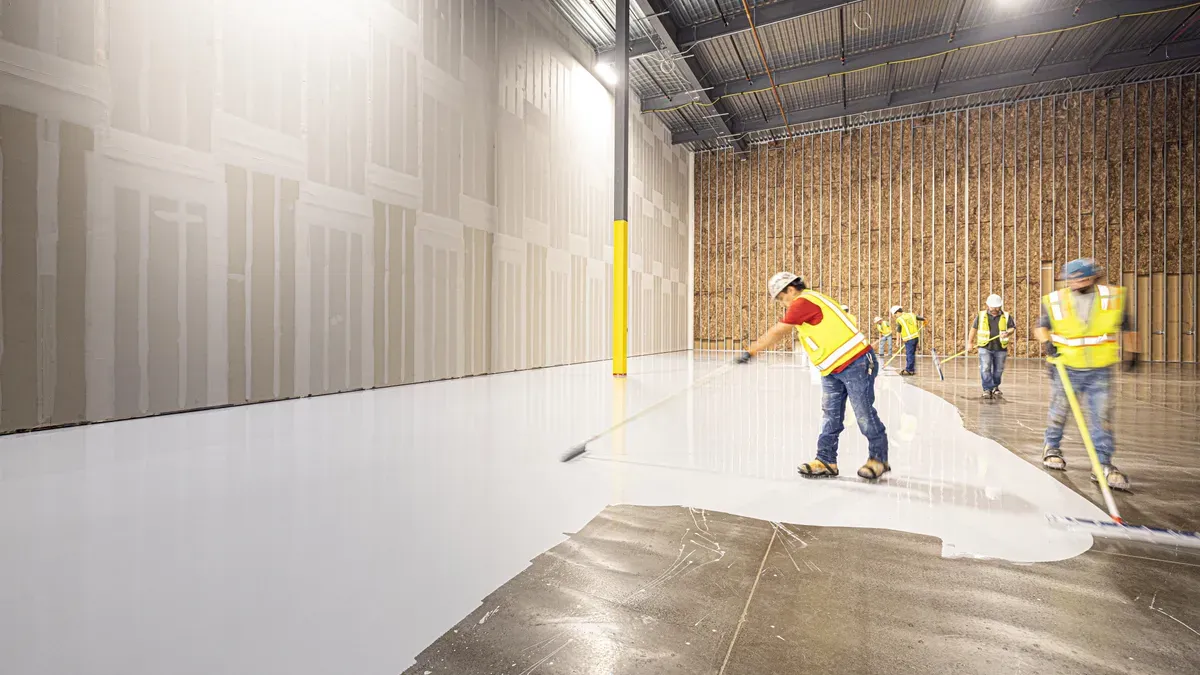
Proper surface preparation is the foundation of a successful sealing job. Before applying a concrete sealer, make sure the surface is clean, porous, and ready to bond with the sealer. Here are some tips to get it right:
Cleanliness: Remove dirt, dust, and grease. Use a broom or blower for loose debris and scrub stubborn stains with soap and water. For tough residues, consider acid etching.
Porosity: Check if the surface can absorb the sealer. If it’s too dense, lightly sand or acid etch it to improve adhesion.
Environmental Conditions: Test the pH levels of the concrete. High pH can interfere with the sealer’s performance.
Taking these steps ensures the sealer adheres properly and lasts longer.
Application Techniques
Applying a concrete sealer correctly is just as important as choosing the right one. Follow these techniques for an even and durable finish:
Use a primer on porous surfaces to enhance adhesion.
Apply the sealer in thin, even layers using a roller, sprayer, or brush. Check the manufacturer’s instructions for the best tool.
Seal the floor when it’s dry and above 50°F. Avoid humid conditions.
For maximum protection, apply two coats. Let the first coat dry before adding the second.
These steps help you avoid common issues like delamination or uneven coverage.
Curing and Maintenance
After applying the sealer, give it time to cure. Most sealers need 24-48 hours before you can walk on them or place furniture. Check the specific curing time for your product.
To maintain your sealed floors, follow these practices:
Routine Cleaning: Dust mop daily and wet mop with pH-neutral cleaners.
Preventative Measures: Use mats at entryways and furniture pads to prevent scratches.
Periodic Resealing: Reapply the sealer as needed based on wear and tear.
With proper care, your sealed concrete floors will stay beautiful and durable for years.
Choosing the right concrete sealer for your indoor floors can make a big difference in durability, appearance, and maintenance. For light-use areas, a basic sealer works well, while high-traffic spaces benefit from robust coating systems. High-quality sealers not only protect against stains and wear but also enhance the beauty of decorative concrete. Remember, proper surface preparation is key to long-lasting results. 🏠
FAQ
What is the best way to apply a concrete sealer?
Use a roller or sprayer for even coverage. Apply thin layers, let each coat dry, and follow the manufacturer’s instructions for the best results.
How often should I reseal my indoor concrete floors?
Reseal every 2–3 years, depending on foot traffic and wear. High-traffic areas may need more frequent maintenance to keep the surface protected.
Tip: Regular cleaning can extend the life of your sealer!
Can I use outdoor sealers for indoor floors?
Outdoor sealers may not suit indoor use due to higher VOC levels. Always choose a low-VOC, water-based sealer for indoor applications to ensure safety and air quality.
See Also
Discovering The Ideal Concrete Sealer For Your Requirements
A Comprehensive Guide To Selecting The Right Concrete Sealer
The Definitive Guide To Concrete Sealers For Industrial Floors
