


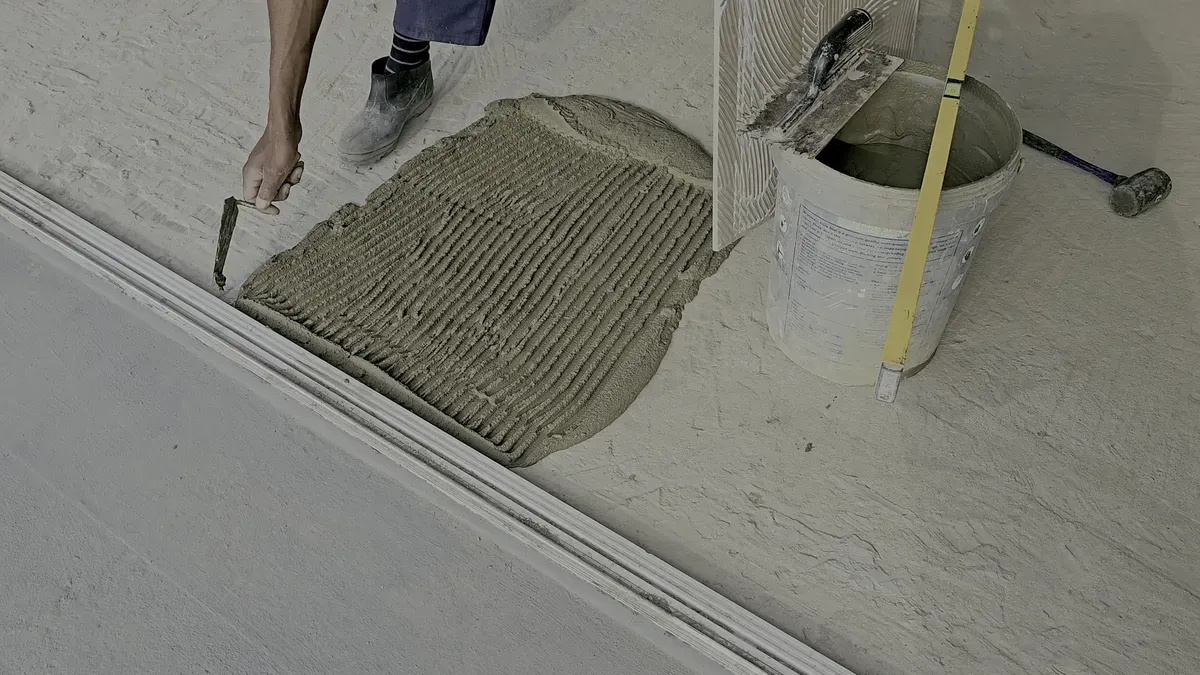
Choosing the right concrete sealer is crucial for both durability and aesthetics. You should consider various factors when making your decision, including:
Desired appearance
Level of protection required
Unique needs for specific areas like driveways and patios
Taking these factors into account ensures you select a concrete sealer that meets your specific needs.
Key Takeaways
Choosing the right concrete sealer protects your surfaces and enhances their appearance. Consider factors like intended use, desired look, and environmental conditions.
Using a high-quality penetrating sealer can significantly extend the lifespan of your concrete, offering protection against moisture and freeze-thaw damage.
Proper surface preparation and application techniques are crucial for achieving the best results. Clean thoroughly, apply in thin coats, and follow manufacturer instructions.
Understanding Concrete Sealers
What Is a Concrete Sealer?
A concrete sealer is a chemical product designed to protect concrete surfaces from damage caused by environmental factors and wear. You can think of it as a shield that either forms a protective layer on the surface or penetrates the concrete to enhance its internal durability. This dual functionality is essential for maintaining the integrity of your concrete structures.
Concrete sealers work by establishing a barrier that prevents water, chemicals, and contaminants from seeping into the concrete. For instance, penetrating sealers bond with the concrete, filling its pores and capillaries. This process, known as densification, enhances water repellency and surface hardness. On the other hand, film-forming sealers create a protective layer that shields against UV rays, water, and chemicals.
Benefits of Concrete Sealers
Using concrete sealers offers several advantages that can significantly improve the lifespan and appearance of your surfaces. Here are some key benefits:
Benefit | Description |
|---|---|
Protection Against Moisture | Prevents water from seeping into concrete, protecting against freeze-thaw damage and mold growth. |
Stain Resistance | Creates a non-porous surface that allows spills to bead up, preventing permanent stains. |
Increased Durability | Hardens the surface, making it more resistant to wear and extending the lifespan of the concrete. |
Enhanced Appearance | Available in various finishes, enhancing color and curb appeal of concrete surfaces. |
Properly sealed concrete can last two to three times longer than unsealed surfaces, significantly enhancing its lifespan. Sealing protects against water infiltration and freeze-thaw damage, which are critical factors in concrete durability.
By choosing the right concrete sealer, you ensure that your surfaces remain beautiful and functional for years to come.
Types of Concrete Sealers
When it comes to choosing a concrete sealer, understanding the different types available can help you make the best decision for your project. Here, we’ll explore four main types of concrete sealers: penetrating concrete sealers, acrylic sealers, polyurethane sealers, and epoxy sealers.
Penetrating Concrete Sealers
Penetrating concrete sealers are a popular choice for many applications. They work by soaking into the concrete and chemically reacting with it, which provides long-lasting protection against moisture. Here are some key features of penetrating sealers:
They fill the pores and capillaries of the concrete, effectively blocking moisture infiltration.
These sealers allow the concrete to breathe, making them ideal for outdoor applications.
They maintain the natural appearance of the concrete, so you won’t have to worry about altering its look.
In cold climates, penetrating sealers excel. They prevent moisture and de-icing chemicals from penetrating the concrete, which helps reduce freeze-thaw damage. This makes them a top choice for exterior surfaces that face harsh weather conditions.
Type of Sealer | Water Resistance | Durability | Appearance Preservation | |
|---|---|---|---|---|
Penetrating Sealers | Penetrate and react chemically within the concrete, providing long-lasting protection against moisture. | Excellent | High | Maintains natural look |
Acrylic Sealers
Acrylic sealers are another common option. They form a film on the surface of the concrete, which can enhance its appearance. Here’s what you should know about acrylic sealers:
They typically last up to three years on outdoor surfaces and up to seven years indoors before needing a recoat.
Reapplication is necessary approximately every three years due to their thinner composition compared to other sealers.
Solvent-based acrylics are recommended for outdoor use, as they enhance durability against environmental factors.
While acrylic sealers provide a good level of protection, they may not offer the same water resistance as penetrating sealers. This can be a consideration if you live in an area with heavy rainfall or snow.
Polyurethane Sealers
Polyurethane sealers are known for their flexibility and durability. They are particularly effective in high-traffic areas. Here’s how they stack up:
Polyurethane sealers are highly flexible, which allows them to accommodate movement in the concrete without cracking.
They offer superior UV resistance, helping to maintain the appearance of the surface over time.
While they are durable, they are generally easier to clean and maintain compared to other sealers.
In cold climates, polyurethanes perform well, but they may not be as effective as penetrating sealers in preventing freeze-thaw damage.
Feature | Epoxy Sealers | Polyurethane Sealers |
|---|---|---|
Flexibility | Less flexible, may crack under movement | Highly flexible, accommodates movement |
UV Resistance | Prone to yellowing over time | Superior UV resistance, maintains appearance |
Chemical Resistance | High chemical resistance | Moderate chemical resistance |
Durability | Exceptional durability for heavy use | Durable but less hard than epoxy |
Maintenance | Moderate maintenance | Generally easy to clean and maintain |
Epoxy Sealers
Epoxy sealers are known for their exceptional durability and chemical resistance. They are often used in industrial settings or areas that experience heavy wear. Here’s what you should consider:
Epoxy sealers provide a hard, protective layer that can withstand heavy traffic and harsh chemicals.
They are less flexible than polyurethanes, which means they may crack under movement.
While they offer excellent durability, they can be more challenging to apply and may require professional installation.
In cold climates, epoxy sealers can be effective, but they may not perform as well as penetrating sealers in terms of moisture protection.
Choosing the right concrete sealer type depends on your specific needs, including the environment and the intended use of the surface. By understanding the characteristics of each type, you can make an informed decision that will enhance the longevity and appearance of your concrete.
Choosing the Best Concrete Sealer
When it comes to selecting the best concrete sealer, you need to consider several factors. Each factor plays a crucial role in ensuring that your concrete surfaces remain protected and visually appealing. Let’s break down these factors.
Surface Type
The type of surface you’re sealing significantly influences your choice of concrete sealer. Different surfaces have varying porosity levels, which affects how well a sealer adheres and performs. Here are some key points to keep in mind:
Porosity Matters: The porosity of concrete surfaces influences the choice of sealers. High-density surfaces may require different sealing approaches compared to more porous ones.
Traffic Considerations: In high-traffic areas, selecting the right product is crucial. You might want to consider anti-skid additives for added safety.
Ideal Uses: Here’s a quick reference table to help you choose the right sealer based on your surface type:
Type of Sealer | Characteristics | Ideal Uses |
|---|---|---|
Penetrating Sealers | Absorb into the concrete, creating an invisible barrier against moisture. | Outdoor surfaces like driveways. |
Acrylic Sealers | Form a thin film, enhancing color and texture, available in glossy or matte. | Decorative concrete. |
Epoxy Sealers | Provide a thick protective surface, highly water repellent, adds a glossy finish. | High wear areas like garage floors. |
Polyurethane Sealers | Offer a thick protective film, excellent abrasion and chemical resistance. | Both interior and exterior. |
Environmental Conditions
Environmental factors can greatly impact the performance of concrete sealers. You should consider humidity, temperature, and exposure to elements when making your choice. For example, in humid climates, controlling moisture is crucial. Applying sealer on wet concrete can trap moisture, leading to issues like delamination and bubbling. Temperature fluctuations can exacerbate these problems, especially during freeze-thaw cycles, which can cause significant damage to unsealed concrete.
If you live in an area with harsh winters, you’ll want a sealer that can withstand de-icing salts. Here are some tips to protect your concrete:
Use Salt Alternatives: Consider using less damaging de-icers like calcium chloride or magnesium chloride, or even non-chloride options like sand for traction.
Apply a High-Quality Concrete Sealer: A good sealer prevents moisture and salts from penetrating the concrete, protecting it from freeze-thaw damage.
Clean and Maintain Regularly: Regular cleaning ensures the sealer can effectively protect the concrete.
Avoid Excessive Use of Salts: Use only the necessary amount of de-icing salts and sweep up any leftovers.
Ensure Proper Drainage: Proper drainage prevents water from pooling, which can carry salts into the concrete.
Desired Finish
The finish of your concrete surface can enhance its appearance and functionality. Different sealers offer various sheen levels, which can affect how the surface looks. Here are some options to consider:
Matte Finishes: Often preferred for surfaces where a non-reflective appearance is desired.
Glossy Finishes: These can enhance the color and vibrancy of the concrete.
Acrylic sealers come in various sheen levels, with solvent-based options typically enhancing color better than water-based ones. Film-forming sealers offer a range of finishes from matte to high gloss, allowing for flexibility in achieving the desired look. Some sealers are designed to enhance the color and texture of the concrete, making them suitable for decorative surfaces.
By considering the surface type, environmental conditions, and desired finish, you can confidently choose the best concrete sealer for your needs. This thoughtful approach will ensure long-lasting protection and aesthetic appeal for your concrete surfaces.
Application Tips for Concrete Sealers
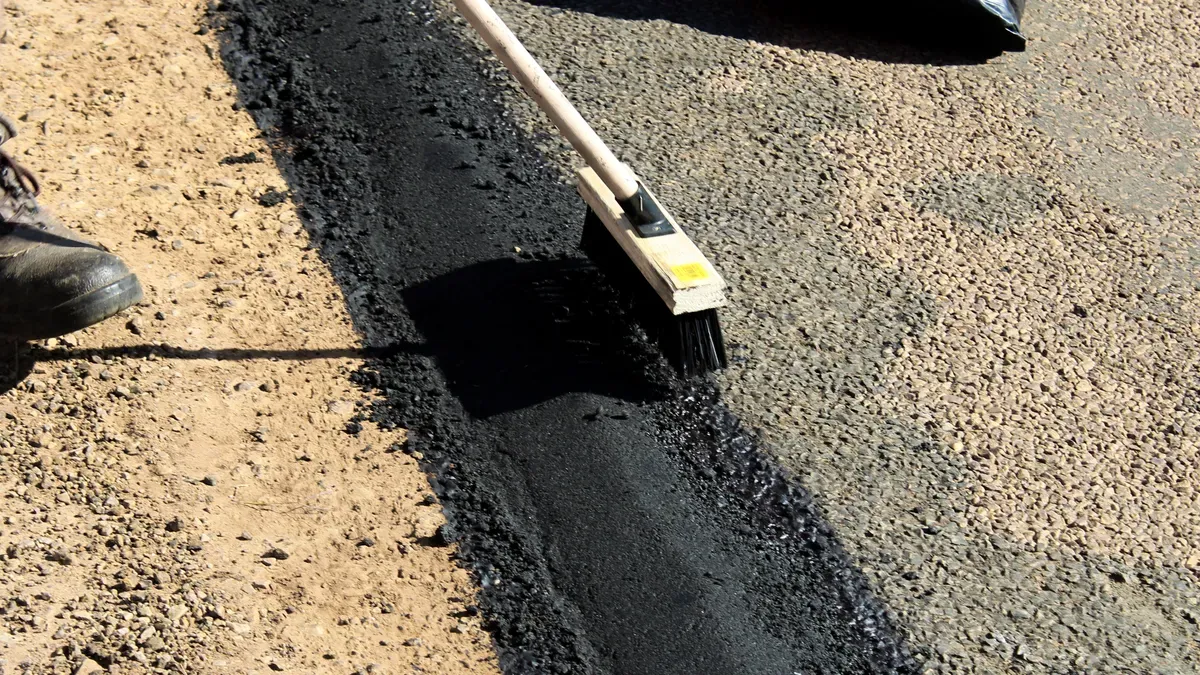
Surface Preparation
Proper surface preparation is key to achieving the best results with your concrete sealers. Here are some common mistakes to avoid:
Assuming a quick rinse with a garden hose is enough.
Not using industrial-grade cleaners to remove dirt and contaminants.
Forgetting to ensure the concrete is completely dry before applying the sealer.
Using pressure washers incorrectly, which can damage the surface.
Employing harsh cleaning agents that harm the cement paste.
Taking the time to prepare your surface correctly will help ensure good protection and enhance the longevity of your sealer.
Application Techniques
When applying your concrete sealer, use the right tools for the job. Here’s what you’ll need:
Rollers
Brushes
Sprayers
Follow the manufacturer’s instructions for the best results. Work in a well-ventilated area to avoid inhaling fumes. For even coverage, apply multiple thin coats and allow each coat to dry completely before adding the next. Keeping the surface wet with the sealer during application helps with proper absorption.
Curing and Maintenance
Curing times can vary based on the type of sealer and environmental conditions. Here are some important points to remember:
Full cure may take anywhere from 24 hours to several days.
Ideal curing temperatures range from 50°F to 70°F.
High humidity can slow down evaporation, aiding the curing process.
To maintain your sealed surfaces, regularly clean them to prevent dirt buildup. Inspect for signs of wear, like cracks or worn areas. Resealing may be necessary every 2-5 years, depending on usage and climate. Addressing issues promptly will extend the lifespan of your concrete surfaces.
Choosing the right concrete sealer is essential for protecting your surfaces and enhancing their appearance. Remember to consider factors like surface type, environmental conditions, and desired finish. High-quality penetrating sealers can last 7 to 10 years, offering long-lasting protection against moisture intrusion and freeze-thaw damage. Take action today to ensure your concrete surfaces remain beautiful and durable for years to come!
FAQ
What is the best concrete sealer for outdoor use?
For outdoor surfaces, a penetrating concrete sealer offers excellent water repellence and durability against moisture intrusion and freeze-thaw cycles.
How often should I reapply my concrete sealer?
Reapplication depends on the type of sealer. Generally, film-forming sealers need reapplication every 2-5 years, while penetrating sealers can last longer.
Can I apply a concrete sealer in winter?
Yes, some sealers allow winter application. Look for products specifically designed for cold weather to ensure good protection against moisture and freeze-thaw damage.
See Also
How to Select the Ideal Concrete Sealer for You
A Comprehensive Guide to Selecting Concrete Sealers
The 2025 Handbook for Selecting the Right Concrete Sealer
BANDě’s Complete Guide to the Best Concrete Sealers in 2025
The 2025 Resource for Selecting Concrete Densifiers and Sealers
