


Scotland’s unpredictable weather poses significant risks to concrete structures. You must consider the effects of moisture and freeze-thaw cycles, which can lead to serious issues like cracking. Without effective concrete protection in the UK, your freshly laid concrete may deteriorate rapidly. Implementing robust solutions ensures a durable and reliable foundation for your projects.
Key Takeaways
Protect concrete from water ingress by using waterproof sealers, proper drainage, and weather-resistant mixes to prevent damage from moisture and mould.
Prevent freeze-thaw damage by using air-entrained concrete and applying water barrier solutions to stop cracks caused by freezing water.
Conduct regular visual inspections and use non-destructive testing methods to identify and address issues early, ensuring long-term durability.
Deterioration Issues
Water Ingress
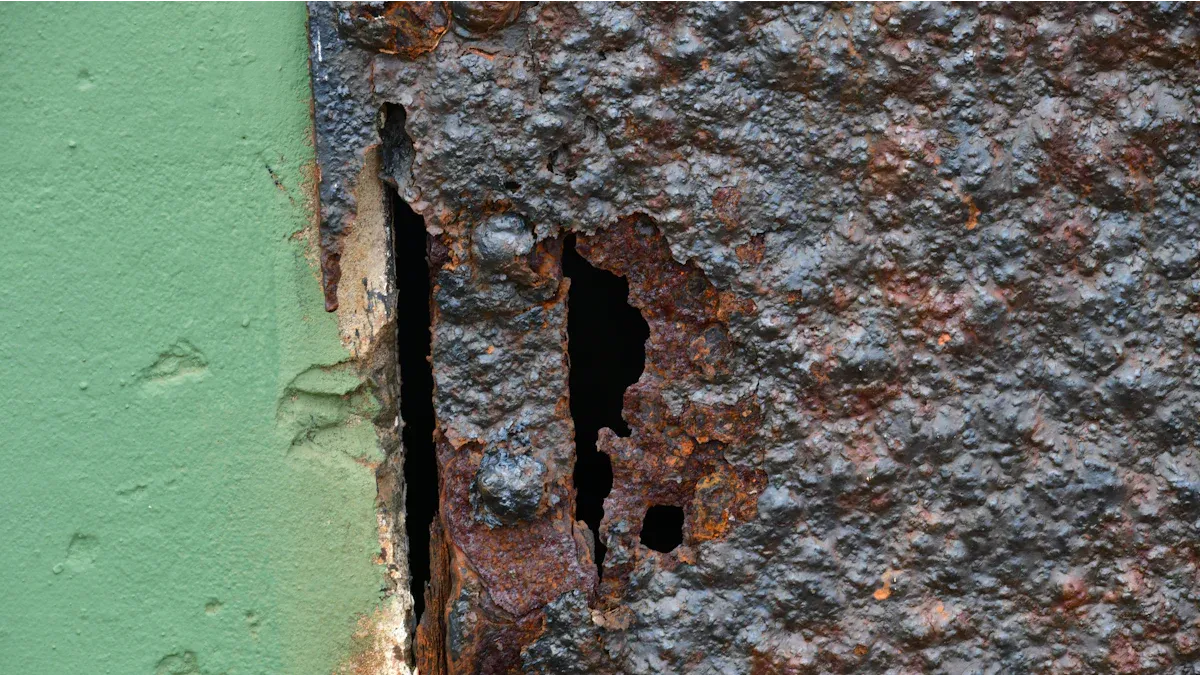
In Scotland, frequent rainfall poses a significant threat to concrete structures. Water ingress can lead to various problems, including corrosion of the concrete itself. When moisture penetrates the surface, it can create internal damp conditions that weaken the material over time. Here are some common issues related to water ingress:
Mould and mildew growth: Excess moisture encourages the growth of mould, which can affect both the structure and the health of occupants.
Timber rot or corrosion of steel structures: Water can compromise the integrity of embedded materials, leading to costly repairs.
Insulation degradation: Damp conditions can reduce the effectiveness of insulation, resulting in energy inefficiency.
To combat these issues, you should consider using weather-resistant concrete mixes. These mixes are specifically formulated to withstand Scotland’s challenging climate. Proper sealing of the concrete surface also creates a barrier against moisture, ensuring ongoing protection. Additionally, implementing good drainage systems, such as French drains, prevents water accumulation around your concrete structures.
Freeze-Thaw Damage
Freeze-thaw cycles present another serious challenge for concrete in Scotland. When temperatures drop, any water trapped within the concrete can freeze. This process leads to internal freeze-thaw damage, which occurs when the expanding ice creates cracks in the material. If the water content exceeds a certain threshold, even a single freeze can cause significant damage. The consequences include:
Cracking or delamination of external facades: This compromises the aesthetic and structural integrity of your concrete.
Loss of cohesion: The bond between the concrete and any reinforcement can weaken, reducing the material’s tensile and compressive strengths.
To mitigate freeze-thaw damage, consider using air-entrained concrete. This type of concrete is less likely to suffer from freeze-thaw damage due to its ability to accommodate the expansion of ice. Additionally, applying special water barrier protective solutions can prevent water ingress, further protecting your structures. Regular inspections and timely repairs are essential to maintain the integrity of your concrete and ensure its longevity.
Inspection Techniques
Visual Inspections
Visual inspections serve as the first line of defence in assessing concrete condition. You should regularly examine your concrete surfaces for signs of deterioration. Look for cracks, spalling, or discolouration. These indicators often signal underlying issues that require attention. During your inspection, consider the following:
Surface Cracks: Small cracks may indicate minor issues, while larger cracks can suggest significant structural problems.
Discolouration: Changes in colour often point to moisture ingress or chemical reactions within the concrete.
Surface Texture: A rough or flaking surface may indicate wear or damage.
Conducting visual inspections regularly helps you identify problems early, allowing for timely repairs.
Non-Destructive Testing
Non-destructive testing (NDT) methods provide a more in-depth analysis of concrete without causing damage. These techniques allow you to assess the internal condition of your structures effectively. Here are some commonly used NDT methods in the UK:
Testing Method | Advantages |
|---|---|
Ultrasonic Testing (UT) | Detects anomalies, voids, cracks, and variations in density; provides detailed internal structure information. |
Ground Penetrating Radar (GPR) | Creates subsurface images; identifies reinforcing bars, voids, and delaminations for a comprehensive view. |
Impact-Echo Testing | Assesses thickness, detects voids, and identifies delaminations; widely used for bridge decks and slabs. |
Half-Cell Potential Mapping | Identifies areas prone to corrosion and durability issues by measuring electrochemical potential. |
Utilising these NDT methods enhances your understanding of concrete health. They help you make informed decisions about maintenance and repairs, ensuring the longevity of your structures.
Concrete Protection UK
Surface Treatments
To protect concrete effectively in Scotland’s challenging climate, you must consider various surface treatments. These treatments enhance durability and resistance to moisture and freeze-thaw cycles. Here are some essential steps to follow when applying surface treatments:
Ensure concrete is at least 28 days old and free of contaminants.
Prepare the substrate mechanically for proper adhesion.
Fill surface defects before applying the protective coating.
You can choose from several surface treatments tailored for Scottish weather. These include:
Waterproofing Sealers: These create a barrier against moisture ingress, preventing damage from water.
Anti-Graffiti Coatings: These protect surfaces from vandalism while allowing for easy cleaning.
Corrosion Inhibitors: These are crucial for structures exposed to coastal conditions or de-icing salts. Methods include cathodic protection using zinc or calcium salts.
By implementing these treatments, you can significantly enhance the longevity of your concrete structures. Regular maintenance and inspections will ensure that these protective measures remain effective over time.
Long-Term Maintenance
Long-term maintenance is vital for preserving the integrity of your concrete structures. Regular upkeep not only extends the lifespan of your concrete but also prevents costly repairs down the line. Here are some key maintenance practices to consider:
Routine Inspections: Conduct visual inspections regularly to identify any signs of wear or damage. Look for cracks, spalling, or discolouration.
Prompt Repairs: Address any issues immediately to prevent further deterioration. Small cracks can quickly escalate into larger problems if left unattended.
Environmental Considerations: When selecting concrete protection solutions, consider the environmental impact. Run-off from concrete operations can be highly alkaline and may cause water pollution. Ensure that wash-out areas are located away from watercourses to prevent contamination.
Innovative solutions like DuoGuard and PatchGuard offer advanced protection against corrosion and other weather-related issues. These technologies are designed specifically for the harsh conditions found in Scotland, ensuring that your concrete remains robust and reliable.
By prioritising these maintenance practices and selecting appropriate surface treatments, you can effectively protect concrete and ensure its longevity in Scotland’s unpredictable weather.
In Scotland, protecting your concrete structures is essential for longevity and safety. You must focus on best practices, such as accurate mixing and timely delivery. Consider the following key strategies:
Mixing and Proportioning: Ensure the right strength and consistency.
Curing and Protection: Shield concrete from drying and temperature extremes.
Waste Management: Minimise environmental impact through responsible disposal.
By implementing these measures, you can enhance the durability of your concrete against Scotland’s challenging weather.
FAQ
What causes concrete to deteriorate in Scottish weather?
Concrete deteriorates due to water ingress and freeze-thaw cycles, leading to cracking and structural damage.
How can I protect my concrete from water ingress?
Use waterproofing sealers and ensure proper drainage to prevent moisture accumulation around your concrete structures.
How often should I inspect my concrete?
Conduct visual inspections at least twice a year to identify any signs of wear or damage early.
See Also
Choosing The Right Concrete Sealer For Australian Weather
Top Concrete Sealers For Harsh Canadian Winter Weather
Ideal Concrete Sealers For The Philippine Typhoon Season
Optimal Concrete Sealers For South Africa’s Intense Sun
Comprehensive Overview Of Effective Concrete Waterproofing Techniques
