


Floor hardeners play a crucial role in construction. They enhance the durability of concrete floors, making them resistant to wear and tear. As you consider your options for 2026, remember that various factors will influence the cost of concrete floor hardener. Material quality, application methods, and brand reputation can all affect your investment.
Key Takeaways
Choose the right type of concrete floor hardener based on your project needs. Metallic hardeners are best for heavy-duty applications, while non-metallic options suit wet environments.
Understand the price ranges for different hardeners. Metallic hardeners cost between ₹1,500 to ₹4,500, non-metallic options range from ₹300 to ₹650, and liquid hardeners are priced at ₹150 to ₹420 per square meter.
Consider factors like material quality, application methods, and brand reputation when selecting a floor hardener. These elements can significantly impact both performance and cost.
Types of Concrete Floor Hardener
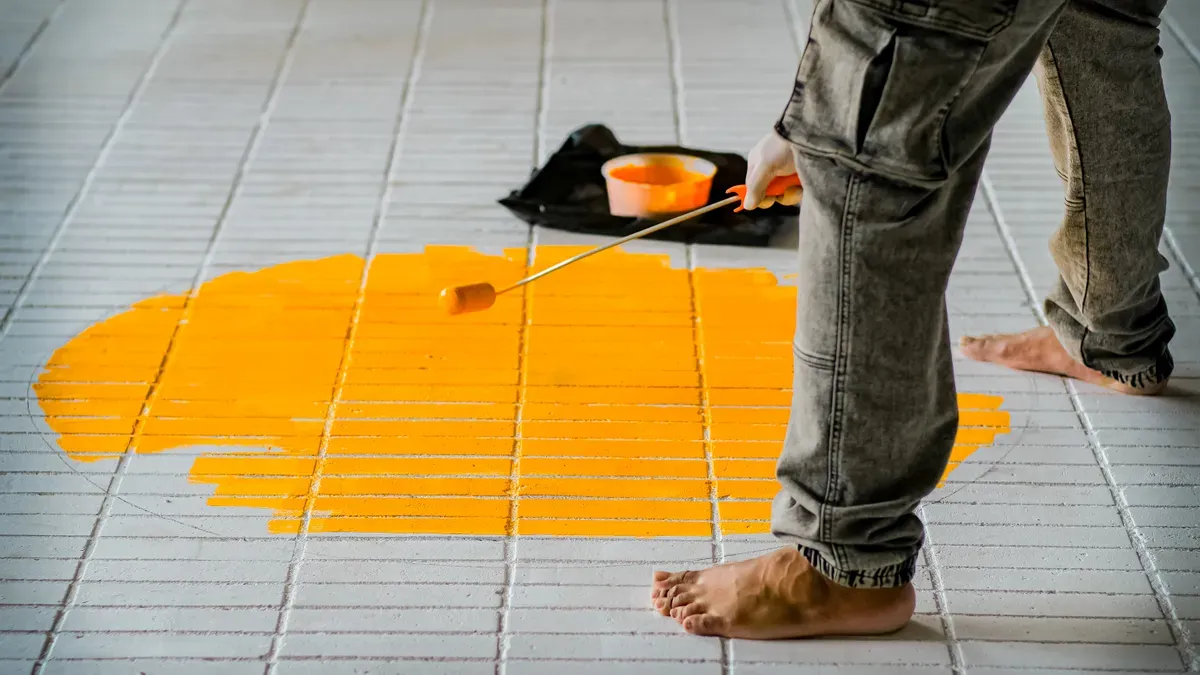
Concrete floor hardeners are essential for enhancing the durability and performance of concrete surfaces. Depending on your project requirements, you can choose from three main types: metallic, non-metallic, and liquid hardeners. Each type offers unique benefits and applications, making it easier to find the right solution for your needs.
Metallic Hardener
Metallic floor hardeners are designed for heavy-duty industrial floors where extreme durability is required. These hardeners contain specially graded iron filings or steel chips, which significantly enhance the surface hardness and impact resistance of concrete floors. They are ideal for areas exposed to heavy machinery, high traffic, and industrial spills.
Applications | Benefits |
|---|---|
Industrial factory floors | |
Warehouses and storage facilities | Produces dense, hard-wearing industrial-grade floors |
Heavy-duty commercial spaces | Reduces surface dusting and porosity |
Machine shops and engineering workshops | Enhances resistance to oil, grease, and industrial spills |
Loading and unloading bays | Improves overall lifespan of concrete floors |
Airline hangars | Withstands heavy traffic and mechanical loads |
Dry processing plants | Ready-to-use dry-shake application for faster execution |
Parking areas with high vehicular movement | Low maintenance and cost-effective over time |
Metallic hardeners are perfect for projects requiring maximum abrasion resistance and surface hardness. However, they are best suited for dry environments, as they may rust in wet conditions.
Non-Metallic Hardener
Non-metallic floor hardeners use hard mineral aggregates like quartz, silica, or corundum to improve the surface hardness of concrete floors. These hardeners are an excellent choice for wet or humid environments, as they do not rust. They also provide high abrasion resistance, making them suitable for light to medium industrial applications.
Type | Composition | Properties | Pros | Best For |
|---|---|---|---|---|
Non-Metallic | Hard mineral aggregates like Quartz, Silica, or Corundum | Does not rust, excellent for wet areas, non-conductive, economical | Warehouses, parking lots, light to medium engineering, food processing |
Non-metallic hardeners are cost-effective and easy to apply. They are ideal for warehouses, parking lots, and food processing facilities where surface hardening and abrasion resistance are critical.
Liquid Hardener
Liquid floor hardeners, also known as concrete densifiers, chemically react with the concrete to fill its pores and create a denser, more durable surface. These hardeners are water-based and easy to apply, making them a popular choice for industrial floors and commercial spaces.
Key Advantages of Liquid Hardeners:
Enhanced surface strength for better performance under heavy traffic.
Dustproofing capabilities that contribute to a cleaner and safer working environment.
Improved resistance to staining and wear, protecting the surface from damage.
Advantage | Description |
|---|---|
Liquid floor hardeners create a denser and more durable surface, enhancing the lifespan of the concrete. | |
Dustproof | They effectively eliminate dusting, contributing to a cleaner work environment. |
Water Resistance | Treated concrete shows significant resistance to water penetration. |
Chemical Resistance | These products improve resistance to corrosive substances, making them ideal for industrial settings. |
Easy Maintenance | The surfaces are easier to maintain, reducing long-term upkeep costs. |
Liquid hardeners are perfect for projects requiring low maintenance and high durability. They are especially effective in industrial settings where chemical resistance and surface hardness are essential.
By understanding the unique benefits and applications of each type of concrete hardener, you can make an informed decision that aligns with your project requirements.
Price Ranges for Concrete Floor Hardeners
When considering the cost of concrete floor hardeners, you will find that prices vary significantly based on the type of hardener you choose. Understanding these price ranges can help you make informed decisions for your construction projects.
Cost of Metallic Hardener
Metallic floor hardeners typically range from ₹1,500 to ₹4,500 per bag, depending on the brand and quality. For instance, the Chryso Armourtop Metallic Floor Hardener is priced at ₹4,500, while the Klindex Concrete Floor Hardener is available for ₹1,500. These prices reflect the durability and performance that metallic hardeners offer, making them suitable for heavy-duty applications.
Product Name | Price (INR) |
|---|---|
Chryso Armourtop Metallic Floor Hardener | 4500.0 |
Klindex Concrete Floor Hardener | 1500 |
Cost of Non-Metallic Hardener
Non-metallic floor hardeners generally fall within a price range of ₹300 to ₹650 per bag. For example, the Fosroc Nitoflor Hardtop Standard Hardener costs between ₹380 and ₹620, while the Sika Chapdur IN Floor Hardener ranges from ₹380 to ₹650. These options provide excellent value for projects requiring high abrasion resistance without the risk of rust.
Product Type | Price Range (Rs/Bag) |
|---|---|
Fosroc Nitoflor Hardtop Standard Hardener | 380 – 620 |
Sika Chapdur IN Floor Hardener | 380 – 650 |
Industrial Grade Concrete Floor Hardener | 300 – 550 |
You can also find non-metallic options priced at approximately ₹10.50 to ₹12 per kilogram, making them an economical choice for various applications.
Product Type | Price (Rs/Kg) |
|---|---|
Non-Metallic Floor Hardener | 12 |
Non-Metallic Floor Hardener | 10.50 |
Cost of Liquid Hardener
Liquid floor hardeners, or concrete densifiers, typically cost between ₹150 and ₹420 per square meter. For instance, a Liquid Floor Hardener may cost around ₹250 per kilogram, while other options like Sika Floor Hardener can be priced at approximately ₹420. This range reflects the ease of application and the enhanced durability these products provide.
Product Type | Price (INR) |
|---|---|
Liquid Floor Hardener | ₹ 250 / Kilogram |
Liquid Floor Hardener | ₹ 150 / Square Feet |
Liquid Sodium Silicate Floor Hardener | ₹ 180 (Approx.) |
Sika Floor Hardener | ₹ 420 (Approx.) |
When planning your budget, consider that bulk purchase discounts can significantly reduce costs for large construction projects. Many suppliers offer these discounts, making it easier for you to manage your budget effectively while ensuring you receive quality materials.
By understanding the price ranges for different types of concrete floor hardeners, you can select the right product that fits your project needs and budget.
Factors Influencing Floor Hardener Prices
Understanding the factors that influence the price of floor hardeners can help you make informed decisions for your projects. Let’s explore the key aspects that determine these costs.
Material Quality
The quality of materials used in a concrete hardener directly impacts its price. High-quality products often contain premium aggregates like quartz or corundum, which enhance surface hardness and abrasion resistance. These materials improve the compressive strength of the floor, making it suitable for high traffic areas and industrial applications. While premium options may cost more, they offer enhanced surface durability and long-term value. Choosing a product with consistent quality ensures better performance and reduces maintenance costs over time.
Application Methods
The method of application plays a significant role in determining the overall cost. Hand application typically requires more labor and may result in higher material usage, especially under challenging site conditions. On the other hand, mechanical application is more efficient and suitable for higher application rates, such as 5 kg/m². This method reduces labor costs and ensures uniform distribution, which is crucial for achieving optimal impact resistance and abrasion resistance. Selecting the right application method based on your project’s needs can help you manage costs effectively.
Key Factors in Application Costs:
Bulk density of the dry shake material.
Specific end-use requirements of the floor.
Site conditions affecting material consumption.
Brand Reputation
The reputation of the brand you choose also influences the price. Established brands like Kalyan Industries, Marble Magik Corporation, and Sika offer reliable products with proven performance. These companies often provide warranties and after-sales support, which adds value to your investment. For example, brands like Stp Limited and Perma Construction Aids Pvt. offer high-strength products with excellent customer service, ensuring peace of mind for buyers. Opting for a trusted brand ensures you receive a product that meets industry standards and delivers consistent results.
By considering these factors, you can select a concrete densifier or hardener that aligns with your budget and project requirements.
Regional Price Variations in India
Concrete hardener prices can vary significantly across different regions in India. Major cities often see higher prices due to increased demand and transportation costs. In contrast, rural areas may offer lower prices, but availability can be an issue.
Price Differences in Major Cities
In cities like Mumbai, Delhi, and Bangalore, you can expect to pay more for concrete hardeners. Here’s a quick overview of average prices in these cities:
City | Average Price (INR) |
|---|---|
Mumbai | ₹3,500 |
Delhi | ₹3,200 |
Bangalore | ₹3,000 |
These prices reflect the higher operational costs and demand in urban areas. You may find that brands with a strong reputation dominate these markets, often leading to higher prices.
Rural vs. Urban Pricing
Rural areas typically offer lower prices for concrete hardeners. You might find prices ranging from ₹2,000 to ₹2,800 per bag. However, the selection may be limited. Urban areas provide a wider variety of products, which can justify the higher costs.
Tip: When planning your project, consider both the price and the availability of concrete hardeners in your area. If you live in a rural area, you may need to order from urban suppliers, which could increase your overall costs due to shipping.
Understanding these regional price variations helps you budget effectively for your construction projects. Whether you work in heavy-duty industries or smaller projects, knowing where to find the best prices can save you money.
Understanding the various types of concrete floor hardeners is essential for making informed decisions. Each type offers unique benefits and costs. When selecting a floor hardener, consider factors like the type of concrete, expected traffic, and environmental conditions. A concrete densifier may require an initial investment but can lead to long service life and reduced maintenance costs. Balancing durability and cost ensures you choose the right product for your project.
FAQ
What is a floor hardener?
A floor hardener is a product that enhances the durability and strength of concrete surfaces, making them resistant to wear and tear.
How do I apply floor hardener?
You can apply floor hardener by mixing it with concrete or using a dry-shake method during the finishing process. Follow the manufacturer’s instructions for best results.
How long does a floor hardener last?
The lifespan of a floor hardener depends on the type and application. Generally, it can last several years with proper maintenance and care.
See Also
Top Industrial Warehouse Floor Hardening Options in the UK
A Detailed Comparison of Industrial Floor Hardeners for 2025
Optimal Warehouse Floor Hardening Solutions in the Philippines
Essential Guide to Choosing BANDě Floor Hardeners for 2025
Understanding BANDě Concrete Floor Hardeners: Key Information You Need
