


Concrete sealers play a crucial role in protecting your surfaces from various damages, including moisture issues, stains, and wear. By applying the right concrete sealing products, you enhance the durability of your concrete and reduce maintenance costs. Understanding the types of sealers available helps you choose the best option for your specific needs.
Key Takeaways
Concrete sealers protect surfaces from moisture, stains, and wear, enhancing durability and reducing maintenance costs.
Choose between surface sealers for decorative finishes and penetrating sealers for long-lasting protection, especially in high-traffic areas.
Consider specific needs like traffic levels and environmental conditions when selecting a sealer to ensure optimal performance.
Concrete Sealer Types
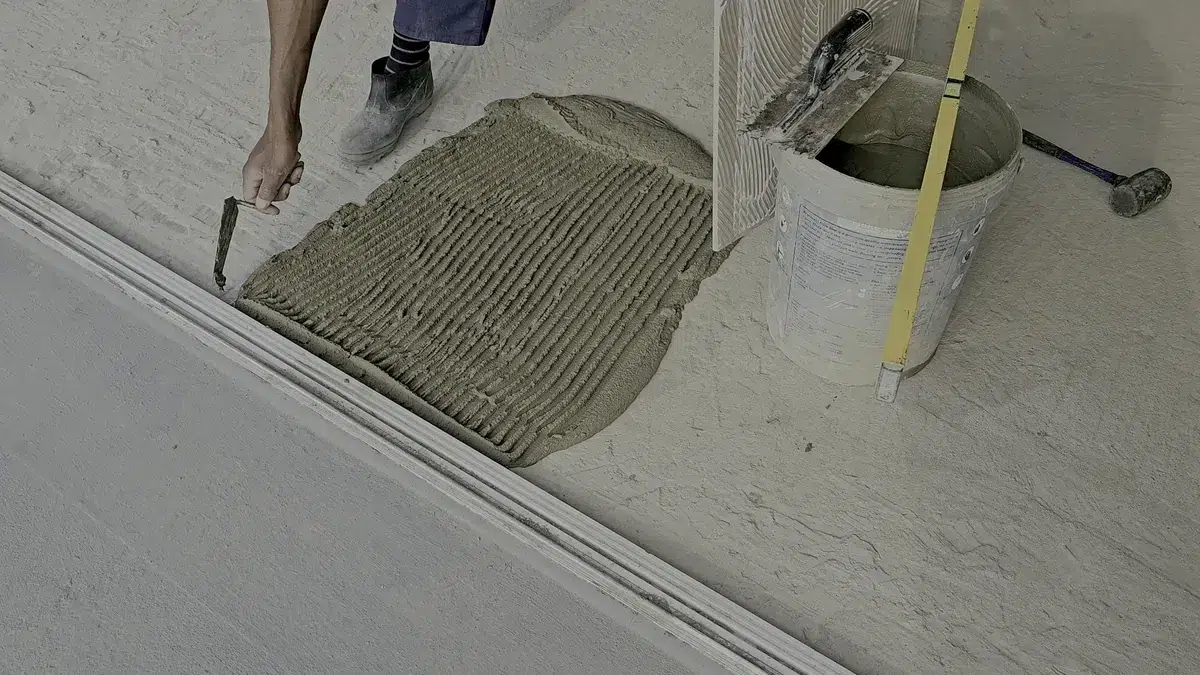
When it comes to concrete sealers, you mainly encounter two types: surface concrete sealers and penetrating sealers. Each type serves a unique purpose and offers different benefits. Understanding these differences helps you choose the right sealer for your specific needs.
Surface Concrete Sealers
Surface concrete sealers, also known as topical coatings, create a protective layer on the concrete’s surface. They are ideal for decorative applications and provide a glossy finish. However, they may not be suitable for high-traffic areas due to their tendency to wear down quickly. Here are some key features of surface concrete sealers:
Mechanism of Action: These sealers form a barrier on the surface, preventing moisture and stains from penetrating.
Breathability: They are generally less breathable than penetrating sealers, which can lead to moisture being trapped beneath the surface.
Maintenance: Surface sealers often require stripping and reapplication every few years, especially in high-traffic areas.
In contrast, penetrating sealers work differently. They soak into the concrete, providing long-lasting protection without altering the surface appearance.
Penetrating Sealers
Penetrating sealers are designed to infiltrate the concrete, forming a chemical bond that enhances durability. They are particularly effective in freeze-thaw climates, as they prevent water infiltration while allowing vapor to escape. Here are some important aspects of penetrating sealers:
Mechanism of Action: These sealers react with the concrete to create water-repellent compounds. This reaction helps to form crystals within the concrete, making it more resistant to wear and damage.
Breathability: Unlike surface sealers, penetrating sealers are more breathable, allowing moisture to escape without compromising protection.
Longevity: They typically last longer than surface sealers, often providing protection for up to 10 years with minimal maintenance.
Feature | Surface Sealers (Film-Forming) | Penetrating Sealers |
|---|---|---|
Mechanism of Action | Creates a barrier on the surface | Works within the concrete |
Breathability | Less breathable | More breathable |
Protection Against Stains | Can stain but protects surface | Excellent against stains |
Maintenance | Requires stripping for reapplication | No stripping needed for reapplication |
Ideal Use | On sand or bedrock foundation | High moisture areas |
Choosing the right type of sealer is crucial for the longevity of your concrete surfaces. For example, if you have a high-traffic area, penetrating sealers are often the better choice. They provide robust protection against wear and moisture, ensuring your concrete remains in good condition for years to come.
Common Concrete Sealer Options
When selecting a concrete sealer, you have several high-quality options to consider. Each product offers unique benefits and applications, making it essential to choose one that fits your specific needs. Here are some popular concrete sealers and their features:
BANDě Concrete Dust Sealer
This product is ideal for newly poured or existing concrete floors that suffer from dust and wear. It penetrates deeply into the concrete, activating the cement hydration reaction. This process forms a dense, wear-resistant crystalline structure, extending the lifespan of your concrete surface. You can use it effectively in areas with low strength and poor wear resistance.Acrylic-Based Sealers
Acrylic sealers are easy to apply and come as a one-part product, requiring no mixing. They offer good UV stability and moderate chemical resistance. These sealers work well for exterior applications like driveways and pool decks. However, they may not be as durable as other options. Here’s a quick comparison with epoxy-based sealers:Feature
Acrylic-Based Sealers
Epoxy-Based Sealers
Application Ease
Easy to apply, one-part product, no mixing
More complicated, requires mixing components
UV Stability
Good UV stability, non-yellowing
Poor UV stability, may yellow outdoors
Chemical Resistance
Moderate chemical resistance
High chemical resistance
Durability
Suitable for decorative surfaces, less durable
Very durable, ideal for high traffic areas
Polyurethane Sealers
Polyurethane sealers excel in environments exposed to harsh chemicals, such as oils and acids. They provide excellent resistance to spills, making them suitable for industrial applications and areas where chemical exposure is common. You can rely on these sealers to maintain their mechanical properties and prevent leaks.Silane Siloxane Sealers
These eco-friendly sealers have low VOC content and biodegradable formulations. They meet green building standards, making them a sustainable choice for protecting concrete surfaces. Silane siloxane sealers effectively repel water and prevent moisture damage, ensuring your concrete remains intact over time.Water-Based Sealers
Water-based sealers are recognized for their lower VOC content, making them a more environmentally friendly choice compared to solvent-based sealers. They are easier to apply and clean up, but you should ensure proper conditions during application to avoid issues like whiting or blooming.
Tip: Always read the safety data sheet (SDS) for hazards and safe usage before applying any concrete sealer. Use protective gear, such as nitrile gloves and goggles, to safeguard against chemical exposure.
By understanding these common concrete sealer options, you can make an informed decision that enhances the durability and longevity of your concrete surfaces.
Using concrete sealers offers numerous benefits for surface protection. They enhance durability and extend the lifespan of your concrete surfaces. By creating a robust barrier, sealers prevent moisture intrusion and improve stain resistance. When selecting a sealer, consider your specific needs, such as traffic levels and environmental conditions, to ensure optimal performance.
FAQ
What is the best time to apply concrete sealers?
You should apply concrete sealers when temperatures are between 50°F and 90°F for optimal adhesion and curing.
How often should I reseal my concrete surfaces?
Resealing typically occurs every 1 to 3 years, depending on traffic and environmental conditions.
Can I use sealers on outdoor concrete sealing projects?
Yes, many sealers are suitable for outdoor concrete sealing, providing protection against moisture and UV damage.
See Also
Enhance Your Surfaces With Top Concrete Sealers For 2025
Discovering The Ideal Concrete Sealer For Your Requirements
Top 10 Concrete Sealers To Safeguard Your Surfaces
