


Sealing your concrete driveway is essential for maintaining its durability and appearance. In 2026, the best sealers offer significant advantages, including increased water resistance and protection from freeze-thaw damage. When selecting a concrete driveway sealer, consider factors such as longevity, application conditions, and resistance to de-icing salts.
Key Takeaways
Choose penetrating sealers for long-lasting protection against freeze-thaw damage and moisture absorption.
Apply concrete sealers in mild, dry weather for optimal results; temperatures should be between 50°F and 90°F.
Regularly clean and reapply sealers every 1 to 3 years to maintain your driveway’s appearance and durability.
Types of Concrete Sealants
Penetrating Sealers
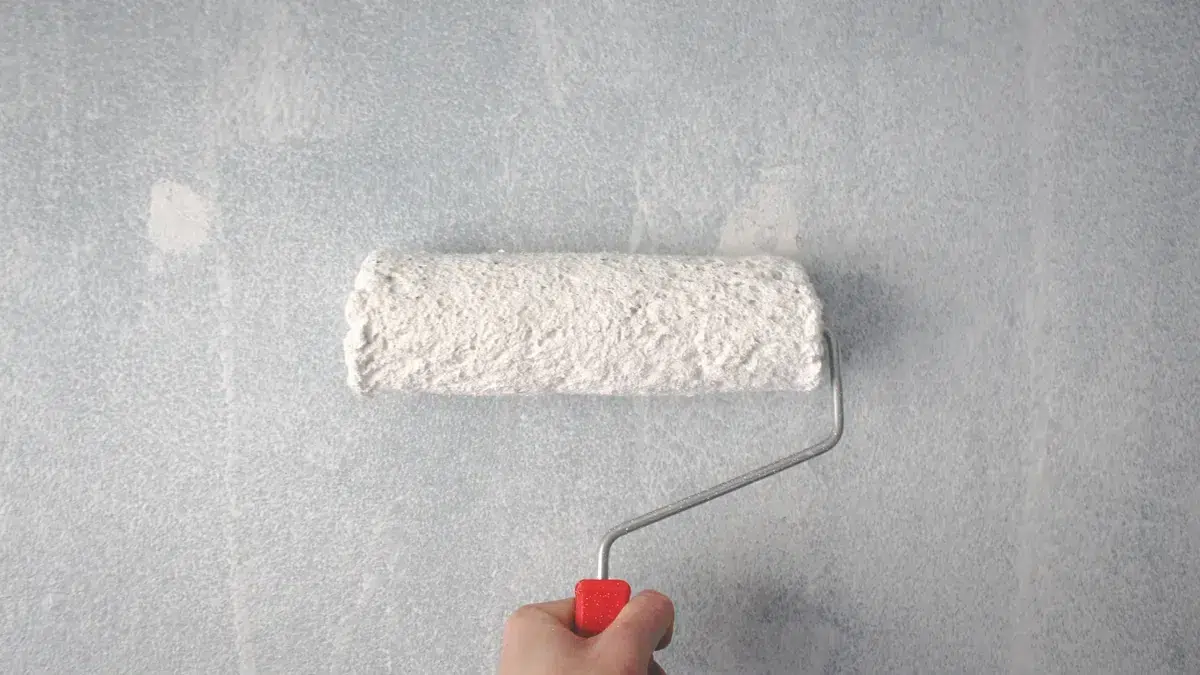
Penetrating sealers work by soaking into the concrete, creating a hydrophobic barrier that repels water. This type of sealant offers excellent protection against freeze-thaw cycles, making it ideal for colder climates. The natural, invisible finish maintains the concrete’s original appearance while providing long-lasting durability. You can expect a lifespan of 3 to 10 years with minimal maintenance.
Topical Sealers
Topical sealers, on the other hand, sit on the surface of the concrete. They provide a glossy or wet look, enhancing the aesthetic appeal of your driveway. However, they are less durable than penetrating sealers, typically lasting only 1 to 3 years. In winter conditions, topical sealers are prone to peeling and cracking, which can lead to increased maintenance costs.
To illustrate the differences between these two types of sealers, consider the following tables:
Feature | Penetrating Sealer | Topical / Acrylic Sealer |
|---|---|---|
How it works | Soaks into concrete | Sits on surface |
Appearance | Natural, invisible | Glossy or wet look |
Lifespan | 3–10 years | 1–3 years |
Peeling / cracking | Never | Common after 1–2 years |
Algae resistance | High | Medium |
Reapplication | Every 3–5 years | Every 1–2 years |
Best for | Driveways, patios, pavers | Decorative indoor concrete |
Sealer Type | Performance in Freeze-Thaw Cycles | Durability | Surface Appearance |
|---|---|---|---|
Penetrating Sealers | More effective due to hydrophobic barrier | Excellent | Does not enhance appearance |
Topical Sealers | Prone to peeling and cracking | Less durable | Enhances surface appearance |
Understanding these differences will help you choose the right concrete sealant for your driveway, especially in regions with harsh winter conditions.
Choosing a Concrete Driveway Sealer
Durability and Longevity
When selecting a concrete driveway sealer, durability and longevity are paramount. You want a product that withstands harsh weather conditions and provides long-lasting protection. A high-quality concrete driveway sealer acts as a protective layer, preventing water from entering the concrete. This significantly reduces the risk of cracking and damage during freeze-thaw cycles.
Consider the following benefits of penetrating sealers:
They protect against freeze-thaw damage and corrosion.
They cure quickly, providing a natural finish while ensuring excellent weather protection.
They create a barrier that repels water and salt, reducing the risk of salt-induced damage, making them ideal for freezing climates.
Regular sealing, typically every 1 to 3 years, maximizes protection and extends the lifespan of your driveway. The longer you can keep your driveway in good condition, the less you will spend on repairs and maintenance.
Application Conditions
Application conditions play a crucial role in the effectiveness of your chosen concrete sealant. Ideal application conditions are mild and dry weather. Rain should not be expected within 24 hours after application. Here are some key points to consider:
Ambient temperatures should be between 50°F and 77°F (50°F to 90°F).
Overnight temperatures should be at least 10°C for proper setting.
Improper application can lead to significant issues. For example, poor surface preparation, such as inadequate cleaning or the presence of contaminants, can prevent proper adhesion, leading to peeling. Additionally, applying too thickly or on wet concrete can cause loss of adhesion and further complications.
To help you visualize the recommended temperature ranges for applying concrete driveway sealers, refer to the table below:
Application Type | Recommended Temperature Range |
|---|---|
Curing | 50°F to 70°F |
Sealing | 50°F to 90°F (manufacturer’s specifications) |
By understanding these factors, you can choose the longest lasting driveway sealer that meets your specific needs and ensures your driveway remains in excellent condition for years to come.
Best Concrete Driveway Sealers for 2026
Product Comparison
When selecting the best concrete driveway sealers for 2026, you should consider several top-rated options. Here’s a comparison of two leading products:
Product Name | Price (per gallon) | Coverage (sq ft) | Lifespan (years) | Warranty (years) |
|---|---|---|---|---|
Nanoprotect | 135 (double coat) | 3+ | 5-10 | |
BEHR PREMIUM | $49.99 | 100 (single coat) | 2-4 | 5 |
RadonSeal Deep Penetrating | $0.19/sq ft | Varies | 5+ | 10 |
Nanoprotect stands out as the highest-rated concrete driveway sealer for 2026. It offers long-lasting protection, lasting over 36 months in real-world conditions without peeling or yellowing. This product has proven effective in repelling water after 34 months of outdoor testing.
In contrast, BEHR PREMIUM provides a solid option for those seeking a balance between cost and performance. While it has a shorter lifespan than Nanoprotect, it still offers decent protection and is widely available.
Real-World Testing Results
Real-world testing of concrete driveway sealers in regions with extreme winter weather reveals significant insights. For instance, in Red Deer, Alberta, sealers undergo rigorous evaluations under harsh conditions. The results indicate that acrylic sealers are commonly used and should be rated for temperatures as low as -30°C.
Penetrating sealers, such as Silane/Siloxane, excel in handling freeze-thaw cycles effectively, especially for older driveways. These sealers significantly reduce cracking caused by freeze-thaw cycles, which can exceed 100 annually in Alberta. Polyurethane sealers, while more expensive, offer superior durability and chemical resistance, making them a worthwhile investment for long-term protection.
User satisfaction ratings also vary between residential and commercial applications. Residential users prioritize ease of cleaning and protection against automotive fluids and weather, enhancing home value. In contrast, commercial users focus on maintaining professional appearances and ensuring safety in high-traffic environments, such as restaurant kitchens and retail spaces.
By considering these factors, you can make an informed decision about which concrete sealant will provide maximum protection for your driveway.
Application Methods for Concrete Sealants
Preparation Steps
Before applying a concrete sealant, you must prepare the surface properly. Follow these essential steps to ensure optimal adhesion and performance:
Thoroughly clean the concrete by removing all oil, grease, stains, and dirt. Use a pressure washer for best results.
Allow the concrete to dry for 24 hours and repair any cracks with a suitable sealant.
Strip any existing sealer from the surface using a solvent-based stripper.
Use an etching solution to ensure proper adhesion of the new sealer.
Proper surface preparation significantly enhances the bond between the sealer and the concrete. This leads to improved durability and effectiveness of the sealing process.
Application Techniques
When applying your chosen concrete sealant, consider these effective techniques for even coverage:
Apply a thin coat of sealant using a roller or sprayer.
Follow the manufacturer’s instructions for the type of sealant.
Allow the first coat to dry for at least two hours before applying a second coat in the opposite direction.
Using professional sprayers can help achieve even coverage. Back-rolling works the product into the surface and eliminates puddles. Applying two thin coats instead of one thick coat avoids issues like bubbling or peeling.
Winter Application Feasibility
Applying concrete sealants during winter months is feasible with the right precautions. Here are some steps to follow:
Assess the damage: Identify cracks and determine feasibility based on weather conditions.
Choose the right materials: Use cold-weather concrete mixes and fast-setting options.
Prepare the area: Clear snow and ice, and warm the site if necessary.
Maintain optimal temperatures: Keep concrete above 10°C (50°F) during curing.
Apply proper curing techniques: Use insulated covers to retain moisture and heat.
Seal the surface: Apply a high-quality sealant after curing to prevent damage.
By following these guidelines, you can ensure a successful application of your concrete sealant, even in challenging winter conditions.
Maintenance Tips for Sealed Driveways
Regular Cleaning
To maintain the integrity of your sealed driveway, regular cleaning is essential. Aim to clean your driveway at least once a year. Here are some effective cleaning practices:
Use a stiff nonmetallic broom or brush along with an approved concrete cleaner.
Avoid using pressure washers, as excessive pressure can damage the surface.
Promptly remove organic debris, such as leaves and dirt, to prevent staining.
By following these steps, you can help preserve the appearance and functionality of your driveway.
Reapplication Guidelines
Reapplying your concrete sealer is crucial for long-term protection. Here are some guidelines to follow:
Seal your driveway every 1 to 3 years, depending on the type of sealer and environmental exposure.
Always refer to the manufacturer’s instructions for specific reapplication intervals.
Ensure that you apply a quality sealer to maintain the driveway’s integrity and appearance.
Regular reapplication enhances durability by protecting against water, oil, and chemicals that can weaken the concrete. It also improves weather resistance, reducing the risk of cracks from freeze-thaw cycles. By adhering to these maintenance tips, you can extend the lifespan of your driveway and minimize costly repairs.
In summary, selecting the right concrete driveway sealer is crucial for maintaining durability and appearance. Consider the benefits of penetrating sealers, which enhance strength and reduce moisture absorption. Remember to evaluate your specific climate conditions and application needs. By choosing wisely, you can ensure a long-lasting, low-maintenance driveway.
Key Takeaways:
Sealers help driveways dry faster and resist biological growth.
Premium sealers strengthen concrete, reducing dusting and wear.
Proper selection minimizes maintenance needs, saving you time and money.
FAQ
What is the best time to apply a concrete driveway sealer?
You should apply a concrete driveway sealer during dry weather, ideally when temperatures range between 50°F and 90°F.
How often should I reapply my concrete sealer?
Reapply your concrete sealer every 1 to 3 years, depending on the type of sealer and environmental exposure.
Can I use silicone concrete sealant in winter?
Yes, you can use silicone concrete sealant in winter, but ensure temperatures remain above 10°C (50°F) for optimal adhesion.
See Also
Enhance Your Surfaces With Top Concrete Sealers For 2025
Discover BANDe’s Top Five Sealers For Concrete Driveways
A Comprehensive 2025 Guide To Selecting Ideal Concrete Sealers
Locating The Ideal Concrete Sealer For Your Specific Requirements
