

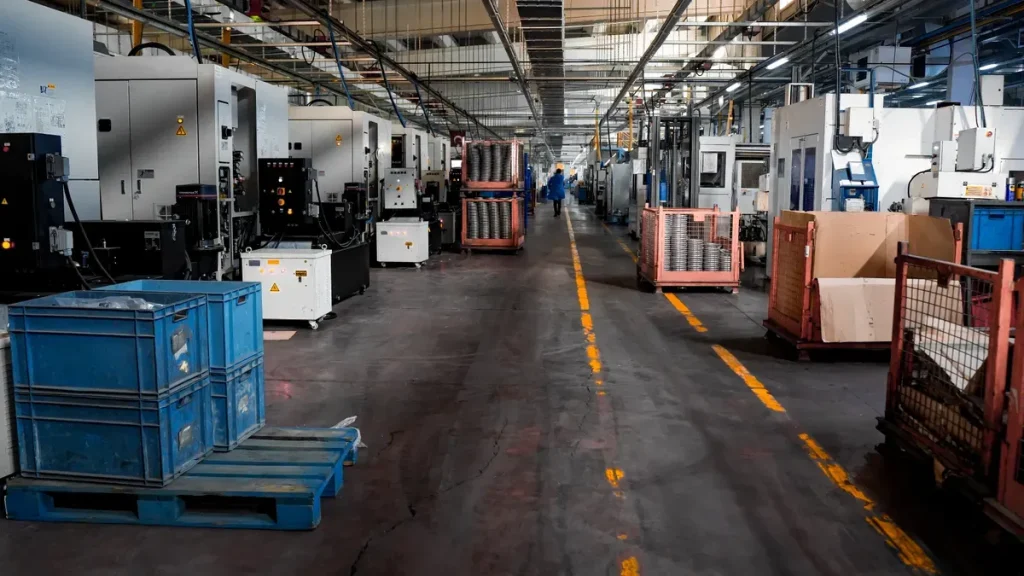
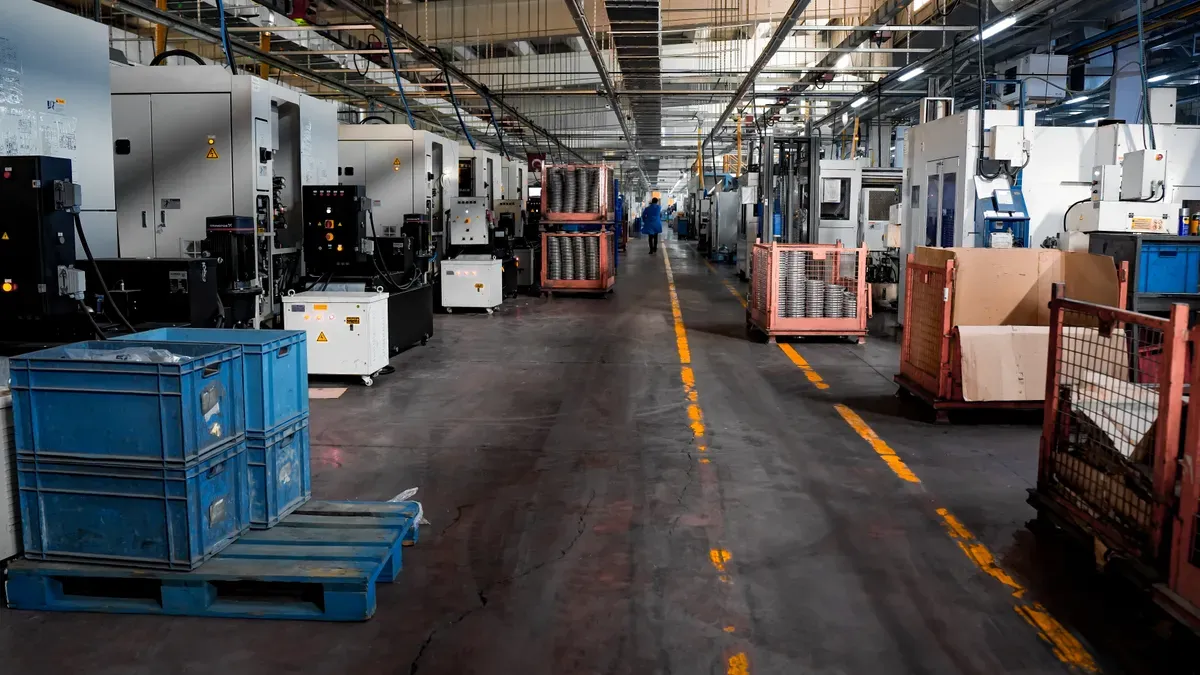
Industrial epoxy coating plays a crucial role in enhancing durability and safety within manufacturing units. You face unique challenges in India, such as high humidity and temperature fluctuations. This industrial epoxy coating addresses these issues effectively, providing a robust solution that withstands harsh conditions and ensures a safe work environment.
Key Takeaways
Industrial epoxy flooring enhances durability and safety in manufacturing units, making it a smart investment for long-term performance.
Proper surface preparation is crucial for successful epoxy application; clean, dry, and crack-free surfaces ensure better adhesion and longevity.
Choosing the right type of epoxy coating—self-leveling, mortar, or anti-static—tailors the flooring to specific needs, improving functionality and safety.
Types of Epoxy Coatings
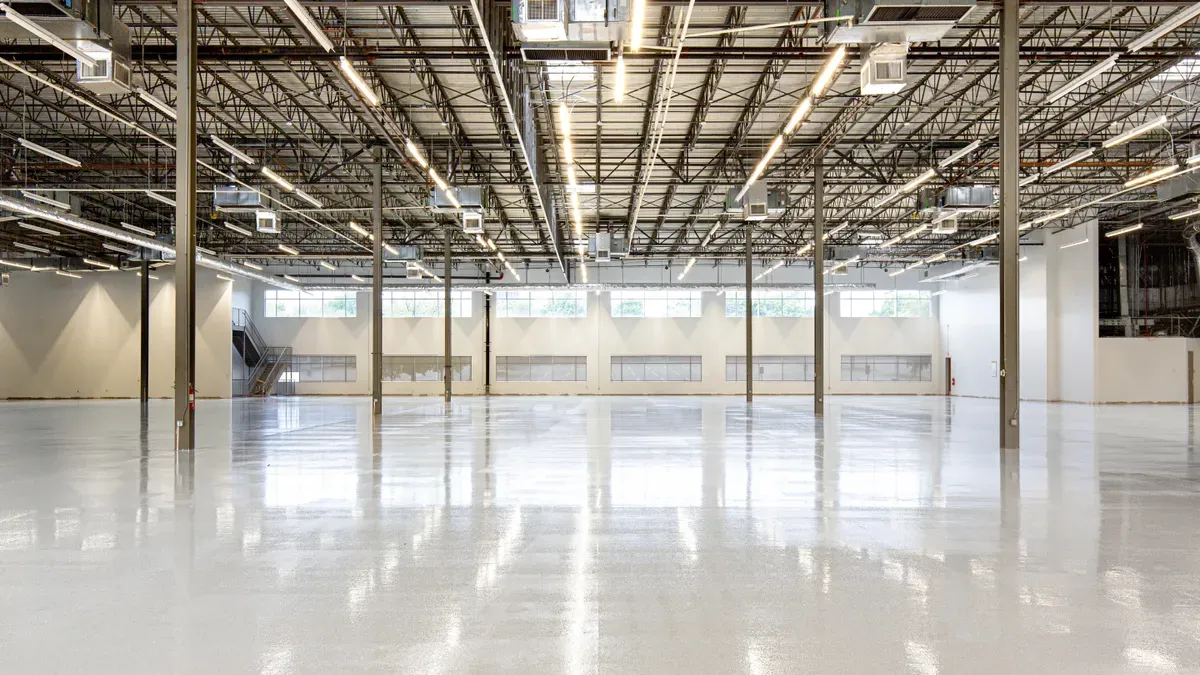
When selecting an industrial epoxy coating for your manufacturing unit, understanding the different types available can help you make an informed decision. Here are three popular options:
Self-Leveling Epoxy
Self-leveling epoxy creates a smooth, seamless surface that enhances both aesthetics and durability. This type of coating is ideal for areas that require a high level of cleanliness and resistance to chemicals. It is available in various colors and finishes, allowing you to customize the look of your facility.
Feature | Self-Leveling Epoxy | Other Flooring Types |
|---|---|---|
Seamless Finish | Yes | Varies |
Chemical Resistance | High | Moderate to Low |
Aesthetic Appeal | Available in various colors and finishes | Limited options |
Durability | Lasts 10-20+ years with proper maintenance | Varies significantly |
Mortar Epoxy
Mortar epoxy is designed for heavy-duty applications. It provides excellent impact resistance and can withstand extreme conditions, making it suitable for manufacturing plants and warehouses with heavy machinery. This type of epoxy is also resistant to chemicals, ensuring safety in environments where hazardous materials are present.
Use Case | Description |
|---|---|
Heavy-duty industrial areas | Designed to withstand extreme conditions. |
Manufacturing plants | Suitable for environments with heavy machinery. |
Chemical storage facilities | Resistant to chemicals, ensuring safety in storage areas. |
Anti-Static Epoxy
Anti-static epoxy flooring is essential for environments where static electricity poses a risk. This type of coating effectively dissipates static charges, protecting sensitive equipment in electronics and chemical manufacturing units. It enhances workplace safety and ensures compliance with industry standards.
Engineered for exceptional electrostatic discharge (ESD) protection.
Combines specialized epoxy resins with conductive materials.
Safely dissipates static electricity to protect sensitive equipment.
Choosing the right epoxy coating can significantly impact the performance and safety of your manufacturing unit. Each type offers unique benefits tailored to specific needs.
Preparing to Apply Epoxy
Before applying epoxy, you must ensure proper surface preparation. This step is crucial for achieving a durable and long-lasting floor. Here are the key steps to follow:
Surface Cleaning
Cleaning the concrete surface is the first step in the preparation process. You need to remove all dirt, grease, and contaminants. A clean surface allows the epoxy to bond effectively. Here are some recommended cleaning methods:
Sweep and Vacuum: Start by sweeping the area to remove loose debris. Follow this with vacuuming to eliminate fine dust particles.
Degreasing: Use a degreaser to remove oil and grease stains. Apply the degreaser according to the manufacturer’s instructions and scrub the surface thoroughly.
Rinsing: After degreasing, rinse the surface with clean water. Ensure no residue remains, as this can affect the epoxy’s adhesion.
Moisture Testing
Moisture can significantly impact the performance of epoxy coatings. Before application, conduct moisture testing to ensure the concrete is dry enough. Here’s a common method:
Method | Description |
|---|---|
Tape a plastic sheet to the concrete for 24 hours; if condensation forms, the concrete is damp. |
If moisture is present, allow the concrete to dry before proceeding. High humidity levels can lead to adhesion failures and reduce the lifespan of your epoxy flooring.
Repairing Cracks
Undetected cracks in the concrete can compromise the integrity of your epoxy coating. You must address these issues before applying epoxy. Here are some important points to consider:
Cracks can serve as channels for moisture and harmful substances, leading to quick underfilm corrosion of epoxy coatings.
Mechanical cracking in the epoxy can occur due to deformation of the substrate, further weakening the coating’s integrity.
To repair cracks, follow these steps:
Identify Cracks: Inspect the surface for any visible cracks. Mark them for easy identification.
Clean Cracks: Remove any debris or loose material from the cracks using a wire brush or vacuum.
Fill Cracks: Use a suitable concrete repair compound to fill the cracks. Ensure the filler is compatible with the epoxy you plan to use.
Smooth the Surface: After the filler has cured, sand the area to create a smooth surface.
By ensuring proper surface preparation, you can avoid common mistakes that lead to epoxy floor failures. Skipping these steps can result in poor adhesion and reduced durability.
Following these guidelines will set the stage for a successful epoxy application process, ensuring your flooring meets the demands of your manufacturing environment.
Applying Epoxy Floor Paint
Applying epoxy floor paint requires careful attention to detail to ensure a durable and long-lasting finish. Follow these steps to achieve optimal results.
Mixing the Epoxy
Start by preparing the epoxy mixture according to the manufacturer’s instructions. Proper mixing is crucial for achieving the desired performance of your epoxy floor coatings. Here’s how to mix and apply the epoxy coating effectively:
Gather Materials: Collect all necessary materials, including the epoxy resin, hardener, mixing container, and stirrer.
Measure Components: Accurately measure the resin and hardener according to the manufacturer’s recommended ratios. This ensures proper chemical reactions and optimal adhesion.
Mix Thoroughly: Combine the resin and hardener in a clean container. Stir the mixture slowly to avoid introducing air bubbles. Continue mixing until the color is uniform and no streaks remain.
Tip: Always mix enough epoxy for the area you plan to cover in one session. This prevents inconsistencies in color and texture.
Base Coat Application
Once you have mixed the epoxy, it’s time to apply the base coat. This layer forms the foundation for your epoxy flooring project. Follow these steps for a successful application:
Surface Preparation: Ensure the surface is clean, dry, and smooth. Remove dirt, dust, and grease. Repair any cracks or holes, and consider priming porous surfaces with a two-part epoxy resin.
Applying the First Coat: Use a brush, roller, or squeegee to apply a thin, even coat of epoxy. Aim for a consistent thickness across the entire surface. Allow it to partially cure before applying the second coat.
Applying the Second Coat: Once the first coat is tack-free, apply a second coat for full coverage. In high-moisture areas, a third coat may be necessary to ensure durability.
Step | Description |
|---|---|
Surface Preparation | Clean and repair the surface to ensure proper adhesion. |
First Coat Application | Apply a thin, even coat and allow it to partially cure. |
Second Coat Application | Apply a second coat once the first is tack-free for complete coverage. |
Top Coat Application
The top coat provides additional protection and enhances the appearance of your epoxy flooring. Here’s how to apply it effectively:
Choose the Right Finish: Select a top coat that suits your manufacturing environment. Options include industrial heavy-duty epoxy, which offers high compressive strength and chemical resistance.
Application: Use a roller or sprayer to apply the top coat evenly over the base coat. Ensure you cover all areas without leaving gaps.
Curing: Allow the top coat to cure fully according to the manufacturer’s guidelines. Avoid any disturbance during this period to ensure a strong bond.
Note: Following manufacturer instructions during the application process is vital. Adhering to these guidelines ensures mechanical surface preparation, technical precision, and compliance with industry standards. This approach enhances the longevity and performance of your epoxy flooring.
By carefully following these steps, you can achieve a high-quality epoxy floor that meets the demands of your manufacturing unit. Proper application not only enhances the aesthetics but also ensures durability and safety in your workspace.
Industrial epoxy flooring offers numerous advantages for your manufacturing unit. Its durability ensures long-lasting performance, while its safety features significantly reduce workplace accidents. You can expect lower maintenance costs over time, making it a cost-effective choice. Consider epoxy flooring as a viable solution to enhance your facility’s efficiency and safety.
Aspect | Traditional Flooring Drawbacks | |
|---|---|---|
Maintenance | Minimal maintenance and cleaning required | Higher ongoing maintenance costs |
Durability | High resistance to wear, impact, and chemicals | Prone to cracking and deterioration |
Safety | Improves workplace safety and cleanliness | May accumulate dust and contaminants |
Reliability | Reduced need for repairs and replacements | Frequent repairs may be necessary |
Total Cost of Ownership | Lower over the lifecycle of the facility | Higher total costs due to repairs and replacements |
FAQ
What is the lifespan of industrial epoxy flooring?
Industrial epoxy flooring typically lasts 10 to 20 years with proper maintenance, depending on usage and environmental conditions.
How do I maintain epoxy flooring?
You can maintain epoxy flooring by regularly cleaning it with a mild detergent and avoiding harsh chemicals that may damage the surface.
Is epoxy flooring safe for food manufacturing?
Yes, epoxy flooring is safe for food manufacturing when you choose food-grade epoxy coatings that comply with health and safety regulations.
See Also
Top Industrial Floor Hardening Solutions Available in the UK
Comparative Analysis of Industrial Floor Hardeners for 2025
Five Best BANDě Indoor Epoxy Wall Coatings for 2025
Optimal Floor Hardening Solutions for Warehouses in the Philippines
