


Choosing the right concrete sealer is crucial for your projects in the UK. The unpredictable weather can lead to moisture damage and deterioration. A durable sealer protects your surfaces from rain and frost. Additionally, you want a product that is easy to apply, ensuring your work remains efficient and effective.
Key Takeaways
Choose the right type of concrete sealer based on your needs: acrylic for cost-effectiveness, epoxy for durability, and polyurethane for superior protection.
Apply concrete sealer during dry weather, ideally when temperatures are between 10°C and 32°C, to ensure proper curing and effectiveness.
Prepare the surface thoroughly by cleaning, repairing imperfections, and ensuring it is completely dry before applying the sealer.
Concrete Sealer Types
Acrylic Sealers
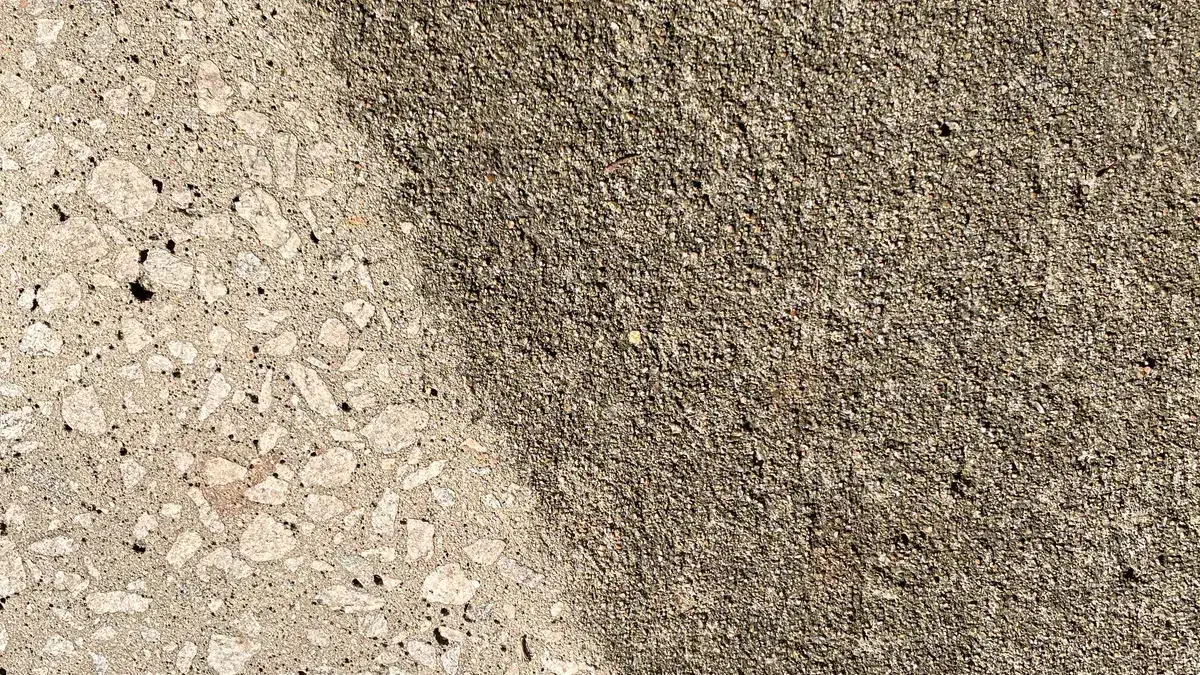
Acrylic sealers are popular due to their water-based formulation. They are easy to apply and offer excellent UV resistance. Here are some advantages and disadvantages of using acrylic sealers:
Advantages | Disadvantages |
|---|---|
Cost-effective | Limited durability |
Easy to apply | Wear resistance issues |
Enhances appearance of concrete surfaces | Requires regular reapplication (every 2-5 years) |
These sealers work well for decorative surfaces but may not withstand heavy wear.
Epoxy Sealers
Epoxy sealers consist of a two-part system that provides excellent adhesive properties and chemical resistance. They are particularly effective in environments requiring moisture resistance, such as garages and heavy-use internal floors. Here are some key points about epoxy sealers:
They offer superior durability and are ideal for high-traffic areas.
A two-stage epoxy system, which includes a primer/sealer followed by an epoxy floor coating, is recommended for optimal performance under UK weather conditions.
While epoxy sealers can be more expensive than acrylic options, their long-lasting protection often justifies the investment.
Polyurethane Sealers
Polyurethane sealers are solvent-based and known for their superior durability and scratch resistance. They provide a robust barrier against moisture and stains, making them suitable for outdoor applications. However, they come at a higher price point compared to acrylic sealers.
How to Apply Concrete Sealer
Best Timing for Application
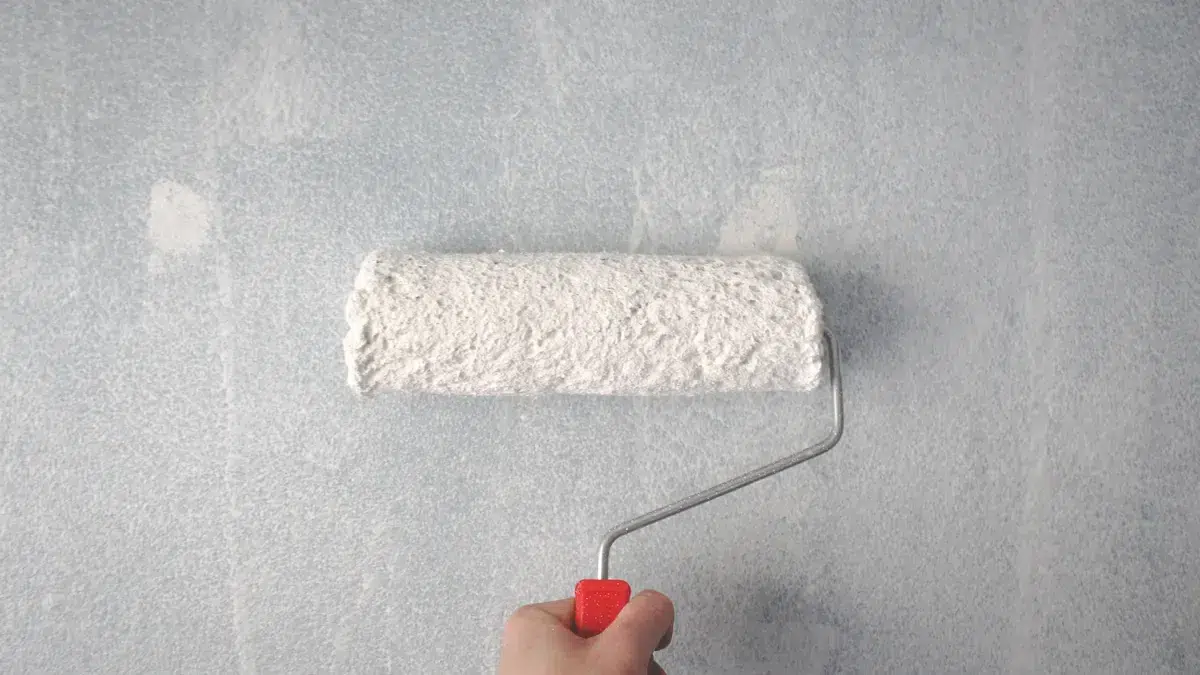
Timing plays a crucial role when you apply concrete sealer. To achieve the best results, consider the following factors:
Dry Conditions: Ensure you apply the sealer during dry weather. Rain can penetrate and weaken the pavement if the sealer is not applied correctly or has worn thin.
Humidity Levels: High humidity can slow down the curing process. This affects the quality of the sealer, so aim for specific humidity conditions for optimal results.
Temperature Range: Apply sealers within a temperature range of 10°C to 32°C. This ensures proper curing and effectiveness.
Surface Preparation Steps
Before you apply concrete sealer, you must prepare the concrete surface thoroughly. Follow these steps to ensure optimal adhesion:
Thorough Cleaning: Start by sweeping or pressure washing the surface to eliminate dirt and debris. Use specialised cleaners for stubborn stains.
Repair Surface Imperfections: Fill any cracks and chips to create a level surface. Allow repairs to cure completely before sealing.
Ensure Dry Conditions: The concrete must be completely dry before sealing. Conduct moisture tests and consider environmental factors like humidity.
Weather Considerations
UK weather can be unpredictable, so you must consider it when applying concrete sealer. Here are some key points:
Seasonal Patterns: In summer, the sun’s warmth aids curing, but excessive UV exposure can degrade sealers. In winter, freeze-thaw cycles can damage driveways, so high-quality sealers are essential.
Rain and Wind: Proper application during dry conditions is crucial to prevent water penetration and subsurface erosion. Strong winds can lead to uneven drying and contamination of the sealed surface.
Humidity Impact: High humidity can extend drying times, affecting adhesion and quality. It is critical to ensure that the concrete moisture content is at a maximum level of 7% at the time of application.
By following these guidelines, you can effectively apply concrete sealer, ensuring maximum durability and protection against the elements.
Correctly Apply Concrete Sealer
Application Techniques
To achieve optimal results when you apply concrete sealer, follow these effective techniques:
Start with a Clean Surface: Ensure the concrete is clean and dry. This step is crucial for proper adhesion.
Check Weather Conditions: Apply the sealer during moderate temperatures. Avoid direct sunlight, as it can cause uneven curing.
Use the Right Tools: Choose a compatible application tool based on the sealer type. For example, use a solvent-resistant sprayer for solvent-based sealers.
Stir Thoroughly: Mix the sealer well to ensure uniform viscosity. Avoid introducing air bubbles during this process.
Apply in Controlled Passes: Use even strokes, applying the sealer perpendicular to any stamped patterns. Back-roll to achieve an even thickness.
Maintain Consistent Pace: Keep a steady pace to prevent lap lines and ensure complete edge coverage.
Assess Substrate Porosity: If necessary, pre-wet the surface without altering the pigment or release agent.
Allow Tack-Free Time: Wait until the first coat becomes tack-free before applying a second coat. This timing aligns with the substrate’s moisture content.
By following these techniques, you can enhance the performance of your concrete sealer, ensuring it withstands the challenges posed by UK weather.
Drying and Curing Times
Understanding drying and curing times is essential for effective sealing. Here are key points to consider:
General Drying Time: Allow approximately one hour of drying time between coats. This ensures proper adhesion and prevents issues like blush and puddling.
Cover Fresh Concrete: Always cover fresh concrete for the first 4–6 hours, regardless of weather conditions. This protects it from unexpected rain.
Rain Exposure: Rain within the first 24 to 48 hours can wash away uncured sealer. This leads to streaky surfaces and improper bonding. Check weather forecasts and delay sealing if rain is expected.
Temperature and Humidity: Higher temperatures and lower humidity can speed up drying. Conversely, cooler temperatures and higher humidity can slow it down. Adjust your application strategy accordingly.
Chemical Additives: Some sealers contain accelerators or retarders that influence drying times. Accelerators can halve standard curing periods, while retarders extend workability in hot conditions.
By adhering to these guidelines, you can ensure that your concrete sealer dries and cures properly, providing long-lasting protection against the elements.
Choosing the right concrete sealer for UK weather is essential. You must consider your specific needs and environmental factors. Here are some key takeaways:
Determine your sealing purpose: protection, aesthetics, or durability.
Assess temperature, humidity, and sunlight exposure.
By evaluating these factors, you can select a sealer that meets your requirements and withstands the UK’s unpredictable climate.
FAQ
What is the best time to apply concrete sealer?
You should apply concrete sealer during dry weather, ideally when temperatures range from 10°C to 32°C.
How often should I reapply concrete sealer?
Reapply concrete sealer every 2 to 5 years, depending on the type of sealer and the wear on your surface.
Can I use concrete sealer indoors?
Yes, you can use concrete sealer indoors. Ensure proper ventilation during application for safety and effectiveness.
See Also
Top Concrete Sealers for Harsh Canadian Winter Weather
Ideal Concrete Sealers for Intense South African Sunshine
How to Choose the Perfect Concrete Sealer for You
