


Epoxy flooring cost in Australia varies significantly in 2026. On average, you can expect to pay between $30 and $120 per square metre, depending on the type and finish. Understanding these costs is crucial for making informed decisions about your flooring options, ensuring you choose a solution that meets your needs and budget.
Key Takeaways
Epoxy flooring lasts between 10 to 20 years, making it a durable choice that reduces repair needs.
You can apply epoxy flooring over existing surfaces, which saves on removal costs and simplifies installation.
While traditional flooring may have lower initial costs, epoxy flooring offers lower long-term expenses due to its durability and easy maintenance.
Overview of Epoxy Flooring
What is Epoxy Flooring
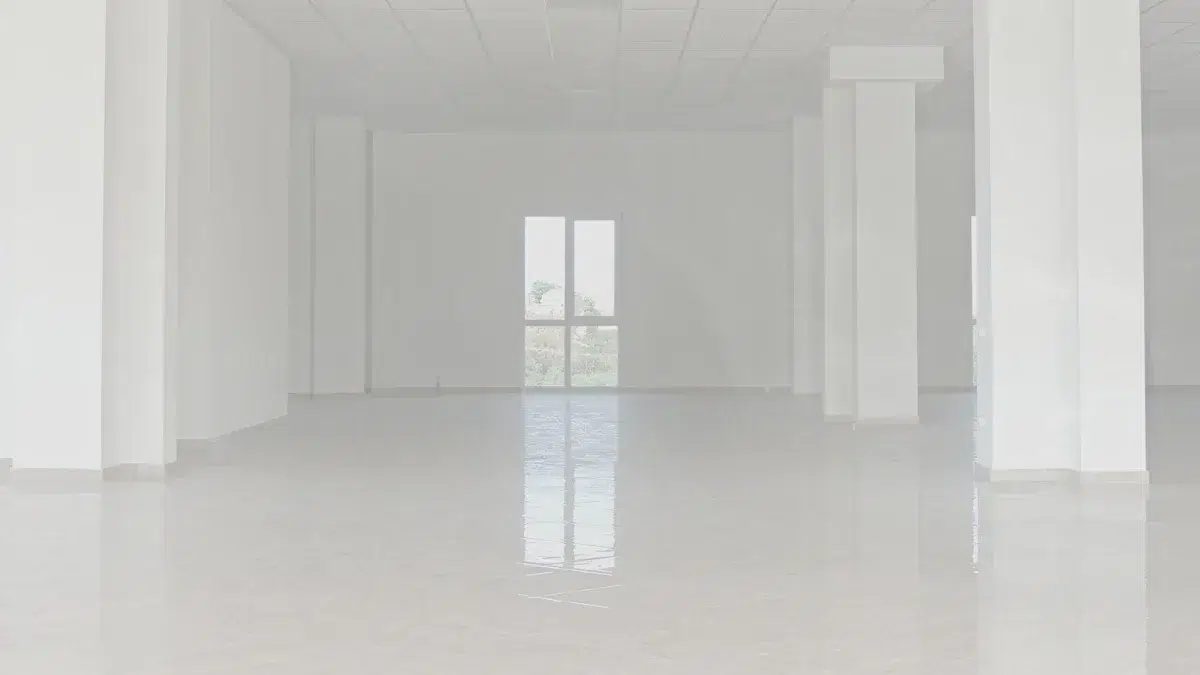
Epoxy flooring consists of a mixture of epoxy resin and hardeners. This combination creates a durable and resilient surface suitable for various applications. You can find epoxy flooring in residential, commercial, and industrial settings. Its versatility makes it a popular choice for many property owners.
Benefits of Epoxy Flooring
Epoxy flooring offers numerous advantages that enhance both functionality and aesthetics. Here are some key benefits:
Durability: Epoxy flooring withstands heavy use without deteriorating quickly. It can last between 10 to 20 years, making it a long-lasting option compared to many other flooring types.
Aesthetic Appeal: You can customise epoxy flooring with various designs, colours, and finishes. This flexibility allows you to match your personal style or branding preferences. High-gloss finishes provide a modern look, while matte textures suit industrial environments.
Easy Maintenance: Cleaning epoxy floors is straightforward. They resist staining and do not trap dirt like carpets. You can easily wipe away spills, making them ideal for high-traffic areas.
Resistance to Chemicals: Epoxy flooring can handle exposure to chemicals, making it suitable for garages and commercial kitchens. It prevents bacteria buildup and ensures hygiene in food facilities.
Common applications of epoxy flooring include:
Garage Floors
Commercial Kitchens
Warehouses
Retail Spaces
Laboratories
With these benefits, epoxy flooring stands out as a practical and attractive choice for various environments.
Epoxy Flooring Types & Costs
When considering epoxy flooring, you will find various types tailored to different environments. Each type comes with its own cost range, reflecting the specific needs and applications. Below, we explore the three main categories: residential, commercial, and industrial epoxy flooring.
Residential Epoxy Flooring
Residential epoxy flooring is an excellent choice for homeowners looking to enhance their living spaces. This type of flooring is not only aesthetically pleasing but also durable. You can expect to pay between $30 and $80 per square metre for residential installations.
Several factors influence the price of residential epoxy flooring installations:
The condition of the existing floor affects preparation needs.
The quality of materials chosen impacts initial costs and longevity.
The complexity of the job varies with the layout of the space.
The size of the area to be covered directly correlates with the total cost.
Labour costs can fluctuate based on project urgency and layout.
With its ability to resist stains and ease of maintenance, residential epoxy flooring can significantly boost your property’s value.
Commercial Epoxy Flooring
Commercial epoxy flooring caters to businesses that require robust and functional surfaces. This type of flooring is designed to withstand heavy foot traffic and various environmental factors. You can expect to pay between $60 and $120 per square metre for commercial epoxy flooring.
Different commercial settings have specific requirements for epoxy flooring:
Manufacturing and industrial plants: Require flooring that can withstand mechanical stress and chemical exposure.
Warehouses and logistics hubs: Need high-build coatings for wear resistance and dust control.
Food processing and commercial kitchens: Must be safe for food environments and withstand regular washdowns.
Investing in commercial epoxy flooring ensures that your business maintains a professional appearance while providing a safe and durable surface for employees and customers.
Industrial Epoxy Flooring
Industrial epoxy flooring is the most robust option, designed for environments with extreme conditions. This type of flooring can handle heavy machinery, chemicals, and high traffic levels. The cost for industrial epoxy flooring typically ranges from $80 to $150 per square metre.
Key performance requirements for industrial epoxy flooring include:
Performance Requirement | Description |
|---|---|
High Chemical Resistance | Essential for floors exposed to various chemicals, ensuring durability and longevity. |
Critical for ensuring proper adhesion and performance of the epoxy system. | |
Understanding of Industrial Conditions | Necessary to account for specific operational demands such as temperature and traffic levels. |
Good Spill Procedures | Important for managing accidents and minimising damage to the flooring system. |
In industrial settings, you must ensure that the flooring meets specific operational demands. This investment not only enhances safety but also reduces maintenance costs over time.
By understanding the different types of epoxy flooring and their costs, you can make an informed decision that aligns with your needs and budget.
Factors Affecting Epoxy Flooring Cost
Surface Preparation
Surface preparation plays a crucial role in determining the overall cost of your epoxy flooring installation. Proper preparation ensures that the epoxy adheres effectively, maximising its longevity and performance. You may find that surface preparation procedures can add between $3 to $7 per square foot to your total costs.
Here are some common methods used for surface preparation:
Degreasing and Cleaning: This step removes oil, grease, and contaminants from surfaces, which is vital for metal and concrete.
Mechanical Abrasion: Grinding or sanding creates a uniform surface profile, especially important for concrete floors.
Abrasive Blasting: This method effectively prepares heavily rusted metal by removing mill scale and ensuring proper adhesion.
Moisture Testing: Conducting moisture tests ensures that the concrete is dry enough to prevent delamination before applying epoxy.
In industrial and commercial settings, techniques like diamond grinding and shot blasting are essential. These methods create a rough, clean surface that enhances the bond between the epoxy and the substrate. Remember, inadequate preparation can lead to issues like delamination, which may result in costly repairs down the line.
Installation Time
Installation time significantly influences the pricing of your epoxy flooring project. The average installation time for epoxy flooring typically ranges from 2 to 3 days, with additional curing time of 5 to 7 days. Factors such as environmental conditions, the type of epoxy used, and the skill level of the installer can affect this timeline.
Longer installation times may lead to increased labour fees. If you require expedited work, you might need to hire larger crews, which can further raise costs. Rushed projects may also incur extra charges for overtime. Therefore, planning your installation carefully can help you manage costs effectively.
Customisation Options
Customisation options for epoxy flooring can enhance its visual appeal but may also increase the overall cost. Unique designs and colours require more intricate work and specialised materials. The complexity of the design you choose can significantly influence pricing.
Some popular customisation features include:
Customisation Feature | Description | Applications |
|---|---|---|
Epoxy Flake Flooring | Incorporates vinyl chips for decorative appeal. | Popular in garages, schools, and retail spaces. |
Metallic Epoxy | Pigments create a marbled, 3D effect. | Suited for high-end residential or boutique commercial environments. |
When selecting customisation features, consider how they align with your aesthetic goals and budget. While these options can elevate the look of your flooring, they may also require additional time, materials, and expertise, thereby raising the total project cost.
By understanding these factors, you can make informed decisions that align with your needs and budget, ensuring that your epoxy flooring remains a cost-effective choice for your space.
Comparing Epoxy Flooring Cost with Other Options
Vinyl Flooring Comparison
When you compare epoxy flooring with vinyl flooring, consider both initial costs and long-term benefits. While vinyl flooring typically costs between $30 and $60 per square metre, its lifespan ranges from 5 to 10 years. In contrast, epoxy flooring lasts between 10 and 20 years. Although the upfront cost of epoxy may be higher, its durability and low maintenance needs lead to reduced costs over time.
Flooring Type | Lifespan (Years) | Maintenance Requirements | Cost Implications |
|---|---|---|---|
Epoxy | 10 – 20 | Minimal upkeep | Lower long-term costs |
Vinyl | 5 – 10 | Intensive cleaning | Higher long-term costs |
Tile Flooring Comparison
Tile flooring presents another option, with costs ranging from $30 to $125 per square metre. While tiles can last 10 to 15 years, they require regular maintenance, such as grout resealing. Epoxy flooring, on the other hand, offers greater durability and requires less upkeep. It withstands heavy wear and tear, making it ideal for high-traffic areas.
Feature | Epoxy Flooring | Tile Flooring |
|---|---|---|
Durability | Stronger than concrete, withstands heavy wear | Prone to chipping and cracking in high-traffic areas |
Lifespan | 10-20+ years with professional installation | 10-15 years with proper maintenance |
Concrete Flooring Comparison
Concrete flooring is often the most economical option, costing around $50 to $100 per square metre. However, it lacks the aesthetic appeal and comfort of epoxy flooring. Epoxy can be applied over existing concrete, providing a fresh look while enhancing durability.
In summary, epoxy flooring offers a compelling blend of durability and aesthetic appeal. You can expect costs ranging from $30 to $120 per square metre, depending on the type. Consider the long-term benefits, such as lower maintenance costs and enhanced property value.
Key Takeaways:
Epoxy flooring lasts 10 to 20 years, reducing the need for repairs.
It can be applied over existing surfaces, saving on removal costs.
Traditional flooring may seem cheaper initially but incurs higher long-term expenses.
By weighing these factors, you can make an informed decision that suits your needs and budget.
FAQ
What is the lifespan of epoxy flooring?
Epoxy flooring typically lasts between 10 to 20 years, depending on usage and maintenance.
Can I install epoxy flooring myself?
Yes, you can install epoxy flooring yourself. However, professional installation ensures better results and longevity.
How do I maintain epoxy flooring?
Maintain epoxy flooring by regularly cleaning with mild soap and water. Avoid harsh chemicals to preserve its finish.
See Also
Your 2025 Guide To Acrylic And Epoxy Anti-Slip Coatings
Exploring The Epoxy And Latex Debate For Concrete Repairs
How To Choose The Ideal Epoxy Concrete Patch For You
Five Best BANDě Epoxy Wall Coatings For Indoor Use 2025
Comparing BANDě Concrete Sealers: Film-Forming And Penetrating Types
