


Concrete floor hardeners play a crucial role in enhancing the durability and strength of your floors, particularly in the Concrete floor hardener UK market. Proper application yields benefits such as improved stain resistance, reduced dusting, and increased aesthetic appeal. For both DIY enthusiasts and professionals, following the right steps in preparation, application, and maintenance ensures long-lasting results.
Key Takeaways
Thoroughly clean and repair your concrete surface before applying hardener. This step ensures better adhesion and performance.
Allow at least 48 hours for the concrete to dry after cleaning. Factors like temperature and humidity can affect drying time.
Choose the right type of hardener for your project. Options include dry shake, densifiers, and liquid hardeners, each offering unique benefits.
Prep Surface
Clean and Repair
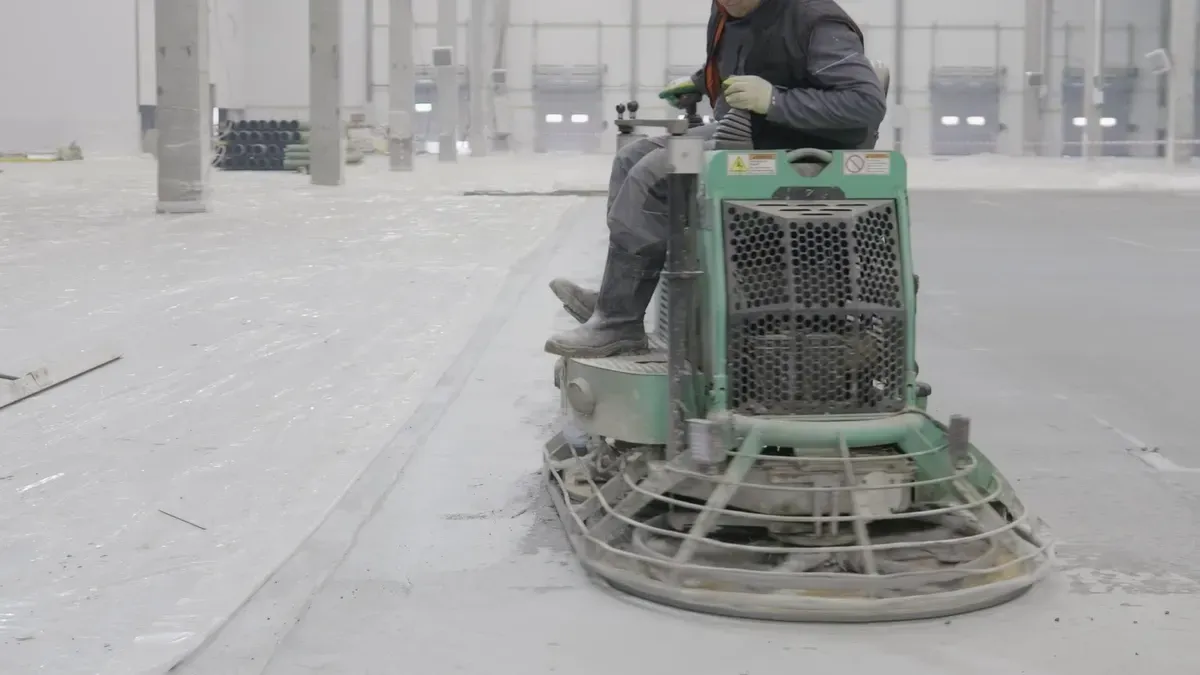
Before you apply the concrete floor hardener, you must prepare the surface thoroughly. A clean and well-maintained surface ensures better adhesion and performance of the hardener. Follow these steps to clean and repair your concrete floor:
Remove all loose debris using industrial vacuum systems equipped with HEPA filtration. This step eliminates dust and particles that could interfere with the hardener’s effectiveness.
For oil stains, apply alkaline degreasers at a 1:10 dilution ratio. Scrub the area with stiff-bristled brushes in circular motions for 10-15 minutes to ensure thorough cleaning.
Rinse the surface using pressure washers with 25-degree fan tips. This method helps remove any remaining cleaning agents and contaminants.
Inspect the concrete for any damage. If you find cracks or chips, remove loose material and clean the area thoroughly. Ensure that any epoxy resin you use adheres properly to the surface for a durable bond.
Tip: New concrete typically requires a curing period of at least 28 days before applying any hardeners. This time allows the concrete to reach its optimal strength and reduces the risk of imperfections.
Drying Time
After cleaning and repairing, you must allow adequate drying time before applying the concrete floor hardener. Several factors influence the drying time of concrete floors in UK environments:
Temperature: Cold temperatures can slow down the hydration process. The lower the temperature, the longer it takes for concrete to dry.
Thickness: A thick slab of concrete will take much longer to dry than a thin layer.
Humidity: High humidity levels can prolong drying time, as the air is already saturated with moisture.
Mix Ratio: A higher water-to-cement ratio increases moisture content, extending the drying time.
To ensure the best results, allow a minimum of 48 hours for the surface to dry after cleaning. This timeframe may vary based on the factors mentioned above. Always check the moisture content before proceeding with the application of the hardener.
Note: Proper inspection for moisture and surface conditions is essential. This step ensures the longevity and performance of your concrete surfaces.
Applying Hardener
Types of Hardener
When you decide to apply concrete floor hardener, understanding the different types available in the UK market is essential. Each type offers unique benefits that enhance the performance of your concrete floors. Here are the main types of concrete hardeners you might consider:
Dry Shake Hardeners: These come in three categories based on the aggregate type: natural quartz, synthetic, and metallic. Each type varies in performance, affecting the strength and longevity of your floor.
Concrete Densifiers: These chemical compounds penetrate the concrete surface, improving hardness and durability. They also enhance stain resistance and reduce dusting, contributing to the overall lifespan of your floors.
Liquid Hardeners: These are typically water-soluble inorganic compounds that react with the concrete to create a stronger surface. They are easy to apply and provide a smooth finish.
Using the right type of hardener can significantly improve your floor’s durability, stain resistance, aesthetic appeal, and reduce dusting.
Application Techniques
To achieve optimal results when you apply concrete floor hardener, you should follow specific application techniques. Here are some effective methods:
Preparation: Ensure the surface is clean and dry before application. This step is crucial for proper adhesion.
Application Methods: You can apply the hardener using various tools:
Spray: This method allows for even distribution across the surface.
Roller: A roller can help cover larger areas quickly and uniformly.
Brush: For smaller or detailed areas, a brush provides precision.
Application Rate: The amount of hardener you apply depends on the type. For dry shake hardeners, you typically use 4 to 5 kg/m² for hand application and 5 kg/m² for machine application. This variation affects the final thickness and effectiveness of the hardening process.
Timing: If you use dry shake hardeners, apply them immediately after the concrete has been screeded. This timing ensures the hardener integrates well with the surface.
Finishing: After applying the hardener, allow it to cure properly. This step is vital for achieving the desired strength and durability.
By following these techniques, you can ensure that your application of concrete floor hardener is effective and yields long-lasting results.
Finishing Touches
Curing Process
After applying the concrete floor hardener, you must allow the surface to cure properly. Curing enhances the strength and durability of your floor. The recommended curing methods vary based on the product used. Here’s a table summarising some effective curing products available in the UK:
Product Name | Key Features |
|---|---|
Sikafloor Proseal | Excellent moisture retention, Curing Efficiency to ASTM C-156 IS 75% |
Sikafloor Curehard-24 | Improved chemical and abrasion resistance, Ready to use |
Adomast Adocure Sealer | Forms a highly effective concrete curing membrane, Dustproof and hard wearing |
Adomast Safecure Sealer | Suitable for new and old concrete, High performance polyurethane and acrylic |
Don Construction Setseal 6 | Combines curing aid, sealer, dustproofer, and hardener benefits |
Don Construction Monoseal | Durable finish, Dust proof, Abrasion enhancement |
Ensure you follow the manufacturer’s instructions for the best results. Proper curing can significantly extend the lifespan of your concrete floor.
Maintenance Tips
To maintain the beauty and functionality of your concrete floor, implement a regular maintenance routine. Here are some essential tips:
Daily Maintenance: Dust mop or sweep daily with a microfiber dust mop to remove abrasive grit that can dull the finish.
Regular Cleaning: Damp mop weekly with clean water and a pH-neutral cleaner designed for polished concrete.
Periodic Maintenance: Apply a concrete floor protector every 6-12 months and re-burnish every 2-5 years.
Stain Response: Clean spills promptly and use a poultice for stubborn stains.
For high-traffic areas, consider performing maintenance weekly to monthly. This includes dust mopping, scrubbing with an auto scrubber, and using a rejuvenating cleaner to reinforce the surface. Periodic deep cleaning helps restore shine and remove grease.
By following these maintenance practices, you can ensure your concrete floor remains in excellent condition for years to come.
To effectively apply concrete floor hardener, follow these key steps:
Prepare the surface by cleaning and repairing any damage.
Apply the floor hardener evenly, ensuring proper mixing and drying.
Finish by allowing the final layer to dry completely and consider adding a sealer for enhanced protection.
Thorough preparation and application are critical for achieving the best results. Take your time to ensure each step is completed correctly. This diligence will lead to a durable and aesthetically pleasing floor.
FAQ
What is the best time to apply concrete floor hardener?
You should apply concrete floor hardener after the concrete has cured for at least 28 days.
Can I use concrete floor hardener on old concrete?
Yes, you can apply hardener on old concrete, provided the surface is clean and free from damage.
How long does it take for the hardener to dry?
Drying time varies, but generally, allow at least 48 hours for the hardener to set properly.
See Also
Understanding BANDě Concrete Floor Hardener: Key Insights
Top Floor Hardening Solutions for UK Industrial Spaces
Choosing The Ideal Concrete Floor Hardener For 2025
