

Are you confident that your current industrial flooring solutions meet the demands of your operations? Selecting the right flooring is crucial for maintaining safety and efficiency in your workspace. Various flooring options, such as epoxy and polyurethane, significantly impact your operational success, especially in environments with heavy machinery or chemical exposure. Recent studies highlight that durable flooring reduces wear and enhances safety, making it essential for effective industrial operations.
Key Takeaways
Choosing the right industrial flooring, like epoxy or polyurethane, enhances safety and efficiency in your workspace.
Epoxy flooring offers durability and chemical resistance, making it ideal for heavy-duty environments and industries handling chemicals.
Polyurethane flooring provides flexibility and impact resistance, perfect for areas with heavy machinery and temperature fluctuations.
Epoxy Flooring Solutions
Epoxy Benefits
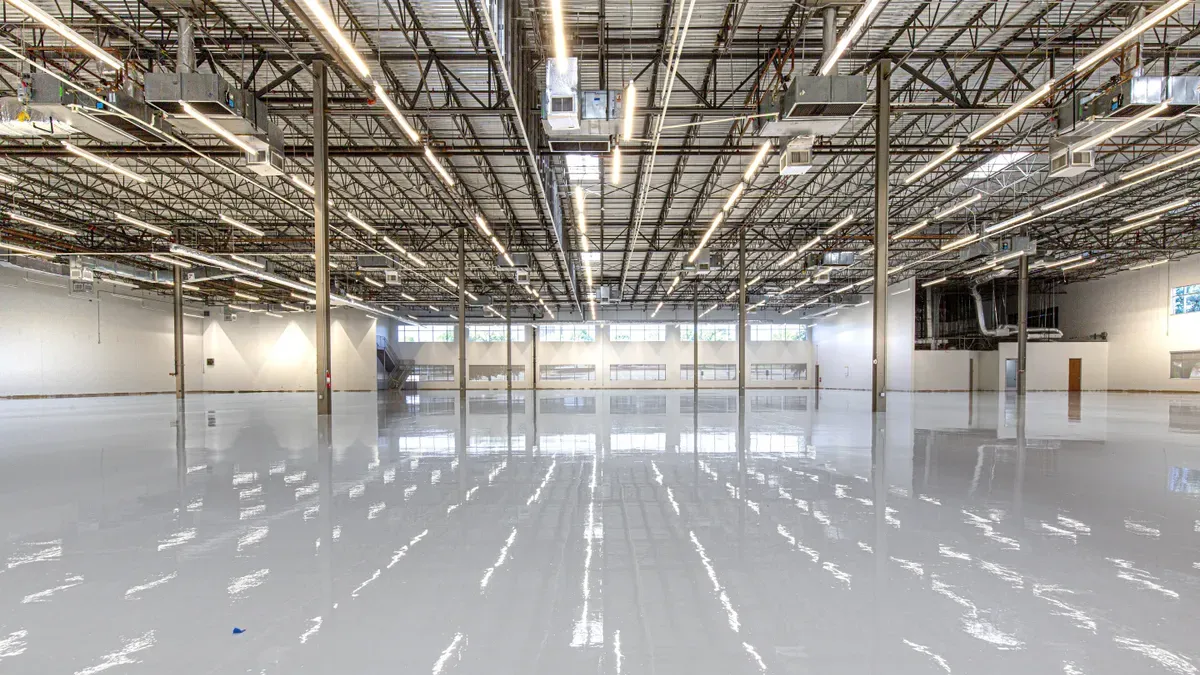
Epoxy flooring systems offer numerous advantages that make them a popular choice in industrial environments. One of the most significant benefits is their durability. When properly installed, epoxy flooring can last between 15 to 25 years in heavy-duty industrial settings. This longevity reduces the need for frequent repairs or replacements, making it a cost-effective option over time.
Another key benefit is chemical resistance. Epoxy flooring can withstand exposure to various chemicals without deteriorating. For instance, it shows no signs of damage when exposed to substances like activated carbon, coffee, and even harsh chemicals like sodium hydroxide. This resistance makes epoxy flooring ideal for industries that handle chemicals regularly.
Additionally, epoxy flooring provides a seamless surface that is easy to clean. This feature helps maintain a hygienic environment, especially in food production and storage facilities. The non-porous nature of epoxy prevents moisture and contaminants from penetrating, which further extends its lifespan and reduces maintenance costs.
Applications for Epoxy
Epoxy flooring is widely used across various industries due to its robust characteristics. Here are some common applications:
Warehouses and Distribution Centers: The high-performance flooring withstands heavy loads and frequent traffic, making it perfect for these environments.
Manufacturing Facilities: The durability and chemical resistance of epoxy flooring systems support the demands of manufacturing processes.
Automotive Shops and Garages: The slip-resistant coatings enhance safety in areas where oil and other fluids may be present.
Food Production and Storage: The hygienic properties of epoxy flooring make it suitable for food-related industries, ensuring compliance with health standards.
Polyurethane Flooring Options
Polyurethane Benefits
Polyurethane flooring offers several advantages that make it an excellent choice for industrial environments. One of the standout features is its flexibility. This flexibility allows the flooring to adapt to temperature changes without cracking or delaminating. In environments where temperature fluctuations are common, such as food and beverage facilities, polyurethane flooring performs exceptionally well. Its thermal compatibility with concrete minimizes internal stress, ensuring a long-lasting surface.
Another significant benefit is its impact resistance. Polyurethane flooring is inherently more flexible than epoxy flooring, which contributes to its superior resistance against cracking, chipping, and long-term surface wear. This makes it ideal for high-traffic areas where heavy machinery operates.
Here’s a quick comparison of impact resistance between the two flooring types:
Feature | Epoxy Flooring | Polyurethane Flooring |
|---|---|---|
Impact Resistance | High |
Additionally, polyurethane flooring incorporates antimicrobial technology, which helps eliminate germs and maintain a hygienic environment. This feature is particularly important in manufacturing facilities where cleanliness is crucial for compliance with health standards.
Applications for Polyurethane
Polyurethane flooring is suitable for various industrial applications due to its robust characteristics. Here are some common uses:
Manufacturing Facilities: The durability and impact resistance of polyurethane make it perfect for areas with heavy machinery and equipment.
Food and Beverage Processing: Its ability to withstand temperature fluctuations and its hygienic properties make it ideal for food-related industries.
Pharmaceutical Plants: The antimicrobial features help maintain a sterile environment, essential for compliance with industry regulations.
Warehouses: Polyurethane industrial floor coatings can handle heavy loads and frequent traffic, ensuring a safe working environment.
When considering installation costs, typical pricing for polyurethane flooring in industrial warehouses ranges from $7 to $10 per square foot for standard installations. For larger distribution centers exceeding 50,000 square feet, costs can drop to as low as $4 to $6 per square foot.
Concrete Densifier and Coatings
Benefits of Concrete Densifier
BAND Concrete Densifier offers significant advantages for existing concrete surfaces. This product reacts with the concrete to create a harder, more abrasion-resistant layer. While it does not change the internal compressive strength, it greatly enhances surface performance and longevity. The densifier provides soluble silicate that interacts with calcium hydroxide at the surface. This interaction forms additional calcium silicate hydrate (C-S-H), which strengthens the binder responsible for durability. As a result, you can expect reduced porosity and increased surface hardness, making your floors more resilient to wear and tear.
High-Performance Coatings
High-performance industrial coatings, such as those from Sherwin-Williams and Stonhard, are designed to withstand the rigors of industrial environments. These coatings offer exceptional durability and longevity. Here’s a quick overview of the expected lifespan of various high-performance industrial coatings:
Coating Type | Expected Lifespan |
|---|---|
Industrial Epoxy | 15-25 years or more |
Urethane Cement | 25-30 years |
Standard Epoxy | 10-20 years |
Polyaspartic | 10-15 years |
MMA Flooring | 15-25 years |
Polished Concrete | Life of the building |
Choosing the right coating can significantly impact your operations. These coatings not only protect your floors but also enhance their appearance and safety. Investing in high-performance industrial coatings ensures that your flooring remains functional and visually appealing for years to come.
Vinyl Industrial Flooring
Vinyl Benefits
Vinyl flooring stands out for its durability and hygiene. This flooring type can withstand heavy foot traffic and resist wear, making it ideal for busy industrial environments. You will find that vinyl flooring is easy to clean, which helps maintain a sanitary workspace. Its non-porous surface prevents the absorption of spills and contaminants, ensuring a safe and healthy environment.
Another advantage of vinyl flooring is its seamless surface. This feature minimizes the risk of dirt and bacteria accumulation in joints, making cleaning more efficient. The flexibility of vinyl also allows it to adapt to various shapes and sizes, providing a perfect fit for any space.
Applications for Vinyl
Vinyl flooring is suitable for a wide range of heavy-duty applications. Here are some industries that commonly use vinyl flooring:
Manufacturing Plants
Warehousing & Logistics Centers
Food & Beverage Production
Pharmaceutical Manufacturing & Cleanrooms
Automotive Workshops & Car Showrooms
Chemical Processing Facilities
Healthcare & Research Facilities
Electronics & Semiconductor Production
Cold Storage & Refrigerated Areas
Retail, Commercial, and Public Buildings
In terms of maintenance costs, vinyl flooring remains economical. The average annual maintenance cost for vinyl sheet flooring is approximately $1.12 per square foot, while vinyl tile flooring costs around $1.18 per square foot. This affordability makes vinyl a practical choice for businesses looking to optimize their flooring solutions.
In summary, selecting the right industrial flooring solution is vital for your operations. Consider factors like expected traffic, purpose, and budget when assessing your current flooring.
Tip: Consult with flooring experts to receive tailored recommendations that suit your specific needs. This investment can lead to long-term benefits, including reduced maintenance costs and enhanced safety.
FAQ
What is the lifespan of industrial flooring?
The lifespan varies by type: epoxy lasts 15-25 years, polyurethane 10-30 years, and vinyl around 10-20 years.
How do I maintain my industrial flooring?
Regular cleaning and prompt spill management help maintain your flooring. Follow manufacturer guidelines for specific care instructions.
Can I install new flooring over existing surfaces?
Yes, many flooring types allow installation over existing surfaces. Ensure the base is clean and structurally sound for best results.
See Also
Top Floor Hardening Options for UK Industrial Spaces
Understanding Pengeras Lantai: Advantages for Industrial Flooring
Comprehensive Benefits of BANDě’s Polished Concrete Flooring
Optimal Floor Hardening Solutions for Philippine Warehouses
Essential Guide to Concrete Sealers for Industrial Floor Protection
