


Have you ever considered how vital wall coatings are in architecture? As a decorative wall coating manufacturer for architectural projects, we understand that these coatings not only enhance aesthetics but also serve functional purposes. You can choose from a range of options, including paints, wall epoxies, and plaster finishes, each offering unique benefits. When selecting a coating, consider factors like durability, performance, and compliance with codes.
Key Takeaways
Choose the right wall coating based on durability, aesthetics, and maintenance needs. This ensures your space looks great and lasts longer.
Consider using high-quality materials like mineral paints or Venetian plaster for luxury projects. These options enhance beauty and provide long-lasting performance.
Proper surface preparation is key to a successful application. Clean, level, and prime your walls to avoid issues like peeling or blistering.
Types of Coatings
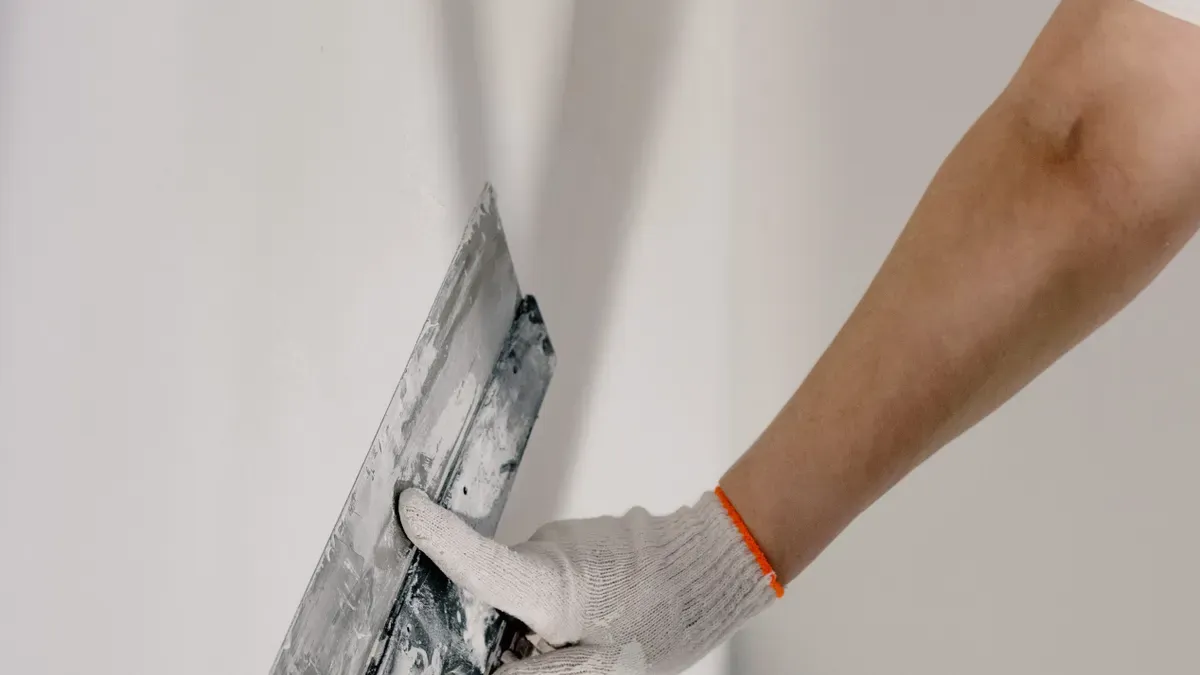
When it comes to decorative wall coatings, you have several options to choose from. Each type offers unique benefits and applications, allowing you to tailor your choice to your specific architectural needs.
Paints
Paints are one of the most common types of wall coverings. They come in various formulations, including plastic, synthetic enamel, and acrylic enamel. You can select from a wide range of colors and finishes, making it easy to achieve the desired aesthetic.
Tip: For high-end projects, consider using mineral or silicate paints. These options are effective in wet areas and resist mold and mildew, ensuring durability and longevity.
Type of Coating | Features and Benefits |
|---|---|
Decorative Coatings | Enhance aesthetics while providing protection against damage. |
Paints | Includes various types like plastic, synthetic enamel, and acrylic enamel. |
Varnishes | Protect and add shine to painted surfaces, extending their lifespan. |
Wall Epoxy
Wall epoxy is a robust choice for both commercial and residential projects. It offers exceptional durability and resistance to chemicals, making it ideal for areas like kitchens and garages.
Advantages:
Strength and durability: Resists scratches and heavy foot traffic.
Minimal cleaning: Easy maintenance with just a mop and detergent.
Aesthetic appeal: Available in various colors and designs.
However, wall epoxy can be slippery when wet, so consider this factor when selecting it for your space.
Aspect | Wall Epoxy | Paint |
|---|---|---|
Surface Preparation | Requires thorough cleaning and possibly shot blasting for proper bonding. | Requires cleaning and may need light sanding. |
Priming | A primer coat is essential for better adhesion. | Primer is optional; many paints adhere well without it. |
Application | Applied using rollers, brushes, or spray tools for a uniform finish. | Directly applied with rollers or brushes; may require multiple coats. |
Wallcoverings
Wallcoverings offer a versatile option for interior wall coverings. You can choose from vinyl wallcoverings, which are durable and suitable for high-traffic areas, or acoustical wallcoverings, designed to reduce noise in busy environments.
Note: Natural textile wallcoverings add texture but may not be suitable for high-traffic areas due to wear and tear.
Plaster Finishes
Plaster finishes contribute significantly to the overall design and durability of architectural interiors. They provide seamless surfaces that enhance the perception of scale and elegance.
Plaster finishes create visual depth and material richness, contributing to a refined appearance.
High-quality mineral plasters are durable and can last for decades, aging gracefully.
For luxury projects, consider high-end options like Venetian plaster or bespoke decorative finishes. These unique wall covering materials not only elevate the aesthetic but also offer sustainability and timeless appeal.
Comparative Analysis of Coatings
When selecting a decorative wall coating, you must consider several factors. Each type of coating offers distinct advantages and disadvantages. Here, we will analyze durability, aesthetic appeal, cost considerations, and application methods to help you make an informed decision.
Durability and Maintenance
Durability is crucial for any wall coating, especially in high-traffic areas. You want a coating that withstands wear and tear while maintaining its appearance.
Feature | Venetian Plaster | |
|---|---|---|
Hardness | Extremely hard and resistant to abrasion | Supreme hardness and resilience |
Washability | Easy to clean without damaging the finish | Not specified |
Stain Resistance | Repels common household stains | Not specified |
Adhesion | Clings tightly to surfaces | Seamless application, resistant to cracking |
UV Resistance | Resists fading in sunlight | Not specified |
Mold & Mildew Resistance | Low-VOC options, safe for interiors | Mildew-resistant and highly breathable |
Ideal Use | High traffic areas like offices and garages | Decorative and durable for various settings |
As you can see, wall epoxy paints excel in durability and maintenance. They are ideal for spaces that experience heavy use. On the other hand, Venetian plaster offers a unique aesthetic but may require more care to maintain its appearance.
Aesthetic Appeal
Aesthetic appeal plays a significant role in your choice of wall coatings. The right finish can enhance the overall design of your space. Different architectural finishes are chosen based on application areas, environmental exposure, and aesthetic preferences.
Durability & Performance
Aesthetic Appeal
Maintenance & Longevity
Sustainability & Eco-Friendliness
Budget & Installation Costs
Recent trends in decorative wall coatings highlight various options that can elevate your space. For instance, limewash finishes provide a natural, textured charm, while matte finishes offer understated elegance. Color drenching, where walls, ceilings, and trims share the same hue, creates a bold look. Warm earth tones, like terracotta and taupe, invite warmth into your environment. Textured wall panels add both drama and functionality.
Cost Considerations
Cost is another critical factor when selecting wall coatings. You must account for material costs, labor costs, and timelines.
Cost Factor | Description |
|---|---|
Material Costs | Premium paints and specialized coatings can significantly increase expenses. |
Labour Costs | Larger teams and skilled professionals lead to higher labor costs. |
Timelines | Quicker completion demands can raise labor costs due to urgency. |
Safety and Compliance | Additional budget provisions are necessary for safety measures and regulations. |
Understanding these costs helps you budget effectively for your project. High-quality coatings may have a higher upfront cost but can save you money in the long run through reduced maintenance and longer lifespan.
Application Methods
The application method can influence the final appearance and performance of your wall coating. Different coatings require specific techniques for optimal results.
Paints: Typically applied with rollers or brushes. You may need multiple coats for full coverage.
Wall Epoxy: Requires thorough surface preparation, including cleaning and possibly shot blasting. A primer coat is essential for better adhesion.
Plaster Finishes: Often applied by skilled artisans, ensuring a seamless and elegant finish.
Choosing a reputable decorative wall coating manufacturer for architectural projects is vital. Quality manufacturers use superior raw materials and implement rigorous quality control measures. This ensures that your coating performs well and maintains its aesthetic appeal over time.
Practical Tips for Application
Surface Preparation
Proper surface preparation is crucial for achieving a flawless finish with decorative wall coatings. Follow these steps to ensure your walls are ready:
Evaluate the Wall Condition: Check for cracks, dampness, or flaking paint.
Clean and De-Grease the Surface: Remove dust and grease to enhance adhesion.
Choose the Right Substrate Primer: Select a primer based on the surface type for optimal results.
Leveling the Surface (If Needed): Ensure walls are even to avoid texture issues in the final finish.
Create the Ideal Absorption Level: Adjust wall porosity to ensure proper adhesion of the coating.
Additional Tips Before Application: Follow temperature guidelines and protect adjacent surfaces.
Neglecting these steps can lead to issues like delamination or blistering, which can compromise the longevity and appearance of your coatings.
Application Techniques
Applying decorative wall coatings requires specific techniques for the best results. Here are some best practices:
Application Type | Best Practices |
|---|---|
Paints | Use quality primers, apply multiple coats, and repair any damages before final coat application. |
Wallcoverings | Install various types including vinyl and specialty options, with no minimum or maximum requirements. |
Venetian Plaster | Skilled technicians should be employed for proper application to achieve desired finishes. |
Long-term Care
To maintain the beauty and performance of your decorative wall coatings, follow these maintenance routines:
Proper Wall Preparation: Clean, sand, and patch surfaces thoroughly. Use a primer that matches both the paint and room environment.
Routine Maintenance: Dust and clean walls regularly with gentle cleansers. Inspect for nicks or scratches, and touch up when needed.
Professional Application: Hire experienced painters for flawless outcomes or follow detailed DIY guides for each type of finish and brand.
Regular inspections every 6–12 months can help you catch any issues early, ensuring your coatings remain in excellent condition.
Choosing the right decorative wall coating is essential for your architectural projects. Consider factors like durability, aesthetic appeal, and maintenance needs. Each coating type, from lime plaster to Venetian plaster, offers unique benefits.
Remember, the right choice enhances your space’s visual appeal and functionality. Evaluate your specific requirements to find the best material to cover a living room wall that meets your needs.
FAQ
What is spray cork exterior coating?
Spray cork exterior coating is a durable, eco-friendly option for protecting and decorating walls. It provides insulation and weather resistance.
Can I use wallpaper on textured walls?
Yes, you can use wallpaper on textured walls. However, ensure proper surface preparation for better adhesion and a smooth finish.
How do I maintain my decorative wall coatings?
To maintain your decorative wall coatings, clean them regularly with mild soap and water. Inspect for damage and touch up as needed.
See Also
BANDě: Expert Decorative Coatings For Beautiful Walls In 2025
Inorganic Versus Organic Wall Coatings: A 2025 Guide
Selecting The Ideal Moisture Barrier For Walls And Floors In 2025
Utilizing Seven-Color Inorganic Wall Coatings For A Green Home
Five Best BANDě Epoxy Wall Coatings For Indoor Spaces In 2025
