


Sustainable architectural wall finishes wholesale are very important in modern architecture. You feel more pressure to use eco-friendly materials in your designs. This change comes from greater awareness about the environment and new regulations. For example, the European Union’s Green Deal has sustainability rules that affect markets worldwide.
The architecture industry is evolving, with a significant demand for sustainable building materials. Growing economies are witnessing increases of 20-30% in eco-friendly wall finishes. You can explore new options that align with these trends. They can enhance both aesthetics and environmental benefits.
Key Takeaways
Look at natural finishes like bamboo and reclaimed wood for eco-friendly designs. These materials make things look nice and help the environment.
Think about using bio-based paints and limewash to make indoor air better. These choices are good for the planet and create healthier homes.
Use recycled materials like glass and metal in your work. They cut down on waste and help a circular economy, making your designs better for the earth.
Use green wall systems to improve city areas. Living walls clean the air and keep buildings warm, helping the environment.
Pick materials like cork and hemp for business projects. They are strong and save energy, which helps reduce costs and carbon footprints.
Natural Finishes
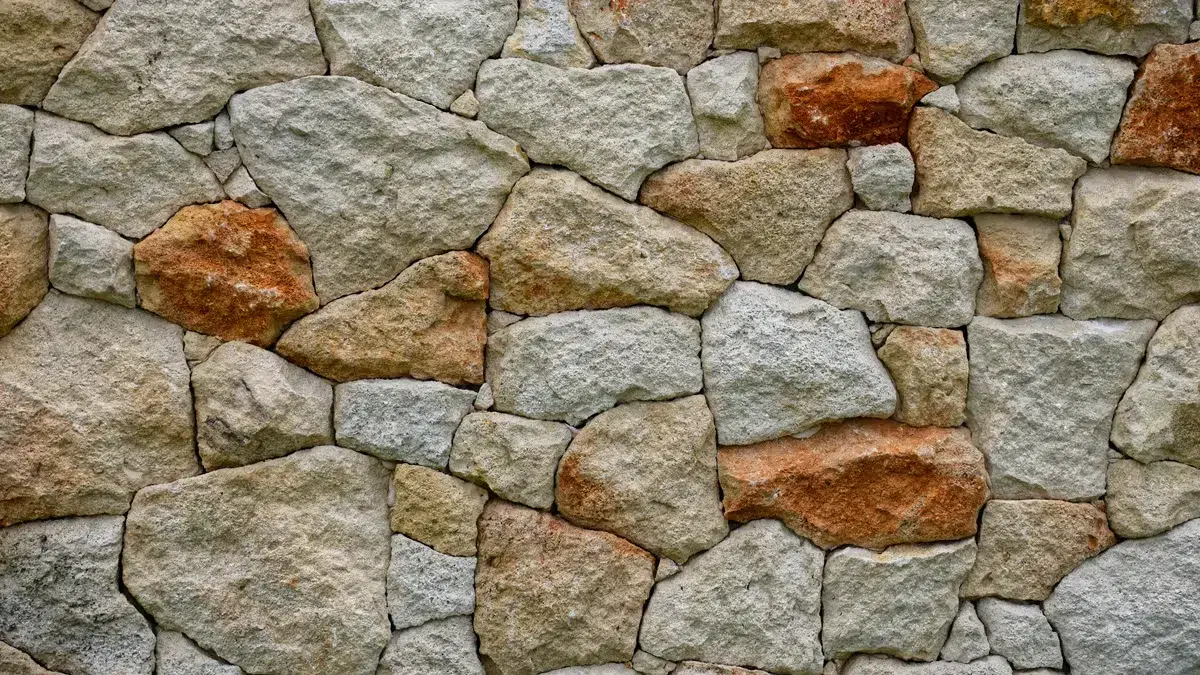
Bamboo
Bamboo is a great choice for eco-friendly wall finishes. This natural material grows quickly, maturing in just 4-5 years. It is sourced sustainably and creates little waste during processing. This makes it a fantastic option for architects like you. Here are some important environmental benefits of using bamboo:
Bamboo captures and stores more CO2 than it releases when made.
It has a renewable harvest cycle, ensuring a steady supply without using up resources.
The low-impact harvesting process uses less energy than traditional timber.
Bamboo’s natural makeup and VOC-free finishes improve indoor air quality.
This makes bamboo not only beautiful but also a top bio-based building material for sustainable projects.
Reclaimed Wood
Reclaimed wood gives a unique look while supporting sustainability. By reusing wood from old buildings, you lower the need for new timber. This helps save forests and cuts down on waste. Reclaimed wood adds charm to your designs, showing the history and skill of the material. You can find many finishes and textures, letting you create beautiful interiors that show your commitment to eco-friendly materials.
Clay
Clay is another excellent natural finish that helps create healthier indoor spaces. It controls humidity, keeping levels in the best 40-60% comfort range. Here are some benefits of using clay in your projects:
Clay absorbs smells and pollutants, making indoor air better.
It helps keep daily temperature changes steady, providing thermal stability.
The hygroscopic nature of clay allows it to soak up and release moisture, improving comfort.
Using clay plaster not only supports sustainable building materials but also creates a breathable structure that benefits everyone inside.
Eco Coatings
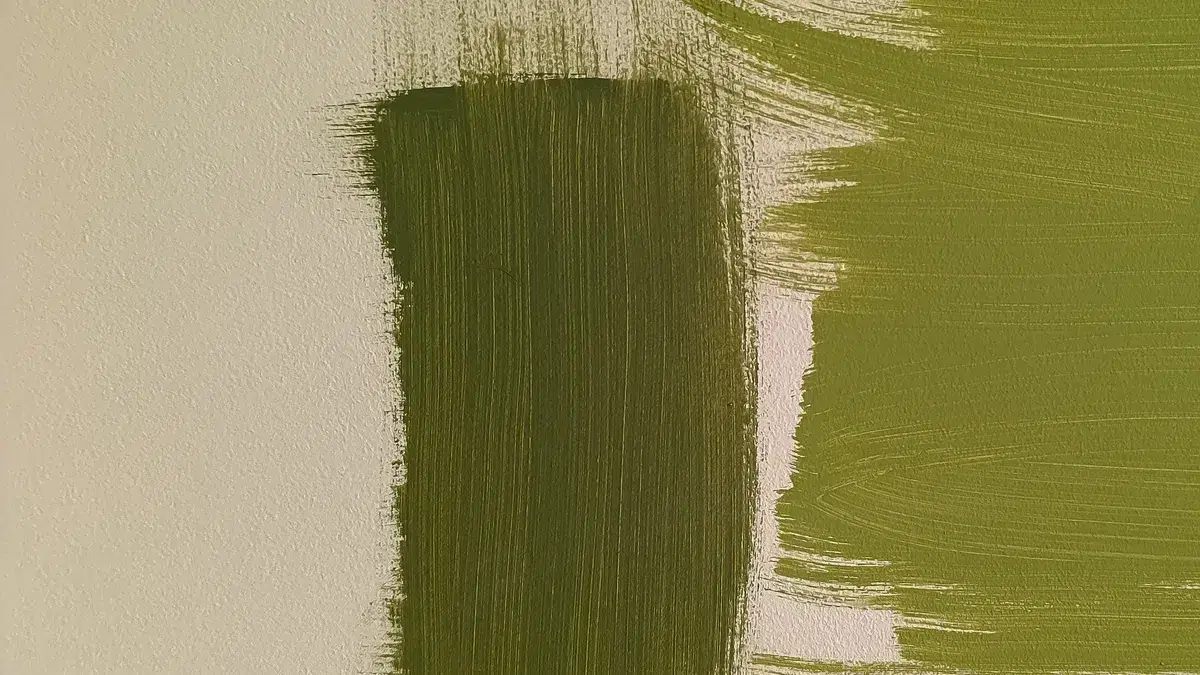
Bio-based Paints
Bio-based paints are a big step forward for eco-friendly wall finishes. These paints come from natural sources like plants, not from oil. This change helps us use less fossil fuel and makes the air inside better. Here are some important ingredients in bio-based paints and how they help:
Ingredient Type | Impact on Indoor Air Quality |
|---|---|
Reduce harmful emissions, improving air quality indoors. | |
VOC-free Acrylic Paints | Work well without harming the environment. |
Bio-based Polymers | Use less fossil fuel and break down better in nature. |
Natural Pigments | Less harmful to the environment than regular pigments. |
By picking bio-based paints, you help create healthier homes and support sustainable building materials.
Limewash
Limewash is a traditional but very sustainable choice for wall finishes. This natural coating has no plastics and very few volatile organic compounds (VOCs). Its ingredients break down easily, which is good for the environment. Here are some benefits of limewash:
Limewash takes in carbon dioxide while it dries, which helps the environment.
It lets moisture escape, which stops problems like dampness and wood decay in old buildings.
The look of limewash adds a special charm to your designs, showing skill and care for the planet.
Using limewash in your projects makes them more beautiful and supports eco-friendly ideas.
Thermal Insulating Coatings
Thermal insulating coatings are important for saving energy in buildings. These coatings create a barrier that keeps heat in or out, making rooms comfy all year. Here are some benefits of using thermal insulating coatings:
They help control temperature and save energy, cutting costs by up to 30% each year.
These coatings lower energy use, which means smaller bills.
They help the planet by reducing carbon emissions, making them key for green building.
By adding thermal insulating coatings to your designs, you improve energy use while supporting eco-friendly wall finishes.
Recycled Materials
Recycled Glass
Recycled glass is a great option for eco-friendly wall finishes. It turns waste into strong building materials. This helps cut down on rubbish in landfills. Here are some key benefits of using recycled glass:
It reduces waste in construction.
PropTech helps track and improve the use of recycled glass, making it more sustainable.
Recycled glass supports a circular economy in building.
Usually, eco-friendly wall finishes contain 15-35% recycled materials. The aim is to raise this to 50% in the future. By choosing recycled glass, you help reach this goal and make your designs look better.
Recycled Metal
Recycled metal is strong and gives a modern look for wall finishes. It needs regular care to last long. Here are some important points to think about:
Metal wall finishes, including recycled metal, last around 20 to 40 years.
Regular checks are needed to see how the façade is doing, especially for older ones.
Common problems include rust, peeling paint, and fading colour, which can affect how they look and work.
Using recycled metal not only gives a stylish finish to your projects but also fits with sustainable building materials, helping the environment.
Recycled Paper Tiles
Recycled paper tiles are a creative choice for wall finishes. These tiles come from used paper, making them a green option. They offer different textures and colours, letting you create attractive spaces. Here are some benefits of using recycled paper tiles:
They are light and easy to put up.
Making them uses less energy than regular tiles.
Recycled paper tiles can be composted when they are no longer needed, cutting down on waste.
Adding recycled paper tiles to your designs shows your commitment to being eco-friendly while giving a creative touch to wall finishes.
Green Wall Systems
Living Walls
Living walls, or vertical gardens, are a cool way to add plants to city areas. They help keep buildings and streets cooler by providing shade and insulation. These walls also collect rainwater, which helps manage water in cities. Here are some important benefits of living walls:
They improve air quality in cities.
They create a natural cooling effect.
They provide homes for wildlife, supporting biodiversity.
They can help reduce stress and improve mental health.
Vertical Gardens
Vertical gardens are great for small spaces in cities. They let you grow plants on walls, making them look green and lively. These gardens clean the air by trapping pollutants at street level. They also help with problems like flooding and overheating. Plants can greatly improve indoor air quality. For example, they take in carbon dioxide and give off oxygen through photosynthesis. They can even remove harmful chemicals from the air, making it better for everyone inside.
Modular Green Wall Systems
Modular green wall systems are flexible and easy for architects to use. These systems have different panels that fit together, giving a more natural look, especially for big projects. They are easier to install than traditional green walls. However, they might not save as much energy, with only 3–6% savings compared to regular systems. This makes them a good choice for eco-friendly designs that still look nice.
Adding green wall systems to your projects makes them more beautiful and helps save energy while reducing harm to the environment.
Sustainable Materials for Commercial Use
Cork
Cork is a great choice for commercial wall finishes. It comes from the bark of cork oak trees, and it does not harm the tree. Cork is very durable, making it perfect for busy areas. Here are some important durability facts for cork wall finishes compared to luxury vinyl tiles (LVT):
Metric | Cork (Classic Cork Collection) | Commercial LVT |
|---|---|---|
Wear class (ISO 10874) | Class 33 commercial / Class 23 domestic | Class 33–43 commercial |
Reference service life (manufacturer) | 15 years commercial / 25 years domestic | 10–15 years before wear-layer failure |
Refurbishment | Surface re-coatable; cork keeps its strength | Wear-layer failure = full replacement |
Cork also helps save energy. It has great thermal insulation, which keeps indoor temperatures comfortable. This means lower energy bills and less carbon footprint.
When you need project support, suppliers usually offer many services. You can get help with product samples, technical details, and compliance papers. Customisation options are available too, so you can pick panel types, installation methods, and finishes that match your design ideas.
Hemp
Hemp is another amazing sustainable material for commercial use. It has many benefits that improve both function and looks. Here are some advantages of using hemp in your projects:
Hemp blocks boost thermal performance while allowing air flow, making indoor spaces healthier.
They work well for different building types, including new builds and renovations, showing their versatility in eco-friendly projects.
The natural ability of hemp blocks to let vapour pass helps reduce condensation risks, making buildings last longer.
Also, hemp is a low-carbon choice compared to traditional materials. It cuts down carbon emissions in construction while improving thermal performance. With an R-value of 2.4 to 4.8 per inch, hemp is better than concrete and regular insulation. Hempcrete allows air flow and cuts the need for chemical fire retardants, improving indoor air quality.
Suppliers of hemp materials often give full project support. You can get technical documents, product samples, and customisation options that fit your needs. This helps you achieve the look you want while sticking to sustainability goals.
Terracotta Cladding
Terracotta cladding combines good looks with useful benefits. This material goes well with many architectural styles because of its warm colours and natural textures. Here are some key benefits of terracotta cladding:
Terracotta panels add a unique look that improves your building’s design.
Their warm colours create a friendly atmosphere, making spaces feel welcoming.
The material can be shaped into detailed designs, allowing for creativity and personal touch.
For functionality, terracotta panels have great thermal insulation. They help keep indoor temperatures steady, leading to lower utility costs and a smaller carbon footprint. Terracotta is durable, resisting weathering, fading, and cracking, so it stays looking good over time.
When working on big commercial projects, suppliers often provide many customisation options. You can choose different panel types, installation methods, and design ideas to enhance looks and brand identity. This flexibility lets you create a unique style while meeting sustainability standards.
Choosing eco-friendly wall finishes is very important for today’s buildings. These materials make places look better and work well. By using green options, you can cut down on energy waste and lower carbon emissions.
Think about trying new finishes like cork, bamboo, and hempcrete. These materials grow back naturally and keep heat in well.
The good effects on the environment and your projects are obvious. Sustainable finishes mean lower upkeep costs and better air quality inside. Use these choices to make spaces that are both nice to look at and good for the planet. 🌍
FAQ
What are eco-friendly wall finishes?
Eco-friendly wall finishes are materials that are good for the environment. They use sustainable resources, create less waste, and help improve indoor air quality. Some examples are bamboo, reclaimed wood, and bio-based paints.
How do I choose sustainable materials for my project?
Think about things like how long they last, how they look, and their impact on the environment. Look for materials that have clear ingredient lists and certifications. Talk to suppliers who can help with your project and offer custom options.
Are recycled materials effective for wall finishes?
Yes, recycled materials like glass, metal, and paper tiles are strong and look good. They help cut down on waste and support a circular economy, making them great choices for eco-friendly architecture.
What benefits do green wall systems offer?
Green wall systems help improve air quality, provide insulation, and support biodiversity. They also make spaces look nice, which is perfect for city areas where there isn’t much greenery.
Can I customise eco-friendly wall finishes?
Yes, you can! Many suppliers let you customise eco-friendly wall finishes. You can choose panel types, colours, and installation methods to fit your design ideas while staying sustainable.
See Also
Utilising Inorganic Seven-Colour Wall Coating For A Sustainable Home
Discovering Inorganic Anion Wall Paint For Healthy Homes In 2025
BANDě: Perfecting Decorative Wall Coating For Gorgeous Walls In 2025
Five Best BANDě Epoxy Wall Coatings For Indoor Spaces In 2025
Ten Top Eco-Friendly Stone Cleaners For A Shining Home In 2025
