


Are you tired of plain walls? Adding texture paint can transform your space into something special! Texture paint not only enhances the visual appeal but also hides imperfections. In this post, you’ll discover various techniques, including texture paint for walls in Indonesia, to create stunning textured walls.
Key Takeaways
Texture paint can transform plain walls into stunning features. It enhances visual appeal and hides imperfections.
Choose the right texture based on your room’s purpose and existing decor. Consider maintenance needs for long-lasting results.
Proper wall preparation is crucial. Clean, repair, and prime your walls before applying texture paint for the best finish.
Texture Paint Types
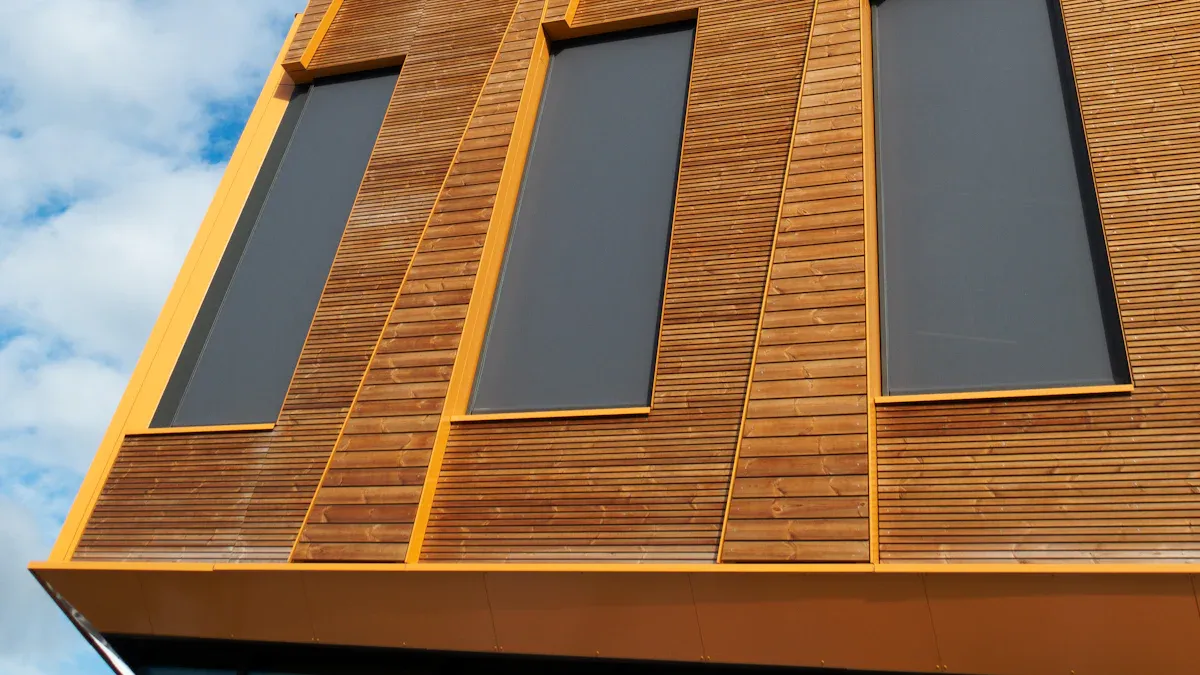
When it comes to adding texture to your walls, you have a variety of options. Each type of texture paint offers unique benefits, allowing you to create the perfect look for your space. Here are some popular wall paint texture types you might consider:
Popular Techniques
Skip Trowel Texture: This technique gives your walls a rustic appearance. You apply a thin layer of plaster with a trowel knife, creating random patterns that add depth and character.
Knockdown Texture: This method involves applying a base coat, letting it dry, and then knocking down the paint at random points. The result is a beautifully textured effect that can suit many styles.
Combing Wall Texture: Using a comb trowel tool, you carve grouped lines at specific angles after applying a primer. This technique creates a unique design that can be quite striking.
Slap Brush Texture: For this technique, you apply a drywall compound and use a special brush to create thin-lined designs. It’s a fun way to add a playful touch to your walls.
Sand Swirl Texture: This design involves applying a sand-mixed primer and creating swirls with your hands or tools. It’s perfect for those who want a more organic look.
These techniques not only enhance the aesthetic appeal of your walls but also help hide imperfections, making them a practical choice for any room.
Choosing the Right Texture
Selecting the right texture paint depends on your personal style and the atmosphere you want to create. Here are some tips to help you decide:
Consider Your Space: Think about the room’s purpose. A cozy living room might benefit from a warm, rustic texture, while a modern kitchen could look great with a sleek, smooth finish.
Match Your Decor: Look at your existing decor. Choose a texture that complements your furniture and color scheme. For instance, a combing wall texture can add elegance to a formal dining area.
Think About Maintenance: Some textures may require more upkeep than others. If you have kids or pets, you might want to opt for a texture that’s easier to clean.
Using texture paint, particularly decorative plaster, offers significant environmental advantages. Many modern plasters are crafted from natural minerals and low-VOC ingredients, which comply with eco-friendly construction standards. This makes them a preferable choice over traditional wallpaper and other finishes, especially for projects prioritizing sustainability.
With these options and tips in mind, you can confidently choose the right texture paint to elevate your walls!
How to Paint Textured Walls
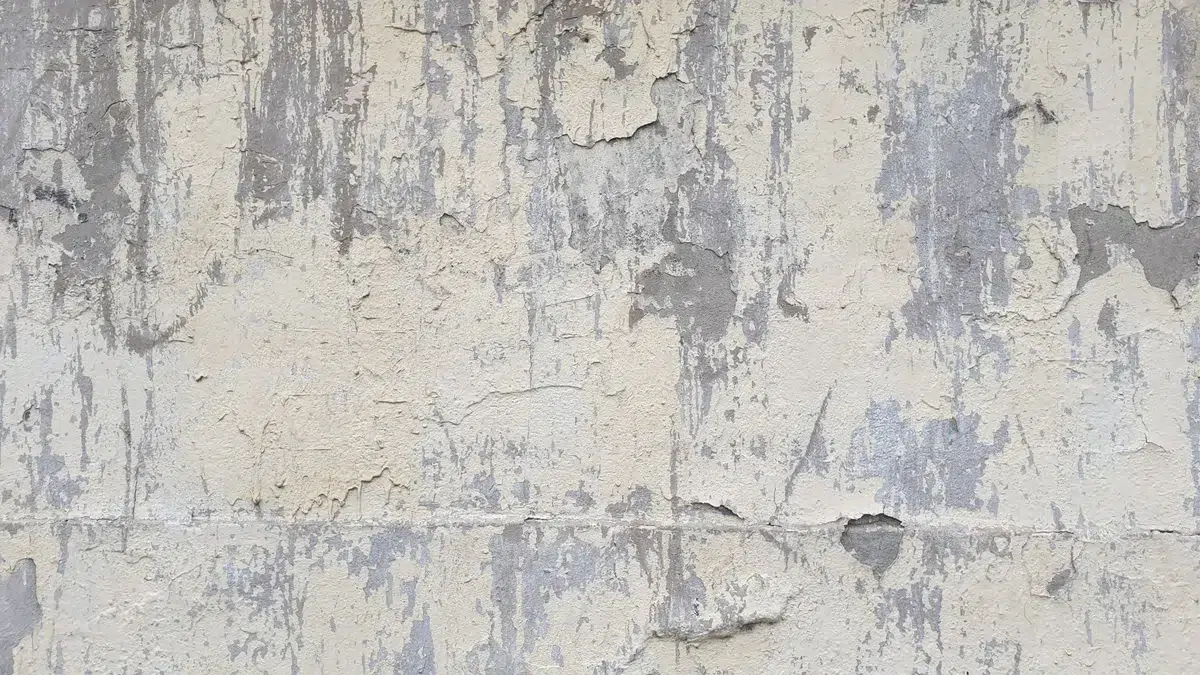
Wall Preparation
Before you dive into painting textured walls, proper preparation is key. You want to ensure that your walls are clean and ready for the texture paint. Here’s how to get started:
Clear the Area: Move furniture and cover the floor with a drop cloth. This protects your belongings from any splatters.
Clean the Walls: Dust and dirt can affect how well the texture paint adheres. Use a damp cloth to wipe down the walls. If there are any stains, consider using a mild detergent.
Repair Imperfections: Fill in any holes or cracks with spackle or joint compound. Sand the area smooth once it dries.
Prime the Walls: Applying a primer helps the texture paint stick better. Choose a primer that suits your wall type. Let it dry completely before moving on.
Tip: Always wear protective gear, like gloves and a mask, when working with paint and primers. Safety first!
Application Steps
Now that your walls are prepped, it’s time to apply the texture paint. Follow these steps for a successful application:
Gather Your Tools: You’ll need a specialty roller, a robust brush, and texture additives. Depending on your chosen technique, you might also want trowels, knockdown knives, stomp brushes, or stippling brushes.
Consider a Texture Sprayer: If you want to speed up the process, a texture sprayer can be a great investment. It allows for quicker application over large areas.
Practice Your Technique: Before you tackle the main wall, practice on a small area, like a closet or a piece of cardboard. This helps you get comfortable with the texture application.
Start Applying the Texture Paint: Use your roller to apply the texture paint evenly across the wall. For techniques like skip trowel or knockdown, use your trowel or knife to create the desired pattern.
Work in Sections: It’s best to work in small sections to maintain a wet edge. This prevents visible lines where the paint has dried.
Let It Dry: Allow the texture paint to dry according to the manufacturer’s instructions. This usually takes a few hours, but it’s best to check.
By following these steps, you’ll learn how to paint textured walls effectively. Enjoy the process and watch your space transform!
Tips for Textured Paint Success
Common Mistakes
When you’re working with textured paint, it’s easy to make a few missteps. Here are some common mistakes to avoid:
Skipping Wall Prep: Always clean your walls before applying texture paint. Dust can ruin your finish.
Not Testing Colors: Test large paint swatches on your textured wall. Different lighting can change how colors appear.
Using the Wrong Tools: Choose the right roller or brush for your technique. A thick nap roller (3/4 inch to 1 inch) works best for textured surfaces.
Rushing the Process: Take your time. Allow each layer to dry completely before applying the next.
Neglecting Edges: Use an edger and a brush for corners. This ensures a clean finish and prevents splatters on baseboards.
Tip: Remove outlet and switch plates before painting. Keep screws organized to make reinstallation easier.
Finishing Touches
Once you’ve applied your textured paint, it’s time for the finishing touches. Here are some techniques to enhance durability and appearance:
Technique | Description | Benefits |
|---|---|---|
Venetian plaster | A polished, marble-like surface made from lime, marble dust, and pigments. | Breathable, durable, eco-friendly, ideal for high-end spaces. |
Skip trowel texture | Hand-applied artistry creating rustic peaks and valleys. | Hides drywall flaws, complements muted colors, artistic yet livable. |
Orange peel texture | Citrus-like surface that diffuses light attractively. | Simple to apply and repair, durable, stylish, recommended for high-traffic areas. |
These finishing techniques not only improve the look of your textured wall but also add to its longevity. With these tips, you’ll know how to paint textured walls like a pro!
You’ve learned some fantastic techniques for texturing your walls! From skip trowel to combing, each method adds character to your space. So, why not give it a shot? 🎨 Share your experiences or ask questions below. Your textured walls await!
FAQ
What is textured paint?
Textured paint adds depth and dimension to your walls. It can hide imperfections and create unique visual effects.
How long does textured paint take to dry?
Drying time varies by type, but most textured paints dry within 2 to 4 hours. Always check the manufacturer’s instructions for specifics.
Can I apply textured paint over existing paint?
Yes, you can apply textured paint over existing paint. Just ensure the surface is clean and properly prepared for the best results.
See Also
BANDě: Transform Your Walls With Decorative Coatings in 2025
Discover Inorganic Anion Wall Paints for Healthy Homes in 2025
Five Best BANDě Epoxy Coatings for Indoor Spaces in 2025
Selecting Ideal Moisture Barriers for Walls and Floors in 2025
Exploring the Chemistry Behind Inorganic Anion Wall Paints in 2025
