


The secret to durable concrete in Malaysia is a concrete densifier. This environmentally friendly liquid hardens concrete surfaces. Traditional concrete often struggles with wear and tear, especially in challenging climates. Utilizing a concrete densifier Malaysia contractors trust offers a superior solution for long-term protection. You must understand this for your property or construction project in Malaysia.
Key Takeaways
Concrete densifiers fill floor pores to prevent water damage, dust growth, and chemical scratches.
Nano-lithium silicate hardeners penetrate deep into concrete to protect floors against high tropical humidity.
Proper floor cleaning and simple damp mopping keep your densified concrete strong for many decades.
Understanding Concrete Densifiers: The Science of Durability
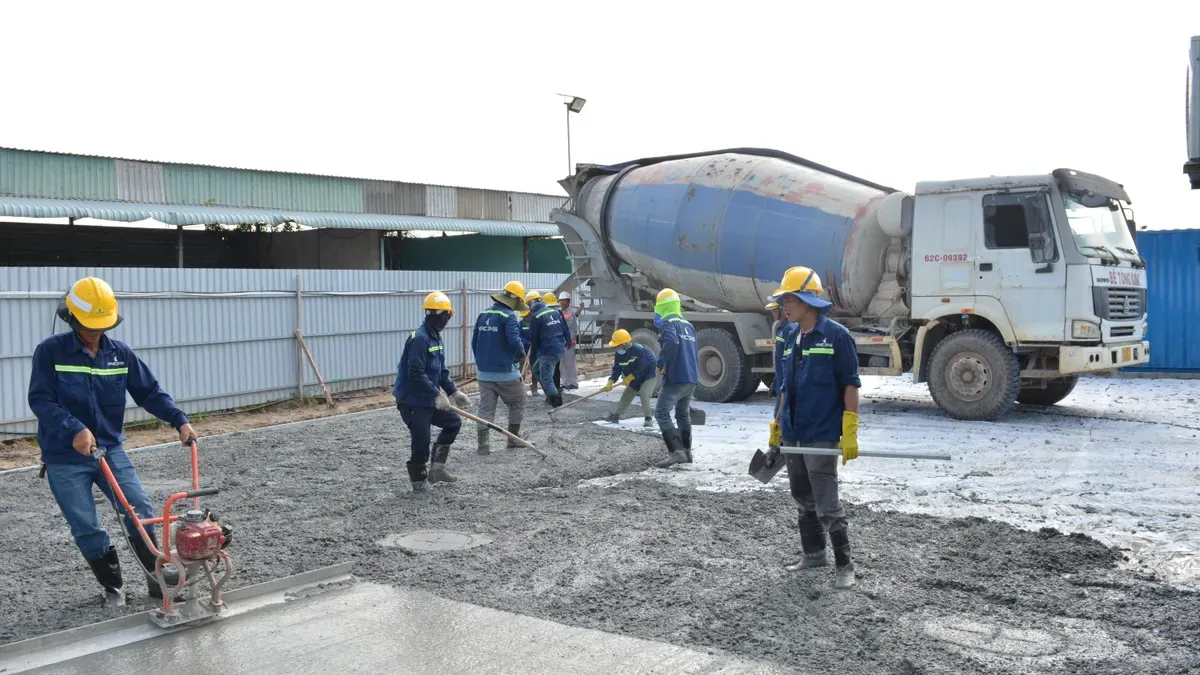
What are Concrete Densifiers?
A concrete densifier is an environmentally friendly, one-component, water-based material. It is highly permeable. This product addresses common issues on existing cementitious surfaces. It fixes problems like sanding, low wear resistance, and weak strength. These issues often arise from poor construction. A concrete densifier offers a solution to these challenges.
How Concrete Densifiers Work
When you apply a concrete densifier, it penetrates the concrete. It activates the cement hydration reaction. This process strengthens the base. Liquid densifiers penetrate the concrete matrix. They engage in a chemical reaction with unhydrated free lime (calcium hydroxide). This generates crystalline formations. Silicate-based solutions interact chemically within the concrete pores. They produce an insoluble compound known as calcium silicate hydrate. This reinforces and hardens the concrete surface. The penetrating densifier chemically binds with free lime particles. It produces insoluble crystalline structures. This process forms calcium silicate hydrate directly inside the open pore network. It increases the overall structural density and hardness of the concrete. This strengthens the base. It increases its hardness. It improves the wear resistance of the floor. After hardening, the concrete floor exhibits enhanced resistance to temperature fluctuations, shrinkage, and aging. These hardeners create a more durable surface.
Key Benefits of Concrete Densifiers in Malaysia
Enhanced Hardness and Abrasion Resistance
Concrete densifiers make your concrete surfaces much stronger. They provide superior resistance against surface scratches. This is vital for areas with heavy machinery or constant foot traffic. Think about a busy factory floor. It endure daily wear. A densified floor resists damage from forklifts and heavy equipment. This protection is crucial for industrial and factory settings. You get a surface that stands up to tough conditions.
Densifiers significantly increase the hardness of your concrete. This makes the floor more durable. Look at how different densifiers improve hardness:
Densifier Type | Post-Treatment Mohs Hardness | Hardness Increase |
|---|---|---|
Lithium Silicate | 7 to 9 | 18% – 25% |
Potassium Silicate | 6 to 7 | Standard improvement |
These hardeners transform your concrete. They create a surface that resists abrasion. This means your floor lasts longer. You avoid costly repairs.
Superior Dustproofing and Moisture Resistance
Concrete densifiers offer excellent dustproofing. They fill the pores within the concrete. This stops dust from forming on the surface. A dust-free environment is healthier. It also reduces cleaning efforts. You will notice less dust accumulating on your floor.
These hardeners also improve moisture resistance. This is very important in Malaysia. Our climate has high humidity and frequent temperature changes. Improved moisture resistance protects your floor from these elements. It prevents water penetration. This helps to avoid issues like efflorescence or mold growth. A concrete densifier Malaysia property owners choose also improves stain resistance. This means spills do not penetrate easily. You get enhanced stain resistance. Your floor stays cleaner and looks better for longer.
Reduced Maintenance and Extended Lifespan
Investing in concrete densifiers saves you money over time. They reduce the need for frequent maintenance. Your floor becomes easier to clean. You spend less on cleaning supplies and labor. The increased hardness and resistance mean fewer repairs. This lowers your overall maintenance costs.
These hardeners extend the lifespan of your concrete. A densified floor resists wear and tear much better. It withstands heavy use. This is true for a warehouse floor or a retail space. You get a durable surface that lasts for many years. This protects your investment. You avoid the expense and disruption of replacing your concrete. Concrete densifiers provide a long-term solution for durable, low-maintenance floors.
Choosing the Right Concrete Densifier for Your Project
You need to select the best product for your specific needs. Choosing the right concrete densifier ensures the best results for your concrete surface. Different types of densifiers offer unique benefits. Consider your project’s environment and requirements carefully.
Types of Concrete Densifiers: Silicates Explained
You will find several types of concrete densifiers on the market. Most are silicate-based. The main types include sodium silicate, potassium silicate, and nano-lithium silicate compounds. Each type has distinct chemical properties. These properties affect how they penetrate and harden your concrete.
Look at the differences between these silicate types:
Silicate Type | Molecular Size & Penetration | Sheen & Reactivity | pH & Efflorescence Impact |
|---|---|---|---|
Sodium Silicate | Largest molecular structure; shallowest penetration | Reacts well with high amounts of free lime; produces lower sheen | Raises concrete pH; forces residual salts/impurities to the surface |
Lithium Silicate | Smallest molecular structure; deepest penetration | Combines well with small amounts of free lime; yields superior sheen | Lower tendency to effloresce; forms a water-insoluble gel |
Potassium Silicate | Larger molecular size; less deep penetration than lithium | Moderate sheen capabilities | Can leave behind alkaline salts; prone to efflorescence |
Lithium silicate densifiers have a smaller molecular size. This allows for deeper penetration into the concrete. This deeper penetration leads to more effective hardening. Lithium silicate also has a lower, water-like viscosity. This low viscosity helps it spread thinner. You get more coverage, often 400 to 600 square feet per gallon. Sodium silicate offers less coverage, typically 200 to 250 square feet per gallon.
Consider how these hardeners handle moisture and efflorescence:
Lithium Silicate: This type becomes water-insoluble when it dries. It does not re-emulsify when moisture touches it. This greatly reduces efflorescence.
Potassium and Sodium Silicate: These types carry a high risk of efflorescence. Residual salt crystallization causes this. You often need a scrub-and-rinse cleanup process.
Also, think about Alkali-Silica Reaction (ASR) impact:
Lithium Silicate: It actively fights surface ASR. It prevents water absorption. It helps maintain floor stability.
Potassium Silicate: This type adds more alkalis into the concrete. This can start or worsen ASR in certain concrete.
Factors for Choosing the Right Concrete Densifier
When you choose a concrete densifier, consider your project’s specific needs. Different concrete densifiers offer various benefits. For industrial settings, you need products that provide robust performance.
Look for these key performance criteria:
Enhanced Strength and Density: Densifiers react with free lime. They create an insoluble gel. This gel fills concrete pores. It lowers porosity. It boosts resistance to daily physical wear.
Dust Suppression: The reaction seals the concrete surface. This stops dusting. It leads to cleaner industrial environments.
Weathering and Freeze-Thaw Resistance: Sealing against liquid entry protects the concrete. It guards against freeze-thaw cycles. It also protects against external environmental damage.
You also want hardeners that offer:
Chemical and Abrasion Protection: They provide better resistance against chemical exposure. They also protect against surface abrasion. This is better than untreated concrete.
Maintenance Efficiency: They make the surface easier to clean. This helps industrial facilities.
Aesthetic Stability: They do not yellow. They remain clear. This helps maintain the visual appearance of your floor over time.
Specific Considerations for Malaysian Conditions
Malaysia’s tropical climate presents unique challenges for concrete. You need a concrete densifier malaysia experts recommend. The high humidity and temperature fluctuations can degrade concrete quickly.
Consider how hardeners address these specific challenges:
High Humidity (exceeding 80%) & Moisture Penetration: High humidity causes water absorption. This leads to concrete expansion. It can cause structural cracks and mold growth. A densifier increases moisture resistance. It creates a protective shield. This stops water ingress, rising dampness, and minor leaks.
Internal Stress & Expansion: This weakens the connection between sub-layers and floor tiles. A densifier keeps the concrete strong and stable. It makes it durable over time.
Combined Heat & Temperature Fluctuations: This speeds up general concrete degradation. It happens under tropical heat. A densifier provides long-term stability and strength. It helps your concrete withstand daily thermal shifts.
Leading paint and chemical manufacturers in Malaysia offer specialized nano-lithium based liquid hardeners. These products are formulated for local conditions. They provide the best protection for your concrete.
Applying Concrete Densifiers: Best Practices
Understanding how to apply concrete densifiers is key. Proper application ensures the best results. You will achieve a durable and long-lasting floor.
Essential Surface Preparation
You must prepare your surface carefully. First, clean the floor thoroughly. Remove all dirt, grease, and old coatings. A clean surface allows the concrete densifier to penetrate deeply. This step is crucial for effective hardening. You want the densifier to react directly with the concrete.
Effective Application Methods
You can apply these hardeners in different ways. Spraying is a common method. You can use a low-pressure sprayer. Ensure you apply the product evenly across the entire floor. You can also use a soft-bristle broom or roller. Work the material into the surface. Make sure the concrete stays wet with the densifier for a specific time. This allows for maximum penetration.
Post-Application Care and Curing
After application, proper care is vital. Foot traffic is permissible after 24 hours. However, full service loading requires a complete curing duration of 28 days. Apply a liquid curing membrane at a coverage rate of 6 m²/liter. Do this approximately 10 minutes after you finish power floating. This helps the concrete cure correctly. You can add an optional second coat of curing membrane within 24 hours. The surface must be dry and free of debris. For anti-slip finishes, a single curing compound application is advised. Ensure uniform application without pooling. Never expose the freshly treated floor to water. Moisture will compromise the quality of the finish. This is especially important for a busy factory floor.
Maintaining Densified Concrete for Lasting Durability
Routine Cleaning and Care
You ensure your densified concrete lasts by following a simple cleaning routine. Regular concrete maintenance keeps your floor looking its best. For general upkeep of densified concrete surfaces, you should use these techniques and solutions:
Regular sweeping or dry mopping to eliminate loose dirt and debris.
Periodic damp mopping utilizing mild or low-intensity chemical cleaners. This simple care prevents dirt buildup. It also preserves the integrity of your treated floor.
When to Reapply Densifiers
Concrete densifiers offer long-term protection. You typically do not need to reapply them often. These hardeners become a permanent part of the concrete. However, extreme wear or specific industrial conditions might warrant a re-evaluation. For example, a heavily trafficked factory floor could show signs of wear after many years. You should inspect your floor periodically. Look for any signs of surface degradation. Consult with a professional if you notice significant wear. They can assess if reapplication is necessary.
Protecting Your Investment Long-Term
You protect your investment by maintaining your densified concrete. Proper care extends the life of your floor. It also ensures continued performance. The initial application of these hardeners provides significant benefits. This includes enhanced durability for your factory floor. You save money on repairs and replacements over time. Consistent cleaning and occasional inspections help you maximize these benefits. This ensures your concrete remains strong and functional for decades.
Concrete densifiers are truly the secret to durable, long-lasting concrete in Malaysia. You gain enhanced strength and reduced maintenance. Consider a concrete densifier a vital investment for any concrete surface. It offers significant long-term cost savings and superior performance. Explore your concrete densifier options today.
FAQ
What is the main benefit of using a concrete densifier?
You get stronger, more durable concrete. It resists wear, dust, and moisture. This extends your floor’s life.
Are concrete densifiers safe for the environment?
Yes, they are environmentally friendly. Most are water-based. They do not release harmful chemicals.
How often do you need to reapply a concrete densifier?
Densifiers become a permanent part of your concrete. You usually do not need to reapply them.
See Also
How To Shield Industrial Floors With The Best Concrete Sealers
Selecting The Top Five Industrial Concrete Floor Hardeners For Durability
Top Concrete Sealer Solutions For Extreme South African Sun Heat
How To Discover The Perfect Concrete Sealer For Your Project
Essential Tips For Selecting High Quality Protective Sealers For Concrete
