

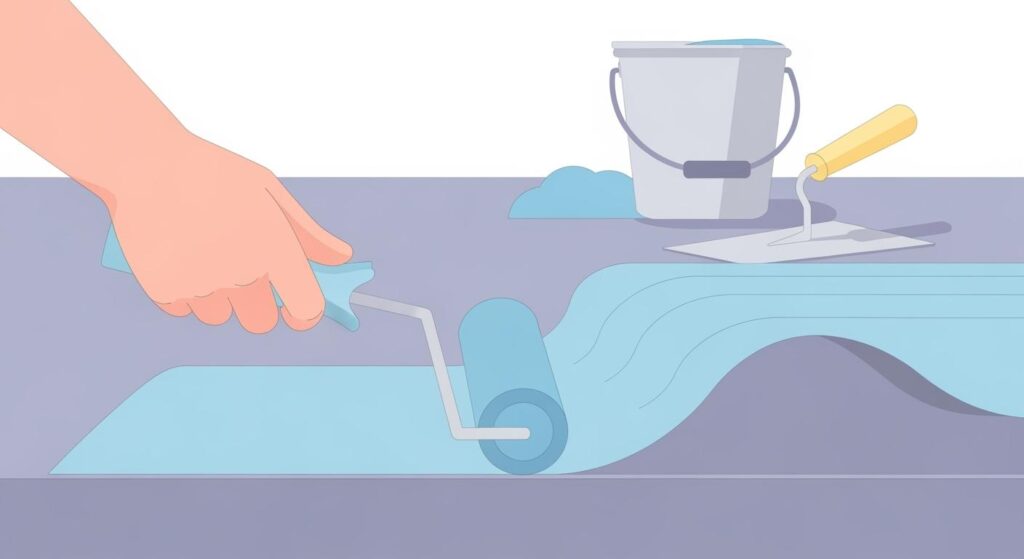
Flexible waterproofing membranes adapt to structural movement. This prevents cracking, a key advantage over rigid alternatives. Proper application is vital for reliable waterproofing. You gain long-lasting protection against water damage. Effective application of your waterproof membrane ensures durability. These flexible membranes prevent costly repairs.
Key Takeaways
Prepare surfaces well before applying flexible waterproofing membranes. Clean and repair all areas. This step ensures strong adhesion and long-lasting protection.
Apply flexible waterproofing membranes carefully. Use correct techniques for liquid or sheet membranes. Pay attention to corners and joints. This creates a strong, waterproof barrier.
Ensure long-term success by proper curing and regular checks. Follow manufacturer instructions. Inspect for damage. This keeps your waterproofing effective for many years.
Preparing for Flexible Waterproofing Membrane Application
Effective waterproofing starts long before you open a can or unroll a sheet. Your success hinges on meticulous preparation. You must ensure the surface is pristine, dry, and fully cured. This crucial first step guarantees optimal adhesion and performance for your flexible waterproofing membrane.
Substrate Assessment and Cleaning
You begin your waterproofing journey by thoroughly assessing the substrate. Look for any existing damage, contaminants, or moisture. A clean surface is non-negotiable for proper adhesion. You need to remove all dirt, dust, grease, oil, loose particles, and any previous coatings that might compromise the bond.
For tough contaminants, you have several effective cleaning agents at your disposal. You can utilize advanced biological products, which employ specific microorganisms like Pseudomonas spp. or Bacillus to break down organic pollutants. These are often combined with sorbent materials. Consider using activated carbon; it is highly effective, affordable, and environmentally friendly. It prevents the leaching of hydrocarbons and heavy metals, significantly reducing oil hydrocarbons. Sapropel, an organic and ecologically pure option, can decrease oil content by 65% in just seven days when crushed and applied. Zeolites, mineral crystals, fix microorganisms, protecting them and providing nutrition, achieving high purification rates even in cold climates.
For an environmentally friendly and highly effective cleaning method, consider dry ice cleaning. This process uses recycled solid carbon dioxide particles accelerated at supersonic speeds. These particles sublimate on impact, removing dirt and contaminants without chemicals or water. This method is non-abrasive, non-conductive, non-flammable, and creates no secondary waste. Proper preparation of the substrate ensures your waterproofing application will last.
Surface Repair and Priming
After cleaning, you must address any imperfections in the substrate. Cracks, holes, and spalls can compromise the integrity of your waterproof membrane. You need to repair these areas thoroughly. For concrete substrates, when you encounter cracks or spalls, consider modern solutions like geopolymer mortar. This material offers excellent bonding strength, especially with a binder-to-sand ratio of 1:2. Geopolymer mortars with various binder-to-sand ratios consistently show better bonding strength than geopolymer paste alone. Repairing these defects creates a smooth, stable surface for the flexible waterproofing membrane.
Once repairs are complete and the surface is dry, you must apply a primer. Priming is a critical step that enhances adhesion between the substrate and the flexible waterproofing membrane. You should select a primer specifically designed for your chosen membrane. For example, if you are using a product like Polyguard 650 WB, you would use its recommended primer. Apply the primer evenly, ensuring full coverage. Allow it to cure according to the manufacturer’s instructions. This careful preparation ensures the best possible foundation for your waterproofing, preventing future issues and guaranteeing a robust, long-lasting barrier.
Applying Your Flexible Waterproof Membrane
You have prepared your substrate meticulously. Now, you are ready for the crucial step: applying your flexible waterproofing membrane. This stage demands precision. Proper application ensures a robust, long-lasting waterproof barrier. You will create a truly watertight surface.
Liquid Membrane Application Techniques
You must stir your liquid-applied membranes thoroughly. This action ensures a consistent mixture. Avoid shaking them. Shaking creates air bubbles. Air bubbles weaken your waterproofing. They compromise the integrity of the waterproof membrane system. You want a smooth, uniform consistency for optimal application.
Begin your application in the challenging areas. Use a brush for corners and edges. This allows for precise control. You achieve excellent coverage in tight spaces. After addressing these intricate areas, switch to a roller for larger surfaces. A roller provides efficient and even distribution of the waterproofing material. You can apply these membranes to both vertical and horizontal surfaces. This versatility makes them ideal for various projects. Consider waterproofing the shower floor with this method. It helps you build a leak-free shower. This waterproofing application creates a seamless, protective layer.
Sheet Membrane Installation
Some waterproofing projects involve a multi-layered approach. You might apply a liquid before laying a sheet. Other times, you simply apply a pre-formed sheet. You can choose from various sheet waterproofing membranes. These include roll-welded or surface waterproofing options. You also find bitumen and bitumen-polymer roofing materials. Polymeric membranes offer another excellent choice. Each type provides reliable waterproofing.
Installing a membrane system requires careful handling. For instance, when installing the shower floor system, you must ensure proper alignment. This prevents gaps. A well-installed waterproof membrane system is essential. It guarantees effective waterproofing. You are building a durable barrier against moisture. This is especially true when waterproofing your shower.
Achieving Effective Coverage and Sealing Joints
Achieving effective coverage is paramount. You need to ensure every inch of the substrate receives the waterproofing application. This creates a continuous, impermeable layer. Pay close attention to sealing joints. This is where water often finds its way in. You must meticulously address waterproofing corners and seams. These areas are vulnerable points.
For sheet membranes, you will use overlapping membrane sheets. This technique creates a continuous seal. Follow the manufacturer’s guidelines for the correct overlap distance. This ensures maximum protection. When installing the shower curb, ensure the membrane extends sufficiently. This prevents water from seeping underneath. Your goal is a completely watertight surface. This comprehensive coverage and careful sealing are vital for successful waterproofing. They ensure your waterproofing efforts provide lasting protection.
Ensuring Long-Term Waterproofing Success
You have applied your flexible waterproofing membranes. Now, you must focus on the final steps. These steps guarantee durable waterproofing. They ensure your hard work provides lasting protection.
Curing and Initial Inspection
Proper curing is essential for your waterproofing success. You must strictly follow the manufacturer’s guidelines for curing times and conditions. These instructions ensure the membrane achieves its full strength and flexibility. Do not rush this process. Premature exposure to traffic or moisture can compromise the membrane’s integrity. After the initial curing period, perform a thorough visual inspection. Look for any areas that appear thin, uneven, or damaged. You must address these imperfections immediately. Roller-applied membranes adhere directly to the substrate. This direct bond prevents water damage, especially in tiled showers. This initial check is crucial for the overall waterproofing application.
Final Quality Checks and Maintenance
Your final quality checks confirm the success of your waterproofing. You need to ensure complete coverage. All joints must be perfectly sealed. Pay close attention to corners and transitions. These areas are common points of failure. Flexible waterproofing membranes, when properly installed, offer long-term performance. Their inherent flexibility allows them to maintain integrity over time. They accommodate minor shifts in the building structure. This contributes to their durability and extended service life. You should also establish a maintenance routine. Regularly inspect the waterproofed areas for any signs of wear or damage. Promptly repair any issues you find. This proactive approach ensures the continued success of your waterproofing system. It protects your investment for years to come.
You ensure durable waterproofing with effective flexible waterproofing membrane application. You mastered meticulous preparation, precise techniques, and diligent post-application care. Adhering to manufacturer’s guidelines and installation guidelines is crucial. These installation guidelines create a reliable waterproof membrane. Following manufacturer’s guidelines and best practices, these installation guidelines prevent future water damage and costly repairs.
FAQ
What are common mistakes when applying flexible membranes?
You often skip surface preparation. You ignore manufacturer guidelines. You apply too thin a coat. These mistakes compromise waterproofing. Always follow the application guidelines. These guidelines protect your investment.
Why are manufacturer guidelines so important?
Manufacturer guidelines ensure proper adhesion. They guarantee membrane performance. You achieve lasting protection. Adhering to these guidelines prevents costly failures. Trust the product guidelines. These guidelines are your best resource.
When should I hire a professional for waterproofing?
You should hire a professional for complex projects. You need expert advice. You lack experience. Professionals follow strict guidelines. They ensure proper application. Follow their project guidelines.
See Also
Choosing the Ideal Flexible Waterproof Sealer for Diverse Construction Endeavors
BANDě’s Expert Guide: Selecting Superior Flexible Waterproof Sealants Effectively
Essential Homeowner’s Guide: Top Flexible Waterproof Sealers for Residential Applications
Achieving Flawless Waterproof Coating Application Across Various Surface Types
Understanding Rigid Waterproofing Sealers: Their Functionality and Practical Applications
