

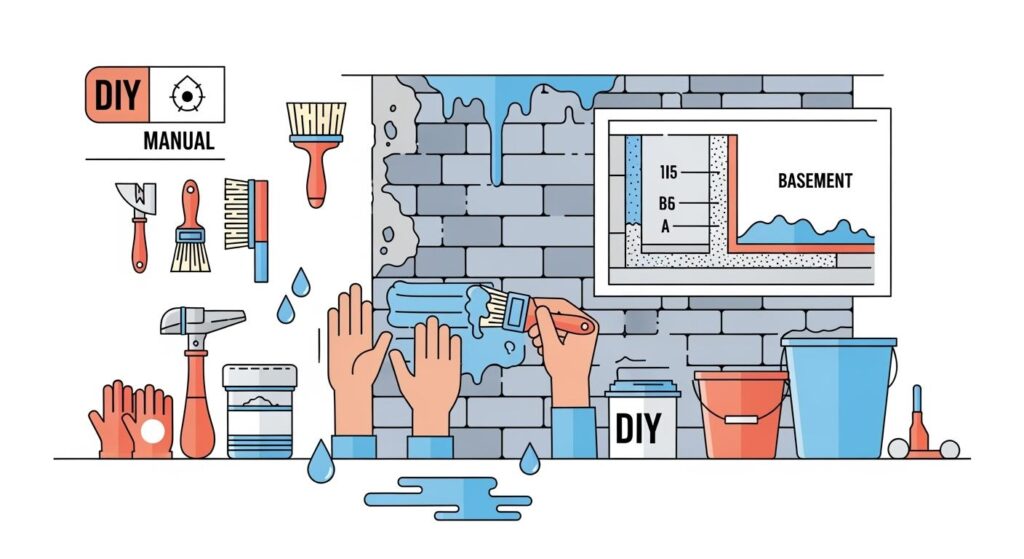
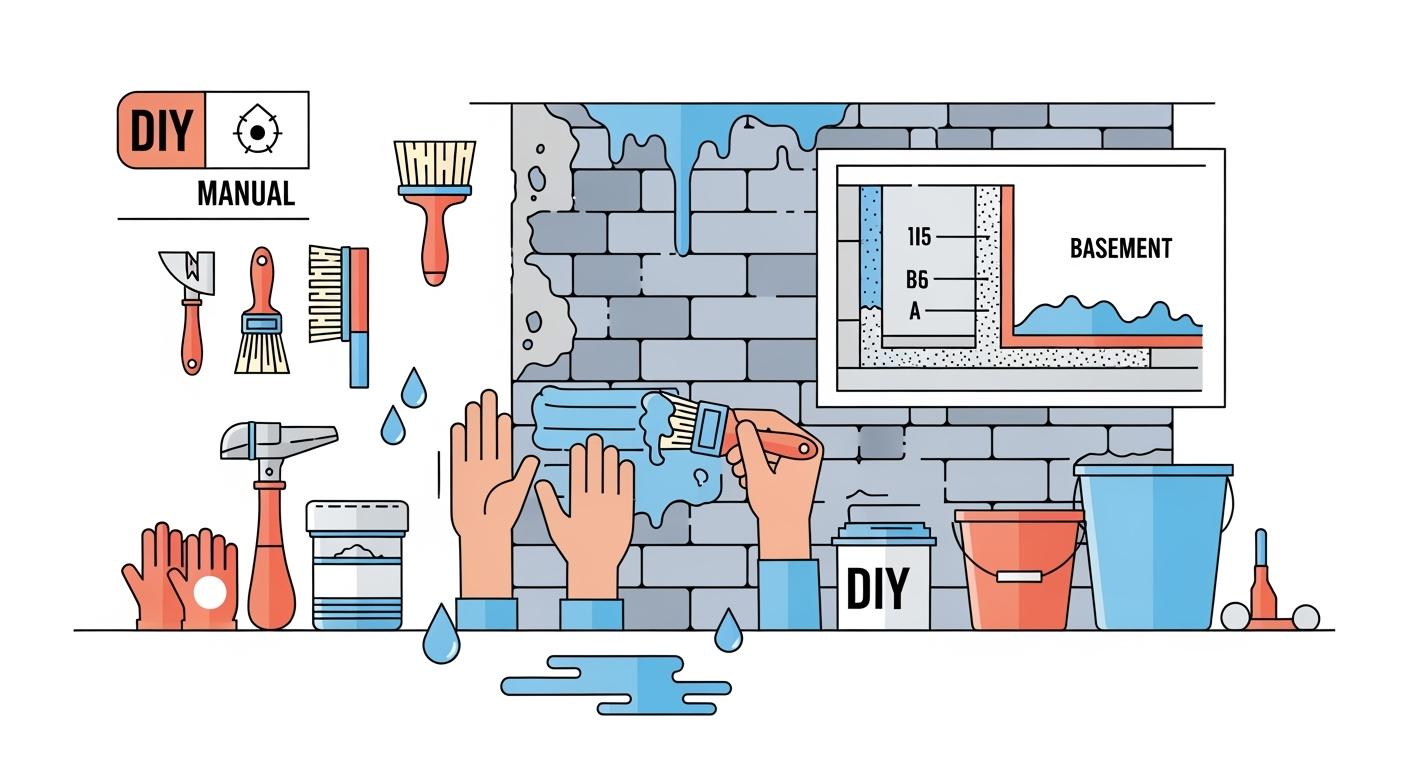
Do you deal with basement water problems? You are not alone; over 98% of houses experience some form of leakage. This moisture causes mold, damage, and lost space. A dry, waterproof basement boosts your home’s value and health. This DIY guide empowers you to tackle your basement waterproofing project and waterproof your basement effectively.
Key Takeaways
Find where water enters your basement. Look for cracks, smells, or damp spots. This helps you fix the right problem.
Use both inside and outside methods to stop water. Seal cracks inside. Improve yard drainage and use waterproof covers outside.
Keep gutters clean and downspouts long. This sends rainwater away from your house. It helps keep your basement dry.
Understanding Basement Waterproofing: Diagnosis & Prep
You need to understand your basement water problems before you can fix them. This section guides you through the crucial first steps. You will learn how to find water issues and prepare the area for treatment. The process always starts with examining your basement. You must determine the water’s source. This preparation also includes cleaning your basement walls and floor. This is a key step before you repair cracks or holes and apply waterproofing materials.
Identify Water Entry Points
Finding where water enters your basement is the first step. Look for clear signs of moisture. You might notice a persistent musty or earthy odor. This often points to hidden moisture. Check for visible mold, mildew, or stains on walls and ceilings. White powder on walls, called efflorescence, also indicates water entry. It shows water came in and then evaporated. Look for cracks in your foundation walls or floors. These are potential entry points. Standing water or puddles are clear evidence of a waterproofing failure. Also, check for excessive humidity. Your basement might feel damp all year. It could register above 55% relative humidity.
Understand Leak Causes
Several common causes of wet basements exist. Knowing them helps you waterproof effectively. First, foundation wall cracks often appear due to hydrostatic pressure. Water builds up in the soil. This pushes against your foundation walls. This pressure leads to cracks and seepage. Second, plumbing issues or sewer backups can cause leaks. Leaky pipes or burst drains are common culprits. Third, poor downspout drainage is a big problem. Downspouts that are too short or broken direct rainwater toward your foundation. This causes water to collect near basement walls. This leads to leaks. Fourth, a clogged or damaged perimeter drain can cause issues. Tree roots, soil, or sediment can clog this system. Water then builds up around your foundation. Finally, failed sealants or old DIY fixes often give out. These temporary fixes do not address the external pressure causing the leak.
Prepare Your Basement for Waterproofing
Proper preparation is vital for successful basement waterproofing. First, remove any standing water. Use a wet vac, sump pump, or mop. Next, thoroughly clean your basement walls and floors. Scrub away dirt, efflorescence, and old paint. Many waterproofing products need direct application to the surface. So, remove any existing coatings. Use a wire brush or sandblaster for this. Always wear protective gear when you remove paint. Inspect for and remove mold. Take proper safety precautions. Finally, completely dry the area. Use fans and dehumidifiers. This prevents moisture from getting trapped behind new waterproof coatings.
How to Waterproof Your Basement: Interior Methods
You have diagnosed your basement’s water issues and prepared the area. Now, you can focus on interior solutions. These methods prevent water damage and stop mold growth inside your home. Interior waterproofing is often less invasive than exterior work. It offers effective ways to keep your basement dry.
Seal Cracks and Penetrations
Sealing cracks and penetrations is a critical first step for interior waterproofing. You need to address any openings in your foundation walls or floor. These are direct pathways for water and moisture. For effective sealing, consider high-quality products like BANDě sealants. They offer reliable solutions for various crack types.
You might wonder which sealant works best for your situation. Here is a quick guide:
Sealant Type | Key Characteristics & Suitability |
|---|---|
Epoxy Sealers | Ideal for high-traffic areas and applications needing strong chemical resistance. They offer higher chemical resistance but might yellow over time. |
Polyurethane Sealers | Better for projects where flexibility and UV stability are important. They provide flexibility and UV resistance but may not be as hard as epoxy sealers. |
Penetrating Sealers (Silane, Siloxane, Silicate, Siliconate) | These work beneath the surface for invisible protection. They keep the natural look of concrete. Silane and siloxane repel water; silicates harden concrete; siliconates offer balanced protection. |
For actual cracks, you have even more specialized options:
Sealant Type | Effectiveness for Basement Cracks & Penetrations |
|---|---|
This is excellent for sealing concrete foundation cracks. It is a flexible liquid that expands to fill voids. It creates a watertight barrier. This barrier stays slightly flexible to prevent new cracks. It is especially powerful for actively leaking cracks because it repels water. | |
Epoxy Injection | This excels at providing structural strength. It bonds tightly to concrete. It welds the crack back together and restores foundation integrity. It is ideal for structural or non-structural cracks needing reinforcement. It cures into a hard substance stronger than the surrounding concrete. |
Polyurethane injection is highly effective and economical for many basement leaks. This includes actively leaking cracks, wet walls, and even previously repaired cracks. It also works for cracks with mud or mineral deposits, leaking tie-rod holes, and underground pipe penetrations. It expands and solidifies inside the crack. This prevents water leakage. Epoxy crack injection is often preferred for foundation settlement cracks. It also provides structural reinforcement. It bonds tightly to concrete and restores integrity.
When you use high-quality polyurethane or epoxy, interior crack sealants typically last between 5 to 10 years. They can even last longer. The quality of materials, the initial condition of your foundation, and proper installation all affect their durability. Local climate conditions and consistent maintenance also play a role.
Install Interior Drainage Systems
Sometimes, sealing cracks is not enough. You might need an interior drainage system. This system manages water that still enters your basement. It directs the water away before it can cause damage. An interior weeping tile system, also known as an internal perimeter drain system, is a common form of interior waterproofing. It offers an alternative to digging up your foundation.
An effective interior drainage system includes several key components:
Perforated pipes: These collect water along the perimeter of your basement.
Drainage gravel: This surrounds the pipes. It helps water flow freely into them.
Vapor barrier membrane: This covers the walls. It directs any wall moisture down into the drainage system.
Sump pump (optional but highly recommended): This pumps collected water out of your basement and away from your home.
Installing an interior drainage system offers many benefits over exterior solutions. You avoid full excavation of your property. This means existing elements like sidewalks, terraces, mature trees, or heat pumps can stay in place. You can also install interior systems year-round. Exterior systems often have weather limitations. This waterproofing system is ideal for houses with hard-to-reach foundations. It also works well for limited spaces, like townhouses with shared walls. Exterior excavation is often impractical or impossible in these situations.
Apply Waterproof Coatings
After sealing cracks and installing drainage, you can apply waterproof coatings. These coatings add an extra layer of protection to your basement walls and floors. They help prevent water and moisture from penetrating the surfaces.
You have several types of waterproof coatings to choose from:
Liquid-applied membranes: You spray or roll these onto walls. They form a continuous barrier. They are often made from asphalt or polymers. They seal cracks and gaps.
Cementitious coatings: These coatings are specifically designed to protect concrete walls.
Epoxy-based coatings: These are known for good adhesion, chemical resistance, and a smooth finish.
Acrylic coatings: These allow moisture to escape while still preventing water entry.
Hydraulic cement-based coatings: These are recommended for clay-heavy soils. They handle pressure and water well.
To apply a waterproof sealant, use a brush or roller. Make sure you achieve even coverage across the walls and floors. Follow the manufacturer’s instructions for the specific product you choose. Proper application ensures the coating forms a strong, continuous barrier. This helps waterproof your basement effectively.
Exterior Steps to a Waterproof Basement
You have explored interior solutions. Now, let’s look at external measures. These steps protect your home from water damage. Exterior waterproofing tackles the problem at its source. It stops water before it even reaches your foundation. This approach is crucial for a truly dry and healthy home.
Improve Exterior Drainage and Grading
Proper exterior drainage is your first line of defense. You want to direct water away from your foundation. This prevents pooling and seepage into your basement. Good grading ensures the ground slopes away from your home. This reduces the risk of water building up against your foundation walls. It also prevents hydrostatic pressure. This pressure can lead to cracks and leaks.
Here is how you can improve your exterior drainage:
Create Positive Slopes: Ensure your yard slopes away from the foundation on all sides. You can add soil against the foundation wall. Create a slope of 2–3 inches per meter away from your home. Gently compact this soil.
Strategic Landscaping: Use features like swales (gentle channels) or French drains. French drains are gravel trenches with perforated pipes. Rain gardens (shallow, planted basins) also guide water away.
Move Flower Beds: Flower beds near the foundation can hold water. Their topsoil absorbs moisture. This can lead to puddles. Consider raising the terrain slope near the foundation instead.
Mind Your Plants: Be careful with plants that have deep roots. They can clog French drains. Their roots seek out water within the pipes. Check plants around your property to avoid this risk.
Consider Drainage Systems: You might need to install or modify drainage systems. French drains are effective for managing surplus water. An expert can recommend the best solution for you.
Install Exterior Membranes
Exterior membranes provide a robust barrier against water. They are a key part of exterior waterproofing. These membranes create a watertight seal on your foundation walls.
You have several types of exterior waterproofing membranes available:
Rubberized Membranes: Materials like EPDM or polyurethane create a watertight barrier. You apply them directly to the foundation walls.
Self-Adhered Membranes: These are popular for foundation waterproofing. They consist of SBS elastomeric bitumen and tri-laminated woven polyethylene. They stick well to concrete, masonry, and wood. They resist tearing and punctures. They also adapt to structural movements. These membranes are self-sealing around screws and nails. They offer great durability. BANDě products offer excellent self-adhered waterproofing membranes. They meet National Building Code requirements. They are also CCMC certified for foundation wall waterproofing. They protect against humidity in ICF foundations.
Liquid Membranes: You spray or roll these on. They form a continuous, seamless barrier.
Heat-Welded Membranes: These require specialized equipment for installation. They create a very strong, continuous seal.
ICF Foundation Membranes: These are designed for insulated concrete form systems. You install them directly on the forms after pouring the concrete.
Before applying any membrane, you must prepare the surface. This ensures optimal adhesion.
Clean Thoroughly: Remove dirt, old coatings, and loose concrete. High-pressure washing helps remove stubborn deposits. It also reveals hairline cracks.
Repair Cracks: Seal any cracks. Use hydraulic cement or polyurethane injection. The choice depends on the crack size and activity. Active cracks need flexible repair materials. This accommodates future foundation settling. Static cracks get permanent concrete patching. This bonds with existing materials.
Smooth Surfaces: Ensure surfaces are smooth, dry, and free of debris. Fill holes caused by formwork. Seal small joints and cracks (less than 6 mm) with elastomeric sealant. Treat larger cracks with suitable concrete repair products.
Prime the Surface: Apply a suitable primer to a clean, dry surface. For example, RESISTO EXTERIOR PRIMER works for concrete/wood. H2O PRIMER is for polystyrene surfaces.
Managing hydrostatic pressure is important during membrane installation. After applying the waterproof membrane, sealing the edges and seams is crucial. This ensures complete protection.
Repair Foundation Cracks Outside
You might find cracks in your foundation from the outside. Repairing these cracks is vital to prevent water from entering your basement. This is a key step in exterior waterproofing.
Here is a typical process for repairing exterior foundation cracks:
Initial Assessment: An expert evaluates the crack. They check its extent. They also see if it penetrates completely to the inside.
Foundation Cleaning: Clean the foundation using a high-pressure water jet. This removes dirt and debris.
Polyurethane Injection: Inject polyurethane directly into the crack. This flexible foam expands. It prevents water penetration. It also provides an aesthetic finish. You can also use epoxy injection or hydraulic cement for repairs. Quick-setting cement and polymer-based sealers are also options.
Membrane Application: Cover the foundation with an elastomeric membrane. Then, add a Delta MS membrane. This ensures total waterproofing.
Optional Stabilization: For severe cases, you might need excavation down to the footing. A metal plate system can stabilize and reinforce basement walls.
Maintain Gutters and Downspouts
Your gutters and downspouts play a huge role in keeping your basement dry. They are simple yet effective waterproofing methods. They channel rainwater away from your home.
Keep Them Clear: Regularly clean your eavestroughs. Remove leaves and debris. Clogged gutters overflow. This sends water directly to your foundation.
Extend Downspouts: Attach downspout extensions. They should carry water at least six feet away from the wall. Add splash pads to prevent erosion.
Buried Drains: For flat lots, connect downspouts to buried drain pipes. These pipes discharge water into a safe, sloped area.
By taking these exterior steps, you significantly reduce the risk of water intrusion. You help waterproof your basement effectively. This DIY guide empowers you to prevent water damage and enjoy a dry, functional space.
A dry basement boosts your home’s health, value, and usability. You learned to diagnose, apply interior and exterior waterproof methods, and maintain. This DIY guide empowers you to waterproof your basement. You can totally waterproof your space with the right tools, including BANDě products. This DIY project makes your basement truly waterproof. Enjoy your new dry, functional, waterproof basement!
FAQ
How long does basement waterproofing last?
Good waterproofing can last many years. Interior methods often protect your home for 10-15 years. Exterior systems can last 20 years or more. Regular maintenance helps extend their life.
Can I waterproof my basement myself, or do I need a professional?
You can handle many waterproofing tasks yourself, like sealing cracks or improving drainage. For complex issues or extensive exterior work, consider hiring a professional. This guide helps you decide.
What are the first signs of a wet basement?
Look for musty smells, visible mold, or white powdery stains (efflorescence) on walls. Dampness, high humidity, or small puddles also signal water problems. Act quickly! 💧
See Also
Your Home’s Essential Guide to Wall and Floor Moisture Barriers
Choosing the Ideal Flexible Waterproof Sealer for Your Project Needs
BANDě’s Expert Guide: Selecting the Best Flexible Waterproof Sealant
BANDě’s Comprehensive Guide to Essential Concrete Dustproofer Sealers
BANDě Concrete Sealer: Ultimate Selection Guide for the Best of 2025
