

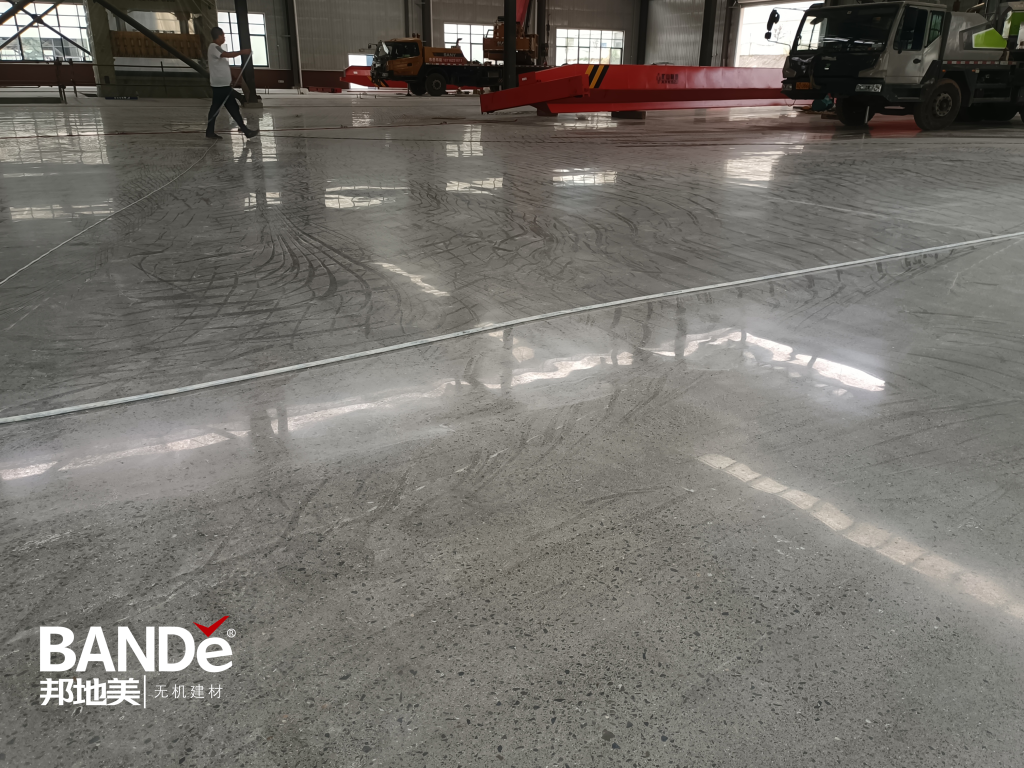
You’ve likely encountered terms like concrete densifiers, hardeners, and concrete sealers, often used interchangeably. But do you truly grasp their distinct roles? Many people don’t! Understanding these differences is crucial for your project’s success and the enhanced longevity of your concrete surfaces. This BANDě guide simplifies your selection process for 2025, ensuring you choose the optimal concrete treatment. You’ll discover the many benefits, from enhanced durability to superior appearance and long-term quality, that come with the right concrete densifier hardener. The market for concrete densifiers is rapidly growing, and correctly applying concrete sealers is just as vital. You will see the clear benefits of using a densifier for your concrete.
Key Takeaways
Concrete densifiers make concrete stronger and harder. They fill tiny gaps inside the concrete. This helps stop dust and makes the surface last longer.
Concrete hardeners make the surface of concrete stronger. They help it resist wear and tear. Many densifiers also work as hardeners.
Concrete sealers protect the surface from stains and damage. They form a layer on top or soak into the concrete. Sealers are different from densifiers and hardeners.
Choose the right product for your project. Think about the concrete’s condition, where it is, and what you want it to look like. This saves money and makes your concrete last.
Proper cleaning and application are very important. Clean the concrete well before you start. Apply the product evenly. This helps the treatment work best and last a long time.
Densifiers, Hardeners, Sealers: Key Differences
Understanding the specific roles of different concrete treatments helps you make the best choices for your projects. Let’s break down what each product does.
What is a Concrete Densifier
A concrete densifier is a liquid solution you apply to concrete surfaces. It penetrates the concrete and reacts chemically with components like free lime and calcium hydroxide. This reaction creates additional cementitious compounds. Think of it like filling tiny gaps within the concrete. This process fills pores and increases density. The result? You get a much harder, denser surface. Common chemical compositions include sodium silicate, potassium silicate, lithium silicate, and colloidal silica. These chemicals work to reduce dusting and enhance abrasion resistance, offering significant benefits of using a densifier.
What is a Concrete Hardener
Often, the terms “densifier” and “hardener” are used interchangeably because many densifiers also act as hardeners. A concrete hardener primarily focuses on improving surface strength. These liquid solutions, often aqueous silicate solutions like lithium silicate, sodium silicate, or siliconate-based compounds, react with calcium hydroxide in the concrete. This reaction forms Calcium Silicate Hydrate (C-S-H) gel. This gel fills the concrete’s pore spaces, reducing porosity and strengthening the structure. This process makes the concrete more durable and resistant to wear, effectively eliminating dusting.
What is a Concrete Sealer
Concrete sealers are different. They create a protective barrier on or within the concrete surface. Their main job is surface protection. They shield your concrete from damage, corrosion, and staining. You have two main types: topical sealers and penetrating sealers. Topical sealers form a film on top, offering visual enhancement and protection from stains. Penetrating concrete sealers, on the other hand, bond within the concrete, providing moisture protection without changing the appearance much. These protective qualities are crucial for long-term concrete health.
Why Distinctions Matter for Your Project
Knowing the difference between these types of concrete treatments is vital. If you want to increase the internal strength and density of your concrete, you need a concrete densifier. If you’re looking for external surface protection against spills and weather, you need concrete sealers. Choosing the right product ensures you get the specific benefits you need, saving you time and money in the long run.
Choosing the Right Densifier for Your Project
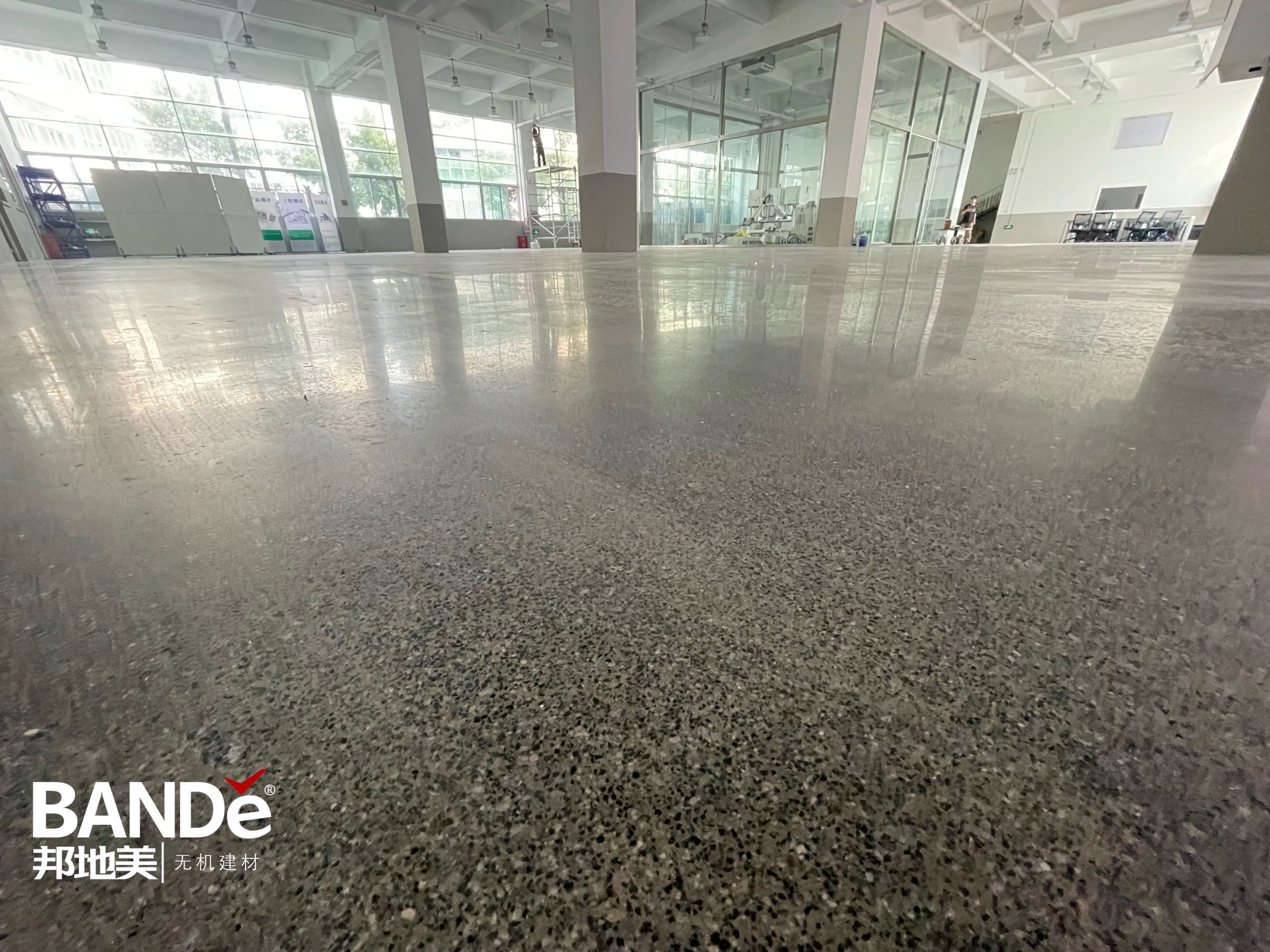
Selecting the right densifier for your concrete project feels like a big decision. You want to make sure you pick the right densifier to get the best results. This section helps you navigate the choices. You will consider your concrete’s specific needs and environment. For complex projects, always consult with experts. They offer invaluable advice.
Concrete Condition Assessment
Before you apply any product, you must understand your concrete’s current state. How old is it? What kind of wear has it seen? You need to assess its porosity and hardness. A common method involves using a Mohs hardness pick. This tool measures mineral hardness. You can classify your concrete as soft, medium, or hard. This assessment is especially useful when you densify concrete in the 200- to 400-grit range. Knowing your concrete’s hardness helps you determine the next steps in the densifier application process. This quick check ensures you choose the right densifier for optimal penetration and reaction.
Project Environment & Traffic
Consider where your concrete is located. Is it indoors or outdoors? What kind of traffic will it endure? For high-traffic environments, like industrial warehouses, you need a robust solution. Sodium silicate is often recommended here. It offers deep penetration and high wear resistance. It also produces a matte finish. For low-traffic residential areas, potassium silicate is a good choice. It provides balanced penetration and durability without a high-gloss finish. If you want a high sheen for light commercial or residential floors, lithium silicate works well. However, remember it offers shallower penetration. Think about your protection needs. Do you have high humidity levels? This also influences your choice of the right densifier.
Desired Finish & Performance
What do you want your concrete to look like? Do you envision a highly polished concrete floor? Or do you prefer a natural, matte appearance? Your desired finish plays a huge role in selecting the right densifier. Some densifiers enhance the natural look. Others prepare the surface for a beautiful, polished finish. You also need to consider performance. Do you need maximum abrasion resistance? Or is dustproofing your main goal? The right densifier will meet these specific performance criteria.
Budget & Long-Term Value
Budget is always a factor. However, focusing only on the initial cost can be misleading. Consider the long-term value. A higher-quality product might cost more upfront. But it often provides superior durability and reduces maintenance needs over time. This means greater savings in the long run. Look for quality product criteria. These include ease of application, longevity, and environmental impact. Investing in the right densifier now prevents costly repairs later. This is one of the key benefits of using a densifier.
Project Type: [Residential, Commercial, Industrial]
Your project type heavily influences your choice. Residential projects might prioritize aesthetics and ease of maintenance. Commercial spaces demand durability and a professional appearance. Industrial settings require extreme wear resistance and chemical protection. Each type has unique demands. For example, a residential garage might need a different concrete densifier than a busy factory floor. Always match the product to the specific demands of your project. This ensures you pick the right densifier. These are your top product considerations for a successful outcome.
BANDě’s Concrete Densifier Hardener Options
You have many choices when you pick a concrete densifier hardener. BANDě offers a range of options, each with unique benefits. We incorporate the latest 2025 innovations into our products. You will find the perfect solution for your project.
Lithium-Based Densifiers: Modern Choice
Lithium-based densifiers are a top modern choice. They offer excellent performance. These products, like BANDě’s SurfaceTreat CD80 or Armor L3000, increase the abrasion resistance of most concrete surfaces. The concrete becomes stronger and denser after it dries. It does not usually change the overall look of your surface. The densifier becomes a part of the treated surface. This prevents peeling or delamination.
Lithium densifiers have a low viscosity, meaning they flow easily. They are water-based and have zero VOCs (Volatile Organic Compounds). This makes them an eco-friendly option. They improve durability by resisting freeze-thaw effects. They also reduce efflorescence and dusting. You can expect a cure time of about 24 hours for maximum benefits.
When you apply a lithium densifier, you should saturate the surface without creating puddles. One gallon typically covers 100 to 400 square feet, depending on how absorbent your concrete is. Products like LIQUI-HARD and C2 Super Hard are also great examples of lithium silicates. They are low odor, non-yellowing, and bond directly to the concrete. They effectively lock in concrete dyes and improve scratch resistance. These densifiers penetrate deeply and react quickly. They can even shorten the time it takes to polish concrete. You can use them as part of a low VOC concrete polishing system.
For application, you can use them full strength or dilute them 1:1 with water. This depends on your concrete’s age and porosity. You can apply them with a brush, roller, spray, or mop. Make sure to spread any excess material before it dries to avoid salt formation. Your concrete should be at least 7 days old, but 28 days is best for full dryness and absorbency.
Sodium & Potassium Silicates: Deep Penetration
Sodium and potassium silicates are traditional choices for concrete densifiers. They offer deep penetration. These densifiers are compounds of silicon and many mineral salts. For example, sodium silicate molecules are 38 percent sodium by weight. They leave behind mineral salts when they release silica to form CSH. This means you cannot apply them during concrete placement. You should apply sodium silicates after 28 days. You must thoroughly scrub them off to prevent hard, discolored deposits from forming.
Type of Densifier | Description | Applications |
|---|---|---|
Sodium Silicate | Basic and affordable option, reacts with concrete to create CSH, suitable for light to medium-duty applications. | Interior and exterior surfaces in light to medium-duty settings. |
Potassium Silicate | Higher level of performance, more reactive and deeper penetration, suitable for medium to heavy-duty applications. | Interior and exterior surfaces in medium to heavy-duty environments. |
Sodium silicates work well for large warehouse applications that are not “architectural.” Potassium silicates are better for architectural floors that are gray or integrally colored and will be polished.
To apply these silicates, you need to prepare the surface first. It must be clean and free of dirt. Then, you apply the densifier evenly. You can use a low-pressure sprayer or a mop. Let it penetrate for 20-30 minutes, keeping the surface wet. After penetration, remove any excess material with a squeegee or wet vacuum. This prevents residue. The floor needs to cure for 24-48 hours. Avoid heavy traffic or water during this time. You can then choose to polish or seal the floor.
You should flood the floor with the silicate for at least 30 minutes. Or, you can apply it until the concrete will not accept any more material. A normal concrete substrate uses about 400-500 square feet per gallon. Applying it too thinly, like 800-1,000 square feet per gallon, is not enough. The densifier could easily be removed during later grinding.
Colloidal Silica: Fast-Acting & Green Concrete
Colloidal silica is a fast-acting concrete densifier. It is especially useful for green concrete. It improves workability and acts as a lubricant during troweling. This creates a “ball-bearing effect” that reduces friction. It makes spreading and leveling easier. It can increase the workability window of wet concrete by up to 40%.
Colloidal silica also reduces shrinkage cracking and curling. It fills tiny pores near the surface. This reduces moisture loss during finishing. It also slows surface drying, which creates a more even moisture profile. This minimizes curling. It helps protect against scaling and crazing by promoting a denser surface layer. This improves freeze-thaw durability.
You can use colloidal silica in tough conditions like direct sunlight or high temperatures. It prevents rapid moisture loss. It is great for decorative concrete. It helps preserve appearance and minimizes defects like crazing. For interior slabs, it reduces dusting and improves resistance to abrasion.
Colloidal silica particles are very small, usually 5 to 50 nm. This allows for better penetration into concrete pores. They have a high surface area, which maximizes bonding sites with calcium hydroxide. This increases densification efficiency. Unlike other silicates, colloidal silica particles can bond with each other. This further increases concrete density and strength. They also do not leave behind mineral deposits, saving you cleaning time.
However, colloidal silica forms weaker chemical bonds than other silicate-based densifiers. This can lead to less strong and enduring bonds. Its particles are larger than some, limiting deep penetration. It only densifies the top layers. This means the treated surface might lack the durable abrasion resistance of other densifiers. The initial improvement can wear down quickly.
Multi-Functional Treatments: Densify, Harden, Seal
Some products offer multi-functional treatments. They can densify, harden, and even seal your concrete. This simplifies your project. You get multiple benefits from one application.
Densifiers | Hardeners | Topical/Film-Forming Sealers | Penetrating Sealers | |
|---|---|---|---|---|
Purpose | Increase inner density, hardness, and abrasion resistance. | Increase surface hardness and wear resistance. | Create a protective surface coating. | Penetrate pores to form an inner barrier. |
Mechanism | Chemical reaction with concrete components. | Chemical reaction or surface application. | Forms a layer on the surface. | Soaks into concrete pores. |
Benefits | Reduces dusting, increases strength, long-lasting. | Improves durability, resists wear. | Prevents stains, enhances appearance, easy to clean. | Resists moisture, allows breathability, maintains natural look. |
Longevity | Permanent (becomes part of concrete). | Long-lasting, often permanent. | Requires reapplication (1-5 years). | Long-lasting (5-10+ years). |
Aesthetic Impact | Minimal change, can improve polish. | Minimal change. | Enhances color and gloss, various finishes. | Preserves natural look. |
Moisture Protection | Improves, but not primary function. | Improves, but not primary function. | Acts as a barrier, but can trap moisture. | Excellent, reduces water absorption. |
Breathability | Fully breathable. | Fully breathable. | Can trap moisture. | Allows concrete to breathe. |
You can find various types of multi-functional concrete sealers. Epoxy sealers offer a high-gloss, impervious coating. They resist oil, solvents, and physical impact. They work well in industrial interiors. However, they can trap moisture and might peel if applied to damp concrete. Polyaspartic sealers have fast cure times and are flexible. They resist yellowing and can be applied in thicker layers. But their fast cure rate needs experienced crews.
Silicate sealers chemically react to densify the surface. They reduce porosity and improve abrasion resistance. They become part of the concrete matrix, so they do not peel or fade. They are vapor permeable. Silane and siloxane concrete sealers penetrate the surface for water repellency. They create an invisible finish. They are ideal for exterior and architectural concrete. Silicone sealers offer short-term water repellency and are vapor permeable. They are easy to remove or reapply. Hybrid urethane-acrylic systems combine moisture tolerance with moderate durability. They form a flexible film and dry faster. They are good for light-duty commercial floors.
These multi-functional products offer enhanced stain resistance and can create a beautiful polished concrete surface. They are great for high-traffic environments where you need both durability and a polished look.
BANDě’s Advanced Formulations
BANDě continuously innovates. We develop advanced formulations for concrete densifiers. Our goal is to provide you with the best solutions for your concrete. We focus on products that offer superior performance, ease of use, and environmental responsibility. Our 2025 lineup includes specialized products for every need. Whether you need a deep-penetrating hardener or a multi-functional treatment for a polished finish, BANDě has you covered. We ensure our products help you achieve durable, beautiful, and long-lasting concrete surfaces.
Application Best Practices for Longevity
You want your concrete treatment to last, right? Then, proper surface preparation is non-negotiable. It’s the foundation for achieving a strong bond, increasing longevity, and improving aesthetics. Skipping this crucial step leads to poor bonding and reduced durability.
Essential Surface Preparation
You need to clean the surface thoroughly. Remove dirt, oil, grease, and other contaminants using a pressure washer or a suitable cleaning agent. For stubborn stains, use a degreaser. If your concrete has old coatings or concrete sealers, you must remove them. Use mechanical methods like shot blasting or diamond grinding. This ensures new products adhere correctly. Repair any cracks and holes with rapid-curing cement mortars. Finally, roughen the concrete surface. This creates optimal mechanical interlocking points for coatings to bond effectively. This thorough preparation is key for any successful application.
Densifier Application Techniques
Once your surface is ready, you can apply a concrete densifier. Even application is key. Use a low-pressure sprayer, a mop, or a soft-bristle broom. Make sure you saturate the surface without creating puddles. Keep the surface wet for the manufacturer’s recommended time, usually 20-30 minutes. This allows the concrete densifier to penetrate deeply. If areas dry out, reapply the product. After penetration, remove any excess material. A squeegee or wet vacuum works well. This prevents residue and hard spots. These are the best practices for applying a densifier.
Hardener Application for Durability
Applying a hardener often goes hand-in-hand with densification. You can apply hardeners within two hours of the cement setting. The initial setting process for cement typically takes one to two days. This duration depends on the floor’s size and the ambient air temperature. Ensure even coverage to maximize durability. The chemical reaction of the hardener with the concrete’s surface continues for up to two months post-application. This ongoing process builds strength.
Curing, Drying, and Sealing
Proper curing and drying are vital after application. Allow the treated concrete to cure for the recommended period. Avoid heavy traffic or water during this time. Once cured, you might consider concrete polishing for a high-gloss, polished finish. For added protection, especially against stains and moisture, you can apply concrete sealers. These concrete sealers create a protective barrier, enhancing the look of your polished surface.
Safety & Equipment
Always prioritize safety. Wear appropriate personal protective equipment (PPE). This includes gloves, eye protection, and respirators if needed. Ensure good ventilation in your workspace. Have the right equipment on hand. This includes sprayers, mops, squeegees, and cleaning tools.
Avoiding Common Mistakes & Troubleshooting
Even with the best products, errors can happen. Knowing common pitfalls helps you achieve the best results. You can avoid costly fixes by understanding these issues.
Incorrect Product Selection
Choosing the wrong densifier is a frequent error. You might pick a product that doesn’t suit your project’s needs. For example, lithium silicate works best for polished concrete and high-traffic areas. Potassium silicate is ideal for places with high moisture or alkaline exposure. Sodium silicate is a cost-effective option, mainly for basic dust-proofing. Using the wrong type can lead to unsatisfactory results or even damage. Also, consider future treatments. If you plan to apply a sealer or coating later, avoid cure & seal products. They can prevent proper adhesion. Always ask about the project’s future use and environment to pick the right product.
Application Errors
You might think a densifier fixes all dusting problems, but this isn’t always true. Applying a densifier to “bad concrete” – concrete with defects from improper mixing, placement, or curing – won’t magically make it “good concrete.” While it might help minor issues, densifiers cannot fully fix severe dusting or chalking. These problems often come from laitance, a weak surface layer caused by an altered cement-to-water ratio or too much moisture evaporation during curing. This creates a soft, brittle surface prone to dusting.
Addressing Residue & Haze
Sometimes, you might see residue or haze after applying a densifier. This usually happens if you let excess product dry on the surface. To avoid this, always remove any puddles or excess material with a squeegee or wet vacuum before it dries. If you do get haze, you can often remove it with a stiff brush and water, or a mild acidic cleaner specifically designed for concrete, followed by thorough rinsing. Act quickly to prevent the residue from hardening too much.
2025 Innovations in Concrete Densifiers
The world of concrete treatment is always evolving. You will see exciting new developments in 2025. These innovations make your projects better and more sustainable.
Eco-Friendly & Low-VOC Solutions
You are seeing a big push for greener building materials. Manufacturers are actively developing low-VOC, environmentally friendly concrete densifiers. These new formulations meet strict environmental rules. They also address the growing demand for sustainable products. Companies that show a commitment to sustainability and product transparency are gaining market share. The market is definitely shifting towards these eco-friendly options. This is driven by global sustainability goals. Technological innovations have led to more effective and faster-curing densifiers. They are also environmentally safe. These products improve penetration and bonding within your concrete. You will also find nanotechnology and other cutting-edge materials enhancing performance. Many people now prefer eco-friendly densifiers that align with their sustainability goals.
Smart Application Technologies
Applying concrete densifiers is also getting smarter. You will see new technologies making the process more efficient. Imagine sensors and IoT-enabled products. They monitor surface treatment quality and performance in real-time. Automation and robotics are also coming into play. They ensure uniform coverage and reduce labor costs. This means a more consistent application for you. Data analytics helps optimize product formulations. It considers specific project needs and environmental conditions. This adoption of Industry 4.0 principles, like automation and data-driven decisions, improves product performance.
Enhanced Performance Standards
These innovations mean better performance for your concrete. You get stronger, more durable surfaces. They resist wear and tear even better than before. These new standards ensure your concrete lasts longer and looks great.
BANDě’s Role in Future Solutions
BANDě is at the forefront of these exciting changes. We are actively researching and developing the next generation of concrete densifiers. Our goal is to bring you the most advanced, eco-friendly, and effective solutions. You can trust BANDě to provide cutting-edge products for your future concrete projects.
Choosing the right concrete densifier hardener is crucial for your project’s longevity and performance. You now understand the key differences between product types. You also know the factors influencing your choice. With this knowledge, and by leveraging advanced solutions from BANDě, you can achieve professional-grade results. You ensure the quality of your concrete surfaces. Apply these insights to your 2025 projects. You will get durable, aesthetically pleasing, and long-lasting concrete surfaces, guaranteeing an extended lifespan and superior quality.
FAQ
What is the primary benefit of using a concrete densifier?
A concrete densifier significantly increases your concrete’s internal strength and density. It reduces dusting and enhances abrasion resistance. This makes your surface much more durable and long-lasting. ✨
Can I apply a densifier to existing concrete, or only new concrete?
You can apply densifiers to both new and existing concrete. For existing concrete, ensure it is clean and free of contaminants. This allows for proper penetration and reaction.
How often do I need to reapply a concrete densifier?
A concrete densifier becomes a permanent part of your concrete. You do not need to reapply it. It chemically reacts with the concrete, providing lasting benefits.
Will a densifier change the color or appearance of my concrete?
Generally, densifiers do not significantly change your concrete’s color. They might slightly enhance its natural appearance. Some densifiers prepare the surface for a polished finish, which can add a sheen.
💡 BANDě Tip: Always perform a small test application in an inconspicuous area. This helps you confirm the desired finish and absorption rate before treating your entire surface.
See Also
Your Essential Guide to Concrete Densifiers, Hardeners, and Sealers
Choosing the Best BANDě Concrete Sealer: Your 2025 Ultimate Guide
Understanding BANDě Concrete Densifiers: What They Are and How They Work
Industrial Floor Hardeners: A Detailed Comparison for the Year 2025
Concrete Densifiers vs. Hardeners: Unveiling Their True Differences
