

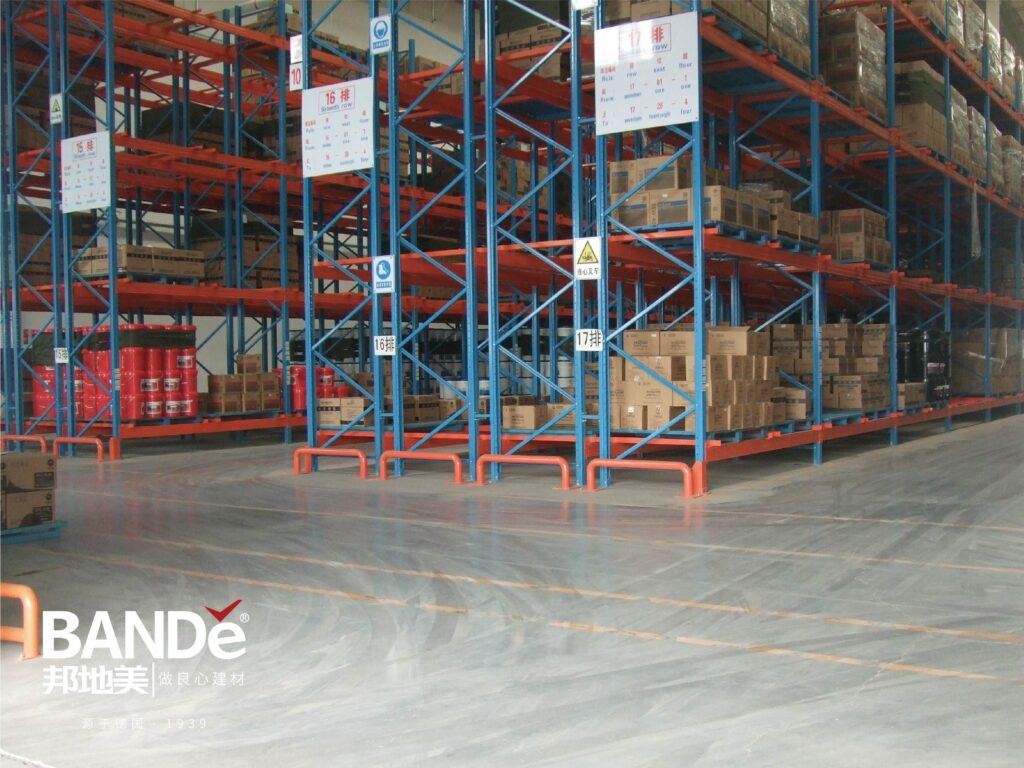
Your concrete surface endures daily challenges. Without proper protection, you face stains and deterioration. A concrete sealer is a vital investment for its longevity and aesthetic appeal. In 2025, new products and considerations make choosing a concrete sealer crucial. This guide helps you select the best concrete sealer for your specific project needs.
Key Takeaways
Concrete sealer protects your concrete from water, stains, and cracks. It makes your concrete last longer and look better.
Choose the right sealer for your project. Consider if it is for inside or outside, how much traffic it gets, and the look you want.
Always clean your concrete well before sealing. This helps the sealer stick better and work its best.
Why Concrete Sealer is Essential
Benefits of Sealing Concrete
You invest in a concrete sealer for many good reasons. A good concrete sealer creates a strong moisture barrier. This barrier stops water from getting into your concrete. It prevents moisture infiltration and reduces damage from freezing and thawing. Sealers also fill tiny cracks. This makes your concrete stronger. Nanomaterials in some sealers make the concrete even denser. This stops liquids and gases from getting in. You get better stain resistance. Your concrete surface will look good for longer. This protection adds to the longevity of your concrete.
Preventing Common Concrete Problems
Sealing your concrete helps you avoid many common issues. You often see cracks and gaps in concrete. These happen from freeze-thaw cycles or heavy traffic. Water gets into these cracks and makes things worse. Sealing prevents this water intrusion. It also helps with chipping and missing chunks. These problems come from impacts or harsh weather. Sealing protects against these factors. It minimizes the impact of weathering. You can keep your concrete looking smooth and strong.
Types of Concrete Sealers
Choosing the right concrete sealer means understanding the different types available. Each offers unique benefits for your specific needs. Knowing the various types of concrete sealers helps you make an informed decision.
Acrylic Sealers: Versatility & Finish
Acrylic sealers are popular because they are versatile and offer a nice finish. They create a protective film on the surface.
High Solids Acrylics
These sealers contain more acrylic resin. This means they give you a thicker, more durable film. They often provide a higher gloss finish.
Medium Solids Acrylics
Medium solids acrylics offer good protection with a slightly less glossy look. They are easier to apply. For acrylic sealers, you will find they are touch dry in about 30 minutes. You can drive on them after 8 hours. However, it is best to let the surface remain undisturbed for at least 12 hours. You can allow light foot traffic after 12 hours, but wait at least 48 hours for vehicles or heavy machinery to ensure the sealer fully hardens.
Penetrating Sealers: Deep Protection
Penetrating sealers work differently. They soak into the concrete, creating a barrier from within. These are among the best concrete sealer types for deep protection.
Silane & Siloxane Sealers
These sealers react chemically inside the concrete pores. They offer superior water repellence because they penetrate deeply. This gives you long-lasting protection. They are also abrasion resistant, which is great for surfaces with traffic.
Siliconate Sealers
Siliconate sealers also penetrate the concrete. They create a water-repellent barrier. Quality penetrating sealers typically last 5–10 years. You know it’s time to reseal when water no longer beads up but soaks in quickly. Sealing concrete also increases its abrasion resistance.
Epoxy & Urethane Sealers: Heavy-Duty
When you need serious durability, look at epoxy and urethane sealers. These are heavy-duty options.
Epoxy Sealers
Epoxy sealers create a very hard, durable surface. They are great for garage floors or industrial areas.
Urethane Sealers
Urethane sealers are even more flexible and abrasion-resistant than epoxies. They resist chemicals and UV rays well.
Eco-Friendly Sealer Options
Many people now look for greener choices. There are eco-friendly types of concrete sealers available.
Plant-Based Sealers
These sealers use natural ingredients. They offer protection with less environmental impact.
Low VOC Formulations
Low VOC (Volatile Organic Compound) sealers release fewer harmful chemicals into the air. They are a healthier choice for indoor applications.
Key Factors for Choosing a Concrete Sealer
When you are choosing a concrete sealer, many things come into play. You want to pick the right product for your specific project. Consider the environment, the look you want, and how much wear and tear your concrete will face.
Indoor vs. Outdoor Use
The location of your concrete surface makes a big difference in your sealer choice. Indoor and outdoor environments have very different demands. You need to think about UV exposure, moisture, and temperature changes.
Here is a quick comparison to help you decide:
Feature/Requirement | Indoor Concrete Sealers | Outdoor Concrete Sealers |
|---|---|---|
UV Resistance | Not required | Required (e.g., acrylic, polyurethane) |
Waterproofing | Required | Required |
Durability | High-traffic areas often use epoxy/polyurethane | High-traffic areas often use penetrating sealers; silane/siloxane for cold climates |
Breathability | Beneficial for slab floors | Required (to allow moisture to escape) |
Slipperiness | Not explicitly mentioned as a primary concern | Must not become slippery in wet/winter weather |
Yellowing | Epoxy can be used (no UV exposure) | Epoxy is limited due to yellowing from UV exposure |
Climate Considerations | Not directly impacted by freeze-thaw cycles or salt | Must withstand moisture intrusion, freeze-thaw cycles, and salt damage |
Common Materials | Acrylic, Epoxy, Polyurethane | Acrylic, Polyurethane, Penetrating (Silane/Siloxane) |
For outdoor concrete, you definitely need a sealer that resists UV rays. It also needs to handle freeze-thaw cycles and salt damage. Indoor sealers do not face these same challenges. You might choose a water-based option for indoors because it has fewer VOCs. For outdoor projects, solvent-based acrylics often perform better than water-based ones.
Desired Finish & Appearance
You can dramatically change your concrete’s look with a sealer. Sealing concrete surfaces significantly enhances their appearance. You have options for both glossy and matte finishes. Beyond just looking good, sealing protects your concrete from contaminants like oil spills and grease. This makes cleaning and maintenance much simpler. Sealed concrete also resists wear and tear better. This means fewer repairs and a longer life for your concrete.
Acrylic sealers form a protective film and improve durability. They come in various finishes:
Gloss
Satin
Matte
Think about the aesthetic you want to achieve. Do you prefer a wet look or a natural, unsealed appearance? Your choice of concrete sealer will directly impact the final look.
Traffic & Wear Resistance
How much traffic will your concrete surface see? A high-traffic area, like a garage or a busy walkway, needs a more durable sealer. You want something that can stand up to abrasion and heavy use. Epoxy and urethane sealers offer excellent wear resistance. Penetrating sealers also provide deep protection against abrasion. When choosing a concrete sealer, match its durability to the expected traffic.
Environmental Exposure
Your concrete’s environment plays a huge role in sealer performance. You need to consider UV radiation, extreme temperatures, and chemical exposure.
Sealer Type | UV Radiation Resistance | Temperature Extremes Resistance | Chemical Exposure Resistance |
|---|---|---|---|
Acrylic | Good (suitable for significant natural light) | Not explicitly mentioned, but cost-effective | Not explicitly mentioned |
Epoxy | Not explicitly mentioned | Not explicitly mentioned | Excellent (ideal for chemical handling) |
Polyurethane | Not explicitly mentioned | Superior flexibility (accommodates concrete movement during temperature swings) | Not explicitly mentioned |
Resin-based cures are designed to seal and protect fresh concrete. They form a protective layer. These offer resistance to water, chemicals, and abrasions. You should select products for their resistance to yellowing under UV exposure. A good concrete sealer provides crucial protection against freeze-thaw damage. It prevents moisture from getting in. It also improves chemical and stain resistance by creating a non-porous barrier.
Surface Preparation Needs
Proper surface preparation is crucial for any sealer to work well. You cannot skip this step. It ensures optimal adhesion and durability.
Here are the essential steps:
Prioritize Safety and Ventilation: Always wear chemical-proof gloves and protective eyewear. Make sure your workspace has good ventilation. This prevents harm from chemical fumes.
Consider Timing: For new concrete, wait at least 30 days for it to fully cure before sealing. Apply sealer in moderate temperatures and low humidity. This ensures proper drying and adhesion.
Thoroughly Clean the Surface: Remove all dirt, dust, oils, and existing paint. You can use methods like sandblasting, grinding, or pressure washing. This ensures proper adhesion of repair materials. For stubborn stains, you might need an etching solution. A shop vacuum can remove water and debris after rinsing.
Create a Concrete Surface Profile (CSP): Roughen the surface to a CSP of 3 to 5. You can use methods like shot blasting or acid etching. This increases the surface area for better mechanical bonding.
Repair Cracks: Before applying the sealer, seal any cracks with a putty knife. This creates a smooth, sealed surface.
Saturate the Surface Dry (SSD): Dampen the concrete so its pores are filled with water. The surface should be dry to the touch. This prevents the concrete from absorbing water from the repair material. It also ensures full contact without air pockets.
Apply a Primer or Bonding Agent: Use a primer or bonding agent (like Strong Bond or SpecWeld). This enhances the bond between the existing concrete and the new material. Follow specific instructions for each product. You might apply it while tacky or allow it to dry completely.
Proper preparation ensures your chosen sealer, whether it’s one of the best concrete sealer types or a specialized product, performs as expected. This step is vital for the longevity of your concrete.
Sealers for Specific Concrete Projects
Different concrete projects have unique needs. You need to choose a concrete sealer that matches these specific demands. This ensures the best protection and appearance for your surface.
Stamped & Decorative Concrete
You want your stamped and decorative concrete to look vibrant and last a long time. Film-forming sealers are often the best choice here. They create a protective barrier, enhance color, and give a desirable finish. For preserving color and preventing wear, you can use petroleum-based acrylic sealers like UNISEAL or Conspec 15% Truseal. These sealers offer UV light and water resistance, making colors pop. Water-based acrylic sealers, such as the Stone Mason brand, are also available. They perform well, though sometimes less effectively than petroleum-based options, and turn clear when you apply them.
Consider COLOURCRETE Coloured Concrete Sealers. They provide advanced UV protection and resist pollution. This ensures your color stays stable for a long time. They also repel water to prevent damage. These sealers preserve and beautify your concrete, keeping its natural texture and vibrant results. Clear Shield Premium and Advanced Formula Water Based Concrete Sealers are another great option. They use high-grade acrylics specifically for decorative concrete. They bring out colors, protect, and enhance surfaces. Plus, they do not yellow and work well both indoors and outdoors.
Driveways & Patios
Your driveways and patios face a lot of abuse. They handle heavy vehicle traffic and constant weather exposure. For superior protection and durability, you should look at commercial-grade penetrating and topical sealers. These sealers protect against UV exposure, moisture, and freeze/thaw damage. These are critical factors for areas with heavy traffic and harsh weather.
GoNano offers an excellent solution. Its advanced nanotechnology goes deep into your concrete. It blocks out moisture, salt, and wear, giving you protection for up to 10 years. GoNano restores strength, improves appearance, and locks out water, salt, and grime. This makes it perfect for driveways, patios, garage floors, and walkways. It forms a long-lasting barrier from within. This prevents peeling, flaking, or breakdown, even in tough conditions. You get deep penetration, long-term protection, and surface strengthening to prevent cracking and erosion. It also resists de-icers, road salts, oil, and grime.
Garage Floors
Garage floors need a tough concrete sealer. They must support vehicle weight and resist water, salt, and oils. You also want to prevent staining from hot tires. Low-quality floor coatings often suffer from ‘hot tire pickup.’ This happens when hot tires soften the coating. As they cool, the tire tread pulls the softened coating, causing it to peel. This problem is common with DIY epoxy paint kits. These kits are usually water-based, have fewer solids, and result in a thinner coating.
Professional-grade products are thicker and installed by experts. They typically do not have this problem. Epoxy floors are highly resistant to many fluids like oil, bleach, gas, cleaners, and transmission fluids. This makes them ideal for automotive environments. They resist chemicals, heat, and water. For the first week after applying a new coating, avoid tight-turn parking. You can also place mats under tires. Use wax-free cleaners, as waxes can soften under heat and become tacky.
Basements & Interior Floors
Concrete sealers are very important for basements and interior floors. They act as a protective barrier, stopping moisture from getting in and making the floor more durable. They also make your floor look better by enhancing color and giving it a polished finish. Sealed concrete is also easier to clean and maintain.
For interior surfaces and decorative concrete, acrylic sealers are a good choice. They offer a glossy finish and good UV resistance. Water-based sealers are also appropriate for indoor use. Epoxy coatings are not always called a ‘sealer,’ but they offer great aesthetic versatility, durability, and low maintenance. They can transform a basement into a livable space. If your concrete has high moisture, you need a moisture mitigation primer before applying epoxy.
Anti-Slip Additives for Safety
Safety is a big concern, especially in areas prone to wetness. Some concrete sealers include non-slip additives. These make wet surfaces less slippery, improving safety in places like pool decks or outdoor walkways. Non-slip concrete sealers are specialized coatings. They are often epoxy-based or urethane and contain aggregates. These aggregates improve traction on your floor surfaces.
Both epoxy and urethane coatings offer effective anti-slip solutions. Each has distinct benefits for different uses. Epoxy gives you a durable, heavy-duty surface. Urethane offers flexibility and chemical resistance. This makes it suitable for areas with regular cleaning or exposure to solvents. You can find these in manufacturing facilities, where they provide a durable, slip-resistant surface. They withstand industrial demands and improve worker safety around heavy machinery, spills, and debris. Gym locker rooms use them to prevent accidents in wet areas. Swimming pools benefit from a stable, safe surface that resists water and maintains grip on high-traffic decks. Restaurant kitchens use slip-resistant flooring to prevent slips in high-risk areas with common spills and grease. Bathrooms in commercial and hospitality settings also use them to reduce accidents on wet surfaces.
Selecting & Applying the Best Concrete Sealer
Cost vs. Performance
You always weigh the cost against how well a product performs. A cheaper sealer might save money now, but it could mean more frequent reapplication or less protection. Investing in a higher-quality product often saves you time and money in the long run. This helps you choose the best concrete sealer for your needs.
Application Methods & Tools
You have several ways to apply your sealer. You can use rollers, brushes, or sprayers. Each application method has its pros and cons. For large areas, a sprayer makes the job faster. Rollers give you more control for smaller spaces. Always follow the manufacturer’s specific application method for the best results.
Importance of Test Patches
Before you apply the best concrete sealer to your entire surface, you must do a test patch. Concrete slabs are unique. Their final color after sealer application is hard to predict. Factors like mix design and porosity affect this. A test patch helps you see the color change. It also ensures sealer compatibility, especially if you apply new sealers over old ones. This test section helps you follow the correct application method, considering conditions and surface prep.
Considering Brands: BANDě Example
When you choose a brand, look for reputable companies. BANDě, for example, offers a range of high-quality sealers. Researching brands helps you find a reliable product.
Maintenance & Reapplication
You need to maintain your sealed concrete. A good residential concrete sealer protects for 2 to 5 years. This depends on wear and sun exposure. High-traffic areas need more frequent reapplication. You should clean the surface thoroughly before reapplying. Apply in thin, even coats. Allow 24 hours to dry. In spring, clean with a pressure washer. Inspect for cracks. Reapply if the coat looks thin. In winter, use sand instead of salt. Clear ice carefully.
A concrete sealer is vital for your concrete surface’s long-term protection and beauty. When choosing a concrete sealer, weigh your project’s needs against sealer characteristics to find the best concrete sealer. An informed choice in 2025 ensures a durable, beautiful result. Consult professionals for advice. Enjoy your well-protected concrete for years.
FAQ
How often should you reseal concrete?
You should reseal your concrete every 2 to 5 years. High-traffic areas or harsh weather might need more frequent sealing. Check if water still beads on the surface.
Can you apply a new sealer over an old one?
Yes, you can often apply a new sealer over an old one. First, clean the surface thoroughly. Always do a test patch to ensure compatibility and proper adhesion. 💡
What is the best way to clean concrete before sealing?
You should clean your concrete thoroughly. Remove all dirt, oil, and debris. Pressure washing or using a degreaser works well. Make sure the surface is completely dry before sealing.
Remember, proper cleaning ensures your new sealer bonds correctly.
See Also
Selecting the Optimal Concrete Protective Sealer: An Essential Buyer’s Guide
BANDě Concrete Sealer: Your Ultimate Selection Guide for 2025
Elevate Your Surfaces: Top Concrete Protective Sealers for 2025
Ultimate Concrete Sealer Guide: Safeguarding Your Industrial Floors Effectively
Comprehensive Buying Guide: Concrete Densifiers, Hardeners, and Sealers Explained
