

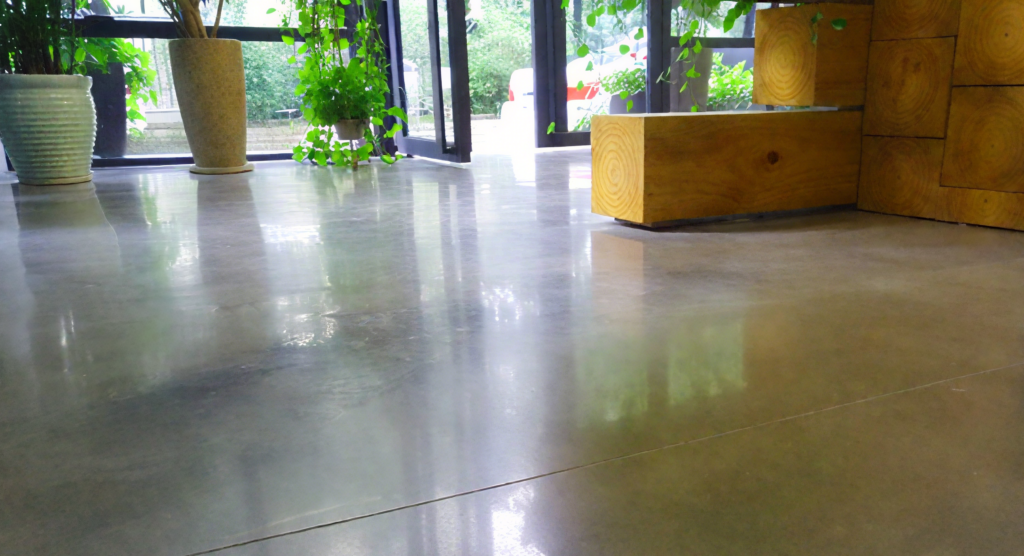
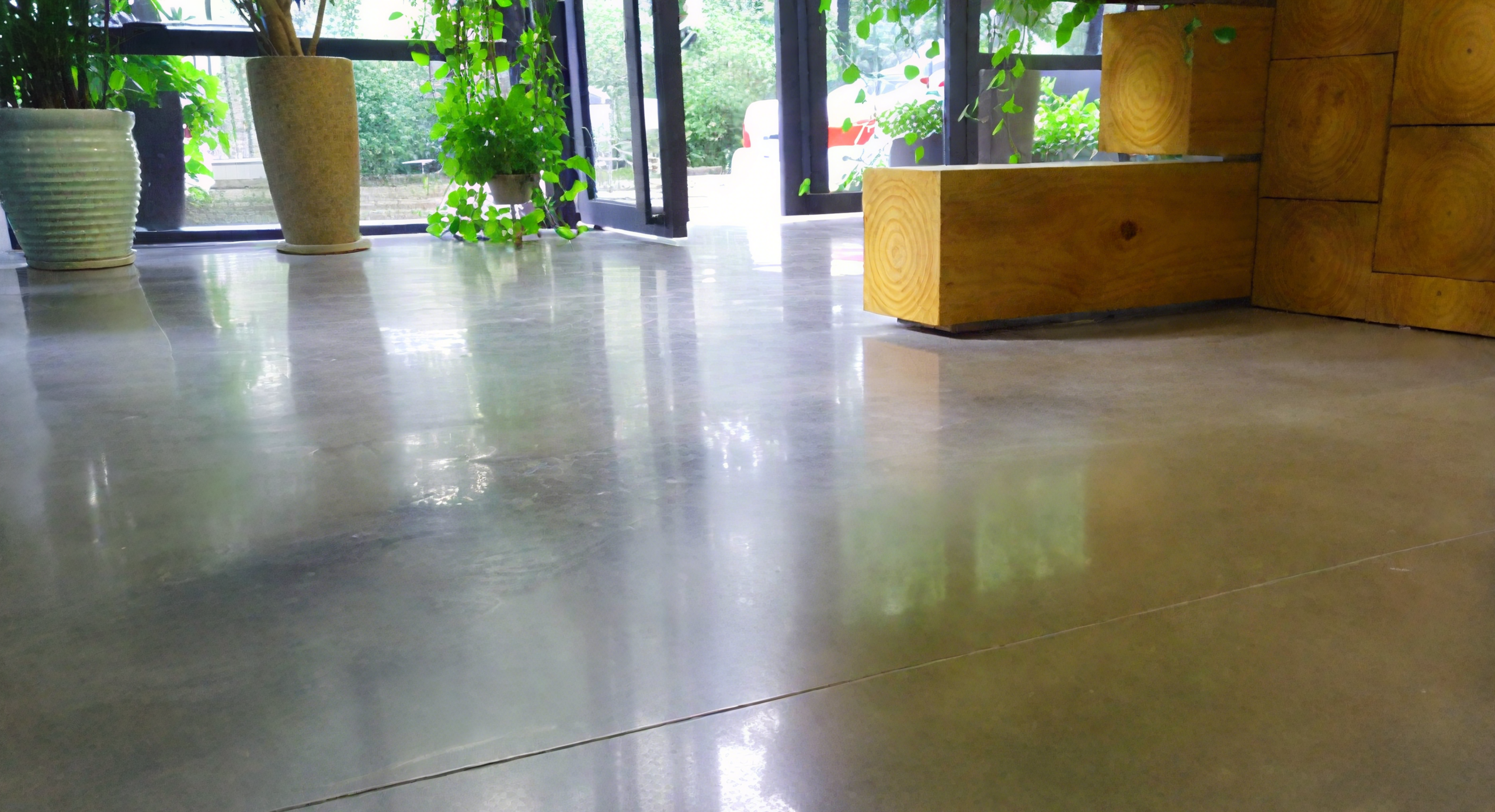
Concrete floors often become worn and dusty over time, causing frustration for both homeowners and businesses. This deterioration not only affects aesthetics but also increases maintenance efforts. Fortunately, concrete floor hardeners offer an effective solution. They enhance durability and strength, significantly reducing the likelihood of quickly worn concrete.
Key Takeaways
Concrete floor hardeners significantly increase the strength and durability of concrete surfaces, making them more resistant to wear and tear.
Using floor hardeners reduces dust generation, leading to cleaner environments, especially in places like hospitals and food processing facilities.
Investing in concrete floor hardeners can lower long-term maintenance costs by extending the lifespan of concrete floors and reducing the need for frequent repairs.
Types of Concrete Floor Hardeners
Concrete floor hardeners come in various types, each designed for specific applications and environments. Two of the most common types are dry shake hardeners and color hardeners.
Dry Shake Hardeners
Dry shake hardeners are powder-based materials applied during the finishing stage of concrete installation. They enhance the surface’s durability and resistance to wear. These hardeners are particularly effective in environments with heavy machinery and foot traffic. For instance, metallic floor hardeners are often used in heavy manufacturing plants and warehouses. They provide greater durability and resistance to abrasion from heavy machinery.
Environment/Industry | Type of Dry Shake Hardener | Reason for Use |
|---|---|---|
Heavy Manufacturing Plants | Metallic | Provides greater durability and resistance to abrasion from heavy machinery. |
Warehouses | Metallic | Enhances durability under heavy foot and machinery traffic. |
Food Processing Environments | Non-metallic | Designed for corrosion protection and hygiene. |
Color Hardeners
Color hardeners, on the other hand, are used to enhance the aesthetic appeal of concrete floors. They come in a variety of colors, allowing for creative designs in commercial spaces. Lighter shades such as yellow, beige, and light grey increase reflectivity and brightness. This not only improves the visual appeal but also reduces the need for artificial lighting, leading to lower energy costs.
Benefits of Using Concrete Floor Hardeners
Increased Strength and Durability
One of the primary benefits of using concrete floor hardeners is the significant increase in strength and durability they provide. When applied correctly, these hardeners enhance the compressive strength of concrete floors, making them more resistant to wear and tear. Scientific studies have shown that the application of floor hardeners can elevate the compressive strength of concrete from a range of 0.2 – 0.3 MPa to over 0.3 MPa. This improvement is crucial for environments subjected to heavy loads and constant foot traffic.
Test Condition | Compressive Strength (MPa) | Penetration Depth (mm) |
|---|---|---|
Fresh Concrete | 0.2 – 0.3 | ~5 |
Optimal Topping | >0.3 | N/A |
The increased strength not only prolongs the life of the concrete surface but also reduces the frequency of repairs and replacements. This durability is particularly beneficial in industrial settings, where heavy machinery operates daily. By investing in concrete floor hardeners, businesses can protect concrete floors from abrasion and extend their lifespan.
Dust Prevention and Maintenance
Another significant advantage of concrete floor hardeners is their ability to prevent dust generation. Floors treated with hardeners exhibit reduced dust emissions compared to untreated surfaces. This reduction is especially important in environments where cleanliness is paramount, such as hospitals and food processing facilities.
Concrete floors treated with floor hardeners exhibit reduced dust emissions.
This reduction is specifically noted when comparing treated concrete to untreated concrete.
Moreover, maintenance requirements differ significantly between treated and untreated floors. Floors treated with hardeners require regular maintenance, including consistent cleaning to remove dust and dirt, protection against wear, and periodic inspections. In contrast, untreated concrete floors necessitate more frequent and intensive cleaning due to their porous nature, which leads to greater dirt and stain accumulation.
Overall, the benefits of using concrete floor hardeners extend beyond mere aesthetics. They provide long-term cost savings by reducing maintenance efforts and enhancing the durability of concrete surfaces. This makes them an ideal choice for anyone looking to protect concrete floors effectively.
How Do Concrete Floor Hardeners Work?
Concrete floor hardeners enhance the durability and longevity of concrete surfaces through a systematic application process and specific chemical reactions. Understanding these aspects is crucial for achieving optimal results.
Application Process
The application of concrete floor hardeners involves several key steps. Following these steps ensures that the hardeners effectively bond with the concrete surface, enhancing its properties. Here are the standard steps involved:
Prepare the Concrete Surface: Ensure the concrete is freshly poured and leveled. Allow it to reach the ‘plastic’ stage for optimal adhesion.
First Application: Evenly distribute two-thirds of the recommended amount of dry-shake hardener over the concrete surface.
Floating: Use a bull float or power trowel to work the hardener into the concrete surface.
Second Application: Apply the remaining one-third of the hardener evenly across the surface.
Floating (Repeat): Float the surface again to incorporate the second application.
Troweling: Use a power trowel to smooth and compact the surface.
Curing: Keep the concrete surface moist for the recommended curing period, typically 7-14 days, depending on the mix type and environmental conditions.
Mix Type | Normal Temp | Cold Weather | Hot Weather |
|---|---|---|---|
Standard mix | 7 days | 10–14 days | 7–10 days |
High-strength mix | 10–14 days | 14–20 days | 10–14 days |
Slabs/floors | 7 days | 10+ days | 7+ days |
Chemical Reactions and Effects
The effectiveness of concrete floor hardeners lies in the chemical reactions that occur when they are applied. When hardeners are introduced to the concrete surface, they dissolve in water and react with calcium carbonate (lime) present in the concrete. This reaction forms calcium silicate hydrate (C-S-H) gel, which is crucial for enhancing the concrete’s strength and durability.
The formation of C-S-H gel fills the tiny pores on the concrete surface, creating a hard shell that significantly improves the concrete’s properties.
Liquid chemical hardeners introduce additional silicate that reacts with excess calcium hydroxide, resulting in denser and harder concrete.
These reactions not only enhance the mechanical properties of the concrete but also improve its aesthetic appeal. A polished concrete floor, for instance, provides a smooth, glossy finish that enhances the overall appearance. The use of a densifier during the polishing process increases the concrete’s density, making it more resistant to wear and improving color retention.
Concrete floor hardeners provide essential benefits for maintaining concrete surfaces. They effectively prevent quickly worn concrete and reduce dust accumulation. By enhancing durability and strength, hardeners extend the lifespan of concrete floors. Investing in these solutions is a wise choice for long-term maintenance and sustainability.
Key benefits include:
Increased durability
Reduced maintenance costs
Enhanced safety
Consider concrete floor hardeners as a reliable investment for your flooring needs.
FAQ
What is the main purpose of concrete floor hardeners?
Concrete floor hardeners enhance durability, increase strength, and reduce dust generation on concrete surfaces.
How long does it take for floor hardeners to cure?
Curing typically takes 7 to 14 days, depending on the concrete mix and environmental conditions.
Can I apply floor hardeners to existing concrete?
Yes, floor hardeners can be applied to existing concrete, improving its strength and reducing dust emissions.
See Also
Top Floor Hardening Options for Philippine Warehouses Today
Premier Industrial Floor Hardening Solutions in the UK
Understanding Floor Hardeners: Their Function and Benefits
Exploring Floor Hardener: Advantages of Industrial Flooring
Essential Insights on BANDě Concrete Floor Hardener Explained
