

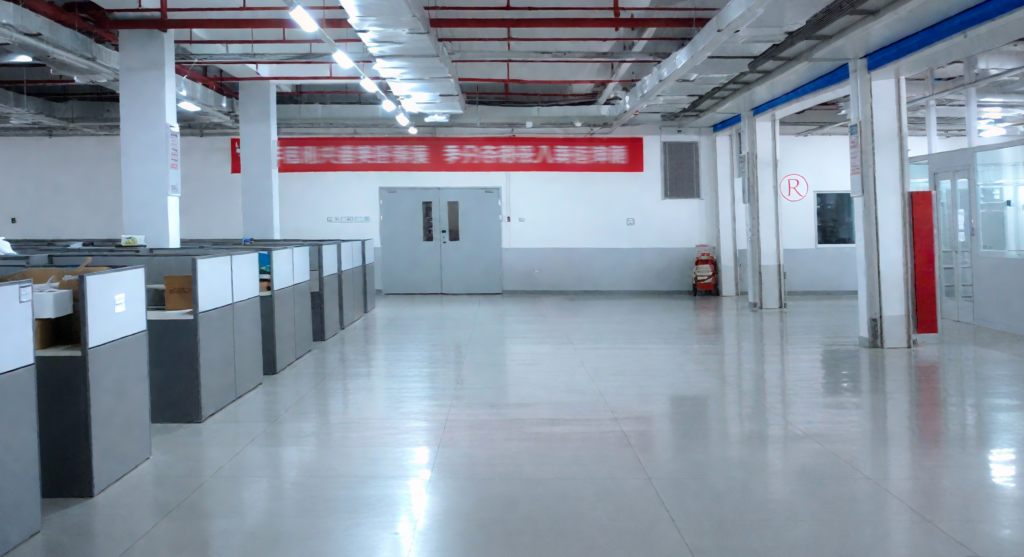
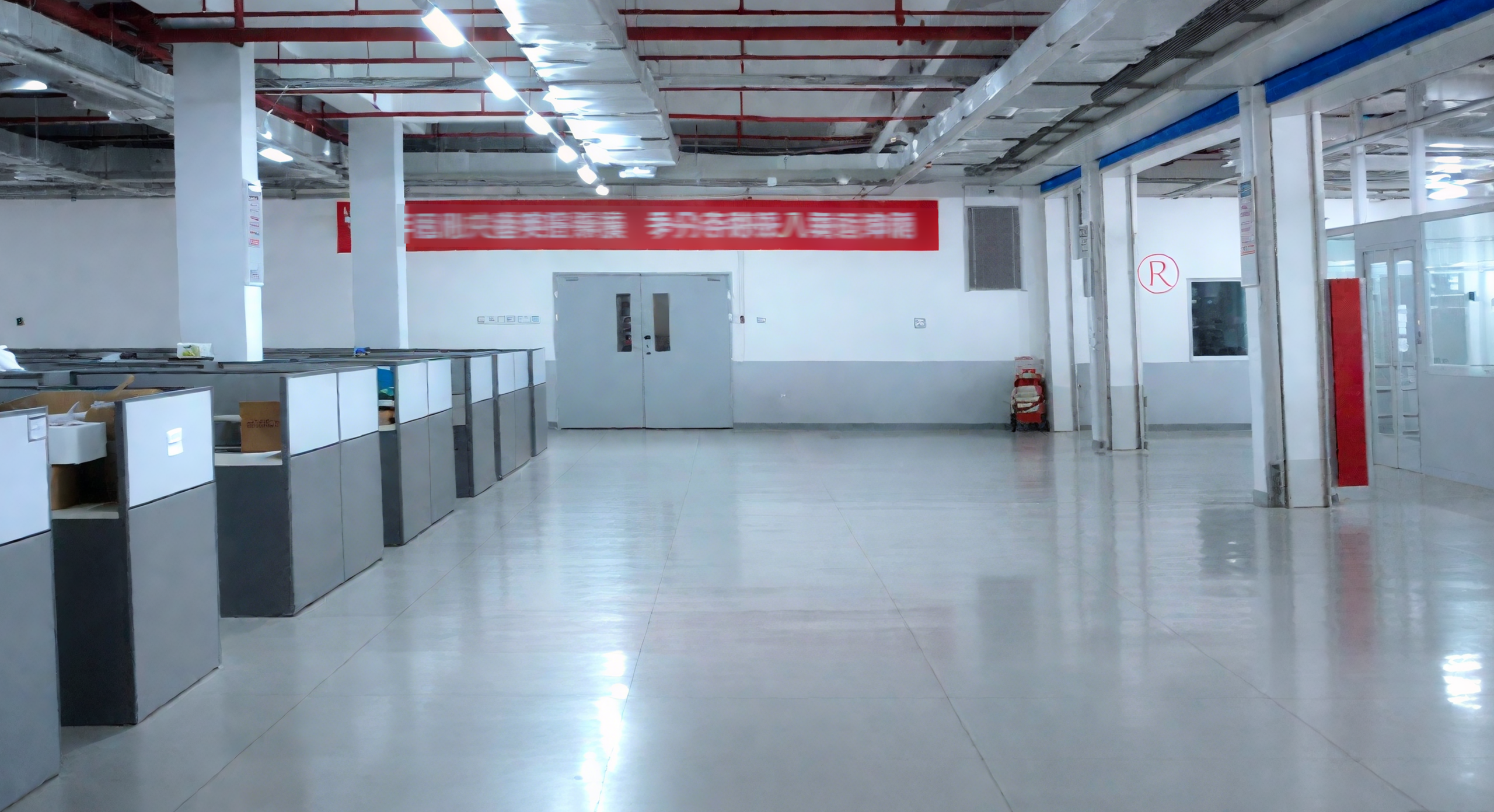
Choosing the right flooring for your warehouse is crucial. The decision impacts durability, maintenance, and safety. When considering floor hardener vs epoxy, it’s important to note that each type offers unique benefits. Understanding these differences can help you make an informed choice.
Key Takeaways
Choose floor hardeners for high-traffic areas needing durability. They enhance concrete strength and lower long-term maintenance costs.
Opt for epoxy flooring when chemical resistance and aesthetics are priorities. It offers a polished finish and protects against spills.
Understand the application processes for both options. Proper preparation ensures optimal performance and longevity of the flooring.
Floor Hardener Features
Composition and Function
Floor hardeners consist of various chemical components that enhance the durability of concrete surfaces. Commonly, they include metallic silicates and epoxy curing agents. These materials react chemically with the concrete, forming a dense, abrasion-resistant layer. This layer protects against wear and extends the lifespan of flooring in high-traffic areas. For instance, metallic hardeners are ideal for extreme loads, while non-metallic options suit standard applications. The table below summarizes some key products and their components:
Product Name | Chemical Component | Description |
|---|---|---|
Metallic Silicate | A liquid concrete hardener that reacts chemically to produce a hard, abrasion-resistant finish. | |
Hardener | Epoxy Curing Agents | Combined with bisphenol F epoxy and phenolic resin, it provides resistance to sulfuric acid. |
Application Process
Applying floor hardeners involves several critical steps to ensure optimal performance. The process typically includes:
Prepare the Concrete Surface: Ensure the concrete is freshly poured and leveled. Allow it to reach the ‘plastic’ stage, where it can be slightly indented but is still workable.
First Application: Evenly distribute approximately two-thirds of the recommended amount of dry-shake hardener over the concrete surface.
Floating: Use a bull float or a power trowel with float blades to work the hardener into the concrete surface.
Second Application: Apply the remaining one-third of the hardener evenly over the surface.
Floating (Repeat): Float the surface again to incorporate the second application of hardener.
Troweling: Use a power trowel with finish blades to smooth and compact the surface.
Curing: Keep the concrete surface moist for the recommended curing period (typically 7-14 days).
Following these steps ensures that the floor hardener effectively enhances the concrete’s strength and durability, making it suitable for warehouse environments.
Epoxy Features
Composition and Function
Epoxy flooring systems are composed of several key ingredients that contribute to their strength and durability. The primary components include:
Epoxy Resin: A thermosetting polymer known for its strong adhesion and mechanical properties.
Hardener: Typically a polyamine or amine-based compound that acts as a catalyst for curing.
Bisphenol-A (DGEBA): Commonly used for its balance of viscosity, strength, and chemical resistance.
Novolac Epoxy Resins: Specialized for higher crosslink density and solvent resistance.
These components work together to create a robust flooring solution that is not only strong but also chemically resistant. Epoxy flooring protects against water damage, corrosion, and pathogen contamination, making it ideal for warehouse environments. Additionally, it offers slip resistance, enhancing safety by reducing the risk of accidents.
Application Process
The application of epoxy flooring involves several essential steps to ensure a successful installation. Here’s a typical process:
Clean the Floor Thoroughly: Remove oil, grease, and old coatings using a degreaser and pressure washer.
Repair Cracks & Imperfections: Fill cracks with epoxy filler or cement patching compound.
Etch or Grind the Concrete: Use acid etching or mechanical grinding for better adhesion.
Apply the Epoxy Primer: Mix primer and hardener, roll onto the floor, and let dry for 8-12 hours.
Apply the Base Coat: Mix base coat, add quartz sand if needed, and spread with a squeegee.
Install the Epoxy Topcoat: Mix topcoat and hardener, apply with a roller, and optionally add decorative elements.
Curing & Final Care: Allow drying time and follow maintenance tips.
The entire installation process typically takes between 1 to 3 days, depending on the warehouse size and existing floor condition. Proper preparation and application ensure a long-lasting, durable surface suitable for heavy traffic.
Advantages of Floor Hardener vs Epoxy
Durability and Cost
When evaluating floor hardener vs epoxy, durability and cost are critical factors. Floor hardeners are designed to enhance the strength of concrete surfaces. They create a dense layer that withstands heavy traffic and impacts. This durability translates into lower maintenance costs over time.
Installation Costs: The installation cost for solid epoxy flooring ranges from $3 to $12 per square foot. This price includes both materials and labor. High-quality epoxy resin costs between $30 and $150 per gallon, covering approximately 100 to 150 square feet. Labor costs can vary from $1 to $7 per square foot or $30 to $80 per hour, depending on the job complexity and floor condition.
Long-Term Maintenance: Epoxy flooring has lower long-term maintenance costs due to its durability and ease of cleaning compared to traditional flooring options. This makes it a cost-effective choice for warehouses that require a robust flooring solution.
Aesthetic Appeal
Epoxy flooring offers significant aesthetic advantages over floor hardeners. It can be customized to match brand colors and create visually appealing finishes. Here are some key features of epoxy flooring aesthetics:
Customization Options: Epoxy flooring can be tailored to match brand colors, create high-gloss finishes, or incorporate decorative elements like metallic flakes or quartz aggregates.
Variety of Finishes: It offers a high sheen and a variety of colors and finishes, including granite, metallic, or marbled options. This versatility enhances the visual appeal of the space, making it suitable for environments where aesthetics matter.
Design Flexibility: Customization options for epoxy flooring include a range of colors, patterns, and designs. This flexibility allows businesses to create a unique look that aligns with their branding and operational needs.
Disadvantages of Floor Hardener vs Epoxy
Limitations of Floor Hardener
While floor hardeners offer significant benefits, they also have limitations that may affect their suitability for certain applications. Here are some key drawbacks:
Surface Finish: Floor hardeners typically provide a matte finish. This may not meet aesthetic preferences for environments that require a polished look.
Chemical Resistance: Although some hardeners offer chemical resistance, not all types can withstand aggressive chemicals. This can lead to deterioration in areas exposed to spills.
Installation Timing: Floor hardeners must be applied during the concrete curing process. This timing can limit flexibility in scheduling installations.
Limited Repair Options: Once applied, repairing or resurfacing a floor hardener can be challenging. Damage may require complete replacement rather than simple repairs.
Despite these limitations, floor hardeners remain a viable option for many warehouse environments, especially where durability is paramount. For instance, products like Redwop Floor Hardener are designed for high-wear areas, providing enhanced surface toughness against heavy machinery and chemical spills.
Limitations of Epoxy
Epoxy flooring also presents several disadvantages that should be considered before making a decision. Some of the main issues include:
Repair Difficulty: Damaged epoxy floors can be hard to repair seamlessly. Spot repairs often result in noticeable color mismatches, detracting from the overall appearance.
Maintenance Needs: Proper maintenance is crucial to prevent cracks and chipping. If not maintained adequately, large areas may start peeling off, necessitating extensive repairs or even complete replacement.
UV Sensitivity: Prolonged exposure to UV light can lead to degradation. Epoxy coatings may develop a yellow or amber tint over time, affecting both aesthetics and surface integrity.
Temperature Fluctuations: Epoxy can be sensitive to temperature changes. Extreme fluctuations may cause the material to expand or contract, leading to cracks or other forms of damage.
The table below summarizes the key issues associated with epoxy flooring:
Key Issues | Description |
|---|---|
Repair Difficulty | Damaged epoxy floors are hard to repair seamlessly. |
Noticeable Repairs | Spot repairs are noticeable due to color mismatch. |
Maintenance Needs | Proper maintenance is required to prevent cracks. |
Comparison Table: Floor Hardener vs Epoxy
Key Features
The following table summarizes the key performance metrics for floor hardeners and epoxy flooring in warehouse settings:
Metric | Floor Hardeners | Epoxy Flooring |
|---|---|---|
Durability | Dry shake hardeners are very durable. | Epoxy coatings protect very well. |
Wear Resistance | Dry shake hardeners resist scrapes well. | Epoxy flooring is strong and slip-resistant. |
Cost | Liquid hardeners cost less initially. | Epoxy and urethane coatings are the most expensive. |
Application Time | Liquid hardeners dry in hours. | Epoxy floors can take days to dry. |
Suitability | Suitable for heavy machinery and traffic. | Ideal for areas with chemical exposure. |
Suitability for Warehouses
When considering flooring options, safety and functionality are paramount. Here are some insights into the suitability of each type:
Floor Hardener:
Provides excellent durability for high-traffic areas.
Ideal for environments with heavy machinery.
Epoxy Flooring:
Non-slip epoxy flooring incorporates textured aggregates to enhance surface friction, crucial for preventing slips.
Recognized for reducing slip incidents, complying with OSHA safety standards.
Customizable texture allows adjustments based on specific warehouse needs.
Practical Recommendations for Floor Hardener vs Epoxy
When to Use Floor Hardeners
Floor hardeners are ideal for environments that experience extreme conditions. Consider using them when:
Temperature fluctuations: They withstand extreme low temperatures and drastic changes without cracking.
High humidity levels: These conditions can affect bonding and curing, leading to issues like bubbling and delamination.
Risk of chemical exposure: Floors need chemical resistance to prevent erosion and damage from corrosive substances.
Description | |
|---|---|
Temperature fluctuations | Floors must withstand extreme low temperatures and drastic changes without cracking. |
Humidity levels | High humidity can affect bonding and curing, leading to issues like bubbling and delamination. |
Risk of chemical exposure | Floors need chemical resistance to prevent erosion and damage from corrosive substances. |
When to Use Epoxy
Epoxy flooring is suitable for environments where chemical resistance and aesthetics are priorities. Use epoxy when:
The area frequently experiences spills of chemicals, oils, or solvents.
You require anti-slip properties to enhance traction in wet conditions.
A polished, visually appealing finish is essential for your warehouse.
Epoxy flooring minimizes the risk of chemical damage, which can lead to operational downtime, thus enhancing overall durability. Regular maintenance is crucial for both flooring types. For epoxy, this includes:
Daily sweeping and mopping to remove particles.
Immediate cleanup of spills, especially from harsh chemicals.
By understanding the specific needs of your warehouse, you can make an informed decision between floor hardener vs epoxy, ensuring optimal performance and longevity.
Choosing between floor hardeners and epoxy flooring depends on specific warehouse needs. Epoxy offers superior chemical resistance and durability, while floor hardeners excel in cost-effectiveness. Recent studies highlight that epoxy flooring provides excellent protection against chemicals, making it a strong contender for demanding environments.
FAQ
What is the main difference between floor hardeners and epoxy flooring?
Floor hardeners enhance concrete durability, while epoxy flooring provides a strong, chemical-resistant surface with aesthetic options.
How long does it take to install epoxy flooring?
Epoxy flooring installation typically takes 1 to 3 days, depending on the size of the area and existing floor conditions.
Can floor hardeners be used in outdoor settings?
Yes, floor hardeners can be used outdoors, but ensure they are suitable for exposure to weather elements and temperature fluctuations.
See Also
Top Floor Hardening Options for Philippine Warehouses
Premier Floor Hardening Solutions for UK Industrial Spaces
Essential BANDě Floor Hardener Choices for 2025 Construction
Understanding Floor Hardeners: Functionality and Benefits Explained
Exploring Floor Hardener: BANDě’s Insights on Industrial Flooring
