

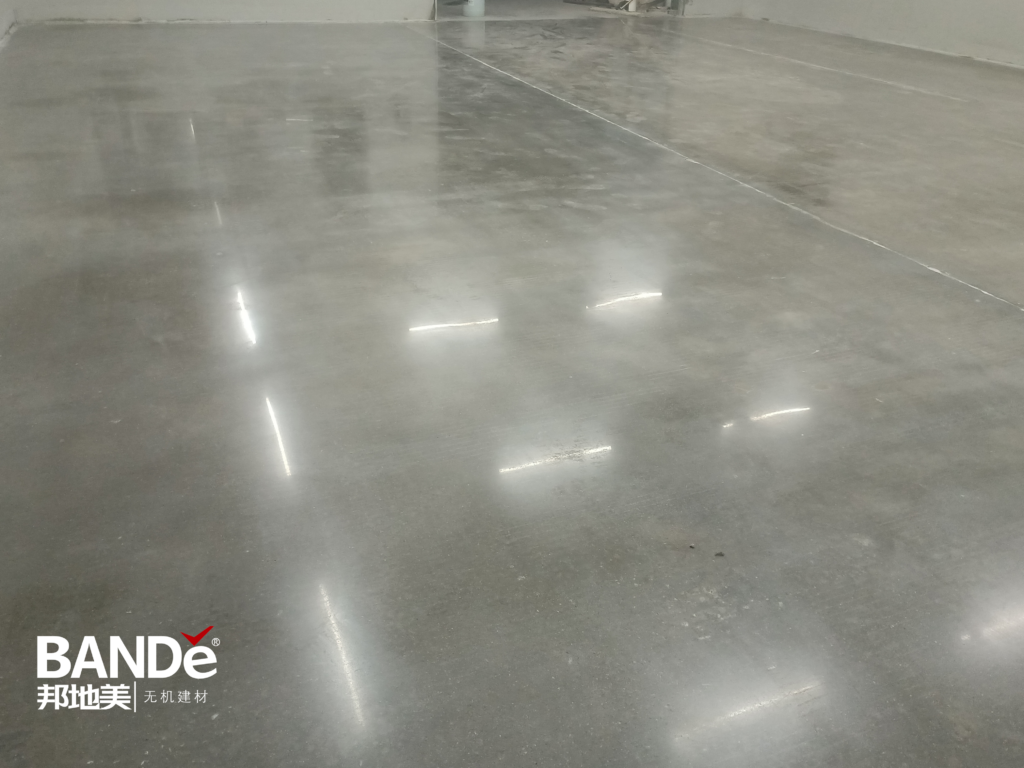
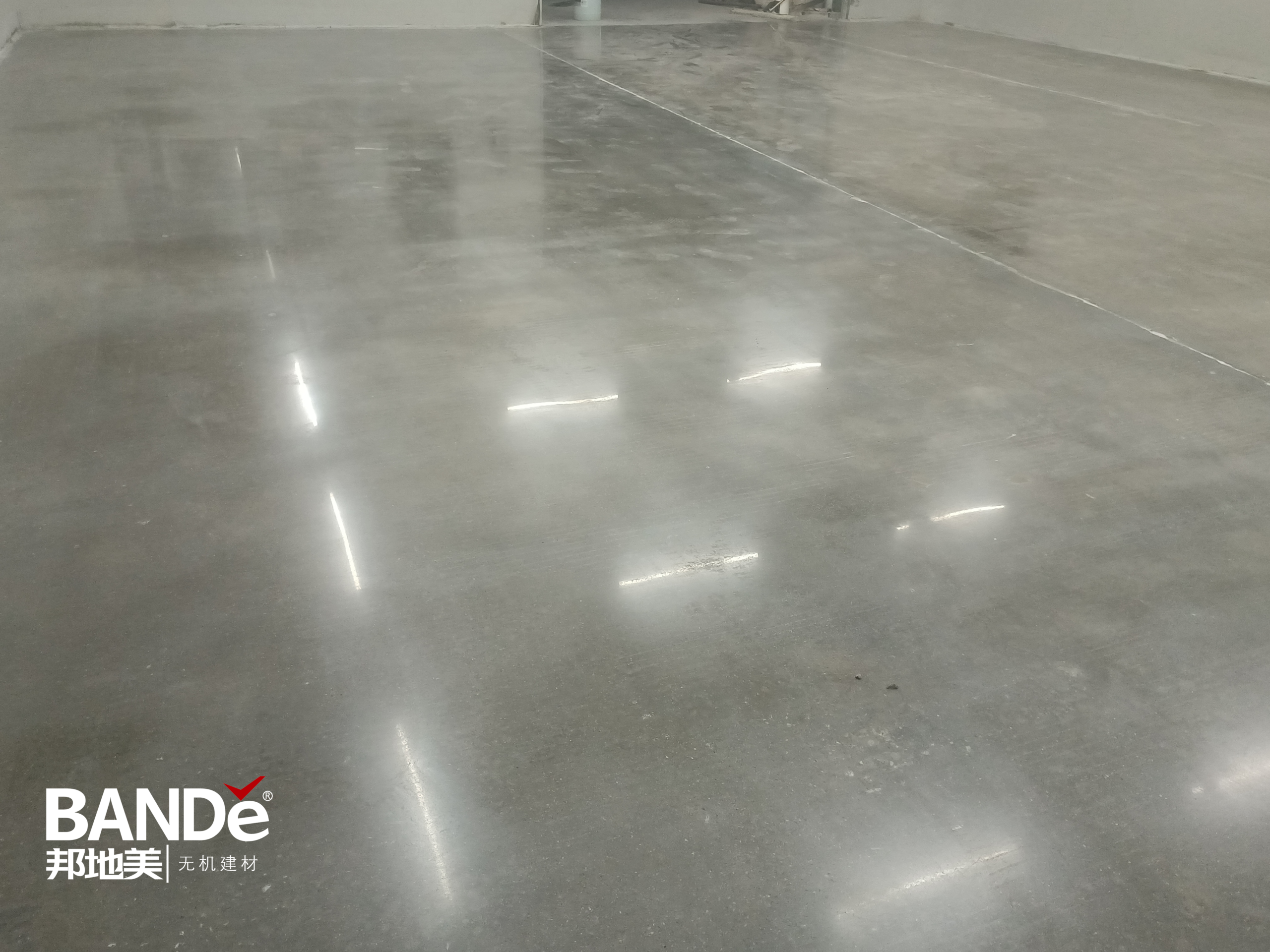
Dust-resistant flooring, or dust-resistant factory flooring, plays a vital role in factory environments. It minimizes health risks and enhances operational efficiency. Utilizing floor hardener technology creates a durable, dust-free surface. This innovation significantly reduces dust accumulation, ensuring a cleaner workspace and promoting a safer atmosphere for employees.
Key Takeaways
Dust-resistant flooring improves health by reducing respiratory risks for workers. A cleaner environment leads to better overall hygiene.
Investing in heavy-duty flooring saves money over time. Durable surfaces require less maintenance and reduce equipment downtime.
Choosing the right flooring is crucial for safety. Look for slip-resistant and low-porosity options to prevent accidents and dust accumulation.
Dust Resistance Importance
Health and Safety
Dust accumulation in factory settings poses significant health risks to workers. Exposure to particulate matter (PM) can lead to serious respiratory issues. Studies indicate that PM10 and PM2.5 levels often exceed safe limits in industrial environments. These particles can cause various health problems, including:
Respiratory difficulties
Chronic bronchitis
Allergic reactions
The presence of dust not only affects worker safety but also impacts overall hygiene in the workplace. Implementing dust-resistant factory flooring through floor hardener technology can significantly reduce dust levels. This creates a cleaner environment, promoting better health outcomes for employees.
Equipment Protection
Dust does not only affect human health; it also poses risks to machinery and equipment. Dust accumulation can lead to increased wear and tear on machines, resulting in costly repairs and downtime. A study shows that dust-resistant floors contribute to reduced equipment downtime. Here’s how:
Benefit | Description |
|---|---|
Faster Cleaning | Coated floors clean more quickly and thoroughly. |
Reduced Maintenance | Less dust means less frequent cleaning is required. |
Lower Downtime | Equipment remains operational longer without interruptions. |
Dust is generated from various activities, including grinding, polishing, and material handling. Bare concrete floors are particularly susceptible to dust accumulation due to their porous nature. By utilizing heavy-duty flooring solutions, factories can create a dustproof surface that minimizes maintenance needs and enhances durability.
Benefits of Heavy-Duty Flooring
Enhanced Durability
Heavy-duty flooring systems are designed to withstand the rigors of industrial environments. These floors resist wear and tear, ensuring longevity and reliability. For instance, materials like PU Concrete and Aciker Plus ceramic tiles offer exceptional durability. PU Concrete features a smooth, non-porous surface that prevents dirt and liquids from penetrating, making it ideal for high hygiene standards. Similarly, Aciker Plus tiles have zero porosity, which stops dirt from infiltrating the surface, facilitating easier cleaning.
The durability of these materials translates into fewer repairs and replacements. This characteristic is crucial for factories that rely on continuous operations. A durable floor can support heavy machinery and withstand the impact of daily activities without compromising its integrity.
Cost-Effectiveness
Investing in heavy-duty flooring is not just about durability; it also brings significant cost savings over time. The table below outlines the long-term financial benefits associated with installing heavy-duty, dust-resistant flooring in factories:
Aspect | Benefit |
|---|---|
Durable flooring minimizes the frequency of repairs and replacements, leading to lower costs. | |
Increased Operational Efficiency | Smooth, non-porous finishes allow for easier cleaning, reducing downtime and maintenance time. |
Enhanced Durability | Flooring designed to withstand wear and tear supports continuous operations without disruptions. |
These benefits contribute to a more efficient maintenance schedule. Facilities can allocate resources more effectively, focusing on production rather than constant upkeep. The initial investment in high-performance flooring systems pays off through reduced maintenance and operational costs.
Choosing Factory Flooring
Slip Resistance and Safety
When selecting factory flooring, slip resistance is a critical factor. Floors that lack proper grip can lead to accidents, especially in environments where spills are common. Statistics show that slips and falls account for 86% of total workplace injuries, with 90% of these incidents occurring due to wet floors. Therefore, choosing flooring with anti-slip properties is essential for maintaining safety and hygiene.
Polished concrete flooring meets environmental protection standards and is designed to be slip-resistant, abrasion-resistant, and dust-proof. Additionally, materials like FRP Grating feature a concave or grit surface to prevent slipping in wet or oily conditions. These options not only enhance safety but also ensure compliance with industry standards, such as AS 1657-2013, which mandates specific slip resistance measures.
Low-Porosity Options
Low-porosity flooring options are vital for preventing dust and moisture penetration. Materials like epoxy coatings create a seamless surface that is easy to clean and inhibits the accumulation of contaminants. This characteristic is particularly important in logistics facilities and other environments where hygiene is critical.
Choosing heavy-duty flooring with low porosity minimizes weak points where dirt and moisture can gather. This ensures a cleaner and safer workspace. The table below outlines key criteria to consider when selecting flooring materials for industrial environments:
Criteria | Description |
|---|---|
Performance Requirements | Includes abrasion resistance, load-bearing capacity, dustproof properties, chemical resistance, slip resistance, and ease of maintenance. |
Industry-Specific Needs | Specialized solutions for different environments, such as FDA-compliant flooring for food processing or anti-static flooring for electronics. |
Budget Considerations | Evaluating initial costs versus long-term value, including maintenance expenses and ROI. |
Professional Installation | Importance of hiring qualified contractors for optimal performance and compliance with safety standards. |
By prioritizing these factors, factories can ensure they select the most suitable flooring solutions for their operational needs.
In summary, implementing heavy-duty flooring solutions with floor hardeners significantly enhances factory environments. These surfaces provide durability, promote hygiene and ease of cleaning, and reduce dust accumulation. Factories benefit from improved productivity and cleanliness. Consider these solutions to create a safer and more efficient workspace for your facility.
FAQ
What is factory flooring?
Factory flooring refers to durable surfaces designed for industrial environments. It meets specific requirements for safety, hygiene, and maintenance.
How does dust affect a warehouse?
Dust in a warehouse can lead to health issues and equipment damage. It increases maintenance costs and reduces operational efficiency.
What are the requirements for choosing flooring in a factory?
Key requirements include durability, slip resistance, low porosity, and compliance with safety standards. These factors ensure a safe and efficient workspace.
See Also
Top Floor Hardening Options for Philippine Warehouses
Premier Industrial Floor Hardening Solutions in the UK
Understanding Floor Hardener: Benefits of Industrial Flooring
