

Leaky flat roofs cause endless frustration and damage. Liquid rubber roofing offers a revolutionary fix. This modern liquid roofing solution provides superior waterproofing without any flame. It is a safer, easier way to repair your roof. Discover how liquid rubber works as an ideal liquid rubber solution for your roof’s roofing problems.
Key Takeaways
Liquid rubber roofing fixes leaky flat roofs. It creates a strong, waterproof layer without using fire.
This roofing material is safe to put on. It lasts a long time because it resists sun damage.
You can put liquid rubber over old roofs. It is easy to put on and does not need much care.
Understanding Liquid Rubber Roofing: What It Is and How It Works
Defining Liquid Rubber: A Modern Roof Solution
Liquid rubber roofing represents an advanced, fluid-applied roofing solution. It is not a traditional sheet material. Instead, workers apply it as a liquid. This innovative material is an elastomeric roof coating. Manufacturers create it from synthetic rubber compounds. These compounds give the material its unique flexibility and durability. For example, many high-performance liquid roof coatings use polyurethane or polyurea as their base. Products like SILCOR® 560 LS and SILCOR® 575 are polyurethane elastomer waterproof membranes. Other options, such as SILCOR® 780 HI-LP, use hybrid polyurea. Pure polyurea coatings, like SILCOR® 990MP, also exist. These different chemical bases provide specific properties for various roofing needs. This type of liquid roofing offers a versatile approach to protecting a roof.
How Liquid Rubber Provides Roof Waterproofing
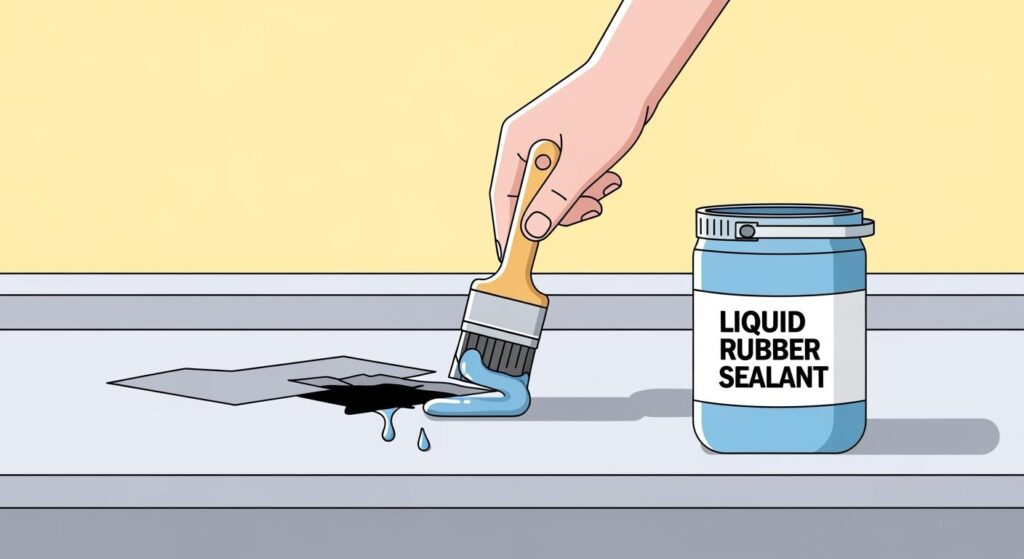
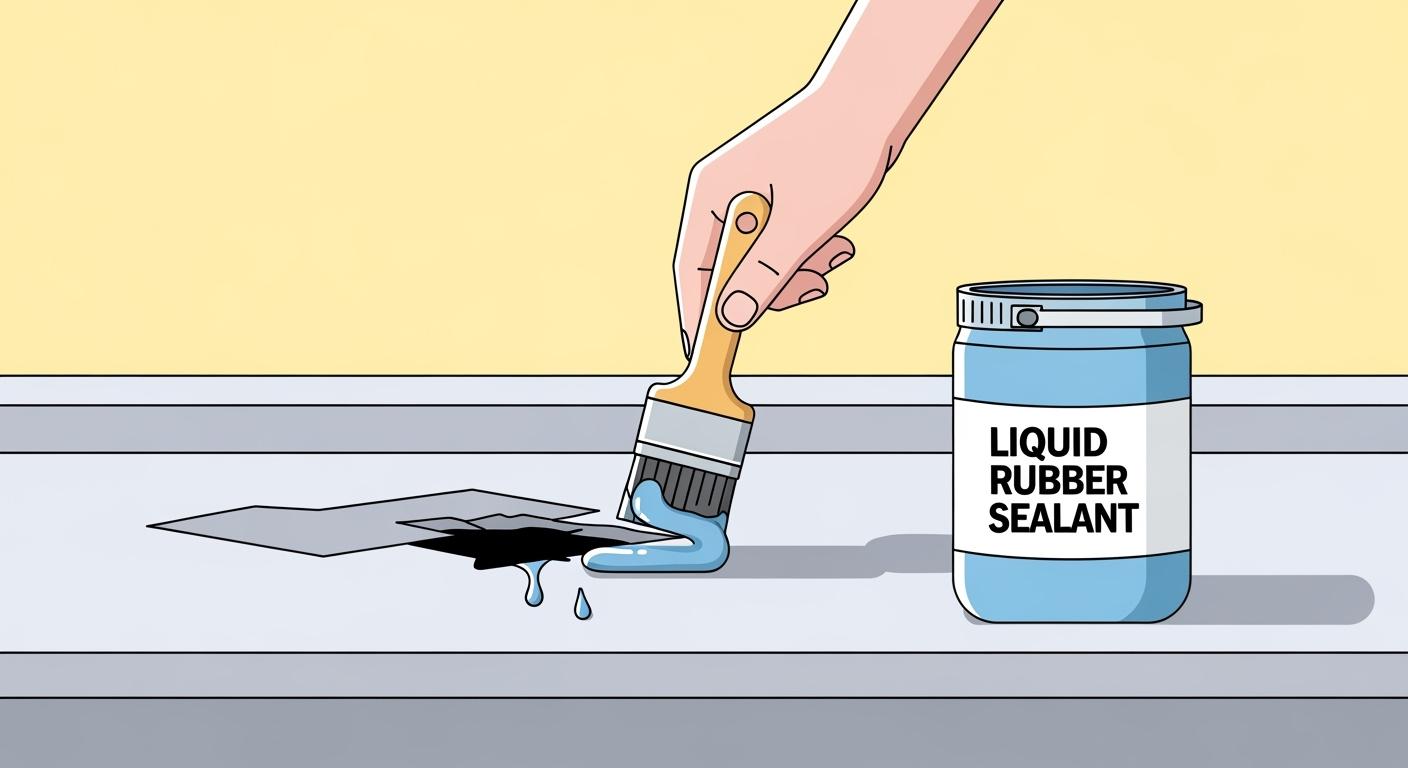
Liquid rubber provides exceptional roof waterproofing through its application method and chemical properties. Workers can apply this liquid roofing material in several ways. They can brush it on, roll it out, or spray it onto the roof surface. This versatility makes it suitable for many different roof shapes and sizes. Once applied, the liquid rubber begins to cure. It solidifies into a tough, waterproof, and flexible rubber membrane. This membrane acts as a protective layer. It prevents water from penetrating the roof structure. The elastomeric nature of the liquid rubber coating allows it to expand and contract with temperature changes. This prevents cracks and maintains its integrity. This flexibility is crucial for long-lasting roof waterproofing.
Forming a Seamless Liquid Rubber Membrane
One of the biggest advantages of liquid membrane roofing is its ability to form a seamless waterproof membrane. Traditional roofing materials often have seams where water can eventually find a way in. Liquid rubber, however, creates a continuous, monolithic layer over the entire roof surface. This means no joints, no laps, and no weak points for water to exploit. The liquid roofing system bonds directly to the substrate. This creates a fully adhered layer of protection. This seamless waterproofing is incredibly effective. It ensures comprehensive roof waterproofing, even around complex details like vents and pipes. This makes liquid rubber an ideal solution for reliable and long-lasting roofing.
Key Advantages of Liquid Rubber for Flat Roofs
Liquid rubber offers many benefits. It is especially good for flat roofs. This modern liquid-applied roofing solution solves common problems.
Durability and Superior Roof Waterproofing
Liquid rubber provides exceptional durability and superior roof waterproofing. Flat roofs often suffer from standing water. This is called ponding water. Liquid rubber handles ponding water very well. It can withstand continuous immersion without breaking down. This is a major advantage over many traditional roofing materials. A liquid roofing system forms a fully bonded membrane. This means it sticks completely to the roof surface. Workers can lay it over existing materials. It often sets instantly, creating a strong, water resistant barrier. This seamless liquid membrane roofing prevents leaks. It ensures long-lasting protection for your roof. The inherent durability of liquid rubber makes it a smart choice for any flat roof.
The Safety of No-Flame Liquid Rubber Application
One of the most significant advantages of liquid rubber applications is their flame-free nature. Traditional roofing methods, like torch-on felt, use open flames. These flames create serious fire hazards. Liquid rubber applications eliminate this risk entirely. Workers apply liquid rubber cold. This makes the installation process much safer for both the installers and the building occupants. These modern liquid rubber applications also meet strict fire safety standards. For example, they comply with UL 94 standards for flammability. These standards include Horizontal Burning (HB) tests. These tests classify materials based on their burning rate. Vertical Burning (V) tests also classify materials into categories like V-2, V-1, V-0, 5VB, and 5VA. These classifications depend on factors such as flame extinguishment time and whether dripping particles ignite cotton. This rigorous testing ensures the safety of liquid roofing materials. This flame-free application makes liquid roofing a preferred choice for many projects.
UV Resistance and Longevity of Your Liquid Rubber Roof
Sunlight can damage many roofing materials over time. Ultraviolet (UV) rays cause materials to degrade, crack, and become brittle. A liquid rubber roof offers excellent UV resistance. This protection helps the roof maintain its flexibility and strength for many years. The material does not break down under constant sun exposure. This significantly extends the lifespan of your liquid rubber roof. Its water resistant properties also remain intact. This means your roof stays protected from both sun and rain. This longevity makes liquid rubber a cost-effective solution for your roof.
Ease of Application and Maintenance
Applying liquid rubber is straightforward. This makes it a popular choice for many roofing projects. Workers can brush, roll, or spray the liquid rubber onto the roof surface. This flexibility allows for easy application around complex shapes and details. It also reduces labor time. Once applied, a liquid roofing system requires minimal maintenance. You do not need frequent repairs. If damage occurs, workers can easily patch the affected area. This simple repair process saves time and money. The ease of application and low maintenance contribute to the overall appeal of liquid rubber.
The Process of Applying Liquid Rubber
Essential Surface Preparation for Applying Liquid Rubber
Proper surface preparation is crucial for successful liquid roofing. It ensures optimal adhesion and performance for your new liquid rubber roof. First, workers thoroughly clean the existing roof surface. They remove all dirt, debris, loose materials, and grease. Any existing damage, like cracks or holes, requires repair before applying liquid rubber. This creates a smooth, stable base. For optimal liquid rubber applications, the ambient temperature should be +5°C and rising. If temperatures are below +50°F, workers should store the product overnight at +68°F. This improves its blending and workability. This careful preparation makes sure the liquid roof coating bonds correctly.
Tools and Techniques for Effective Application
Applying liquid rubber is straightforward with the right tools. Workers commonly use rollers, brushes, or spray equipment. Rollers and brushes work well for smaller areas and detailed work. Spraying covers large areas quickly and efficiently. They apply the liquid rubber evenly across the entire roof surface. This creates a consistent layer of waterproofing. These practical tips for applying liquid rubber help achieve a smooth, effective coating. Proper technique ensures the liquid roofing forms a uniform, protective membrane.
Curing and Finalizing Your Liquid Rubber Roof
After applying liquid rubber, the curing process begins. This transforms the liquid into a solid, waterproof membrane. The first coat requires 2-6 hours to dry before workers can apply a second coat. Additionally, the product needs protection from rain and water splashes until it fully hardens, which takes approximately 6 hours. This curing time allows the liquid rubber to achieve its full strength and flexibility. Once fully cured, your roof has a durable, seamless seal. This completes the liquid rubber applications, providing long-lasting protection for your roof.
Liquid rubber roofing offers a modern, safe, and effective solution for flat roof leaks. Its durability, easy application, and flame-free nature make this liquid roofing superior. Consider this liquid roofing a smart investment for long-lasting protection and peace of mind for your roof. This innovative liquid roofing represents the future of waterproofing and modern roofing solutions.
FAQ
Can I apply liquid rubber over my existing roof?
Yes, you can often apply liquid rubber directly over many existing roof materials. This saves time and money on tear-offs. Always ensure proper surface preparation first.
How long does a liquid rubber roof last?
A well-applied liquid rubber roof can last for many years. Its excellent UV resistance and flexibility contribute to its long lifespan. It provides durable roof waterproofing.
Is liquid rubber suitable for all flat roofs?
Liquid rubber is highly versatile and works well for most flat roofs. It creates a seamless membrane, offering superior roof waterproofing even on complex surfaces.
See Also
Rigid Waterproofing Sealers: Understanding Their Function and Application
Basement Leak? DIY Solution to Save Money Before Hiring a Contractor
Rigid Waterproofing Sealer: Essential Home Protection Explained Simply
Top Flexible Waterproof Sealers: A Comprehensive Guide for Homeowners
Skip Epoxy Mess: Upgrade Your Garage Floor with This Simple Densifier
