

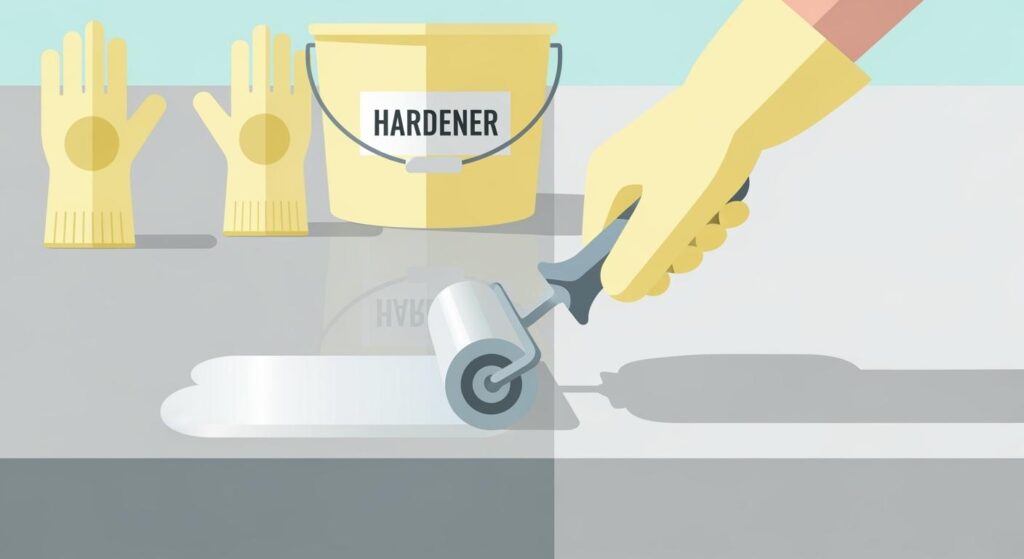
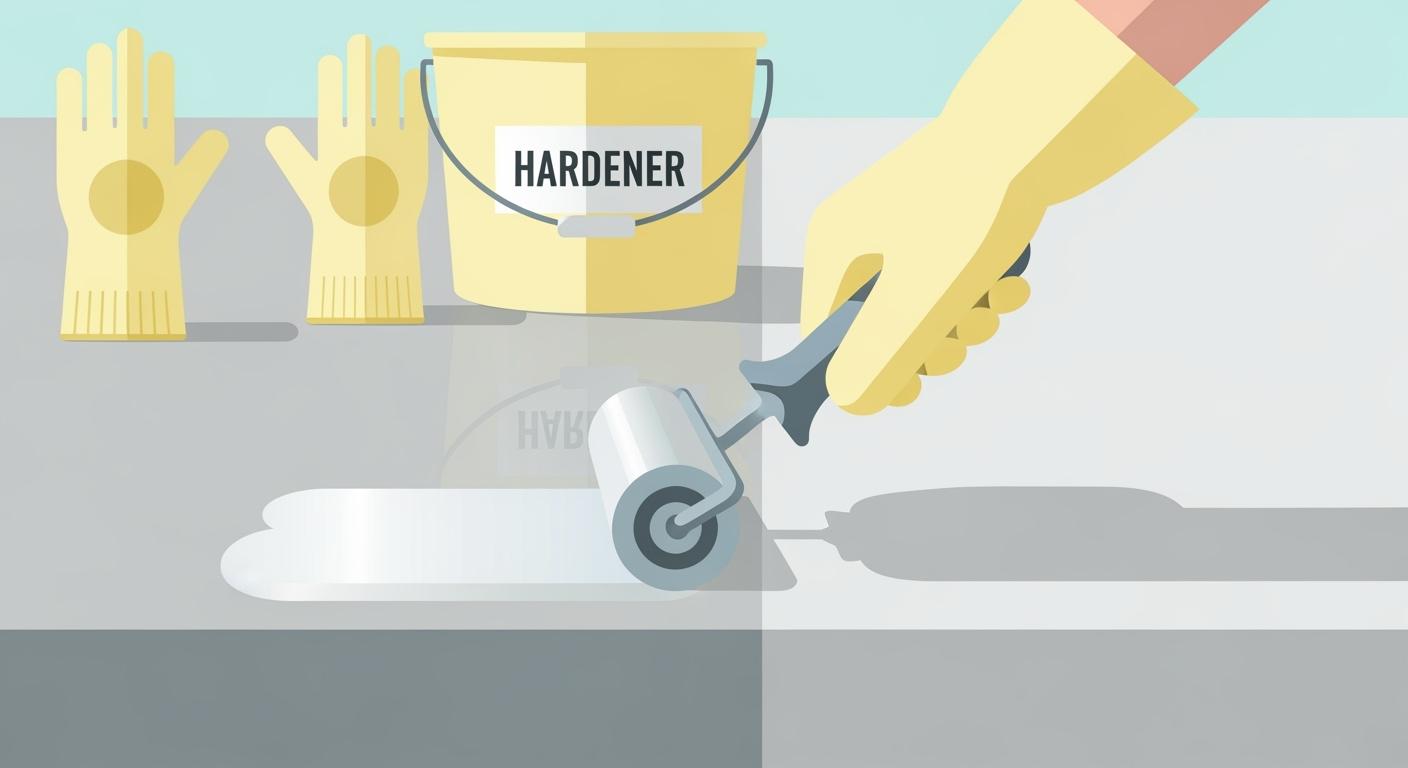
Crystal concrete hardeners are liquids. They go on concrete surfaces. These hardeners make concrete stronger. They also make less dust. They make it look better too. Many people want concrete hardeners. This shows they are useful. Putting them on correctly is important. It makes the concrete last a long time. Learn how to put on this hardener. Use our guide to help you.
Key Takeaways
Crystal concrete hardeners make concrete stronger. They fill tiny holes in the concrete. This makes the concrete last longer. It also makes less dust.
First, clean your concrete surface. Also, fix any damage. This helps the hardener work best. Spread the hardener evenly. Use a sprayer or roller. Let it dry all the way.
Hardeners make concrete strong inside. Sealers stop stains on the surface. Use both for the best protection. This will protect your concrete well.
Understanding Crystal Concrete Hardeners and Their Benefits
The Science of Concrete Hardening
How do crystal concrete hardeners work? These liquid hardeners are special. They have things like sodium silicate. Some have acidic compounds. Silicon is 5% to 15% of their weight. You put them on concrete. A chemical reaction begins. Concrete has calcium hydroxide. This comes from its making. The hardener mixes with this. It makes more calcium silicate hydrate. We call this C-S-H. It is like glue for concrete. More glue fills the concrete’s holes. This makes the concrete much harder. It makes the concrete stronger. It also makes it last longer.
Key Advantages of Crystal Hardeners
Crystal concrete hardeners help your concrete floors. They give many good things. First, they make it very strong. These hardeners make a strong layer. This layer protects your concrete floors. It makes them much tougher. Your concrete will resist scratches better. This means less damage. Your concrete will also not make dust. This is good for building jobs. It is good for floors in stores or garages. The hardener fills small holes. This stops dust from forming. It also makes the concrete work better. It resists chemicals better. It also resists cold and heat damage. These liquids make concrete last longer. They also make it look nicer. They are smart for any concrete.
Preparing Concrete Surfaces for Hardener Application
Getting your concrete ready is super important. Good preparation helps the hardener work its best. It makes sure the hardener soaks into your concrete floors well. This gives you the best results for your concrete.
Surface Assessment and Repair
First, you need to look closely at your concrete surface. Check for any damage. You might see things like spalling or pitting, where small pieces flake off. You could also find cracking, like shrinkage cracks or bigger structural cracks. Sometimes, you see stained concrete from oil or grease. These issues can stop the hardener from working right. If you find any damage, fix it before you do anything else. You want a smooth, sound surface for the hardener.
Essential Cleaning for Concrete Surface Hardener
After repairs, you must clean your concrete floors very well. A clean surface lets the hardener soak in deeply. You need to remove all dirt, dust, and grime. If you have oil or grease stains, use a strong cleaner. Products like Smart ‘n Easy™ Concrete Oil, Grease, & Stain Remover work great. They get deep into the concrete to pull out tough stains. You can also use poultice methods; they bond with the oil and pull it out.
After cleaning, make sure your concrete is completely dry. This is key for the hardener application. Most experts say your concrete should have less than 5% moisture. For new concrete, you need to wait. Let it cure for at least 10 days. For the best results, wait a full 28 days. This ensures the concrete is ready for the hardener.
Effective Application of Crystal Concrete Hardener
Selecting the Right Hardener
You have many choices when you pick a concrete hardener. Not all concrete hardeners are the same. Some are dry powders you shake on. Others are liquid chemical hardeners. For a crystal concrete hardener, you usually look at liquid options. Think about what your concrete needs.
One great option is Endurable Concrete Hardener. This hardener is almost pure silica. It has tiny particles. This helps it soak deep into your concrete. The silica reacts with calcium hydroxide in the concrete. This makes calcium silica hydrate. This makes your concrete harder. It also makes it resist wear better. This product is special. It can bond to the silica already in your concrete. It also bonds to itself. This makes the concrete denser. Other types, like sodiums, potassiums, and lithiums, do not do this as well. Silica technology is often better for concrete hardening. It bonds well. Its small particles work very effectively on your concrete floors.
Mixing and Dilution
Most liquid hardeners come ready to use. You usually do not need to mix them with water. Always read the label on your specific hardener. The manufacturer tells you exactly what to do. If you need to dilute it, follow their instructions carefully. Using too much water can make the hardener less effective. Using too little can make the liquid too strong. You want the right balance for your concrete floors.
Application Methods and Techniques
Now it is time for the application of surface hardener. You want to apply the hardener evenly. This helps it soak into the concrete’s porous surface. It works best when it can get deep inside. The hardener typically needs about 20 to 30 minutes to penetrate the concrete.
Here is a smart tip: Start applying the hardener at the point farthest from where you will exit. Then, work your way backward. This stops you from walking over wet areas. It also prevents you from applying too much hardener in one spot. This ensures an even application.
What tools should you use for these concrete hardeners?
Sprayers are great for applying concrete densifiers. They help you get an even coat on your concrete floors.
A standard industrial-grade sprayer works well. A Chapin 1949 is a good example.
Use a spray nozzle that gives you a flow of 0.1 GPM (0.379 LPM) at 40 psi. This helps control the amount of liquid you put down.
You can also use a short-nap roller. This helps spread a uniform film. It also rolls out any puddles that form. You do not want puddles of hardener sitting on your concrete floors.
After you apply the hardener, you might need to clean the surface. An auto scrubber, like a DP-SCRUB20, is good for this. It cleans the surface. It also makes sure no dust or debris stops the liquid hardeners from working.
Curing and Post-Application Care
After you apply the hardener, let it cure. This means letting it dry and react fully. The exact time depends on the product and conditions. Usually, you need to keep the concrete surface dry for a few hours. Avoid heavy traffic on your concrete floors for at least 24 hours. This gives the hardener time to do its job. It makes your concrete floors strong and durable. You have now protected your concrete.
Fixing Problems and Best Ways to Use Hardened Concrete
Fixing Common Application Problems
You might have problems. This is after you put on concrete hardeners. A common problem is white stuff. It looks like a cloudy film. This happens a lot. High moisture causes this. It makes a misty look. Or it makes a blush. This happens when water mixes. It mixes with the hardener. This is during drying. Cold weather can also make it cloudy. If you do not mix well, you see cloudy lines. Water from tools can also cause haze. Water in the air can too. For sawcuts, white haze is from trapped water. Putting too much hardener in cuts also causes it. Make sure sawcuts are very dry. Put on thin layers. This stops the problem.
Taking Care of Hardened Concrete
Keeping your concrete floors nice is easy. Clean them often. This keeps them strong. It keeps them looking good. You have many safe cleaning choices. Brody Chemical has strong cleaners. They remove hardened concrete. They do not hurt the surface. You can use acid cleaners. These remove mineral buildup. Alkaline cleaners break down oil. They break down grease. Enzymatic cleaners remove stains gently. Products like DiamaClean-30 are good. They are for concrete with lithium hardeners. Ameripolish® Rejuvenating Cleaner also cleans. It makes the sealer stronger. LSKlean cleans. It makes concrete harder. For daily cleaning, DailyKlean is good. These special cleaners help your concrete. You should deep clean floors every three months. Reseal them once a year. Do this in busy areas. This makes them last longer.
Crystal Concrete Hardeners Versus Sealers
Functional Differences
Crystal concrete hardeners and sealers protect your concrete floors. But they work in different ways. Think of it like this:
Crystal concrete hardeners, especially with silicates, react with your concrete. They find calcium hydroxide inside. This makes new structures. These structures fill tiny holes. They make the concrete denser. They make it much harder. This is like adding more “glue.” These liquid hardeners change the concrete’s inside. They make the surface stronger.
Sealers are different. They do not change the concrete’s inside. They sit on top. Or they soak into pores. They create a barrier. This barrier stops liquids. It stops stains and dirt. They protect your concrete floors from outside.
Feature | Hardeners (Densifiers) | Sealers (Topical/Penetrating) |
|---|---|---|
Purpose | Increase surface hardness. Increase wear resistance. | Create a protective barrier. Protect against stains and moisture. |
Mechanism | Chemical reaction with concrete. Forms a stronger surface. | Forms a coating. Or soaks into pores. Creates an inner barrier. |
Longevity | Long-lasting. Often permanent. | Needs reapplication (1-5 years for topical). Long-lasting (5-10+ years for penetrating). |
When to Use Each Product
Choose between concrete hardeners and sealers. It depends on what you need. Want stronger concrete? Use a hardener. Hardeners are great for busy concrete floors. Like garages or warehouses. They make the top stronger. They also reduce dust. This makes your concrete floors last longer. They help prepare for polishing.
Need to protect from stains? Or chemicals? Or moisture? Use a sealer. Sealers are good for concrete floors. Where spills happen often. They keep water out. They make your concrete look better.
Can you use both? Yes! For best results, use both. A liquid hardener strengthens inside. Then, a sealer adds protection. This makes your concrete floors super strong. And well-protected. Some liquid products are both. They are a hardener and a penetrating sealer.
You now know how crystal concrete hardener helps your concrete. It makes it strong. It makes it look good. Put these concrete hardeners on right. This makes them last long. Get your concrete ready first. Then, put the concrete hardeners on smoothly. This makes your concrete strong. It will not make dust. Your concrete will stay good. It will be safe with these hardeners.
FAQ
How long does crystal concrete hardener last?
Crystal concrete hardeners work forever. You usually do not put them on again. They join with your concrete. ✨
Can you paint or epoxy over hardened concrete?
Yes, you can paint over it. You can also use epoxy. The hardener makes the surface harder. Paint sticks better to it.
Is crystal concrete hardener safe for indoor use?
Yes, it is safe inside. It has low VOCs. It is not harmful when dry. It makes the air cleaner. It stops dust.
See Also
Maximize Concrete Life: A 2025 Guide to Floor Hardener Application
Choosing the Ideal Concrete Floor Hardener: Your 2025 Selection Guide
Liquid Solutions: Concrete Floor Hardener, Sealer, and Densifier Explained
Achieve Lasting Repairs: The Ultimate Guide to Cement Crack Sealer
Buying Guide: Concrete Densifiers, Hardeners, and Sealers for Durability
