

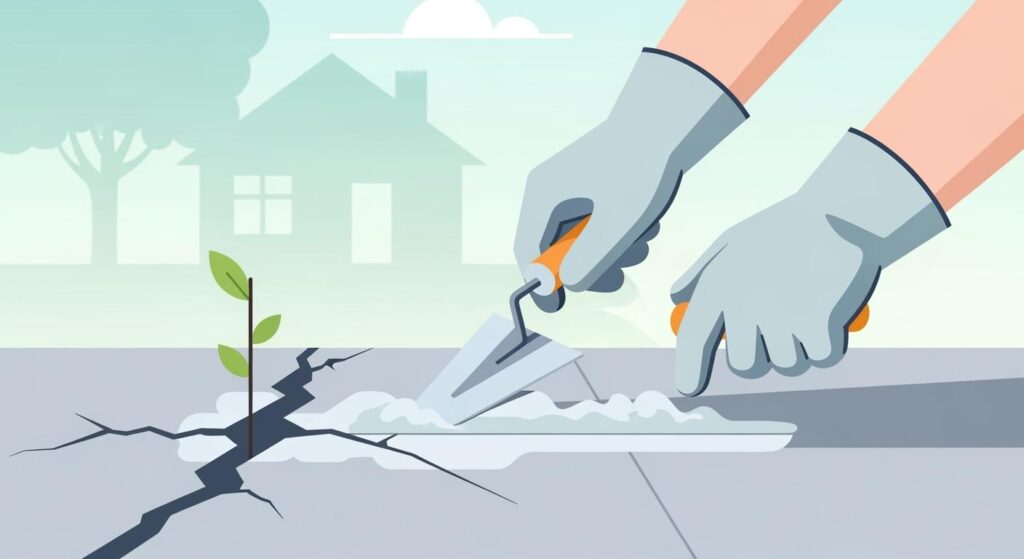
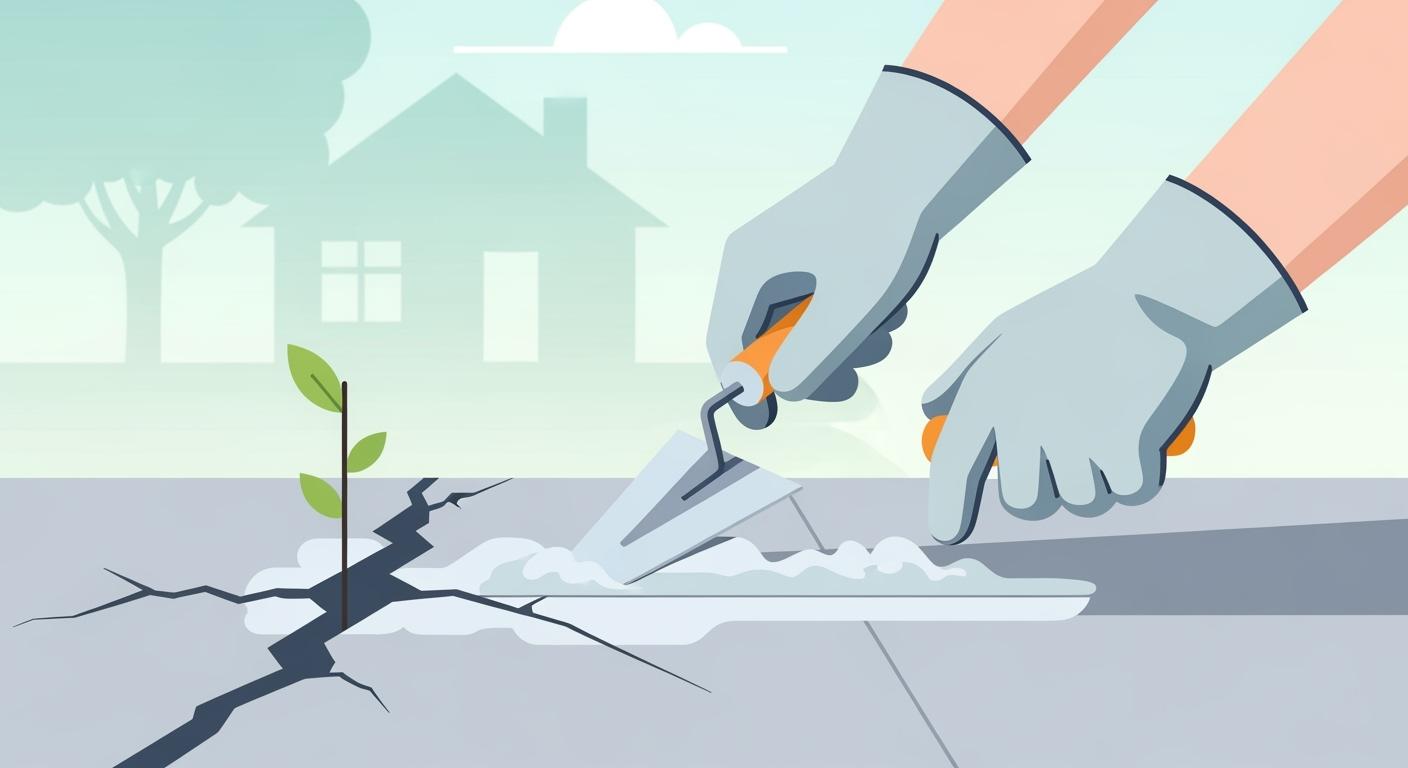
You see cracks in your concrete driveway. They are not just ugly. These concrete cracks signal bigger issues. They lead to further damage. Professional concrete repair is crucial for safety and property value. This guide helps you find reliable concrete crack repair. You will learn about effective waterproofing and comprehensive protection. We also discuss repairing cracked concrete roads for your concrete.
Key Takeaways
Cracks in your driveway are dangerous. They can cause trips and falls. Professional repair fixes these issues and keeps your driveway safe.
Choose a professional for concrete repair. Look for licenses, experience, and good reviews. This ensures a lasting fix and protects your home.
Waterproofing is important for your driveway. It stops water damage. This makes your concrete last longer and prevents future cracks.
Why Professional Concrete Crack Repair is Essential
Understanding Crack Types and Their Dangers
Your driveway’s cracks are more than just cosmetic flaws. They signal potential dangers. Cracks in your concrete can start from freeze-thaw cycles or poor installation. These issues lead to further damage and structural compromise. Uneven surfaces, often from settling or bad drainage, create tripping hazards. They also make your driveway less functional. Cracks and uneven spots cause trips and falls. These can range from small scrapes to serious fractures. Poor drainage also makes surfaces slippery, especially after rain. This increases your risk of slips. You need to recognize these visible signs of foundation problems. They are often common foundation issues that need attention.
When DIY Isn’t Enough: Structural vs. Superficial Cracks
You might think about a quick DIY fix. But not all cracks are the same. Superficial cracks are minor. You can often patch them yourself. Structural cracks are different. They indicate deeper problems with your concrete slab. These cracks often run deep or show significant displacement. Trying to fix these yourself can hide the real issue. It might even make things worse. You need professional repair methods for foundation issues when you see these serious cracks. Ignoring them can lead to more expensive repairs later. These are serious common foundation issues.
The Long-Term Benefits of Expert Repair
Choosing professional foundation repair services offers many benefits. Experts provide quality workmanship. Their repairs are long-lasting and durable. This saves you money over time. Professionals offer cost-effective solutions. They address the root cause of the problem. This prevents future damage to your concrete. They also know building codes and regulations. This ensures all repairs meet necessary standards. Proper waterproofing is often part of their solution. It protects your concrete from moisture. This prevents future common foundation issues. Experts can also advise on comprehensive waterproofing strategies. This protects your investment. You want your concrete to last, and good waterproofing helps.
Key Factors for Choosing the Right Company
You need to find a reliable service for your driveway. This means carefully evaluating potential contractors. Making the right choice ensures a lasting repair. It also protects your investment. Here are the foundational criteria for choosing the right company.
Verifying Licenses, Certifications, and Insurance
Before you hire anyone, always check their credentials. A legitimate contractor has proper licensing. This proves their legal authorization to do the work. You should ask for proof of their contractor’s license. Local regulations also matter. They often dictate specific requirements for slab foundation construction. These rules cover things like reinforcement, slab thickness, or how they prepare the soil. Your local building department can tell you about specific requirements in your area. Different areas have varying requirements for soil types and their treatment.
Certifications show a contractor’s specialized knowledge. Look for certifications from respected organizations. These include the American Concrete Institute (ACI) and the International Code Council (ICC). Some specialists also hold a Structural Repair Certification (SRC). The Structural Engineering Certification Board (SECB) offers another important certification. You might also find a Structural Repair Technician Certification. Organizations like the National Association of Waterproofing and Structural Repair Contractors (NAWSRC) provide these. These certifications mean the contractor has proven expertise. They understand the best repair methods. This is crucial for effective concrete repair.
Assessing Experience and Specialization in Concrete Repair
Experience truly counts in concrete repair. You want a company that has seen it all. An experienced contractor understands different crack types. They know how to match repair methods to your specific crack and existing conditions. Some foundation repair companies specialize in certain types of damage. For example, some focus on structural issues. Others might excel at cosmetic fixes. You need to find foundation repair companies with a proven track record. They should have specific expertise in concrete repair. Ask about their past projects. Do they have experience with driveways similar to yours?
Specialized foundation repair companies often offer better solutions. They know the nuances of concrete. They can identify underlying problems. This goes beyond just filling a crack. They consider factors like soil stability and drainage. This ensures a comprehensive repair. They also understand the importance of proper waterproofing. Good waterproofing protects your concrete from future damage. It extends the life of your repair. You want foundation repair companies that offer long-term solutions, not just quick fixes.
The Value of Professional Association Memberships
Professional association memberships signal a company’s commitment to quality. These memberships show a contractor’s professional standing. For example, a construction company listing ‘GAPEKNAS MEMBERSHIP‘ under its ‘CERTIFICATES’ section suggests that such memberships are recognized credentials within the industry. You gain peace of mind when you choose a company with these affiliations.
Look for memberships in groups like:
The American Concrete Institute (ACI)
The American Society of Concrete Contractors (ASCC)
The ACPA, for instance, represents businesses involved in designing, building, and preserving concrete pavements. Their mission is to promote concrete paving. They provide advocacy and technical support. ACPA’s Sarah Dalton even conducted training for the Missouri Department of Transportation. This training focused on Concrete Pavement Inspection Best Practices. It covered the entire pavement lifecycle. This included materials, on-site processes, and effective repair methods.
Choosing a contractor with these memberships offers several advantages. You get enhanced professional credibility. They also have an expanded professional network. This means they stay updated on the latest techniques and materials. These associations often set industry standards. They promote best practices. This ensures you receive high-quality service. It also means the foundation repair companies you consider are committed to excellence. They are more likely to provide durable solutions. They understand the importance of proper waterproofing for your concrete.
Evaluating Contractor Expertise and Repair Methods
Now that you know what to look for in a reputable company, you need to scrutinize their proposed solutions. This means really digging into how they plan to fix your driveway. A good service ensures your driveway can safely carry its intended load. If repair isn’t enough, they should recommend replacement. This section helps you with evaluating contractor expertise and their proposed methods.
Understanding Proposed Repair Techniques and Materials
Not all cracks are the same, and neither are the ways to fix them. A skilled contractor understands this. They will explain the specific repair techniques they plan to use for your driveway’s unique issues. They should also tell you about the materials. Different materials work best for different types of cracks and conditions.
For instance, consider the various resins used in concrete crack repair:
Resin Type | Key Characteristics | Primary Application |
|---|---|---|
Polyurethane Foam Resins | Expands with water, forms tough/flexible elastic foam, temporary water blocking | Temporary water blocking in cracks/voids (often followed by permanent injection) |
Polyurethane Resins | Hydrophobic, flexible, low viscosity, strong edge adhesion | Non-structural sealing and waterproofing of voids, cracks, and joints |
Acrylate Resins | Hydrophilic, very flexible, extremely low viscosity, adjustable hardening time | Non-structural injection of cracks, joints, voids, and area injections (e.g., grid/curtain) |
Epoxy Resins | High tensile/compressive strengths, rigid, low viscosity, strong adhesion | Structural repairs in load-bearing reinforced concrete structures/elements |
Microfine Cement Suspensions | Non-flexible, rigid, polymer-modified, high flow, good penetration | Sealing non-moving cracks, voids, and construction joints (structural injection) |
Beyond these traditional methods, you might even hear about innovative repair techniques. Did you know some methods use bacteria? One exciting approach involves Bacillus subtilis bacteria and calcium lactate. This technique has shown amazing results, achieving a crack repair rate of 95.94% within 28 days! It also makes the concrete stronger, increasing compressive strength by over 13%, reducing permeability by over 53%, and decreasing absorption by over 22%. Microscopic views confirm calcite crystals actually fill the cracks and pores. This kind of advanced solution can offer incredible durability.
The Process of Repairing Cracked Concrete Roads: What to Expect
When you hire a professional to repair cracked concrete roads, you should expect a clear, step-by-step process. They won’t just show up and start patching. First, they will thoroughly inspect your driveway to identify the root cause of the cracks. This might involve looking at drainage, soil conditions, or even the original installation.
Next, they will prepare the area. This often means cleaning the cracks, removing loose debris, and sometimes widening them slightly to ensure proper material penetration. Then comes the actual repair. Depending on the crack type and chosen material, they might inject resins, apply sealants, or use other specialized methods. A good contractor will explain each step as they go. They will also discuss how they plan to incorporate waterproofing to protect your newly repaired concrete. This is crucial for preventing future issues. You want to understand exactly how they will repair cracked concrete roads for you.
Ensuring Long-Term Solutions: Preventing Future Damage
A truly expert contractor doesn’t just fix the visible crack. They aim to provide long-term solutions. This means they address the underlying causes of the damage. For example, if poor drainage caused your cracks, they might suggest improvements to your landscaping or install a French drain. They want to prevent the problem from coming back.
They will also discuss preventative measures. This often includes applying sealants or coatings to your concrete surface. These products create a barrier against moisture, chemicals, and UV rays. This is where comprehensive waterproofing comes into play. Proper waterproofing is essential for the longevity of your driveway. It protects the concrete from water infiltration, which can lead to freeze-thaw damage and further cracking. When you repair cracked concrete roads, you want that repair to last. A contractor focused on long-term solutions will emphasize these protective steps. They ensure your investment in repairing cracked concrete roads truly pays off by safeguarding your driveway for years to come.
Beyond Basic Repair: Considering Waterproofing and Protection
You fix the cracks in your driveway. But you also need to think about long-term protection. This means considering advanced waterproofing solutions. They keep your concrete strong and prevent future problems.
The Role of Waterproofing in Concrete Longevity
Waterproofing does more than just keep water out. It forms a strong barrier. This barrier stops water from entering your concrete. It protects structural parts from corrosion and decay. This mitigation of structural deterioration slows down damage. Waterproofing also prevents mold and mildew growth. These thrive in wet places and harm your health. It preserves your driveway’s look by stopping discoloration and stains. You reduce maintenance costs with good waterproofing. This enhances your driveway’s economic sustainability. Ultimately, waterproofing significantly extends your concrete‘s lifespan. It ensures a long-lasting and resilient structure.
When to Opt for Professional Concrete Waterproofing
You might wonder when to call in the experts. Cracks in your concrete are a main source of leaks. If you see these leaks, you need help. You might feel unsure about the correct application technique. You want neat and guaranteed workmanship. These are all good reasons for professional concrete waterproofing. Excess moisture can cause structural damage to your home. It can also lead to health problems from mold and mildew. These are clear signs you need expert intervention.
Comprehensive Solutions for Crack Prevention and Durability
Combining crack repair with comprehensive waterproofing solutions offers many benefits. This approach prevents water damage to your structure. It avoids costly repairs later. It also prevents health issues like mold. This gives you lasting protection. It strengthens the structure. It ensures a safe, dry, and durable environment for years. You can use different systems. Crystalline waterproofing coating seals capillaries. Polyurethane waterproofing is flexible. Elastomeric waterproofing offers high flexibility. Liquid admixtures like ADPRUFE® reduce water absorption. Cold-applied systems like SILCOR® create seamless membranes. These concrete waterproofing coatings provide trusted waterproofing solutions. They are crucial for maintaining strength and longevity.
The Vetting Process: Getting Quotes and Making Your Decision
You have done your research. Now it is time to talk to contractors. This final step helps you choose the best service. You want a lasting repair for your driveway.
What to Ask Prospective Concrete Repair Contractors
When you talk to potential contractors, ask these key questions. They help you understand their expertise and reliability:
What is your company’s experience with slab foundations, especially in this region?
Can you provide references from previous clients for similar projects?
What are your company’s procedures for ensuring quality control during the construction process?
Do you have detailed blueprints and specifications for the slab foundation design?
How do you handle potential issues or problems that may arise during the construction process?
What is your process for handling site preparation and excavation?
What is your payment schedule, and what forms of payment do you accept?
What are your company’s policies for handling warranty and maintenance, including any waterproofing guarantees?
Deciphering Repair Proposals and Contracts
You will receive proposals. Read them carefully. A good proposal clearly outlines the work. It lists materials, timelines, and costs. Look for details on how they will prepare the site. Check for specific repair methods. Ensure it includes any necessary waterproofing. The contract should match the proposal. It should protect both you and the contractor. Do not sign anything you do not understand.
Red Flags to Watch Out For in Service Providers
Be cautious of certain signs. Avoid contractors who offer very low bids. They might cut corners. Be wary of those who pressure you for an immediate decision. A reputable company gives you time. They should not ask for full payment upfront. Always get everything in writing. A lack of proper licensing or insurance is a major red flag. Also, if they cannot explain their waterproofing methods clearly, look elsewhere.
Selecting the right concrete crack repair service is a critical investment for your property’s safety, integrity, and appearance. Prioritize experience, licensing, insurance, and transparent communication. Ensure appropriate repair methods, including waterproofing. This guarantees long-term waterproofing and protection. Be diligent for durable waterproofing and effective protection, ensuring your concrete’s lasting durability.
FAQ
Why is waterproofing important for my driveway?
Waterproofing stops water from entering cracks. This prevents freeze-thaw damage. It protects your concrete’s structure. Good waterproofing extends your driveway’s life.
Can I do waterproofing myself?
You can apply some sealants. But professional waterproofing offers better, longer-lasting protection. Experts use specialized materials and techniques. This ensures proper waterproofing.
How long does professional waterproofing last?
Professional waterproofing can last many years. It depends on the materials and application. Your climate and traffic also play a role. Ask your contractor for specifics.
See Also
Simple Concrete Crack Repair: Prevent Small Issues From Becoming Major Headaches
Choosing the Right Cementitious Crack Sealer for All Your Surfaces
BANDě’s Expert Advice: Selecting the Ideal Cementitious Crack Sealer
Achieve Durable Repairs: Your Ultimate Guide to Cement Crack Sealers
Ditch Epoxy Mess: Upgrade Your Garage Floor With This Easy Densifier
