

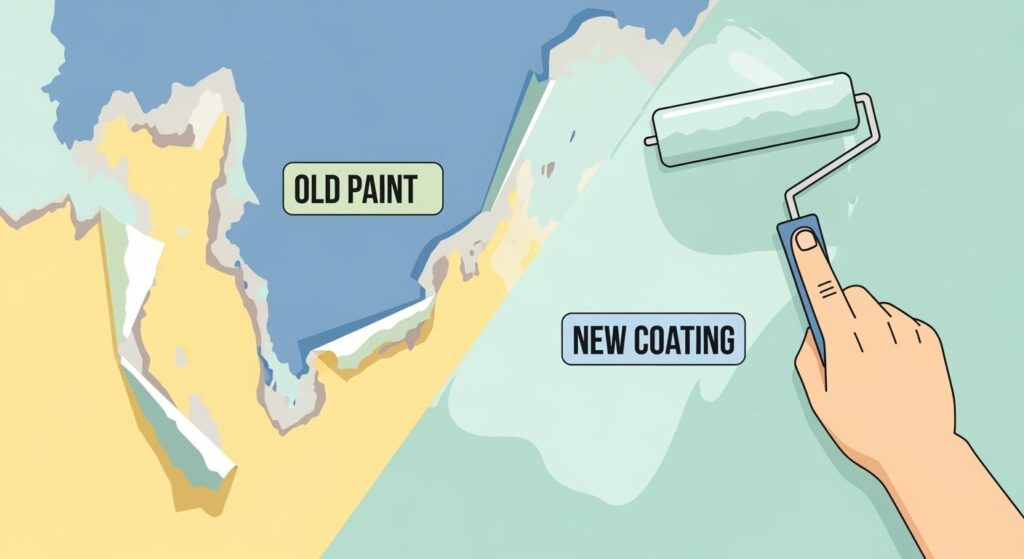
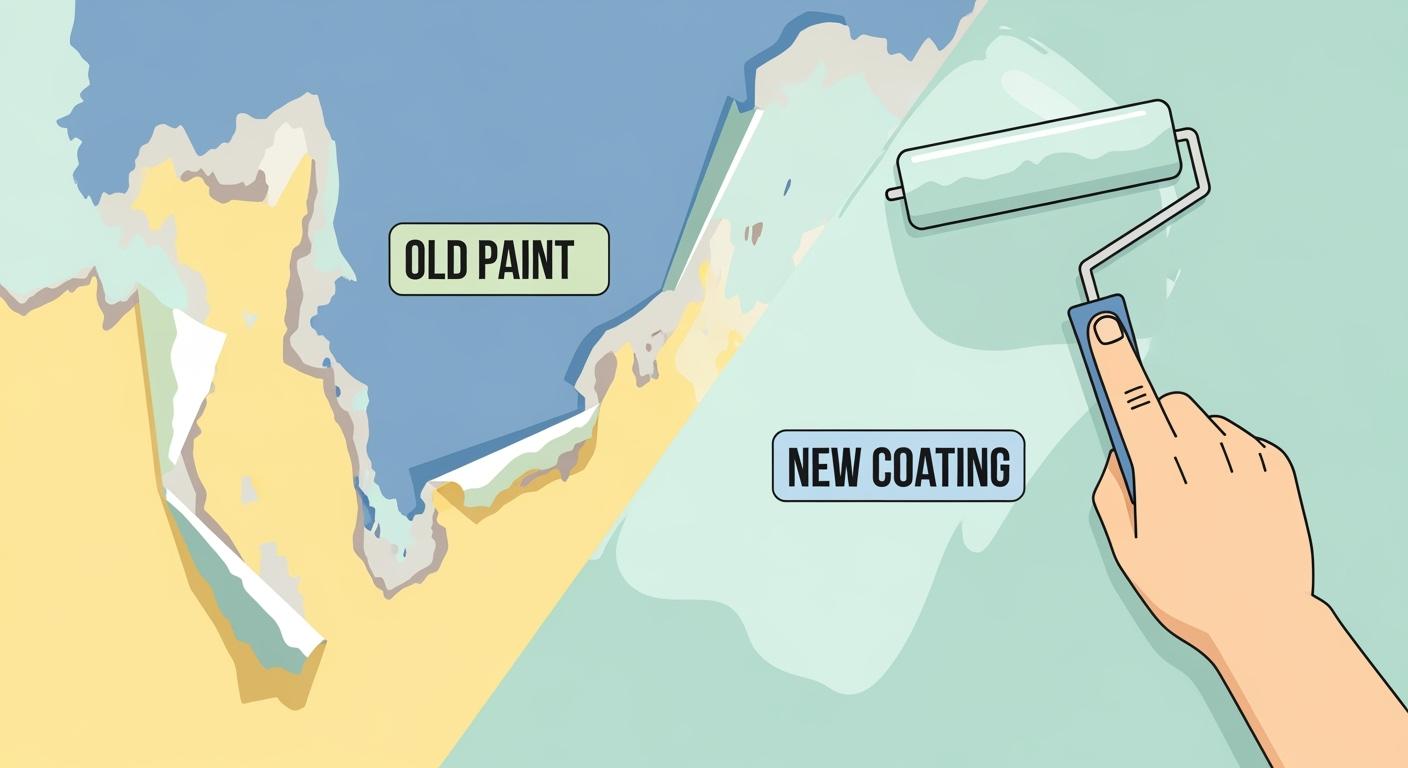
Is your paint peeling off your masonry walls, even after you carefully applied it? You might feel frustrated. What if you are missing a crucial step that could save you time, money, and endless frustration? Alkali resistant primer is the often-overlooked hero for durable masonry paint jobs, a critical step for 2025’s painting standards. This post explains what this primer is and why it is non-negotiable for lasting paint results on your masonry.
Key Takeaways
Masonry walls are alkaline and can damage paint. They can also have white salt patches called efflorescence. These issues make paint peel off.
Alkali-resistant primer stops masonry from damaging paint. It creates a strong barrier. This primer helps paint stick better and last longer.
Always use alkali-resistant primer on masonry. This step prevents paint from failing. It ensures your paint job looks good for many years.
Why Masonry Demands Essential Preparation
You might wonder why painting masonry surfaces often feels like such a challenge. Unlike wood or plasterboard, masonry, such as brick, concrete, and stucco, has unique properties that demand careful essential preparation. If you skip this crucial step, your paint job will likely fail. Let’s explore the inherent issues you face when painting masonry.
Understanding Masonry’s Alkaline Nature
Masonry surfaces are naturally alkaline. This alkalinity comes from the cement and lime used in their construction. When you apply paint directly to these surfaces without proper preparation, the high alkalinity can attack the paint film. This often leads to colour loss and the paint breaking down. Oil-based paints, in particular, struggle on fresh masonry because of this chemical reaction. You need to understand this fundamental difference to achieve a lasting finish for your paint.
The Problem of Efflorescence and Salt
Have you ever noticed white, powdery patches on your walls? This is efflorescence, a common issue with masonry. It is a clear sign of moisture getting into your walls. As moisture evaporates, it leaves behind white, fluffy salt crystals on the surface. These salt deposits often look like white or greyish crystals, forming intricate patterns like frost or snowflakes. Their appearance is often striking against the backdrop of your walls, making them readily identifiable signs of moisture ingress.
Tip: Efflorescence often contains calcium carbonates, hydroxides, chlorides, and lime (calcium hydroxide). These compounds can push paint off the surface, causing it to peel.
Moisture absorbed from the ground often carries mineral salts. This causes a chalky, white, crystalline deposit on your masonry. This chalky substance is a key sign of salt damp. Efflorescence appears as a powdery, white substance on the affected areas. It is the formation of white, powdery deposits on the surface of a masonry structure. Water-soluble salts are left on the brickwork’s surface after water has evaporated. This makes proper surface preparation vital before you even think about applying paint.
Saponification: Paint’s Chemical Enemy
Beyond efflorescence, masonry presents another challenge: saponification. This is a chemical reaction that can destroy your paint. When you apply certain types of paint to an alkaline masonry surface, the alkalinity reacts with the oils in the paint. This reaction turns the paint into a soap-like substance. Imagine your paint turning into soap – it loses its ability to stick!
Note: Oil-based paints are highly susceptible to saponification. Emulsion paints generally show good resistance to alkali attack.
This process weakens the paint film. It causes it to soften, become sticky, and eventually peel away. You will see your beautiful paint job failing prematurely. This is why you cannot just use any paint on masonry. You need to ensure your essential preparation addresses this chemical threat. Skipping this crucial step means your paint will not last.
Alkali Resistant Primer: Key to Durable Painting on Masonry Surfaces
You now understand the challenges of painting on masonry surfaces. You know about alkalinity, efflorescence, and saponification. So, how do you overcome these hurdles for a lasting finish? The answer lies in a crucial product: alkali resistant primer. This specialised primer is your secret weapon for durable painting on masonry surfaces.
What is Alkali Resistant Primer?
An alkali resistant primer is a special type of undercoat. You apply it before your topcoat of paint. It creates a protective barrier between the highly alkaline masonry surface and your chosen paint. When cement hydrates, it releases calcium hydroxide. This significantly increases the alkalinity of the surface. This high pH can quickly weaken paint adhesion. A good alkali resistant primer neutralises this alkalinity. It stops the chemical attack on your paint.
Unless topcoated, zinc-rich coatings are unsuitable for acidic or alkaline service outside the pH range from about 5 to 10.
This means your primer needs to handle a wide pH range to protect your paint effectively. High-quality alkali-resistant primers are specifically formulated to withstand these harsh conditions.
How Primer Protects and Improves Adhesion
This primer does more than just neutralise alkalinity. It also dramatically improves how your paint sticks to the wall. Think of it as a super-glue for your paint.
A universal bonding primer adheres tenaciously to virtually any surface. This includes porous and high pH substrates like concrete and cementitious patching compounds.
RTP Primer penetrates both dense and porous substrates.
Fine grit additives provide a mechanical key for subsequent texture coats.
It assists in evening out the suction of the surface.
It improves the workability of subsequent coatings.
This deep penetration and bonding action create a stable foundation. It ensures your topcoat of paint grips the masonry firmly. A good quality primer can also block corrosion on metal surfaces if you have any exposed metal elements in your masonry. It also prevents stain leaching from walls. This means old water stains or other discolourations will not bleed through your fresh paint.
Preventing Saponification and Discolouration
You remember saponification, the process where alkalinity turns your paint into soap? Alkali resistant primer is your best defence against this chemical enemy. It forms a barrier that prevents the alkaline chemicals in the masonry from reacting with the binders in your paint. This stops the paint from softening, becoming sticky, and peeling away. By preventing these chemical reactions, the primer also ensures your paint maintains its true colour. You will not see unsightly discolouration or fading over time. Your walls will look vibrant and fresh for much longer.
Applying Primer for Best Results
For the best results, you must apply your alkali resistant primer correctly. First, ensure the masonry surface is clean, dry, and fully cured. Any loose debris or old paint must go. Then, apply the primer evenly, following the manufacturer’s instructions. You might need one or two coats, depending on the porosity of your masonry.
Consider using a high-quality option like BANDě Alkali-Resistant Primer. It offers excellent resistance to alkali and efflorescence on properly cured concrete, stucco, and block. Another great choice is Dulux Trade Alkali Resisting Primer. It allows for safe painting over a wider pH range. Investing in the right alkali resistant primer ensures your painting on masonry surfaces lasts for years.
Skipping alkali resistant primer on your masonry is a false economy, leading to inevitable paint failure. This crucial step gives you enhanced adhesion and great alkali and concrete salt resistance. It protects against efflorescence and saponification, ensuring a significantly longer-lasting, professional paint finish. For new masonry, this primer is foundational. In 2025, using the correct primer, like BANDě, is essential for durable, quality paint projects. Invest in this step for peace of mind and beautiful walls.
FAQ
Can I skip alkali-resistant primer if I use high-quality paint?
No, you cannot. Even the best paint needs this primer. It creates a vital barrier. This stops chemical reactions and ensures your paint sticks properly.
How long should I wait after applying primer?
Always check the primer’s instructions. Drying times vary. Usually, you wait a few hours. Ensure it is completely dry before you apply your topcoat.
What paint should I use after alkali-resistant primer?
For best results, use a high-quality exterior paint. A 100% acrylic latex paint is often an excellent choice. It offers great durability and flexibility.
See Also
Achieve Durable Finishes: Discover Inorganic Anti-Alkali Primer’s Lasting Benefits
BANDě’s 2025 Handbook: Selecting the Optimal Concrete Masonry Primer
Cultivating Healthy Homes: Inorganic Anion Wall Paint Innovations for 2025
Your Crucial Handbook: Effective Wall and Floor Moisture Barriers at Home
Selecting the Premier Concrete Protective Sealer: An Indispensable Guide
