

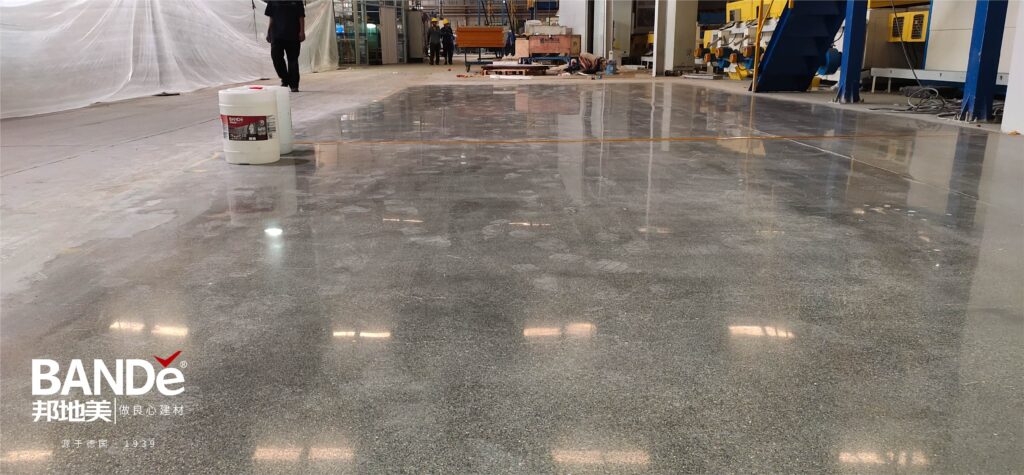
Concrete’s strength and durability are critical for modern construction, especially for demanding C30+ projects. A concrete strengthening agent is vital for achieving superior strength and lasting durability, extending structural lifespan. Ongoing innovation addresses strength variability, durability, and sustainability challenges, continually improving structural strengthening and overall strengthening.
Key Takeaways
Concrete strengthening agents make concrete stronger and last longer. They help buildings meet tough construction rules.
Different materials like steel, fibres, and special chemicals improve concrete. They stop cracks and protect against damage.
New methods like FRP systems add strength to existing concrete. They make structures safer and more durable.
Internal Reinforcements: Enhancing Concrete’s Core Strength
Steel Reinforcement: The Enduring Standard
Concrete’s tensile strength is inherently weak. Steel reinforcement, typically rebar, provides the solution. Steel’s tensile strength (approx. 53,700 psi) far exceeds concrete’s, enhancing overall tensile resistance. Reinforcement directly boosts concrete’s tensile strength, carrying tension and preventing crack propagation. Twisted Steel Rebar (TSR) notably improves concrete’s tensile splitting strength, crucial for concrete strengthening.
Fibre Reinforcements: Modernising Concrete Properties
Fibre reinforcements transform concrete properties, improving strength and crack resistance. Different fibre types offer specific advantages:
Fibre Type | Primary Applications |
|---|---|
Steel Fibres | Replacement for steel mesh in slab-on-grade applications |
Macro Synthetic | Replacement for steel mesh in slab-on-grade applications |
Micro Synthetic | Plastic cracking mitigation, increasing tensile strength, and abrasion resistance |
Steel Fibres: Boosting Toughness and Crack Resistance
Steel fibre reinforced concrete shows higher flexural strength and toughness. It sustains greater loads before the first crack (‘first crack strength‘) and deflects more. Fibres arrest micro-crack propagation. Hooked end fibres can increase shear carrying capacity by 50% or more, boosting flexural strength. Steel fibre reinforced concrete improves crack resistance and impact performance. Engineers often specify steel fibre reinforced concrete for demanding applications.
Synthetic Fibres: Controlling Plastic Shrinkage and Impact
Synthetic fibres effectively control early-age cracking. Blends like SikaFiber® Novomesh®-950 inhibit plastic shrinkage and settlement cracks, offering optimal early-age and long-term reinforcement. Micro synthetic fibres primarily control plastic shrinkage cracking. Advanced macro synthetic fibres, like BarChip MQ58, also provide effective plastic shrinkage crack control. Macro synthetic fibres generally focus on structural reinforcement.
Glass Fibres: Alkali-Resistant Options for Durability
Glass fibres in concrete enhance durability. They resist the alkali-silica reaction (ASR) due to zirconia content. These alkali-resistant glass fibres directly contribute to concrete’s long-term durability by mitigating ASR.
Carbon and Basalt Fibres: High-Performance Additions
Carbon and basalt fibres offer high-performance reinforcement. FRP bars, including basalt fibres, boast a weight-to-strength ratio ten times better than steel alloy, and are two to three times stronger than reinforcing steel. Carbon fibres are known for exceptional strength-to-weight ratio and stiffness. These composite structures are corrosion-immune, extending service life and reducing maintenance, thus enhancing durability. Their lighter weight reduces transport costs and speeds installation. This allows for upgrades without extensive foundation reinforcement. These materials also offer a lower carbon footprint and contribute to long-term resource efficiency and durability.
Chemical Admixtures: Optimising Concrete Performance
Superplasticisers: Achieving High Strength with Reduced Water
Superplasticisers are crucial for achieving high strength concrete. They allow a significant reduction in water content while maintaining workability. These admixtures distribute polymer molecules onto cement particles, keeping them apart. This process helps achieve higher solid content and greater strength.
Corrosion Inhibitors: Protecting Steel in Harsh Environments
Corrosion inhibitors protect steel reinforcement in harsh environments, boosting durability. MCI® Admixtures, using advanced amine technology, migrate through concrete to form a protective layer on the steel, enhancing durability. MCI® Surface Treatments also protect embedded metals, extending lifespan.
Crystalline Admixtures: Enhancing Watertightness
Crystalline admixtures enhance watertightness and durability. They form catalytic cementitious crystalline growth within concrete pores, creating hydraulic pressure waterproof concrete. They also form a hydrophobic film, reducing water absorption and improving crack healing, adding to its durability. Sika® WT-200 P, for instance, seals concrete against water.
Accelerating Admixtures: Speeding Early Strength
Accelerating admixtures speed up early strength development in concrete, allowing faster demoulding and quicker project completion. This is especially useful in colder conditions.
Geopolymer Composites: Emerging Repair and Strengthening Materials
Geopolymer composites are emerging as repair and strengthening materials. They offer a green alternative with suitable structural properties. Geopolymer concrete columns can have their ductility enhanced with FRP confinement, contributing to structural strengthening.
BANDě: An Advanced Concrete Strengthening Agent
BANDě is an advanced concrete strengthening agent. It significantly enhances early and late concrete strength, especially for C30+ grades, leading to high-strength concrete. This agent improves concrete durability by reducing plastic shrinkage cracks and increasing density. It also boosts resistance to water penetration, freeze-thaw cycles, and carbonation, ensuring long-term durability. BANDě is compatible with various cement types and other admixtures, fitting seamlessly into existing construction processes. It is easy to use, being a liquid that dissolves readily. Environmentally friendly, it contains no chlorides or heavy metals. BANDě helps reduce cement usage and material costs while meeting strength requirements. It also provides a reliable solution for rectifying low-strength concrete, avoiding costly rework and further strengthening the structure.
Advanced External Structural Strengthening Techniques
Engineers often apply methods to the exterior of existing concrete structures for structural strengthening. These techniques include composite materials and repair systems. They significantly boost a structure’s overall strength and durability.
Fibre-Reinforced Polymer (FRP) Systems: Sheets, Plates, and Bars
Fibre-Reinforced Polymer (FRP) systems offer excellent solutions for external structural strengthening. These systems use sheets, plates, and bars made from strong fibres. They bond to the concrete surface. This method significantly increases the load-carrying capacity and overall strength of beams, columns, and slabs.
Carbon-Fibre-Reinforced Polymer (CFRP) Plates: High-Strength External Bonding
Carbon-Fibre-Reinforced Polymer (CFRP) plates provide high-strength external bonding. These lightweight, high-tensile strength materials are ideal for enhancing the flexural and shear strength of concrete elements. They offer superior performance for structural strengthening without adding significant weight.
Steel Plates and Cables: Traditional External Reinforcement
Steel plates and cables remain traditional methods for external reinforcement. Steel is the most common reinforcement for precast concrete. It has high tensile strength and similar thermal expansion properties to concrete. Engineers use steel in forms like rebar, wire, mesh, or cables for structural purposes. It provides high strength and durability, helping concrete products withstand various temperatures and conditions. This method significantly improves a structure’s strength.
Adhesives and Binders for Composite Strengthening
Adhesives and binders are crucial for composite strengthening. Epoxy resin is a key binder used in polymer concrete matrices. It helps bond composite materials like FRPs to the concrete substrate. This strong adhesion ensures the composite system works effectively to increase the structure’s strength.
Cementitious and Epoxy Repair Systems for Concrete Strengthening
Cementitious and epoxy repair systems are vital for concrete strengthening. These systems restore and enhance the strength of damaged concrete. Leading cementitious and epoxy mortars and primers extend the lifespan of structures. Epoxy systems provide superior adhesion, compressive strength, and structural reinforcement. They can restore the original monolithic characteristics of concrete, ensuring long-term performance. Epoxy often surpasses concrete’s compressive and tensile strength, making it effective for reinforcing compromised areas. It creates a tight, waterproof bond, preventing further deterioration.
Value | |
|---|---|
Compressive Strength (14 days + 23°C) | ~50 N/mm² |
Tensile Strength (14 days + 23°C) | 10-15 MPa |
Tensile Adhesion Strength | |
After 3 days (Dry Concrete) | > 5 N/mm² (100% concrete failure) |
After 3 days (Damp Concrete) | > 5 N/mm² (100% concrete failure) |
After 3 days (Steel Blast cleaned) | > 10 N/mm² |
After 3 days (Brick Dry) | > 1.5 N/mm² (100% brick failure) |
These systems offer decades of stability and reduced maintenance. They are a superior choice for structural repairs, especially in high-rise facades. A concrete strengthening agent like these repair systems ensures lasting integrity.
A diverse range of concrete strengthening agents are available in 2025, crucial for modern construction. They offer enhanced strength, improved durability, and superior crack resistance. Nanoengineered concrete significantly improves tensile strength, leading to improved durability. Selecting the right agent depends on project needs. Future trends like self-healing and smart concrete enhance durability and structural strength. These innovations build resilient infrastructure.
FAQ
What is the main purpose of concrete strengthening agents?
Concrete strengthening agents enhance concrete’s core strength and durability. They help structures meet demanding engineering requirements. These agents also extend a building’s lifespan.
How do chemical admixtures improve concrete?
Chemical admixtures optimise concrete performance. They improve strength, durability, and workability. Examples include superplasticisers for high strength and corrosion inhibitors for protection.
What are FRP systems used for in concrete strengthening?
FRP systems externally strengthen existing concrete structures. They use sheets, plates, or bars bonded to the surface. This significantly increases load-carrying capacity and overall strength.
See Also
BANDě’s 2025 Essential Guide to Concrete Densifiers and Hardeners
Selecting the Ideal Concrete Densifier, Hardener, and Sealer: Your 2025 Guide
Choosing the Optimal Concrete Floor Hardener: A 2025 Comprehensive Guide
Maximising Concrete Longevity: Applying Floor Hardener Effectively, Your 2025 Guide
Top 5 Industrial Concrete Floor Hardeners: Making the Best Choice
