

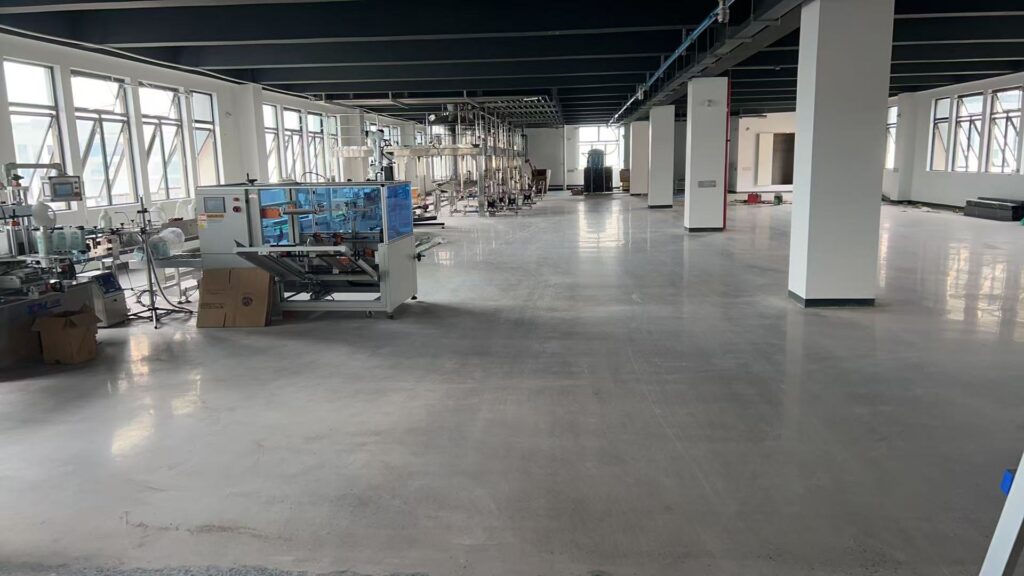
he “price per m2” for floor hardener varies significantly. Floor hardeners boost concrete durability, strengthening your concrete. This guide helps you understand these cost factors. You will learn to estimate your project’s “price per m2” for concrete floor hardener application. We will cover floor hardener beton and other floor hardeners.
Key Takeaways
Floor hardener costs change based on the type, brand, and how you apply it.
You can choose between liquid hardeners for old floors or dry-shake hardeners for new concrete.
Proper surface preparation and following instructions are key for a strong, long-lasting floor.
Floor Hardener Costs and Factors
You want to know the “price per m2” for floor hardener. Many things influence this price. Understanding these elements helps you budget accurately. You will see why prices differ so much.
Cost Factors for Floor Hardener
Several key factors determine the cost of your floor hardener project. These include the type of floor hardener you choose, the brand’s reputation, the product’s quality, and the method of application. Each of these plays a big role in the final “price per m2” you pay.
Types of Floor Hardener Beton
You have main choices when it comes to floor hardener beton: liquid hardeners and dry-shake hardeners. Each type has its own characteristics and cost implications.
Liquid concrete hardener penetrates existing concrete. You apply it to a cured concrete floor. It reacts with the concrete to create a denser, harder surface. This type is often used for existing concrete floors that need enhanced durability.
Dry-shake concrete hardener is different. You apply this as a dry compound onto fresh, wet concrete. It becomes part of the concrete surface as it cures. Dry-shake concrete hardener offers a cost-effective way to get high abrasion resistance for your concrete floors. It significantly improves floor performance. You can even find dry-shake concrete hardener with pigments. These give your floor a colored finish, moving beyond the typical grey concrete. Lighter colors can make your space brighter, possibly cutting down on lighting needs and saving energy.
Here are some characteristics of dry-shake concrete hardener:
It comes as a factory-blended powder, ready for you to use on-site.
It contains special aggregates chosen for their abrasion and wear resistance.
You can easily trowel it into fresh, wet concrete. This is because it has high-performance workability admixtures.
It cures monolithically. This means it forms a dense, non-porous, and extremely hardwearing surface.
It is non-metallic. This ensures a non-slip surface that will not rust.
It forms a monolithic bond with the base concrete. This avoids problems like shrinkage and cracking that you might see with thin screeds.
It is economical and easy to apply.
You can use dry-shake concrete hardener in many places. Think about industrial areas with heavy traffic. It works well for loading bays, trucking lanes, car parks, workshops, machine shops, ramps, and spillways.
Brand and Quality Impact
The brand of floor hardener you select significantly impacts the price. High-quality floor hardeners from reputable brands often cost more upfront. However, they deliver superior performance and increased durability. This means better long-term value for your investment.
Consider BANDě Crystal Floor Hardener as an example of a premium product. It is not a coating. Instead, it creates “grown” hardness within the concrete itself. This floor hardener offers self-polishing properties. It provides excellent resistance to water, oil, acid, and alkali (P12). You get impressive wear-resistance, with a 40% increase in compressive strength and a Mohs hardness of 6+. BANDě Crystal Floor Hardener is also eco-friendly, containing zero formaldehyde. You can achieve quick occupancy after application. It is also ideal for renovating old floors, potentially saving you up to 70% in costs compared to full replacement. Investing in such a high-quality concrete floor sealer ensures lasting performance for your floor.
Application Method Influence
The way you apply the floor hardener also affects the overall cost. You can choose to do it yourself (DIY) or hire professionals. Professional application might cost more in labor. However, it often ensures proper technique and optimal results, leading to better durability. Some floor hardeners are simpler to apply than others. This can influence the labor time and, therefore, the cost of the application. For instance, applying a dry shake concrete hardener requires specific timing and technique on fresh concrete. A liquid concrete hardener might be easier for a DIY enthusiast to apply to an existing floor.
How to Apply Concrete Floor Hardener for Durability
You want to make your concrete floor stronger and last longer, right? This section gives you a step-by-step guide on how to apply concrete floor hardener for the best results. We will cover the techniques for optimal outcomes and long-term durability. You will also learn about cost estimation for the application.
Surface Preparation Essentials
Before you even think about floor hardener application, you must prepare the surface correctly. This is super important for the hardener to work its magic. You need to thoroughly clean the concrete floor surface. Remove all dirt, dust, and any other foreign matter.
If you are working with fresh concrete, make sure it is freshly poured and leveled. You should let the concrete reach the “plastic” stage. This means you can slightly indent it, but it is still workable. This stage is crucial for the hardener to bond properly. The surface must also be free of bleed water and strong enough for finishing. You can finish the concrete using power floating, manual floating, or tamping techniques.
For hardened or old concrete, the surface must be sound, open-textured, and clean. It needs to be free from frost, laitance (a weak, powdery layer), surface water, oil, grease, coatings, loose particles, and other contaminants. You should prepare the surface using mechanical techniques. These include high-pressure water or abrasive blast cleaning. After that, completely remove all dust, dirt, and loose material with a brush or vacuum cleaner. If you are unsure, always apply a test area first. This helps you see how the floor hardener will react.
Steps to Apply the Floor Hardener
Once your concrete is ready, you can apply the floor hardener. The exact instructions vary by product, so always follow the manufacturer’s instructions. Many floor hardeners come as ready-to-use powder forms.
For dry-shake floor hardener beton, you broadcast the powder evenly onto fresh, wet concrete. You then work the material into the concrete surface. This usually involves floating or troweling. Allow 24 hours drying time before you consider a second layer, if your manufacturer’s instructions recommend it. This application process helps the hardener become one with the concrete.
Floor hardeners create a monolithic bond with the base concrete. This means they become a single, solid unit. They form a dense, abrasion-resistant, and dust-proof surface. This makes your floors incredibly tough. They can withstand heavy traffic, making them perfect for industrial environments. You get full coverage and a much stronger floor.
Estimating Material and Labor
When you estimate costs, you need to think about both materials and labor. For material, you will need to know the usage rate. For example, for a liquid concrete hardener, the recommended application rate for a product like Deltahard LCH is approximately 4–10 m² per 1 kg of the product. Other products might have different rates, like 0.2-0.3 liters per square meter. Always check the specific manufacturer’s instructions for your chosen floor hardener.
You also need to consider labor costs. Do you plan to do it yourself (DIY)? Or will you hire professionals for the liquid concrete hardener application? DIY saves on labor but requires your time and effort. Professional application might cost more upfront. However, it often ensures proper technique and optimal results. This leads to better durability and an extended lifespan for your concrete floor hardener.
Ensuring Long-Term Durability
To ensure long-term durability, proper application is key. When you apply concrete floor hardener correctly, it creates that strong, monolithic bond. This makes the concrete surface dense, abrasion-resistant, and dust-proof. Your floor will stand up to heavy traffic and constant use. This is especially important for areas that need to stand up to wear and tear.
Remember, proper curing after application is also vital. Follow the manufacturer’s instructions for curing times and methods. This final step helps the floor hardener reach its full strength. You are investing in long-lasting protection for your concrete, so make sure you do it right!
Your floor hardener cost depends on type, brand, and application. Material and labor costs are vital for accurate estimates. Proper application ensures optimal durability for your concrete. Quality concrete floor hardener, like BANDě Crystal Floor Hardener, offers long-term value for your concrete floor. Get multiple quotes; consult professionals for your floors’ accurate ‘price per m2’.
FAQ
How does floor hardener improve my concrete?
Floor hardeners make your concrete much stronger. They increase its resistance to wear and abrasion. This means your floors last longer and handle heavy traffic better.
Can I apply floor hardener myself?
You can apply some liquid hardeners yourself. However, dry-shake hardeners need precise timing on fresh concrete. For optimal results and durability, you should consider professional application.
How does floor hardener save me money?
Investing in floor hardener saves you money over time. 💰 It reduces maintenance costs and the need for frequent repairs. You avoid expensive floor replacements, too!
See Also
Top Floor Hardener Solutions for Warehouses Across the Philippines
Premier Floor Hardener Solutions for Industrial Warehouses in the UK
Understanding Liquid Concrete Floor Hardeners: Sealers and Densifiers Explained
Smart Choices: Floor Hardening’s Pros and Cons for All Floor Types
Demystifying Concrete Floor Hardeners: Their Purpose and Operational Mechanics
